Embarking on a fat loss journey? Understanding the crucial role of protein is paramount. Why Protein Is Essential for Fat Loss delves into the science behind this vital nutrient, exploring how it fuels your body’s fat-burning mechanisms and supports overall health. This isn’t just about shedding pounds; it’s about optimizing your body composition and achieving sustainable results through a well-informed approach.
This comprehensive guide will unravel the intricacies of protein’s impact on satiety, metabolism, and muscle preservation. You’ll discover practical strategies for incorporating protein-rich foods into your daily diet, from delicious meal ideas to the advantages and disadvantages of various protein supplements. We’ll also examine the factors that influence your optimal protein intake, empowering you to tailor your approach for maximum effectiveness.
Understanding the Fundamental Role of Protein in Body Composition Management
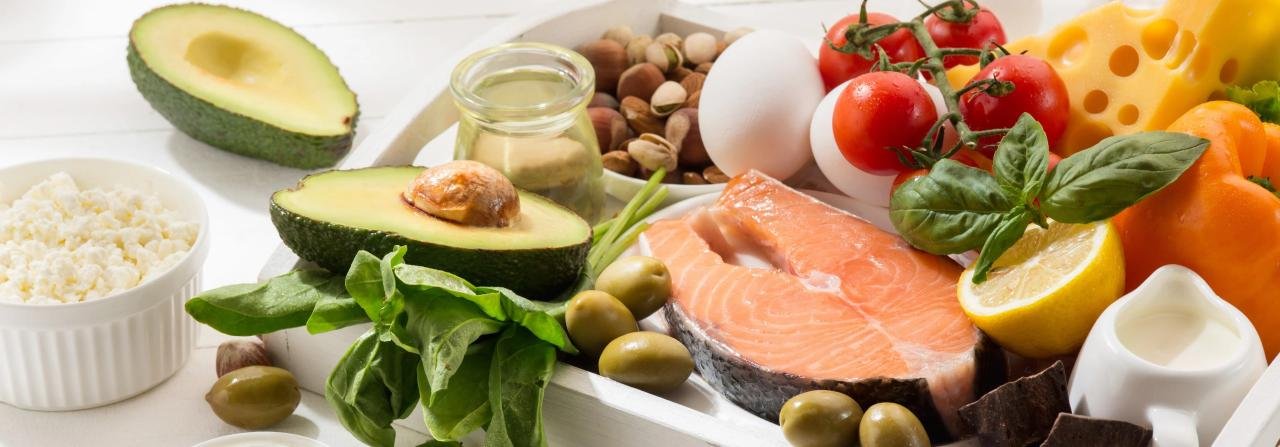
Protein plays a pivotal role in numerous biological processes, and its impact on fat loss is substantial. It’s not just about building muscle; protein influences satiety, metabolic rate, and overall hormonal balance, all of which contribute to a leaner physique. Understanding these multifaceted roles is crucial for anyone aiming to optimize their body composition.
Protein’s Biological Functions and Impact on Fat Loss
Protein is a macronutrient essential for life, performing a diverse array of functions that directly influence fat loss. It’s not simply a building block for muscle; it’s intricately involved in almost every biological process. These processes directly and indirectly influence fat loss.Protein’s primary functions include:
- Muscle Protein Synthesis: Protein provides the amino acids necessary for building and repairing muscle tissue. Increased muscle mass boosts the basal metabolic rate (BMR), meaning the body burns more calories at rest. This increased energy expenditure is a key factor in fat loss.
Muscle is metabolically active tissue.
- Enzyme Production: Enzymes are proteins that catalyze biochemical reactions in the body. They are crucial for processes like digestion, metabolism, and fat oxidation. Adequate protein intake ensures the efficient function of these enzymes, supporting optimal metabolic processes and fat burning.
- Hormone Regulation: Many hormones, including those involved in appetite regulation (e.g., leptin and ghrelin), are protein-based. Protein intake helps to stabilize blood sugar levels, preventing insulin spikes and crashes, which can lead to increased fat storage.
- Transportation and Storage: Proteins act as carriers, transporting nutrients and other essential substances throughout the body. They also play a role in storing nutrients. This efficiency in transportation and storage ensures that the body receives the necessary building blocks for various processes, including fat metabolism.
- Immune Function: Antibodies, which fight off infections, are proteins. Maintaining a strong immune system allows the body to function optimally, indirectly supporting fat loss by preventing illnesses that can disrupt metabolic processes.
Influence of Protein Intake on Satiety and Calorie Consumption
Protein has a significant impact on satiety, or the feeling of fullness. This effect is a key mechanism by which protein promotes fat loss by naturally reducing overall calorie consumption. This is a crucial element in achieving a negative energy balance, essential for fat loss.Protein influences satiety through several mechanisms:
- Hormonal Responses: Protein stimulates the release of hormones like glucagon-like peptide-1 (GLP-1), cholecystokinin (CCK), and peptide YY (PYY), which signal to the brain that you are full. These hormones reduce appetite and slow gastric emptying, contributing to a prolonged feeling of fullness.
- Reduced Hunger: Protein helps to regulate ghrelin, the “hunger hormone.” High-protein meals suppress ghrelin production, decreasing hunger and the desire to eat.
- Slower Digestion: Protein takes longer to digest than carbohydrates, which contributes to sustained satiety. This slow digestion helps to prevent rapid spikes in blood sugar and subsequent hunger pangs.
- Thermic Effect of Food (TEF): Protein has a higher TEF than carbohydrates and fats. This means the body uses more energy to digest and metabolize protein, contributing to a slight increase in calorie expenditure.
By increasing satiety, protein helps individuals naturally consume fewer calories without feeling deprived. For example, studies have shown that individuals who consume a high-protein breakfast (e.g., eggs, Greek yogurt) tend to eat fewer calories throughout the day compared to those who eat a breakfast high in carbohydrates. This can result in significant calorie savings over time, contributing to fat loss.
Protein Sources, Content, and Benefits for Fat Loss
Selecting appropriate protein sources is essential for maximizing the benefits of protein intake for fat loss. The following table highlights various protein sources, their typical protein content per serving, and associated benefits:
| Protein Source | Typical Protein Content (per serving) | Benefits for Fat Loss |
|---|---|---|
| Lean Chicken Breast (3.5 oz) | Approximately 30 grams | High protein, low fat, excellent for muscle building and satiety. |
| Greek Yogurt (6 oz) | Approximately 15-20 grams | High protein, probiotics for gut health, aids in satiety and nutrient absorption. |
| Lentils (1 cup, cooked) | Approximately 18 grams | High protein, fiber-rich, promotes satiety, and supports gut health. |
The Specific Mechanisms Through Which Protein Promotes Fat Reduction
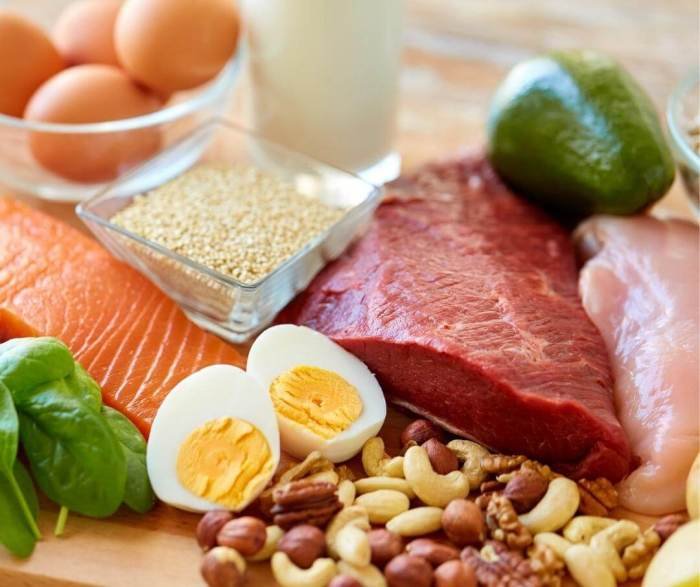
Protein plays a multifaceted role in facilitating fat loss, extending beyond its simple provision of amino acids. Its influence on metabolic rate, muscle preservation, and satiety makes it a powerful ally in achieving a leaner physique. Understanding these mechanisms allows for strategic dietary choices that optimize fat-burning potential.
Protein’s Impact on Metabolic Rate
Protein consumption elevates the metabolic rate through the thermic effect of food (TEF). This refers to the energy expenditure required to digest, absorb, and metabolize nutrients. Protein has a significantly higher TEF compared to carbohydrates and fats. Studies have shown that the TEF of protein can be as high as 20-30% of its caloric value, meaning that a substantial portion of the calories consumed from protein are used in the process of its digestion and utilization.
In contrast, carbohydrates have a TEF of around 5-10%, and fats have a TEF of only 0-3%.This increased energy expenditure translates to greater overall calorie burn throughout the day, contributing to a calorie deficit, which is fundamental for fat loss. Moreover, the higher TEF of protein can help to mitigate the metabolic slowdown that often occurs during periods of calorie restriction.
This is because the body is actively burning more calories to process the protein, which counteracts the tendency to conserve energy when food intake is reduced. This can be particularly beneficial for individuals aiming to lose weight while preserving their metabolic efficiency. For example, a study published in theAmerican Journal of Clinical Nutrition* found that a high-protein diet resulted in greater fat loss and preservation of lean muscle mass compared to a low-protein diet, even when both groups consumed the same number of calories.
This highlights the crucial role of protein in supporting a favorable metabolic environment for fat reduction.
Protein’s Role in Preserving Lean Muscle Mass
Maintaining lean muscle mass is crucial for successful fat loss. During calorie restriction, the body may break down muscle tissue for energy if not enough protein is consumed. Muscle tissue is metabolically active, meaning it burns calories even at rest. Preserving muscle mass helps to maintain a higher basal metabolic rate, making it easier to burn calories and lose fat.Protein provides the essential amino acids necessary for muscle repair and growth.
Adequate protein intake signals to the body to prioritize muscle protein synthesis over muscle breakdown, thereby preventing muscle loss during a calorie deficit. This ensures that the weight loss primarily comes from fat stores, resulting in a more favorable body composition. For instance, a meta-analysis published in theBritish Journal of Nutrition* indicated that higher protein intake during weight loss significantly preserved lean mass compared to lower protein intake.
This underlines the significance of protein in sculpting a healthier and more aesthetically pleasing physique.
Incorporating Protein into a Daily Diet for Optimal Fat Loss
Strategic protein consumption is key to optimizing fat loss. Here are several ways to incorporate protein effectively:
- Prioritize Protein at Each Meal: Aim to include a source of protein in every meal and snack. This ensures a consistent supply of amino acids to support muscle protein synthesis and promote satiety.
Sample Meal: Grilled chicken breast with a side of quinoa and vegetables. - Spread Protein Intake Throughout the Day: Avoid consuming the majority of your protein in a single meal. Distributing protein intake evenly across the day helps to maximize muscle protein synthesis and maintain a stable energy level.
Sample Meal: Greek yogurt with berries and nuts for breakfast, followed by a protein shake as a mid-morning snack. - Choose Lean Protein Sources: Opt for lean protein sources to minimize the intake of excess calories from fat. Lean protein sources are also generally lower in saturated fat, which is beneficial for overall health.
Sample Meal: Baked salmon with steamed asparagus and a small serving of brown rice. - Utilize Protein Supplements Strategically: Protein supplements, such as whey protein or casein protein, can be a convenient way to meet your daily protein needs, especially after workouts or when on the go.
Sample Meal: A protein shake mixed with water or unsweetened almond milk after a workout. - Consider Protein-Rich Snacks: Incorporate protein-rich snacks between meals to keep you feeling full and prevent overeating. These snacks also help to stabilize blood sugar levels and support muscle recovery.
Sample Meal: Hard-boiled eggs, a handful of almonds, or a serving of cottage cheese.
Determining Optimal Protein Intake for Individuals Focused on Reducing Body Fat
Optimizing protein intake is a cornerstone of a successful fat loss strategy. However, the ideal amount varies significantly based on individual factors. Understanding these variables is crucial for tailoring a protein intake plan that supports fat loss while preserving muscle mass and promoting overall health. This section delves into the key considerations for determining the optimal protein intake for individuals aiming to reduce body fat.
Factors Influencing Protein Intake
Several factors influence the ideal protein intake for an individual focused on fat loss. These include activity level, current body composition, and overall health goals.
- Activity Level: Individuals engaging in regular physical activity, especially resistance training, require more protein to support muscle repair and growth. Those with a more sedentary lifestyle may need less protein, although maintaining adequate intake is still vital for metabolic health. For example, a competitive athlete undergoing intense training will have significantly different protein needs compared to someone who is moderately active with a desk job.
- Current Body Composition: Individuals with a higher percentage of body fat and a lower muscle mass may benefit from a higher protein intake to preserve existing muscle during fat loss. Conversely, those with a leaner physique may require a slightly lower, but still adequate, protein intake.
- Overall Health Goals: Besides fat loss, other health goals can influence protein needs. Individuals with specific medical conditions, such as those with chronic kidney disease (requiring careful protein management) or those recovering from surgery, may need to adjust their protein intake based on medical advice.
Calculating Protein Intake
Calculating the appropriate protein intake range involves considering body weight and activity levels. Several formulas and guidelines can assist in this process.
Protein Intake Calculation Formulas:
Sedentary Individuals
0.8 to 1.0 grams of protein per kilogram of body weight.
Moderately Active Individuals
1.1 to 1.4 grams of protein per kilogram of body weight.
Individuals Engaging in Resistance Training
1.6 to 2.2 grams of protein per kilogram of body weight.
For instance, a 70 kg (154 lbs) individual engaged in resistance training might aim for 112 to 154 grams of protein daily. It’s important to distribute protein intake evenly throughout the day to maximize muscle protein synthesis. Consuming protein with each meal and snack helps maintain a consistent supply of amino acids, supporting muscle preservation and promoting satiety.
Expert Recommendations
Various nutritional guidelines provide recommendations for daily protein needs, specifically tailored for fat loss. These guidelines generally emphasize a higher protein intake compared to the recommended daily allowance (RDA) for general health.
Expert Recommendations for Protein Intake During Fat Loss:
Academy of Nutrition and Dietetics: Recommends a protein intake of 1.2 to 1.7 grams per kilogram of body weight for athletes and individuals engaging in regular exercise, which is beneficial for fat loss. (Source: Position of the Academy of Nutrition and Dietetics, Dietitians of Canada, and the American College of Sports Medicine: Nutrition and Athletic Performance.
-Journal of the Academy of Nutrition and Dietetics.* 2016;116(3):501-528.)International Society of Sports Nutrition (ISSN): Suggests a protein intake of 1.4 to 2.0 grams per kilogram of body weight per day for athletes and individuals trying to lose fat and maintain muscle mass. (Source: Jäger R, Kerksick CM, Campbell BI, et al. International Society of Sports Nutrition Position Stand: Protein and exercise.
-Journal of the International Society of Sports Nutrition.* 2017;14:20.)National Strength and Conditioning Association (NSCA): Recommends a protein intake of 1.4 to 1.7 grams per kilogram of body weight for individuals engaged in resistance training aiming for fat loss. (Source: National Strength and Conditioning Association.
-Essentials of Strength Training and Conditioning*. 4th ed. Champaign, IL: Human Kinetics; 2016.)
The Benefits of Protein Beyond Weight Management for Overall Well-being
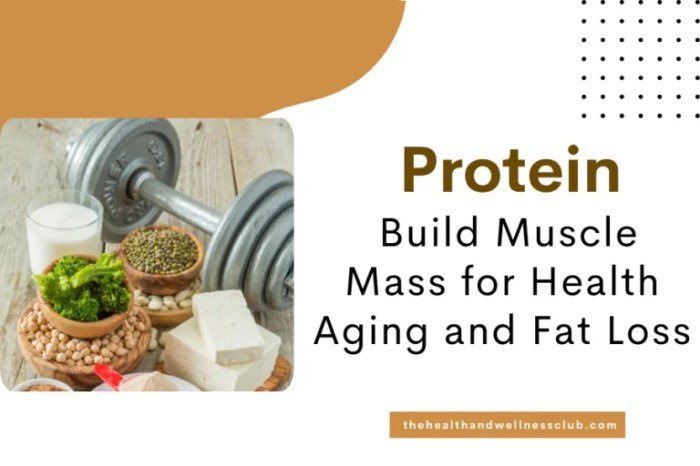
Protein’s role extends far beyond simply aiding in weight loss. It’s a cornerstone of overall health, playing a vital role in numerous bodily functions that contribute to well-being, energy, and longevity. Adequate protein intake is essential for maintaining a healthy and functioning body.
Protein’s Role in Immune Function, Hormone Regulation, and Tissue Repair
Protein is a fundamental building block for the immune system, responsible for the production of antibodies, which are crucial for fighting off infections and diseases. Furthermore, it plays a key role in hormone regulation, influencing various processes like metabolism, growth, and reproduction. For example, enzymes, which are proteins, catalyze numerous biochemical reactions, including those involved in hormone synthesis. Protein also provides the necessary amino acids for repairing and rebuilding tissues throughout the body.
This is especially important for maintaining the integrity of skin, muscles, and internal organs.Inadequate protein intake can lead to a weakened immune system, making individuals more susceptible to illness. Hormone imbalances can result in various health issues, including fatigue, mood swings, and metabolic disorders. Tissue repair is compromised, leading to slower healing and increased risk of injury. Conversely, adequate protein intake supports a robust immune response, promotes balanced hormone levels, and facilitates efficient tissue repair, contributing to improved energy levels, stable mood, and overall vitality.
Protein’s Impact on Energy Levels, Mood, and Vitality
The effects of protein intake on energy levels, mood, and vitality are significant. When protein intake is insufficient, the body may struggle to maintain stable blood sugar levels. This can lead to energy crashes, fatigue, and difficulty concentrating. Mood can also be negatively affected, with increased irritability and feelings of depression potentially arising from a lack of essential amino acids, which are precursors to neurotransmitters like serotonin and dopamine.
Adequate protein intake, on the other hand, provides a sustained release of energy, supporting stable blood sugar levels and promoting a sense of alertness and focus. The amino acids derived from protein also contribute to the production of neurotransmitters that enhance mood and overall well-being. This leads to increased vitality and a greater capacity to handle daily stressors.
Protein’s Contribution to Physical Performance and Exercise Recovery
Protein is crucial for physical performance and recovery. It provides the building blocks for muscle repair and growth, which are essential for athletes and anyone engaging in regular exercise. Here are some examples:
- Enhanced Muscle Growth: Protein provides the amino acids necessary to repair and rebuild muscle fibers damaged during exercise. This process, known as muscle protein synthesis, is crucial for increasing muscle mass and strength.
- Improved Recovery Time: Consuming protein after exercise helps to reduce muscle soreness and accelerate recovery. This allows individuals to return to their training routines sooner.
- Increased Endurance: Protein contributes to the synthesis of enzymes involved in energy metabolism. This can lead to improved endurance and stamina during physical activity.
- Reduced Risk of Injury: Adequate protein intake supports the maintenance of strong connective tissues, which can help to reduce the risk of injuries during exercise.
Practical Strategies for Integrating Protein-Rich Foods into a Balanced Diet
Incorporating sufficient protein into your diet is a crucial element for fat loss and overall health. This section focuses on practical strategies to seamlessly integrate protein-rich foods into your daily meals and snacks, ensuring you meet your protein requirements without compromising taste or variety. We’ll explore various protein sources, meal planning techniques, and supplement considerations to help you optimize your protein intake effectively.
Incorporating Protein Sources into Meals and Snacks
To ensure adequate protein intake throughout the day, it’s essential to strategically incorporate protein-rich foods into every meal and snack. This not only supports muscle maintenance and repair but also promotes satiety, aiding in appetite control and fat loss.Here are some practical methods for achieving this:* Breakfast: Start your day with a protein-packed breakfast. Consider options like eggs (scrambled, omelets, or hard-boiled), Greek yogurt with berries and nuts, or a protein smoothie with protein powder, spinach, and fruit.
Adding cottage cheese or a serving of lean turkey or chicken sausage can further increase protein content.
Lunch
Include a significant protein source in your lunch. This could be grilled chicken or fish salad, a lentil soup, a quinoa bowl with chickpeas and tofu, or a turkey and cheese wrap on whole-wheat bread. Aim for at least 25-30 grams of protein in your lunch.
Dinner
Dinner is another opportunity to prioritize protein. Opt for lean meats like chicken breast, fish (salmon, cod, tuna), or lean cuts of beef. Vegetarian options include tofu stir-fries, black bean burgers, or a hearty lentil stew. Ensure a portion size that provides an adequate amount of protein.
Snacks
Between meals, incorporate protein-rich snacks to maintain satiety and prevent overeating. Good choices include hard-boiled eggs, a handful of almonds or other nuts, a protein shake, Greek yogurt, or a small portion of cottage cheese.
Snack and meal combination
Pair protein with complex carbohydrates and healthy fats. For example, have a tuna salad sandwich on whole-wheat bread (protein, complex carbs, healthy fats) or an apple with peanut butter (protein, complex carbs, healthy fats).Remember to vary your protein sources to ensure you receive a wide range of amino acids and nutrients. Combining animal and plant-based proteins can provide a comprehensive nutritional profile.
For example, combining rice and beans can provide a complete protein, as both contain different amino acids that complement each other.
Protein Supplement Advantages and Disadvantages
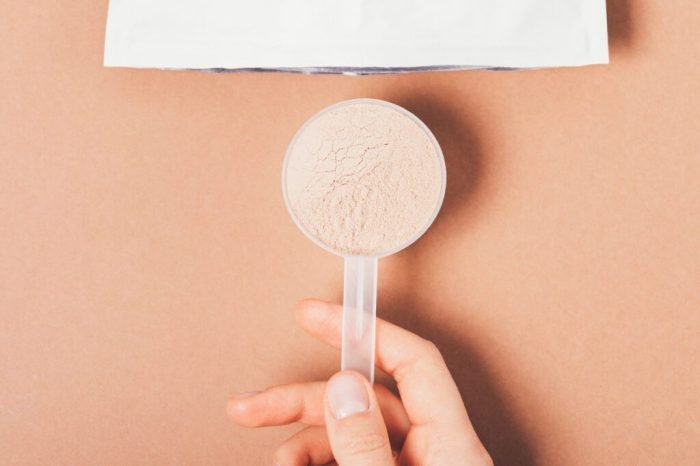
Protein supplements can be a convenient way to boost protein intake, especially for individuals with busy lifestyles or specific dietary needs. However, it’s important to understand the advantages and disadvantages of different supplement types.* Whey Protein: Whey protein is a fast-digesting protein derived from milk. It’s popular for its rapid absorption rate, making it suitable for post-workout recovery.
Advantages
Convenient, easily absorbed, and can help stimulate muscle protein synthesis. It’s also relatively inexpensive.
Disadvantages
Can cause digestive issues (bloating, gas) in some individuals, especially those with lactose intolerance. May not be suitable for vegans or those with dairy allergies.
Casein Protein
Casein protein is also derived from milk, but it digests more slowly than whey.
Advantages
Provides a sustained release of amino acids, making it ideal for consumption before bed or between meals. Can help reduce muscle breakdown.
Disadvantages
Can also cause digestive issues. It’s not as effective for post-workout recovery as whey protein.
Plant-Based Protein Powders
These supplements are derived from plant sources like soy, pea, rice, hemp, or a combination of these.
Advantages
Suitable for vegans and individuals with dairy allergies. Often contain additional nutrients and fiber.
Disadvantages
May not contain a complete amino acid profile (some combinations are needed to provide all essential amino acids). The taste and texture can vary. Absorption rates can be slower than whey protein.Before using any supplement, consult a healthcare professional, especially if you have any underlying health conditions or are taking medications.
Weekly Meal Plan Template Emphasizing Protein Intake
Creating a structured meal plan can significantly help you manage your protein intake and stay on track with your fat loss goals. The following table provides a sample weekly meal plan template, including suggested portion sizes and food preparation techniques. Remember to adjust portion sizes based on your individual needs and activity level.
| Meal | Monday | Tuesday | Wednesday | Thursday | Friday | Saturday | Sunday |
|---|---|---|---|---|---|---|---|
| Breakfast (approx. 30g protein) | Omelet with 3 eggs, spinach, and feta cheese. | Greek yogurt (1 cup) with berries and a scoop of protein powder. | Protein smoothie (whey protein, banana, spinach, almond milk). | 2 slices whole-wheat toast with 2 scrambled eggs and 2 slices of turkey bacon. | Overnight oats with protein powder, chia seeds, and berries. | Cottage cheese (1 cup) with a handful of almonds. | Egg white frittata with vegetables (broccoli, peppers, onions). |
| Lunch (approx. 30-40g protein) | Grilled chicken salad with mixed greens, avocado, and a light vinaigrette. | Lentil soup with a side of whole-grain bread. | Tuna salad (made with Greek yogurt) on whole-wheat bread. | Quinoa bowl with chickpeas, tofu, and roasted vegetables. | Turkey and cheese wrap on whole-wheat tortilla. | Leftover chicken breast and roasted vegetables. | Large salad with grilled salmon, mixed greens, and a lemon dressing. |
| Dinner (approx. 40-50g protein) | Baked salmon with roasted asparagus. | Chicken breast with brown rice and steamed broccoli. | Lean beef stir-fry with mixed vegetables and brown rice. | Black bean burgers on whole-wheat buns with a side salad. | Grilled cod with sweet potato fries and green beans. | Chicken and vegetable skewers with quinoa. | Lentil stew with a side of whole-grain bread. |
| Snacks (approx. 10-20g protein) | Hard-boiled eggs (2) | Greek yogurt (1 cup) | Protein shake | A handful of almonds | Cottage cheese (1/2 cup) | Turkey breast slices | Edamame (1 cup) |
| Food Preparation Tips | Prep ingredients on Sunday for the week. | Cook extra protein at dinner for lunch the next day. | Use a slow cooker for stews and soups. | Pre-portion snacks into containers. | Grill or bake meats instead of frying. | Use leftovers to minimize food waste. | Make a large batch of quinoa or rice at the beginning of the week. |
This meal plan is a template, and you can customize it based on your preferences, dietary needs, and access to different foods. Remember to adjust portion sizes based on your individual protein requirements, which can be calculated using formulas like:
Protein Requirement = Body Weight (lbs)
0.8 to 1.0 grams of protein (for those aiming for fat loss).
Outcome Summary
In conclusion, the importance of protein in fat loss extends far beyond simply counting calories. By understanding how protein impacts your body’s biological functions, metabolic rate, and overall well-being, you can unlock a powerful tool for achieving your weight loss goals. From choosing the right protein sources to calculating your ideal intake and creating a balanced meal plan, the information presented here provides the foundation for a sustainable and effective approach to fat loss.
Embrace the power of protein and embark on a journey towards a healthier, leaner you.
Commonly Asked Questions
How much protein should I eat per day?
The ideal protein intake varies depending on factors like activity level, body composition, and goals. A general guideline is 0.8 to 1 gram of protein per pound of body weight for those aiming to lose fat and maintain muscle mass.
Can I get enough protein from plant-based sources?
Yes, absolutely! A well-planned plant-based diet can easily provide sufficient protein. Combine various sources like legumes, tofu, tempeh, nuts, seeds, and whole grains to ensure you’re getting all essential amino acids.
Does eating more protein automatically lead to fat loss?
While protein is a crucial component of a fat loss strategy, simply increasing protein intake won’t guarantee weight loss. It needs to be combined with a calorie deficit and regular exercise for optimal results. Protein helps facilitate the process.
Are protein shakes necessary for fat loss?
Protein shakes are a convenient way to supplement your protein intake, but they’re not essential. Whole food sources like lean meats, eggs, and beans can provide all the protein you need. Shakes can be helpful if you struggle to meet your protein goals through food alone.
Can I eat too much protein?
While excessive protein intake is generally safe for healthy individuals, consuming extremely high amounts for extended periods could potentially strain the kidneys. It’s generally recommended to stay within the recommended protein intake range for your body weight and goals.
