High-Protein Keto vs Standard Keto: Key Differences explores the fascinating world of ketogenic diets, where the metabolic dance of fat burning takes center stage. Both approaches, rooted in drastically reducing carbohydrates to usher the body into ketosis, offer unique pathways to potential weight management and health benefits. However, the subtle yet significant shift in protein intake distinguishes these two keto variations, impacting everything from satiety and muscle maintenance to overall metabolic adaptation.
This discussion delves into the core principles of each diet, dissecting macronutrient ratios, examining physiological effects, and evaluating practical applications. We’ll uncover how these differences influence your body’s response, exploring the benefits and challenges each path presents, and providing insights for anyone considering adopting either approach. From meal planning strategies to long-term sustainability, we aim to equip you with the knowledge to make informed decisions on your dietary journey.
Understanding the Foundational Principles of Standard Ketogenic Diets
The standard ketogenic diet (SKD) is a well-established dietary approach designed to shift the body’s primary fuel source from glucose (derived from carbohydrates) to ketones (produced from fat). This shift, known as ketosis, is achieved through stringent control of macronutrient intake. Understanding the core principles of SKD is crucial for anyone considering this dietary strategy.
Macronutrient Ratios and Ketosis
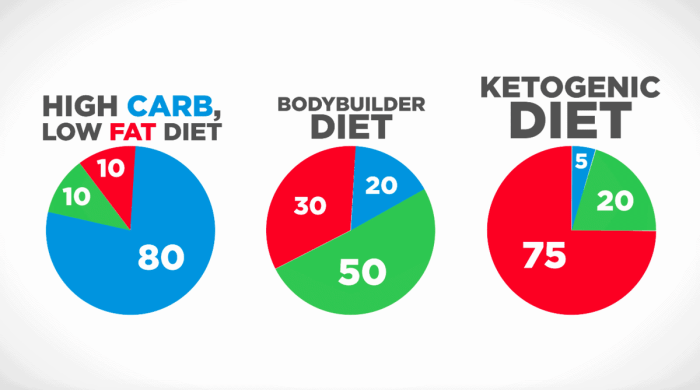
The cornerstone of a standard ketogenic diet is its macronutrient ratio. This ratio dictates the proportion of calories derived from fats, proteins, and carbohydrates. The typical SKD aims for approximately:
- 70-75% of calories from fat: This high fat intake is essential for providing the body with the primary fuel source once glucose is restricted. Sources include healthy fats like avocados, olive oil, and fatty fish.
- 20-25% of calories from protein: Protein intake is moderate. While essential for maintaining muscle mass, excessive protein can be converted to glucose through gluconeogenesis, potentially hindering ketosis.
- 5-10% of calories from carbohydrates: This extremely low carbohydrate intake is the key to inducing ketosis. The restriction forces the body to deplete its glycogen stores and turn to fat for energy.
The dietary restriction of carbohydrates triggers a cascade of metabolic changes. When carbohydrate intake is severely limited, the body’s glycogen stores (stored glucose) are depleted. This signals the liver to begin breaking down fat into fatty acids, which are then converted into ketones.
Ketogenesis is the process by which the liver converts fatty acids into ketone bodies (primarily beta-hydroxybutyrate, acetoacetate, and acetone).
These ketones then become the primary fuel source for the body, including the brain. The body enters ketosis when ketone levels in the blood reach a certain threshold, typically around 0.5 millimoles per liter (mmol/L). Maintaining ketosis requires consistent adherence to the macronutrient ratios. Deviations, especially increased carbohydrate intake, can quickly knock the body out of ketosis. The body’s ability to utilize ketones efficiently can improve over time, making it easier to maintain ketosis.
Food Examples and Macronutrient Breakdown
Here are some common food examples that align with a standard keto diet, along with their approximate macronutrient breakdown per serving:
| Food | Serving Size | Fat (g) | Protein (g) | Net Carbs (g) |
|---|---|---|---|---|
| Avocado | 1/2 medium | 15 | 2 | 2 |
| Salmon | 4 oz (113g) | 13 | 25 | 0 |
| Spinach | 1 cup (30g) | 0 | 1 | 1 |
These examples illustrate the emphasis on high-fat, moderate-protein, and very low-carbohydrate foods characteristic of a standard ketogenic diet. Careful meal planning and tracking are essential to ensure adherence to the macronutrient targets and maintain ketosis.
Unpacking the Elevated Protein Profile in High-Protein Keto Diets
The high-protein ketogenic diet, often abbreviated as high-protein keto, distinguishes itself from the standard ketogenic diet primarily through its adjusted macronutrient ratios. This adjustment centers on a significant increase in protein intake, which can influence various physiological processes and potentially enhance the diet’s effectiveness for specific goals. Understanding these alterations is crucial for anyone considering this dietary approach.
Adjustments to Macronutrient Ratios in High-Protein Keto
The cornerstone of the high-protein keto diet lies in its manipulation of the macronutrient ratios. While both standard keto and high-protein keto emphasize low carbohydrate intake to induce ketosis, the latter shifts the focus to a higher protein intake, generally at the expense of fat. This shift influences the body’s metabolic processes and the overall composition of the diet. In standard keto, the macronutrient breakdown typically prioritizes fat as the primary energy source, followed by a moderate amount of protein and very few carbohydrates.
High-protein keto, on the other hand, boosts protein, lowering fat, but maintaining very low carbohydrate levels. This adjustment aims to capitalize on protein’s benefits for satiety, muscle preservation, and metabolic health. The exact percentages can vary depending on individual needs and goals, but the core principle remains consistent: a higher proportion of calories from protein. This approach attempts to maximize the advantages of both ketogenic principles and protein’s role in the body.
Potential Benefits of Increased Protein Intake
Increasing protein intake in a ketogenic diet offers several potential advantages. Protein is well-known for its role in promoting satiety, meaning it helps individuals feel fuller for longer after meals. This can be a significant benefit for weight management, as it may reduce overall calorie intake by decreasing the urge to snack or overeat. Furthermore, protein plays a crucial role in preserving muscle mass, especially during periods of calorie restriction or increased physical activity.
When following a ketogenic diet, the body may tap into stored fat for energy, but without adequate protein, it could also break down muscle tissue. Increased protein intake can help mitigate this, supporting muscle maintenance or even growth. Finally, higher protein intake has been linked to improved metabolic health. It can help regulate blood sugar levels, improve insulin sensitivity, and potentially contribute to a more favorable body composition.
These benefits can contribute to overall well-being and make the diet more effective.
Comparison Table: Macronutrient Targets
The following table provides a comparison of typical macronutrient targets for standard keto versus high-protein keto diets, including percentage ranges and example gram amounts for a 2000-calorie diet. Note that these are general guidelines, and individual needs may vary.
| Macronutrient | Standard Keto (%) | High-Protein Keto (%) | Example (2000 Calories) Standard Keto (grams) | Example (2000 Calories) High-Protein Keto (grams) |
|---|---|---|---|---|
| Fat | 70-75% | 50-60% | 156-167g | 111-133g |
| Protein | 20-25% | 30-40% | 100-125g | 150-200g |
| Carbohydrates | 5-10% | 5-10% | 25-50g | 25-50g |
Examining the Impact on Macronutrient Distribution and Calorie Considerations
Altering protein intake significantly reshapes the macronutrient landscape within ketogenic diets. This shift impacts not only the proportion of fats and carbohydrates but also influences caloric intake and, consequently, weight management. Understanding these intricate relationships is crucial for optimizing the effectiveness of either a high-protein or standard ketogenic approach.
Impact of Protein on Macronutrient Distribution and Calorie Intake
Increasing protein intake necessitates a corresponding adjustment in the intake of other macronutrients, primarily fats. The standard ketogenic diet typically prioritizes a high-fat, moderate-protein, and very-low-carbohydrate ratio, often represented as approximately 70-80% of calories from fat, 15-20% from protein, and 5-10% from carbohydrates. High-protein keto, however, shifts this balance, potentially increasing protein intake to 25-35% of total calories, which reduces the percentage allocated to fat.This alteration can affect satiety and overall caloric consumption.
Protein is known for its satiating effect, potentially leading to reduced caloric intake throughout the day. However, it’s essential to monitor calorie intake carefully, as consuming more calories than the body burns, regardless of the macronutrient composition, will likely result in weight gain. For instance, a person consuming 2,000 calories daily with a standard keto ratio might find their calorie needs altered with a high-protein approach, perhaps requiring a slight adjustment to maintain the desired weight.
It is crucial to remember that individual metabolic rates vary, making personalized adjustments vital for success. The impact of protein on weight management is not solely determined by its proportion in the diet, but by the overall energy balance.
Importance of Tracking Calories and Macronutrients
Accurate tracking of calories and macronutrients is paramount for achieving and maintaining desired results on both standard and high-protein ketogenic diets. Monitoring intake allows for precise control over the macronutrient ratios, which is crucial for staying in ketosis and managing weight effectively.The most common methods for monitoring intake include:
- Food Tracking Apps: Applications like MyFitnessPal, Cronometer, and Carb Manager enable users to log their food intake and automatically calculate the macronutrient breakdown of each meal. These apps often contain extensive food databases, simplifying the process of tracking.
- Food Scales and Measuring Cups: Precise measurement of food portions is critical for accurate tracking. Using a food scale ensures accurate portion sizes, while measuring cups and spoons help quantify ingredients.
- Meal Planning: Planning meals in advance allows for better control over the macronutrient composition of each meal and the overall daily intake. This approach can also help to avoid impulsive food choices.
- Regular Weigh-ins and Body Measurements: Monitoring weight and body measurements provides valuable feedback on progress and allows for necessary adjustments to the diet. These metrics should be tracked regularly, typically weekly or bi-weekly.
Potential Pitfalls
Both standard and high-protein keto diets are susceptible to various pitfalls that can hinder progress or negatively impact health. Awareness of these potential issues is crucial for successful implementation.
- Overconsumption of Processed Keto-Friendly Foods: While keto-friendly options are available, many processed foods contain additives, artificial sweeteners, and excessive amounts of saturated fats. Over-reliance on these foods can undermine overall health.
- Underconsumption of Fiber: The restriction of carbohydrate-rich foods can lead to inadequate fiber intake, potentially causing digestive issues like constipation.
- Nutrient Deficiencies: Poorly planned ketogenic diets can lead to deficiencies in essential micronutrients, such as vitamins and minerals, especially if the diet lacks variety. For example, a diet lacking in green leafy vegetables can lead to a deficiency in vitamin K.
- Excessive Saturated Fat Intake: While fat is a cornerstone of keto, an overabundance of saturated fats from sources like processed meats and full-fat dairy may negatively impact cardiovascular health.
- Inadequate Hydration and Electrolyte Imbalance: The ketogenic diet can lead to increased water and electrolyte loss, potentially causing symptoms like fatigue, headaches, and muscle cramps.
- Ignoring Individual Needs: A one-size-fits-all approach is not effective. Factors such as activity level, metabolic rate, and individual health conditions should be considered when tailoring the diet.
Comparing the Physiological Effects and Metabolic Adaptations of Both Diets

The physiological effects and metabolic adaptations of standard ketogenic (SK) and high-protein ketogenic (HPK) diets differ primarily due to variations in macronutrient ratios, particularly protein intake. Understanding these differences is crucial for optimizing the benefits of each approach. This section delves into the contrasting impacts on insulin sensitivity, blood sugar regulation, hormonal responses, and energy metabolism.
Physiological Effects: Insulin Sensitivity, Blood Sugar, and Hormonal Responses
The effects on insulin sensitivity, blood sugar regulation, and hormonal responses vary between SK and HPK diets. While both diets aim to promote ketosis, the elevated protein intake in HPK can subtly influence these physiological markers.
- Insulin Sensitivity: Both diets generally improve insulin sensitivity compared to a high-carbohydrate diet. However, the higher protein intake in HPK might lead to a slightly greater insulin response, especially if the protein source is readily converted to glucose (e.g., through gluconeogenesis). The degree of this response depends on individual factors such as genetics, activity level, and the overall caloric balance.
For example, a study might show that individuals with insulin resistance may experience a more significant improvement in insulin sensitivity on SK compared to HPK, while individuals without insulin resistance might see comparable results.
- Blood Sugar Regulation: Both diets contribute to stable blood sugar levels. SK diets, with their lower overall protein intake, may maintain more consistently lower blood glucose levels. HPK diets can increase blood glucose levels to a degree, particularly post-meal. The effect on blood sugar is highly dependent on the amount and type of protein consumed, the timing of meals, and the individual’s metabolic health.
- Hormonal Responses: Both diets influence hormonal profiles, particularly related to satiety and metabolic rate. HPK diets, due to their higher protein content, often promote increased satiety and may have a slightly greater thermic effect of food (TEF), potentially aiding in weight management. The impact on hormones like glucagon and cortisol can vary. High protein intake might slightly elevate glucagon, which supports glucose production from protein, and it could also affect cortisol levels, though research findings are mixed and individual responses differ.
Metabolic Adaptations and Exercise
Switching between SK and HPK diets can trigger metabolic adaptations related to energy expenditure and substrate utilization. Exercise, particularly resistance training, plays a critical role in supporting these adaptations.
- Energy Expenditure and Substrate Utilization: The body adapts to the predominant fuel source in each diet. In SK, the body becomes more efficient at using ketones and fat for fuel. In HPK, the body also uses ketones, but protein contributes more significantly to energy needs, particularly during gluconeogenesis. Metabolic adaptations may include increased fat oxidation in both diets, but the specific pathways and efficiency of these processes can vary.
The body may switch between these fuel sources more easily in individuals who cycle between the diets.
- Exercise Integration: Exercise, especially resistance training, becomes critical for preserving and building muscle mass, particularly on HPK diets. The higher protein intake provides the necessary building blocks for muscle repair and growth, while the ketogenic state supports fat burning. The timing of exercise and nutrient intake can be strategically planned to optimize these processes. For example, consuming a protein shake immediately after a resistance training session can help maximize muscle protein synthesis.
The role of resistance training is paramount when adhering to either SK or HPK diets.
Resistance training helps preserve or build muscle mass, which is crucial for metabolic health and body composition. The combination of resistance training and sufficient protein intake (particularly in HPK) can enhance muscle protein synthesis, leading to improved body composition and metabolic outcomes.
Evaluating the Practical Applications and Dietary Strategies for Meal Planning
Meal planning is crucial for the successful implementation of both standard and high-protein ketogenic diets. Careful consideration of food choices, macronutrient ratios, and potential challenges is necessary to ensure adherence and achieve desired health outcomes. This section Artikels practical strategies, meal ideas, transition guides, and solutions to common challenges to facilitate effective dietary management.
Practical Dietary Strategies for Meal Planning and Food Choices
Meal planning on both standard and high-protein keto involves prioritizing whole, unprocessed foods that are low in carbohydrates and high in healthy fats, with variations in protein intake. This requires a shift in mindset and a proactive approach to food preparation.
- Standard Keto Meal Planning: The focus is on moderate protein, high fat, and very low carbohydrates.
- Food Choices: Emphasize fatty meats (ribeye steak, bacon), avocados, olive oil, butter, full-fat dairy (in moderation), non-starchy vegetables (leafy greens, broccoli, cauliflower), and nuts and seeds.
- Meal Ideas:
- Breakfast: Scrambled eggs with bacon and avocado.
- Lunch: Salad with grilled chicken, avocado, and olive oil dressing.
- Dinner: Salmon with roasted broccoli and a side of buttered asparagus.
- Snacks: A handful of macadamia nuts, cheese with celery sticks, or a few olives.
- Recipe Example: Keto-Friendly Chicken Salad
- Ingredients: Cooked chicken breast (shredded), mayonnaise, celery (diced), onion (diced), salt, pepper, and optional spices (e.g., paprika, garlic powder).
- Instructions: Combine all ingredients in a bowl. Mix well and serve.
- High-Protein Keto Meal Planning: The focus shifts towards increased protein intake while maintaining low carbohydrate levels and moderate fat consumption.
- Food Choices: Include lean and fatty meats (chicken breast, ground beef), fish, eggs, full-fat dairy (in moderation), non-starchy vegetables, and a smaller proportion of healthy fats compared to standard keto.
- Meal Ideas:
- Breakfast: Protein shake with whey protein, almond milk, and spinach.
- Lunch: Grilled chicken breast with a large salad.
- Dinner: Steak with a side of green beans and a small portion of olive oil.
- Snacks: Hard-boiled eggs, Greek yogurt (full-fat, unsweetened), or a protein bar (keto-friendly).
- Recipe Example: High-Protein Keto Egg Muffins
- Ingredients: Eggs, cooked ground sausage or bacon (diced), cheese (shredded), onion (diced), spinach (chopped), salt, and pepper.
- Instructions: Whisk eggs. Mix in other ingredients. Pour into muffin tins and bake until set.
- General Considerations for Both Diets:
- Macronutrient Tracking: Use a food tracking app (e.g., MyFitnessPal, Cronometer) to monitor carbohydrate, protein, and fat intake.
- Meal Prepping: Prepare meals and snacks in advance to avoid impulsive food choices.
- Hydration: Drink plenty of water throughout the day.
- Electrolyte Balance: Supplement with electrolytes (sodium, potassium, magnesium) to combat the keto flu symptoms.
Step-by-Step Guide for Transitioning Between Dietary Approaches
Transitioning between standard and high-protein keto requires a gradual adjustment to minimize potential side effects and ensure metabolic adaptation. This process should be carefully planned and monitored.
- Assessment: Determine your current diet and goals. Assess your current macronutrient ratios and body composition.
- Transitioning to High-Protein Keto from Standard Keto:
- Week 1-2: Gradually increase protein intake by approximately 10-15 grams per day while slightly decreasing fat intake. Monitor how your body responds.
- Week 3-4: Continue increasing protein, aiming for the desired high-protein keto macro split. Adjust fat intake accordingly.
- Monitor: Track energy levels, hunger, and any changes in body composition.
- Transitioning to Standard Keto from High-Protein Keto:
- Week 1-2: Gradually decrease protein intake by approximately 10-15 grams per day while slightly increasing fat intake. Monitor your body’s response.
- Week 3-4: Continue decreasing protein and increasing fat, aiming for the standard keto macro split.
- Monitor: Track energy levels, hunger, and any changes in body composition.
- Important Considerations:
- Listen to Your Body: Adjust the transition timeline based on your individual responses.
- Consult a Professional: Consult a healthcare professional or registered dietitian for personalized guidance.
Addressing Common Challenges and Solutions
Adopting either standard or high-protein keto diets presents various challenges. Understanding these challenges and implementing effective solutions is crucial for long-term success.
- Managing Cravings:
- Solution: Identify triggers. Drink plenty of water. Consume high-fat snacks. Use sugar substitutes in moderation.
- Staying Motivated:
- Solution: Set realistic goals. Track progress. Find a support system. Celebrate non-scale victories.
- Navigating Social Situations:
- Solution: Plan ahead. Bring keto-friendly food. Explain your dietary needs. Focus on the social aspect.
- Keto Flu Symptoms:
- Solution: Increase electrolyte intake (sodium, potassium, magnesium). Stay hydrated. Get adequate rest.
- Constipation:
- Solution: Increase fiber intake from non-starchy vegetables. Drink plenty of water. Consider magnesium supplements.
- Difficulty with Food Choices:
- Solution: Learn about keto-friendly foods. Meal plan. Explore new recipes. Use online resources.
Investigating the Role of Protein in Satiety, Muscle Maintenance, and Performance
The amount of protein consumed on both high-protein keto and standard keto diets plays a crucial role in several aspects of health and fitness, extending beyond basic nutritional needs. This section delves into the influence of protein on satiety, muscle preservation, and athletic performance, highlighting the key differences and considerations for each dietary approach.
Protein’s Influence on Satiety
Protein’s impact on satiety is significant in the context of ketogenic diets, particularly for ensuring long-term adherence. Understanding how protein affects fullness can greatly assist individuals in maintaining their chosen dietary plan.Protein promotes satiety through multiple mechanisms:
- Hormonal Regulation: Protein intake stimulates the release of hormones like cholecystokinin (CCK) and peptide YY (PYY), which signal fullness to the brain. These hormones help regulate appetite and reduce the desire to overeat.
- Slower Digestion: Protein digests more slowly than carbohydrates, leading to a sustained feeling of fullness. This helps prevent rapid drops in blood sugar levels that can trigger hunger pangs.
- Thermic Effect of Food: The body expends more energy digesting protein compared to fats or carbohydrates. This increased energy expenditure contributes to a feeling of fullness.
For those following a ketogenic diet, the focus on fats and moderate protein can sometimes lead to increased hunger if protein intake is insufficient. High-protein keto, by increasing protein consumption, can help mitigate this issue. This is especially beneficial for individuals who find it challenging to manage hunger and cravings, enhancing the likelihood of long-term adherence to the diet. For example, a study published in the
American Journal of Clinical Nutrition* demonstrated that increasing protein intake to 30% of total calories significantly improved satiety and reduced food intake compared to lower protein diets.
High-Protein Intake and Muscle Maintenance
Maintaining muscle mass is a key consideration, especially for those who engage in regular physical activity. High-protein intake becomes a crucial factor in supporting muscle maintenance, particularly in the context of a ketogenic diet.The role of protein in muscle maintenance is multifaceted:
- Amino Acid Supply: Protein provides essential amino acids, the building blocks of muscle tissue. Adequate intake ensures a sufficient supply for muscle repair and growth.
- Muscle Protein Synthesis: Consuming protein stimulates muscle protein synthesis (MPS), the process by which muscles rebuild and grow. Higher protein intake supports a more robust MPS response, especially after exercise.
- Preventing Muscle Breakdown: During periods of calorie restriction or exercise, the body may break down muscle tissue for energy. Adequate protein intake helps prevent this catabolic state.
For individuals engaging in resistance training, the benefits of higher protein intake are amplified. Consider a weightlifter following a high-protein keto diet. The increased protein intake, combined with the metabolic environment of ketosis, can facilitate efficient muscle repair and growth, supporting gains in strength and muscle mass. Conversely, on a standard keto diet, the moderate protein intake might not provide the same level of support for muscle maintenance, particularly during periods of intense physical activity.
A meta-analysis published in the
British Journal of Sports Medicine* indicated that higher protein intakes (1.6–2.2 g/kg of body weight) are beneficial for muscle gain and maintenance during periods of caloric restriction.
Effects on Athletic Performance
The impact of ketogenic diets, both standard and high-protein, on athletic performance is a topic of ongoing research. The effects vary depending on the type of exercise, individual adaptation, and the specific dietary approach.Consider the following points:
- Endurance Activities: Ketogenic diets may benefit endurance athletes by improving fat oxidation and potentially sparing glycogen stores. The body becomes more efficient at using fat for fuel, which can be advantageous in prolonged events.
- High-Intensity Activities: For high-intensity activities, such as sprinting or weightlifting, the initial adaptation to a ketogenic diet may result in a decrease in performance. The body needs time to adapt to using fat as the primary fuel source.
- High-Protein Keto Advantages: In high-protein keto, the increased protein intake can support muscle recovery and potentially enhance performance, particularly in resistance training.
- Optimizing Nutrition for Workouts: Timing protein intake around workouts can optimize muscle protein synthesis. Consuming a protein-rich meal or supplement before and after exercise can support muscle repair and growth.
A study published in theJournal of the International Society of Sports Nutrition* found that well-trained athletes can adapt to a ketogenic diet and maintain or even improve performance in endurance events. However, the same study showed that high-intensity performance might be negatively affected in the initial adaptation phase. For example, a marathon runner adapting to a ketogenic diet might experience improved endurance over time as their body becomes more efficient at burning fat.
In contrast, a powerlifter might initially experience a decrease in strength and power, although this could improve with high-protein keto and proper adaptation strategies. The specific needs of each athlete will influence the choice between a standard or high-protein keto approach.
Analyzing the Long-Term Sustainability and Potential Risks Associated with Both Approaches
Understanding the long-term viability and potential health implications of both standard ketogenic (keto) and high-protein keto diets is crucial for anyone considering adopting either approach. This section will delve into the factors influencing sustainability, including lifestyle integration and social considerations, while also addressing the potential risks and providing strategies for minimizing them. This comprehensive analysis will equip individuals with the knowledge needed to make informed decisions about their dietary choices and health management.
Long-Term Sustainability Considerations
The long-term adherence to any dietary approach hinges on its practicality and compatibility with an individual’s lifestyle. Both standard keto and high-protein keto present unique challenges and opportunities in this regard.Adhering to either keto diet requires significant lifestyle adjustments. Social eating, a cornerstone of many cultures, can become particularly challenging. Restaurant menus often lack keto-friendly options, requiring careful planning and communication.
Similarly, family gatherings and celebrations may necessitate modifications to accommodate dietary restrictions. Food variety, or lack thereof, can also contribute to adherence challenges. While both diets emphasize specific food groups, the restrictions can lead to monotony if not approached creatively. Successful long-term adherence often involves a combination of strategies. This includes meal prepping, experimenting with keto-friendly recipes, and finding ways to navigate social situations without compromising dietary goals.
For instance, individuals may choose to bring their own keto-friendly dishes to gatherings or pre-select menu options when dining out. Furthermore, embracing food variety within the keto framework, such as incorporating different types of low-carb vegetables, healthy fats, and protein sources, can significantly enhance long-term sustainability. Another factor is the importance of mental flexibility and self-compassion. Occasional slip-ups are common, and it’s important to approach them without guilt and refocus on the diet.
Potential Risks and Mitigation Strategies
Both standard and high-protein keto diets, while potentially beneficial, are not without risks. These risks primarily relate to nutritional deficiencies, digestive issues, and the impact on kidney health. Understanding these potential problems and implementing proactive strategies is essential for safe and effective adoption.Nutrient deficiencies are a significant concern. The restrictive nature of both diets can lead to inadequate intake of essential vitamins and minerals, especially if not carefully planned.
For example, a lack of fiber can result in constipation. Digestive issues are another potential problem, particularly in the initial stages of adapting to the diet. Constipation, diarrhea, and bloating are common side effects. Kidney health is also a consideration, especially for individuals with pre-existing kidney conditions. The increased protein intake in high-protein keto may put an additional strain on the kidneys.Mitigating these risks involves several key strategies:
- Prioritizing Nutrient-Dense Foods: Focus on consuming a wide variety of non-starchy vegetables, which are rich in vitamins, minerals, and fiber.
- Supplementation: Consider supplementing with electrolytes (sodium, potassium, magnesium) to address potential imbalances, as well as vitamins and minerals, particularly those commonly deficient in keto diets (e.g., vitamin D, calcium).
- Hydration and Fiber Intake: Drink plenty of water to prevent constipation and support kidney function. Increase fiber intake through non-starchy vegetables and supplements like psyllium husk.
- Monitoring Kidney Function: Individuals, especially those with existing kidney conditions, should monitor kidney function through regular blood tests.
- Consultation with Healthcare Professionals: Regular check-ups and guidance from a doctor or registered dietitian are crucial for personalized advice and monitoring of health markers.
Checklist for Considering Keto Diets
Before embarking on either a standard or high-protein keto diet, careful consideration of one’s health status, potential side effects, and the need for professional guidance is paramount. The following checklist provides a framework for evaluating readiness and ensuring a safe and informed approach.
- Health Status Assessment:
- Review any pre-existing medical conditions, such as diabetes, kidney disease, or liver disease.
- Obtain a comprehensive medical evaluation, including blood work, to assess baseline health markers.
- Consider family history of relevant health issues.
- Potential Side Effects Awareness:
- Understand common side effects, such as the “keto flu” (headaches, fatigue, nausea), constipation, and changes in energy levels.
- Be prepared to monitor and manage these side effects effectively.
- Recognize that side effects may vary in intensity and duration.
- Professional Guidance and Support:
- Consult with a qualified healthcare professional (doctor, registered dietitian) before starting the diet.
- Seek personalized advice on macronutrient ratios, supplementation, and meal planning.
- Regularly monitor health markers and adjust the diet as needed, under professional supervision.
Final Thoughts
In conclusion, the contrast between High-Protein Keto and Standard Keto highlights the adaptability and personalization inherent in ketogenic diets. While both aim to achieve ketosis, the nuanced adjustments in protein intake can significantly impact your experience, from how full you feel to how your body composition evolves. Whether you prioritize muscle maintenance, enhanced satiety, or a more traditional approach, understanding these key differences empowers you to tailor your keto journey to your unique needs and goals, paving the way for a sustainable and effective dietary strategy.
FAQ Resource
What is the main difference between standard keto and high-protein keto?
The primary difference lies in protein intake. Standard keto typically emphasizes moderate protein, while high-protein keto increases protein consumption, often at the expense of fat intake.
Does high-protein keto lead to faster weight loss?
Potentially, due to increased satiety and preservation of muscle mass. However, the overall impact on weight loss depends on caloric intake and individual metabolism.
Is high-protein keto better for building muscle?
High-protein keto can be more conducive to muscle maintenance and growth, especially when combined with resistance training, due to the increased protein availability.
Are there any risks associated with high-protein keto?
Excessive protein intake, while rare, could potentially strain the kidneys. It’s crucial to consult a healthcare professional, especially if you have pre-existing kidney conditions.
How do I transition between standard and high-protein keto?
Gradually adjust your macronutrient ratios, increasing protein and decreasing fat intake over a few days or weeks. Monitor your body’s response and adjust accordingly.
