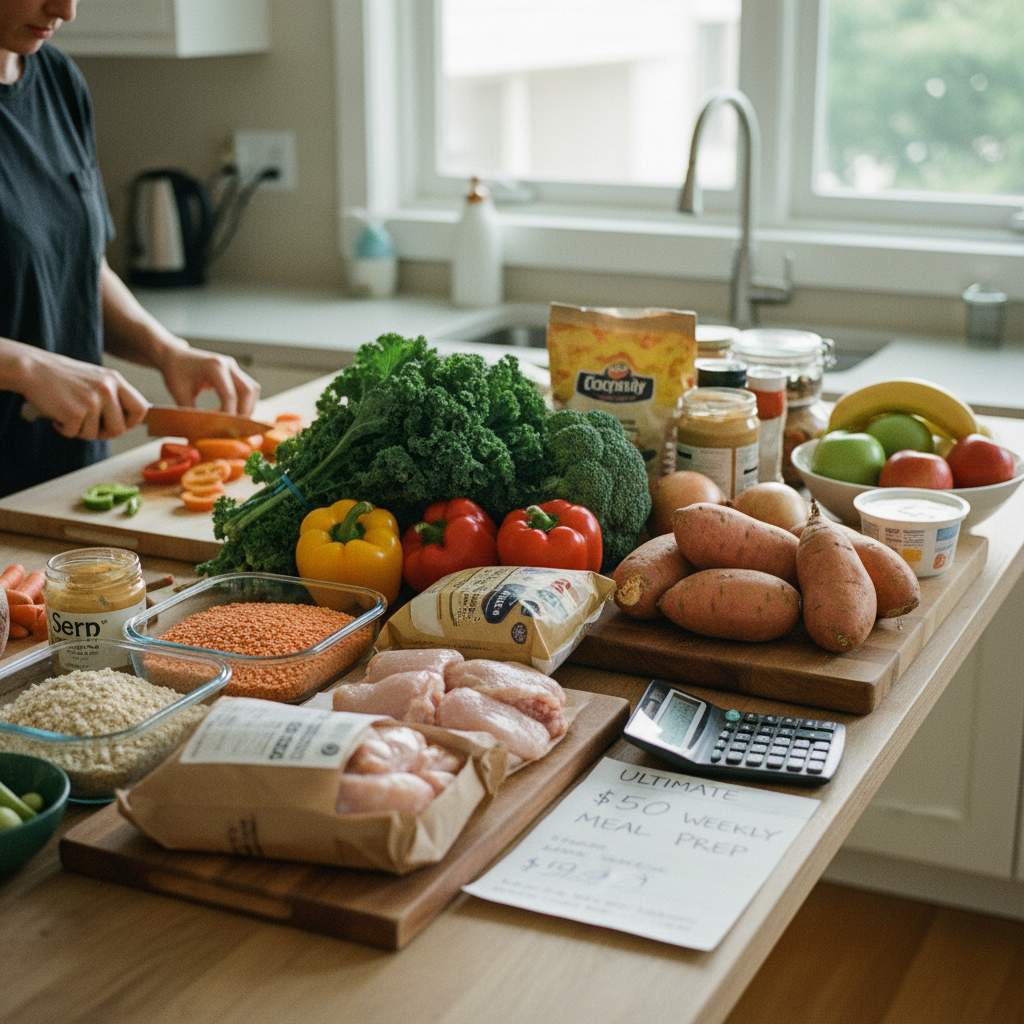
Creating a sustainable $50 weekly meal plan in 2025 is entirely possible through a strategy of high-volume filler ingredients, zero-waste cooking, and utilizing versatile base proteins. While grocery inflation has increased the average food bill, a budget of $50 for a single adult (or $100 for a couple) can yield a nutrient-dense diet by prioritizing whole foods like dry grains, seasonal root vegetables, and cost-effective proteins like eggs and chicken thighs over processed convenience items. The secret lies not in starving yourself, but in strategic “ingredient recycling,” where one core item is transformed into three different flavor profiles throughout the week.
Is a $50 Weekly Meal Plan Possible in 2025?
Despite rising food costs, you can maintain a $50 grocery budget by shifting your mindset from “recipe-based shopping” to “ingredient-based cooking.” Most shoppers overspend because they buy specific ingredients for seven unrelated recipes, leading to food waste and high costs. By purchasing versatile staples in bulk and cooking in batches, you drastically reduce the cost per calorie.
The Reality of Grocery Inflation vs. Strategic Shopping
Grocery inflation is undeniable, but it impacts processed foods more severely than whole staples. While the price of frozen pizza or pre-made sauces has skyrocketed, the price of dry lentils, oats, and carrots has remained relatively stable. Strategic shopping involves ignoring the middle aisles of the grocery store and focusing on the perimeter, where raw ingredients are sold. This plan leverages loss leaders and generic brands to keep costs down without sacrificing nutritional volume.
Who This Plan Is For: Single Adults and Tight-Budget Couples
This guide is optimized for the single adult looking to streamline their finances or a couple willing to double the quantities for a $100 total bill. It is designed for those who have access to a basic kitchen (stove, oven, fridge) and are willing to invest two hours on a Sunday for meal prep. If you are prioritizing financial savings over culinary variety, this strategic eating plan will maximize your caloric return on investment.
The 7-Day $50 Budget Meal Plan Summary
This 7-day plan revolves around a “cook once, eat varied” philosophy. You will prepare a large batch of proteins and grains at the start of the week, then assemble them differently each day to prevent palate fatigue. The menu balances carbohydrates, fats, and proteins to keep you full, utilizing eggs and oats for breakfast, and rotating chicken, beans, and rice for lunch and dinner.
Daily Menu Snapshot (Breakfast, Lunch, Dinner)
| Day | Breakfast | Lunch | Dinner |
|---|---|---|---|
| Mon | Oatmeal w/ Banana & Cinnamon | Chicken & Rice Bowl w/ Roasted Carrots | Lemon Pepper Chicken Thighs w/ Potatoes |
| Tue | Scrambled Eggs & Spinach | Leftover Chicken Rice Bowl | Fried Rice (using cold leftover rice & egg) |
| Wed | Oatmeal w/ Apple & Peanut Butter | Bean & Rice Burrito Bowl | Spiced Chickpea & Spinach Stew |
| Thu | Hard Boiled Eggs & Fruit | Leftover Chickpea Stew | Chicken & Veggie Soup (using bones/scraps) |
| Fri | Banana Pancakes (Oat flour) | Soup & Grilled Cheese (or Toast) | Vegetable Frittata (Clean-out-fridge) |
| Sat | Potato & Onion Hash w/ Egg | Egg Salad Sandwich/Wrap | Loaded Bean & Potato Bake |
| Sun | Oatmeal or Leftover Hash | “Zero Waste” Fried Rice | Leftover Buffet / Simple Pasta Aglio e Olio |
Total Cost, Calories Per Day, and Prep Time
- Total Estimated Cost: $48.50 – $52.00 (depending on region)
- Average Calories: ~1,800 – 2,000 kcal/day
- Protein Focus: ~70g – 90g/day
- Prep Time: 2 Hours (Sunday) + 15 mins daily active cooking
The Master Shopping List
To stay strictly within the $50 limit, you must stick to this list. Deviating for “nice-to-haves” like fancy beverages or specialized sauces will break the budget. Prices below are estimates based on national averages for generic store brands (e.g., Great Value, Kroger, Good & Gather).
High-Volume, Low-Cost Vegetables and Fruits
Vegetables are chosen for their shelf life and density. We avoid delicate greens like spring mix which spoil quickly.
- Bananas (1 bunch): $1.50
- Apples (3 lb bag): $4.00
- Carrots (2 lb bag): $1.50
- Yellow Onions (3 lb bag): $2.50
- Russet Potatoes (5 lb bag): $3.50
- Frozen Spinach (2 bags): $3.00
- Garlic (1 bulb): $0.50
- Total Produce: ~$16.50
Eggs, Beans, and Discount Cuts
Protein is the most expensive category. We mitigate this by using eggs and beans to supplement meat consumption.
- Chicken Thighs (Bone-in, Skin-on, Family Pack ~3-4lbs): $6.00 – $8.00 (This is the best value cut).
- Eggs (18 count or 2 dozen if on sale): $5.00
- Dry Black Beans (1 lb bag): $1.50
- Dry Chickpeas or Lentils (1 lb bag): $1.50
- Total Protein: ~$16.00
Grains and Flavor Bases
These items provide the caloric backbone of your week.
- White Rice (5 lb bag): $4.00 (You will have leftovers for next week).
- Rolled Oats (Canister): $4.00
- Bread (Whole Wheat Loaf): $2.50
- Pasta (1 box): $1.50
- Total Pantry: ~$12.00
Calculating Oil and Spice Costs
This budget assumes you already have a “survival kit” in your kitchen. If you are starting from absolute zero, you will need to add an extra $10 for the initial purchase of oil and salt.
- Assumed Inventory: Salt, Black Pepper, Cooking Oil (Vegetable or Canola), Soy Sauce, Hot Sauce.
- Buffer: The shopping list totals roughly $44.50, leaving a $5.50 buffer for tax or one luxury item (like milk, butter, or peanut butter).
Where Every Cent Goes
Understanding the economics of your plate is crucial for long-term budget adherence. When you break down the cost per meal, you realize that cooking at home is approximately 80% cheaper than the cheapest fast-food options.
Cost Per Serving Analysis
| Meal Category | Avg. Cost Per Serving | Ingredients Used |
|---|---|---|
| Oatmeal Breakfast | $0.45 | Oats, Water/Milk, Fruit |
| Egg Breakfast | $0.80 | 2 Eggs, Spinach, Toast |
| Chicken Dinner | $2.10 | Chicken Thigh, Rice, Carrots |
| Bean/Veggie Dinner | $1.25 | Beans, Rice, Onions, Spices |
| Soup (Leftovers) | $0.75 | Broth (Free), Veggies, Pasta |
This Plan vs. Fast Food Expenses
A standard “value meal” at a fast-food chain costs roughly $10 to $12 in 2025.
- Fast Food Weekly Cost: $12 x 2 meals/day x 7 days = $168.00
- Grocery Plan Weekly Cost: $50.00
- Monthly Savings: $472.00
Step-by-Step 7-Day Meal Schedule
This schedule is designed to minimize active cooking time during the week. By front-loading the work on Sunday and Monday, the rest of the week becomes a matter of reheating or quick assembly.
Monday: The Big Batch Cook (Chicken & Rice Base)
Monday is about establishing your baseline. Roast all the chicken thighs and a tray of chopped carrots and onions. Cook a large pot of rice (3-4 cups dry). Eat a fresh roasted chicken dinner, then store the rest.
- Tip: Save the chicken bones! Do not throw them away.
Tuesday: Leftover Transformation (Fried Rice & Salads)
Use the cold rice from yesterday (cold rice fries better) to make fried rice. Sauté onions, garlic, and frozen spinach, add the rice, soy sauce, and scramble two eggs into the mixture. Add chopped leftover chicken.
Wednesday: Meatless Mid-Week (Budget Bean Tacos)
Soak your black beans overnight on Tuesday. On Wednesday, boil them with garlic and half an onion. Serve as “taco bowls” over rice with sautéed peppers (if budget allowed) or simple roasted onions and carrots. Mash some beans to create a “refried” texture for variety.
Thursday: Reinventing the Roast (Soup or Hash)
Take the chicken bones from Monday and boil them with water, salt, vegetable scraps (onion skins, carrot tops) for 1 hour to make a free broth. Strain it, then add chopped potatoes, carrots, pasta, and any remaining shredded chicken for a hearty soup.
Friday: Clean-Out-The-Fridge Frittata
By Friday, you likely have random amounts of spinach, onion, and potato left. Sauté all remaining veggies in a skillet. Whisk 6-8 eggs, pour over the veggies, and bake until set. This provides dinner for Friday and lunch for Saturday.
Saturday & Sunday: Zero-Waste Weekend Meals
The weekend is for “loose ends.”
- Hash: Cube remaining potatoes and fry them with onions. Top with a fried egg.
- Pasta: Use the box of pasta with garlic and oil (Aglio e Olio) or any remaining spinach.
- Smoothies: If bananas are going brown, freeze them for smoothies or bake them into oatmeal bars.
The 2-Hour ‘Power Block’
Efficiency is key. Instead of cooking every night, perform a “Power Block” prep session on Sunday or Monday evening. This ensures you aren’t tempted to order takeout due to fatigue.
Preparation Order for Maximum Efficiency
- Preheat Oven: 400°F (200°C).
- Start Grains: Get the rice and/or dried beans boiling on the stove.
- Chop Veggies: Wash and chop all carrots, onions, and potatoes.
- Roast: Toss chicken and root veggies in oil/salt. Put them in the oven (Chicken takes ~40 mins, veggies ~30 mins).
- Prep Snacks: Boil 6 eggs for quick breakfasts/snacks.
- Wash Up: Clean dishes while the food roasts.
Keeping Ingredients Fresh for 7 Days
- Rice: Store in an airtight container. If keeping more than 3 days, freeze half the batch and microwave later.
- Greens: Keep spinach frozen until the moment of use to prevent wilting.
- Cut Veggies: Store chopped carrots/potatoes in water in the fridge to keep them crisp.
- Chicken: Keep roasted chicken on the bone until you eat it to retain moisture.
Adjusting the Plan for Specific Diets
The $50 plan is a baseline that can be modified. However, dietary restrictions often come with a “specialty tax.” Here is how to navigate that without blowing the budget.
Gluten-Free Swaps Under $5
Replace the wheat pasta and bread with Corn Tortillas and Rice Noodles.
- Strategy: Corn tortillas are often cheaper than bread ($2.00 for 30 count). Use them for tacos, breakfast tostadas, and wraps. Rice noodles can replace pasta in soups and stir-fries.
High-Protein Modifications (Without Breaking the Bank)
If you lift weights and need 150g+ of protein, the standard plan falls short.
- The Fix: Add Canned Tuna ($1.00/can) and Non-Fat Greek Yogurt (swap the milk budget or use the buffer money).
- Tip: Replace half the rice with Lentils. Lentils have significantly more protein per dollar than rice.
Building a Sustainable Budget Grocery Habit
Mastering the $50 weekly meal prep is not just about surviving a tight month; it is about building financial resilience. By embracing the “ingredients first” approach, minimizing waste, and utilizing the “pantry tax” buffer wisely, you gain control over your health and your wallet. Start this week with the master list, stick to the prep block, and watch your savings accumulate, turning a budget constraint into a lifestyle asset.
