Embarking on a high-protein ketogenic diet can be an exciting journey toward improved health and well-being. However, navigating the initial stages can be challenging. Many beginners encounter common pitfalls that can hinder their progress. This guide delves into these frequent errors, providing insights and practical solutions to help you succeed on your high-protein keto adventure.
This comprehensive overview will explore critical aspects such as macronutrient tracking, protein intake, electrolyte balance, food choices, fiber consumption, and the importance of patience and consistency. By understanding and avoiding these common mistakes, you can optimize your results and experience the full benefits of this dietary approach.
Failing to Accurately Track Macronutrients is a Frequent Beginner Error in High-Protein Keto
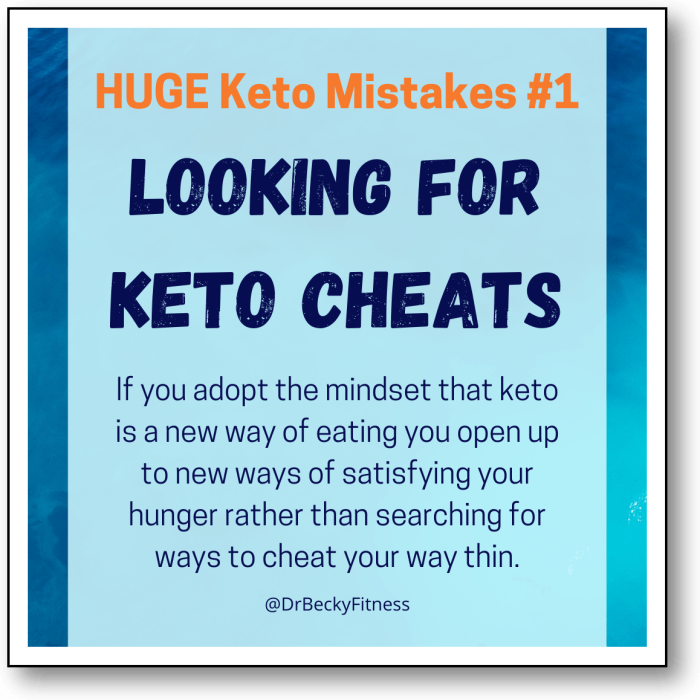
Accurate macronutrient tracking is a cornerstone of success for anyone embarking on a high-protein ketogenic diet. Without meticulously monitoring your intake of protein, fat, and carbohydrates, you’re essentially flying blind, unable to determine whether you’re truly in ketosis and achieving your health and fitness goals. This is a common pitfall for beginners, who often underestimate the impact of seemingly small deviations from their target macronutrient ratios.
The following sections will explain why precise tracking is crucial and how to effectively implement it.
Importance of Meticulous Macronutrient Tracking
The primary objective of a ketogenic diet is to shift your body’s primary fuel source from glucose (derived from carbohydrates) to ketones (produced from fat). This metabolic state, known as ketosis, requires strict adherence to specific macronutrient ratios. Typically, a high-protein ketogenic diet aims for a breakdown of approximately 60-70% of calories from fat, 20-30% from protein, and 5-10% from carbohydrates.
This precision is vital because even a small excess of carbohydrates can disrupt ketosis, hindering fat loss and other potential benefits like improved mental clarity and sustained energy levels. Protein intake also needs careful monitoring; while essential for preserving muscle mass, excessive protein can be converted into glucose through a process called gluconeogenesis, potentially impacting ketosis. Therefore, accurately tracking your macronutrients ensures you stay within the optimal range to achieve your desired results.
Neglecting this crucial step often leads to frustration, slow progress, and ultimately, discouragement.
Step-by-Step Guide to Macronutrient Tracking
Effectively tracking your macronutrients involves a combination of tools and diligent practices. Using food tracking apps, such as MyFitnessPal, Cronometer, or Carb Manager, is highly recommended due to their extensive food databases and ease of use. These apps allow you to log everything you consume, calculate your macronutrient intake, and monitor your progress over time.
- Choosing a Tracking App: Select an app that suits your preferences and dietary needs. Consider factors like user-friendliness, the size of its food database, and the ability to scan barcodes.
- Setting Your Macronutrient Goals: Determine your daily macronutrient targets based on your individual needs, activity level, and goals. Consult with a healthcare professional or a registered dietitian for personalized recommendations. A common starting point is to aim for under 20-30 grams of net carbs per day.
- Logging Your Food: Accurately measure and log all food and beverages you consume. This includes cooking oils, sauces, and even small snacks. Use a food scale to weigh your food whenever possible, as this provides the most accurate measurements. Be meticulous about entering the correct serving sizes.
- Understanding Food Labels: Pay close attention to food labels, particularly the carbohydrate content. Note the “total carbohydrates,” “dietary fiber,” and “sugar alcohols.”
- Calculating Net Carbs: Net carbs are the total carbohydrates minus the dietary fiber and sugar alcohols (which often have a minimal impact on blood sugar).
Net Carbs = Total Carbohydrates – Dietary Fiber – Sugar Alcohols (if applicable)
- Accounting for Hidden Carbs: Be aware of hidden carbs in sauces, condiments, and processed foods. Read ingredient lists carefully and factor these carbs into your daily total.
- Tracking Your Progress: Regularly review your macronutrient intake and adjust your meal plan as needed to stay within your target ranges.
- Consistency and Patience: It takes time to develop accurate tracking habits. Be patient with yourself and don’t get discouraged if you make mistakes.
Common Pitfalls of Inaccurate Tracking and Solutions
Several common errors can undermine accurate macronutrient tracking. Recognizing these pitfalls and implementing solutions can significantly improve your success on a high-protein ketogenic diet.
- Underestimating Carb Intake: A frequent mistake is underestimating the carbohydrate content of foods, particularly those with hidden carbs. For instance, a seemingly small amount of ketchup or a pre-made salad dressing can contain a surprising amount of sugar.
Solution: Always read food labels carefully, measure portion sizes precisely, and opt for low-carb alternatives whenever possible. Consider making your own sauces and dressings to control ingredients.
- Overestimating Protein Intake: Consuming too much protein can lead to gluconeogenesis, potentially kicking you out of ketosis. This is especially true for beginners.
Solution: Use a food scale to accurately measure protein portions. Prioritize moderate protein intake, focusing on lean sources. Track your protein intake closely and adjust accordingly.
- Inconsistent Logging: Skipping meals or not logging all consumed items creates significant gaps in your data, leading to inaccurate assessments of your macronutrient intake.
Solution: Make it a habit to log everything you eat and drink, even if it’s just a small snack. Log your food in real-time, immediately after consumption, to minimize errors. Develop a consistent routine.
Misunderstanding Protein Intake Needs Leads to Metabolic Challenges for Keto Newcomers
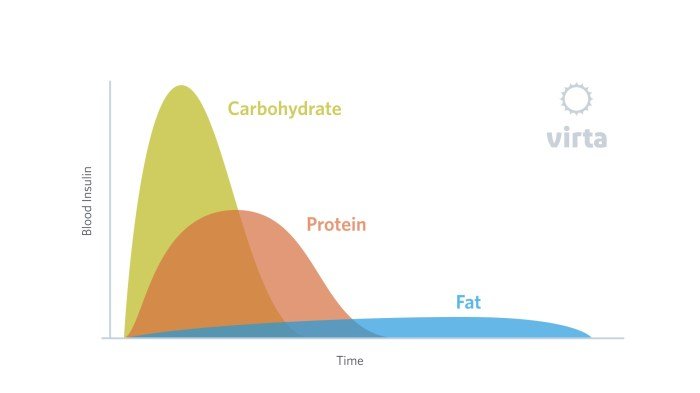
Starting a high-protein ketogenic diet requires a solid grasp of macronutrient ratios, and protein intake is often a source of confusion for beginners. Incorrect protein consumption can significantly impact the effectiveness of the diet and even lead to unwanted metabolic consequences. Achieving the right balance is crucial for success.
Protein Intake Recommendations for Beginners
Determining the appropriate protein intake is essential for maximizing the benefits of a high-protein keto diet. It’s not a one-size-fits-all approach; several factors must be considered to tailor the intake to individual needs.Protein intake is typically calculated based on lean body mass, activity level, and individual metabolic responses. A general guideline for beginners is to aim for between 0.8 to 1.0 grams of protein per pound of lean body mass.
Those with higher activity levels, such as individuals engaged in regular resistance training, may need to increase their intake to 1.0 to 1.2 grams per pound of lean body mass. It is important to remember that individual responses vary, and some people may require adjustments based on their specific goals and how their body responds. Monitoring progress and making adjustments as needed is key.The consequences of consuming too much or too little protein on a high-protein keto diet can be significant.* Too Much Protein: Excess protein can be converted into glucose through a process called gluconeogenesis, potentially kicking the body out of ketosis.
This can hinder weight loss and negate the benefits of the ketogenic diet.
Too Little Protein
Insufficient protein intake can lead to muscle loss, slower metabolism, and increased hunger. Muscle tissue is essential for metabolic health, and preserving it should be a priority.Below is a table that provides general protein intake recommendations based on activity levels.
| Activity Level | Protein Intake (per pound of lean body mass) | Example Protein Sources | Considerations |
|---|---|---|---|
| Sedentary (Minimal exercise) | 0.8 grams | Chicken breast, eggs, salmon, tofu | Focus on meeting minimum protein needs. |
| Lightly Active (1-3 workouts per week) | 0.9 grams | Lean beef, Greek yogurt, tuna, tempeh | Prioritize protein around workouts. |
| Moderately Active (3-5 workouts per week) | 1.0 grams | Whey protein, cottage cheese, turkey, edamame | Ensure adequate protein to support muscle recovery. |
| Very Active (6+ workouts per week, heavy training) | 1.1-1.2 grams | Protein supplements, lean meats, seafood, lentils | May need to track protein intake closely to ensure adequate intake for muscle growth and repair. |
Neglecting Electrolyte Balance Undermines the Keto Adaptation Process for Beginners
The ketogenic diet, particularly the high-protein variant, can significantly alter the body’s electrolyte balance. This shift is primarily due to reduced carbohydrate intake, which leads to lower insulin levels. Insulin plays a role in retaining sodium, and its decrease can cause increased sodium excretion through the kidneys. This, in turn, can affect the balance of other essential electrolytes like potassium and magnesium, impacting the keto adaptation process and overall well-being.
The Significance of Electrolyte Balance
Maintaining proper electrolyte balance is crucial for a successful and comfortable transition into ketosis. Electrolytes, including sodium, potassium, and magnesium, are vital for various bodily functions, such as nerve impulse transmission, muscle contraction, and fluid balance. When electrolyte levels become depleted, especially in the initial stages of keto, individuals often experience the “keto flu,” a collection of unpleasant symptoms that can range from mild to severe.
These symptoms are primarily caused by the body’s adaptation to using ketones for fuel and the associated electrolyte imbalances. Without adequate electrolyte intake, the body struggles to regulate these critical functions, leading to various physical discomforts and potentially hindering the body’s ability to effectively utilize ketones for energy.
Common Symptoms of Electrolyte Imbalances and Strategies for Addressing Them
Electrolyte imbalances manifest in several ways, often making the early days of keto challenging. Understanding these symptoms and implementing appropriate strategies can significantly improve the experience.
- Headaches: Often caused by sodium deficiency and dehydration.
- Strategy: Increase sodium intake by consuming salty broth, adding sea salt to meals, and drinking electrolyte-rich beverages.
- Muscle Cramps: Frequently linked to potassium and magnesium deficiencies.
- Strategy: Consume potassium-rich foods, such as avocado and spinach, and consider magnesium supplementation.
- Fatigue and Weakness: Can result from a combination of electrolyte imbalances and inadequate calorie intake.
- Strategy: Ensure sufficient sodium, potassium, and magnesium intake, and consume adequate calories from keto-friendly sources.
- Constipation: Often associated with magnesium deficiency and dehydration.
- Strategy: Increase magnesium intake through supplements or food, stay adequately hydrated, and consider consuming fiber-rich, low-carb vegetables.
- Dizziness and Lightheadedness: Frequently related to low blood pressure, often exacerbated by sodium loss.
- Strategy: Increase sodium intake, stay hydrated, and consider increasing fat intake to support energy levels.
Electrolyte-Rich Foods and Supplements
Incorporating electrolyte-rich foods and supplements is essential for supporting electrolyte balance on a high-protein keto diet.
- Sea Salt: Provides sodium and trace minerals. 1/4 teaspoon (approx. 1.5g) contains approximately 590mg sodium.
- Bone Broth: Rich in sodium, potassium, and other minerals. One cup (approx. 240ml) can contain 300-500mg sodium and varying amounts of potassium.
- Avocado: A good source of potassium and magnesium. One medium avocado (approx. 200g) contains approximately 700mg potassium and 58mg magnesium.
- Spinach: Contains potassium and magnesium. One cup cooked spinach (approx. 180g) contains approximately 840mg potassium and 157mg magnesium.
- Almonds: A source of magnesium. One ounce (approx. 28g) of almonds contains approximately 75mg magnesium.
- Magnesium Supplements: Available in various forms (e.g., magnesium citrate, glycinate). Dosage varies, but a typical starting dose is 200-400mg per day.
- Potassium Supplements: Potassium chloride supplements can help address potassium deficiencies. Dosage should be determined in consultation with a healthcare professional, as excessive potassium intake can be harmful.
Choosing Inappropriate Food Sources Hinders Nutritional Goals on High-Protein Keto for Newcomers
Selecting the right food sources is crucial for success on a high-protein ketogenic diet. Focusing on nutrient-dense, whole foods ensures optimal intake of protein, healthy fats, and the minimal carbohydrates required to maintain ketosis. Poor food choices can lead to nutritional deficiencies, hinder weight loss, and negatively impact overall health.
Protein Source Selection
Protein is the cornerstone of a high-protein keto diet, supporting muscle maintenance, satiety, and various metabolic processes. However, the quality and type of protein sources significantly impact dietary success.
| Protein Source | Nutritional Profile (per 100g) | Suitability for High-Protein Keto | Impact on Satiety |
|---|---|---|---|
| Chicken Breast | Protein: 31g, Fat: 3.6g, Carbs: 0g | Highly Suitable. Lean protein source. | High. The high protein content and minimal fat contribute to feeling full. |
| Ground Beef (80/20) | Protein: 26g, Fat: 20g, Carbs: 0g | Suitable. Provides a good balance of protein and fat. | Moderate. The fat content contributes to satiety, but portion control is essential. |
| Processed Deli Meats (e.g., Salami) | Protein: 20g, Fat: 30g, Carbs: 2g (varies) | Less Suitable. Often contains added nitrates, preservatives, and higher sodium levels. | Moderate. Fat content can provide some satiety, but the overall nutritional profile is less optimal. |
The above table provides a comparison of protein sources. Chicken breast, with its high protein and low fat content, is a highly suitable choice. Ground beef, especially with a higher fat content (80/20), provides a good balance of protein and fat, supporting the keto goals. Processed deli meats, while offering protein, often contain added ingredients that are less desirable for overall health and can contribute to inflammation.
Fat Sources: Inclusion and Avoidance
Fats are a primary energy source in a ketogenic diet, and selecting the right types is critical. Understanding which fats to embrace and which to limit or avoid is essential for achieving optimal results.Fats to Include:
- Avocados: Excellent source of monounsaturated fats, fiber, and various vitamins and minerals. (Illustration: A halved avocado with its green flesh exposed, showing the creamy texture).
- Olive Oil: Primarily monounsaturated fats, known for their heart-healthy benefits. Use for cooking and dressings. (Illustration: A bottle of olive oil with a label and a slight golden hue).
- Coconut Oil: Contains medium-chain triglycerides (MCTs), which are easily converted into ketones. (Illustration: A jar of coconut oil with a white, solid appearance).
- Fatty Fish (Salmon, Sardines): Rich in omega-3 fatty acids, crucial for brain health and reducing inflammation. (Illustration: A grilled salmon fillet with flaky texture).
- Butter and Ghee: Provide saturated fats, which are acceptable in moderation for energy. (Illustration: A pat of butter melting on a hot surface).
Fats to Avoid or Limit:
- Vegetable Oils (Soybean, Corn, Canola): Often high in omega-6 fatty acids, which can contribute to inflammation when consumed in excess. (Illustration: A bottle of vegetable oil with a clear label).
- Processed Foods: Many processed foods contain unhealthy trans fats and refined oils. (Illustration: A box of processed snack food).
- Excessive Amounts of Saturated Fats: While acceptable in moderation, excessive intake can potentially raise LDL cholesterol in some individuals. (Illustration: A close-up of a cut of marbled beef).
The body processes different fats in unique ways. Saturated fats, such as those found in butter and coconut oil, provide energy and can support ketone production. Monounsaturated fats, from sources like avocados and olive oil, are generally considered heart-healthy. Polyunsaturated fats, especially omega-3 fatty acids from fish, are crucial for overall health. Avoiding or limiting trans fats and excessive omega-6 fatty acids from processed foods and certain vegetable oils is essential to reduce inflammation and optimize the diet’s health benefits.
Overlooking Fiber Intake Creates Digestive Issues for Beginners on High-Protein Keto
The high-protein ketogenic diet, while effective for weight loss and metabolic health, can present unique challenges for beginners, particularly concerning digestive health. One crucial aspect often overlooked is fiber intake. Fiber plays a vital role in maintaining gut health, ensuring regularity, and supporting overall well-being. Its absence can lead to a range of uncomfortable digestive issues that can hinder adherence to the diet and negatively impact the keto adaptation process.
The Significance of Fiber in High-Protein Keto
Fiber is a type of carbohydrate that the body cannot digest, making it a crucial component of a healthy diet, particularly on keto. It promotes healthy digestion by adding bulk to the stool, preventing constipation. Fiber also feeds beneficial gut bacteria, contributing to a balanced gut microbiome, which is essential for nutrient absorption, immune function, and overall health. Furthermore, fiber can help regulate blood sugar levels and promote satiety, aiding in weight management.
In the context of a high-protein keto diet, where carbohydrate intake is severely restricted, consciously incorporating fiber-rich, low-carb foods becomes even more critical.
High-Fiber, Low-Carb Food Sources for High-Protein Keto
A variety of foods are both high in fiber and low in net carbohydrates (total carbohydrates minus fiber), making them suitable for the high-protein keto diet.
- Avocado: One medium avocado provides approximately 10 grams of fiber.
- Broccoli: One cup of cooked broccoli contains around 5 grams of fiber.
- Spinach: One cup of cooked spinach offers about 4 grams of fiber.
- Chia Seeds: Two tablespoons of chia seeds provide roughly 10 grams of fiber.
- Flax Seeds: Two tablespoons of flax seeds contain about 4 grams of fiber.
- Raspberries: One cup of raspberries offers approximately 8 grams of fiber.
Common Digestive Issues and Solutions
Insufficient fiber intake on a high-protein keto diet can lead to several digestive problems.
- Constipation: This is a frequent complaint. To combat constipation, increase fiber intake through the foods listed above. Staying well-hydrated is also crucial, as water helps fiber move through the digestive system. Consider adding a fiber supplement, such as psyllium husk, after consulting with a healthcare professional.
- Bloating and Gas: These issues can arise from changes in gut bacteria composition due to dietary shifts. Gradually increasing fiber intake can help the gut adjust. Avoiding processed foods and artificial sweeteners, which can also contribute to bloating, is also advisable. Incorporating probiotic-rich foods or supplements may also be beneficial.
- Changes in Bowel Habits: Beginners may experience either constipation or diarrhea. This is often a temporary adjustment as the body adapts to the new diet. Ensuring adequate fiber and water intake can help regulate bowel movements. If problems persist, consult with a healthcare professional to rule out other underlying issues.
Lacking Patience and Consistency Impedes Success for High-Protein Keto Beginners
Embarking on a high-protein ketogenic diet requires a significant shift in dietary habits, and, as with any lifestyle change, success is rarely instantaneous. Patience and consistency are paramount for achieving desired outcomes, and understanding the adaptation phase is crucial for managing expectations and staying motivated.
The Importance of Patience and Consistency
The human body doesn’t adapt to a new metabolic state overnight. The transition into ketosis, where the body primarily utilizes fat for fuel instead of glucose, can take several days or even weeks. During this adaptation phase, individuals may experience what is commonly referred to as the “keto flu,” characterized by fatigue, headaches, and other flu-like symptoms. It is vital to recognize that these symptoms are often temporary and a normal part of the process.
Expecting rapid results and becoming discouraged by initial challenges can lead to abandoning the diet prematurely. Consistency, on the other hand, involves adhering to the dietary guidelines regularly. This includes consistently monitoring macronutrient intake, particularly protein, fat, and carbohydrate ratios, and consuming the appropriate types of foods. Skipping meals, deviating from the plan, or sporadically adhering to the diet can hinder the body’s ability to enter and maintain ketosis, thus slowing progress.
Consistency is key to allowing the body to adapt fully and experience the benefits of the diet, such as weight loss, improved energy levels, and enhanced mental clarity.
Strategies for Staying Motivated and Consistent
Maintaining motivation and consistency requires a proactive approach. Implementing these strategies can greatly enhance the likelihood of long-term success.
- Goal Setting: Setting realistic, measurable, achievable, relevant, and time-bound (SMART) goals provides a clear roadmap. For instance, instead of setting a vague goal like “lose weight,” set a goal such as “lose 2 pounds per week for the next month.” This creates a tangible target and allows for tracking progress.
- Meal Planning: Planning meals in advance reduces the likelihood of making impulsive, unhealthy food choices. Meal planning involves selecting recipes, creating a grocery list, and preparing meals ahead of time. This proactive approach helps to stay within the required macronutrient ranges and ensures a consistent dietary pattern.
- Finding Support: Joining online communities or seeking support from friends and family can provide encouragement, accountability, and a sense of community. Sharing experiences, asking questions, and receiving support from others who are on a similar journey can be invaluable in staying motivated and overcoming challenges. Consider joining online forums or social media groups dedicated to high-protein keto for support.
Encouraging Words for High-Protein Keto Beginners:
“Embrace the journey, not just the destination. The keto adaptation phase can be challenging, but it’s temporary. Stay consistent with your food choices, and your body will adjust. Celebrate small victories, and don’t be discouraged by setbacks; they are opportunities to learn and adjust. Remember, you are building a new lifestyle, not just following a diet.
Be patient with yourself, and trust the process. You’ve got this!”
Last Recap
In conclusion, mastering the high-protein ketogenic diet involves careful attention to detail and a commitment to learning. By understanding the common mistakes and implementing the strategies Artikeld, beginners can overcome initial challenges and pave the way for sustainable success. Remember to be patient, stay consistent, and celebrate your progress along the way. With the right knowledge and approach, you can achieve your health and fitness goals on this effective dietary path.
Questions and Answers
What is the difference between a standard keto diet and a high-protein keto diet?
A standard keto diet typically focuses on a higher fat intake, moderate protein, and very low carbohydrates. High-protein keto, however, increases protein intake while keeping carbs low and fat moderate, potentially supporting muscle mass and satiety.
How do I calculate my protein needs on a high-protein keto diet?
Protein needs vary based on factors such as activity level, body composition, and goals. A general guideline is to aim for 0.8 to 1.0 grams of protein per pound of lean body mass. Consulting with a healthcare professional or a registered dietitian is recommended.
Can I eat too much protein on a high-protein keto diet?
Yes, consuming excessive protein can potentially lead to gluconeogenesis, where the body converts protein into glucose. This can kick you out of ketosis. It’s crucial to find the right balance for your body.
What are some good sources of fat on a high-protein keto diet?
Healthy fats include avocados, olive oil, coconut oil, nuts, seeds, and fatty fish like salmon. It’s essential to prioritize whole, unprocessed sources of fat.
How long does it take to see results on a high-protein keto diet?
Results vary depending on individual factors, but many people start to see changes within a few weeks. Consistency with the diet and tracking progress are key. Be patient and don’t get discouraged by initial fluctuations.
