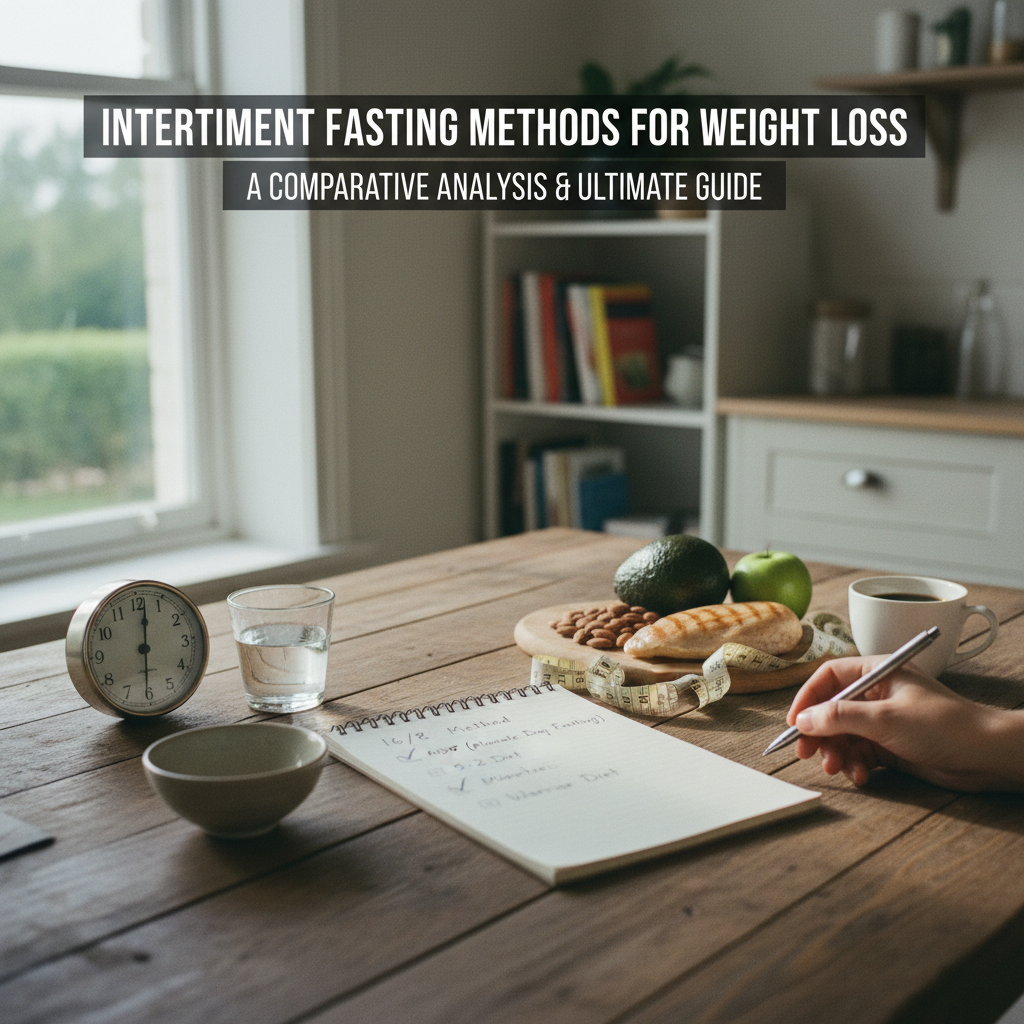
Unlocking Metabolic Flexibility
- Intermittent Fasting (IF) is not a diet but a metabolic timing strategy that cycles between periods of eating and fasting to trigger metabolic switching. The most effective method for sustainable weight loss is the 16/8 protocol, while Alternate Day Fasting (ADF) generally yields the fastest short-term fat loss results. By depleting glycogen stores and lowering insulin levels, IF forces the body to utilize stored body fat for energy through a process known as ketosis*, improving metabolic flexibility without necessarily requiring caloric counting.
Defining Intermittent Fasting Beyond the Diet Label
Unlike traditional dieting, which focuses strictly on macronutrients or calorie deficits, Intermittent Fasting focuses entirely on meal timing. It is an ancestral pattern of eating that aligns with the body’s natural circadian rhythms.
When you fast, you are not starving; you are giving your digestive system a rest. This pause allows the body to shift energy resources from digestion to cellular repair (autophagy) and hormonal regulation.
Why Timing Matters as Much as Ingredients
The core thesis of IF is that when you eat dictates how your body processes fuel. Eating constantly keeps insulin levels high, locking away fat stores.
Fasting creates a window of low insulin, which acts as the biological key to unlocking fat cells. Therefore, optimizing your eating window is as critical for weight loss as the quality of the food on your plate.
Which Fasting Method is Best for Weight Loss?
Determining the “best” fasting method depends entirely on your specific goals: rapid fat loss versus long-term sustainability. For the vast majority of individuals, the 16/8 method is superior because it balances effective fat oxidation with high social adherence.
However, for those strictly seeking the most rapid reduction in body mass index (BMI), Alternate Day Fasting creates the largest weekly calorie deficit.
Adherence vs. Biology
While biology favors longer fasts for deep ketosis, human behavior favors routine. The best fasting schedule is the one you can stick to for six months or longer.
Studies consistently show that while extreme protocols like OMAD (One Meal A Day) produce dramatic initial results, they often lead to burnout. The 16/8 method offers a “sweet spot” where you gain the hormonal benefits of fasting without the intense psychological pressure of prolonged deprivation.
Key Takeaways for Weight Loss Success
- Best for Beginners: 16/8 Method (Skip breakfast).
- Best for Rapid Fat Loss: Alternate Day Fasting (ADF).
- Best for Discipline: OMAD (One Meal A Day).
- Crucial Rule: Calorie quality still matters; you cannot out-fast a bad diet.
The Science of Metabolic Switching
Metabolic switching is the physiological transition from utilizing glucose (sugar) to utilizing fatty acids and ketones for energy. This switch typically flips after 12 to 14 hours of fasting, making the duration of your fast critical.
Once the liver’s glycogen is depleted, the body must source energy elsewhere. This leads to lipolysis, the breakdown of fats, which is the primary driver of weight loss during IF.
Calorie Restriction vs. Hormonal Optimization
Standard diets rely on Calorie Restriction (CR), which often slows down the metabolic rate as the body adapts to scarcity. Intermittent Fasting works via Hormonal Optimization.
By pulsing cortisol and noradrenaline during the fasting window, IF can actually increase metabolic rate in the short term. Furthermore, low insulin levels prevent the body from “defending” its set body weight, making weight loss feel less like a battle against your own biology.
Is IF Better than Standard Dieting?
Recent clinical trials indicate that while IF and continuous calorie restriction result in similar weight loss over 12 months, IF demonstrates superior retention of lean muscle mass.
Muscle tissue is metabolically active and essential for keeping weight off long-term. Additionally, IF shows greater improvements in insulin sensitivity and cardiovascular markers compared to standard calorie counting alone.
The 16/8 Method: The Best Schedule for Beginners
The 16/8 method involves fasting for 16 hours and restricting your daily eating window to 8 hours. This is widely considered the entry-level gold standard for intermittent fasting.
Most people achieve this by simply skipping breakfast and consuming their first meal at noon, then finishing their last meal by 8:00 PM.
Understanding the Leangains Protocol
Popularized by Martin Berkhan, the Leangains protocol is a specific variation of 16/8 designed for gym-goers. It emphasizes nutrient timing, specifically centering the highest carbohydrate intake around workouts.
This protocol suggests that to maximize fat loss and muscle retention, protein intake should remain high, and the fasting window should remain strict. It transforms the 16/8 structure from a passive eating schedule into an active tool for body recomposition.
Sample 16/8 Meal Plan for Weight Loss
- 12:00 PM (Break Fast): Grilled chicken salad with avocado, olive oil, and leafy greens (High protein, healthy fats).
- 3:30 PM (Snack): Greek yogurt with berries or a handful of almonds.
- 7:30 PM (Dinner): Baked salmon with asparagus and quinoa.
- 8:00 PM: Fasting window begins. Water and tea only.
The 5:2 Diet: Strategic Weekly Calorie Reduction
The 5:2 diet is less about a daily window and more about weekly calorie cycling. You eat normally for five days of the week and restrict calories significantly for two non-consecutive days.
This method is excellent for those who struggle with daily restrictions and prefer a “part-time” dieting approach.
How to Structure Your 500-Calorie Days
On the two “fasting” days, men are generally limited to 600 calories and women to 500 calories. It is crucial to consume nutrient-dense foods to avoid hunger pangs.
Focus on high-volume, low-calorie foods like fibrous vegetables and lean proteins. A typical fast day might include two meals: a 200-calorie boiled egg breakfast and a 300-calorie grilled fish dinner.
5:2 Diet vs 16/8 Intermittent Fasting
- Flexibility: 5:2 offers more social flexibility on non-fasting days.
- Consistency: 16/8 builds a stronger daily habit and stabilizes hunger hormones more effectively.
- Results: Both lead to weight loss, but 16/8 typically reports better long-term adherence rates due to the lack of “starvation days.”
OMAD and Alternate Day Fasting
For those who have plateaued or are seeking aggressive results, advanced protocols compress the eating window further or extend the fasting duration. These methods require significant mental discipline and electrolyte management.
OMAD Intermittent Fasting Results for Fat Loss
- OMAD (One Meal A Day)* involves a 23:1 fasting-to-eating ratio. You consume your entire daily caloric intake within one hour.
This creates a massive insulin trough that lasts nearly 23 hours, maximizing fat oxidation. However, users must be careful to consume enough protein in that single meal to prevent muscle loss.
Benefits of Alternate Day Fasting for Rapid Weight Loss
- Alternate Day Fasting (ADF)* involves fasting for a full 24 hours every other day. Studies suggest this method produces the most rapid weight loss among fasting protocols.
ADF can reduce body weight by 3–8% over a period of 3–24 weeks. The intense caloric deficit is balanced by “feast days,” which helps keep the metabolic rate from plummeting.
The Warrior Diet and Spontaneous Skipping
The Warrior Diet, created by Ori Hofmekler, operates on a 20:4 schedule. It involves undereating raw fruits and vegetables during the day and feasting on a large meal at night.
Spontaneous Meal Skipping is a less structured approach where you skip meals when you are not hungry or too busy. This is “intuitive fasting,” essentially mimicking the erratic eating patterns of our ancestors.
Comparative Analysis of Fasting Protocols
To help you choose the right path, we have analyzed the four most popular methods based on difficulty, speed of weight loss, and long-term sustainability.
Method vs. Difficulty vs. Expected Results
| Method | Difficulty | Weight Loss Speed | Sustainability | Best For |
|---|---|---|---|---|
| 16/8 | Low | Moderate | High | Beginners & Lifestyle |
| 5:2 Diet | Medium | Moderate | Medium | flexible Dieters |
| OMAD | High | Fast | Low | Breaking Plateaus |
| ADF | Very High | Very Fast | Low | Short-term Rapid Loss |
Intermittent Fasting for Women
Women must approach intermittent fasting with caution due to the sensitivity of the reproductive system to energy signals. The female body is evolutionarily wired to preserve fat stores for potential pregnancy.
Aggressive fasting can disrupt Kisspeptin production, a regulator of GnRH, potentially leading to menstrual irregularities.
Navigating Hormonal Changes and Cycle Phasing
Women may benefit from a gentler approach, such as Crescendo Fasting (fasting on non-consecutive days) or a 14/10 window.
During the luteal phase (the week before menstruation), the body requires more energy and is less insulin sensitive. It is often recommended to stop fasting or widen the eating window during this week to reduce cortisol stress.
Is Intermittent Fasting Effective for Women’s Weight Loss?
Yes, it is highly effective, provided it is not overly aggressive. Studies show women lose weight effectively on IF, but they may need to monitor thyroid function and reproductive health more closely than men.
If you experience hair loss, missed periods, or extreme fatigue, it is a sign to widen your eating window immediately.
How to Start Intermittent Fasting
Starting IF is simple, but execution requires preparation. Most people fail because they mistake dehydration for hunger.
Hydration and Electrolytes
- Water: Drink 2 glasses immediately upon waking.
- Salt: Add a pinch of sea salt to your water to maintain electrolyte balance.
- Coffee/Tea: Black coffee and herbal teas are permitted and act as appetite suppressants.
- Goal: Push your first meal back by 2 hours initially, working up to the full 16 hours over a week.
What Foods Break a Fast for Weight Loss? (The DOs and DON’Ts)
How you break your fast determines your glucose response for the rest of the day.
- DO Break With: Lean protein, bone broth, or healthy fats (avocado, eggs). This stabilizes insulin.
- DON’T Break With: High-sugar carbs, pastries, or juice. This causes a massive insulin spike and immediate fat storage.
Headaches and Cravings
Headaches during the first week are almost always due to electrolyte deficiency, specifically sodium and magnesium.
Cravings are usually psychological. They come in waves that last about 20 minutes. Drinking sparkling water or taking a short walk can help you “surf the urge” until it passes.
Fueling Your Eating Window
Intermittent Fasting is not a license to binge on junk food. Because you are eating fewer meals, the nutrient density of those meals must be higher.
Prioritizing Protein and Fiber with Weight Loss Recipes
Protein is the most satiating macronutrient. Aim for at least 0.8g to 1g of protein per pound of lean body mass. Fiber is essential for gut health and keeps you full during the fasting window.
Focus on whole foods: meat, fish, eggs, vegetables, fruits, nuts, and seeds. Processed foods hijack your hunger signals and make the next day’s fast significantly harder.
Healthy Meal Inspiration from Recipemag.co
For those struggling with meal ideas, prioritizing high-protein, low-glycemic recipes is key. Resources like Recipemag.co offer curated lists of meals specifically designed to support the metabolic demands of an intermittent fasting lifestyle.
Look for recipes that combine complex carbohydrates with robust protein sources to ensure sustained energy release.
Choosing Sustainability Over Speed
The “best” intermittent fasting method is ultimately the one that integrates seamlessly into your life. While ADF and OMAD offer speed, the 16/8 method offers a sustainable lifestyle change that can be maintained for years.
Success in weight loss is not defined by how fast you drop the pounds, but by whether you can keep them off. Treat Intermittent Fasting as a tool for long-term metabolic health, listen to your body’s signals, and prioritize consistency over intensity.
