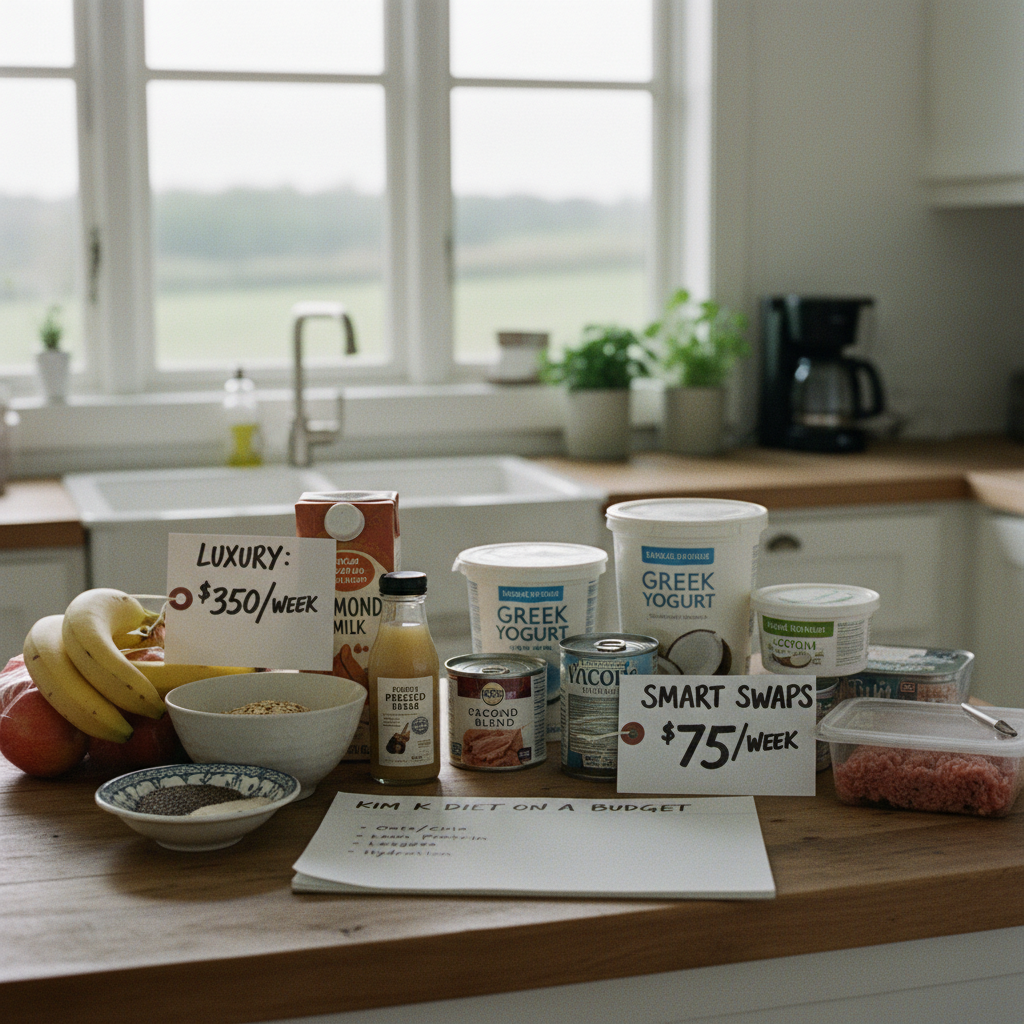
Replicating Kim Kardashian’s low-carb, high-protein diet, often inspired by the Atkins 40 framework, is entirely achievable on a budget by focusing on smart, cost-effective ingredient swaps, embracing home cooking, and leveraging grocery shopping strategies. You don’t need a private chef or premium organic labels to nourish your body with similar macronutrient profiles; instead, prioritize bulk purchases, seasonal produce, and affordable protein sources like eggs, chicken, and canned fish to achieve significant daily and monthly savings.
The Short Answer: How to Replicate Kim K’s Diet for Less
Eating like Kim K without the celebrity price tag boils down to strategic ingredient choices and mindful meal preparation. The core of her diet emphasizes lean proteins, healthy fats, and non-starchy vegetables, minimizing refined carbs and sugars. To make this affordable, swap expensive cuts of meat and exotic produce for their budget-friendly counterparts, utilize frozen options, and commit to batch cooking. This approach not only saves money but also ensures consistent adherence to the diet’s principles without compromise.
Key Takeaways: Kim K Diet Cost Analysis Budget
Adopting a celebrity-inspired diet doesn’t have to break the bank. A careful cost analysis reveals that significant savings are possible when replicating Kim K’s dietary style. The key is understanding where to economize without sacrificing nutritional quality.
- Smart Swaps: Replacing premium ingredients with budget-friendly alternatives is the cornerstone of an affordable Kim K diet.
- Bulk Buying: Purchasing staples like eggs, frozen vegetables, and certain proteins in larger quantities dramatically reduces unit costs.
- Meal Prep: Preparing meals in advance minimizes food waste and prevents expensive last-minute takeout decisions.
- Seasonal & Local: Opting for seasonal produce from your local grocery store or farmer’s market offers better prices and freshness.
Expert Analysis: Breaking Down the Atkins 40 Framework
Kim Kardashian’s diet often aligns with principles similar to the Atkins 40 plan, a controlled carbohydrate approach designed for sustainable weight management. This framework emphasizes a balanced intake of protein, healthy fats, and a moderate amount of net carbs, typically around 40 grams per day, derived primarily from nutrient-dense vegetables. Understanding the core tenets of this plan reveals how its nutritional goals can be met without excessive spending.
Macronutrient Goals and Nutritional Realities
The Atkins 40 diet prioritizes a high intake of protein and healthy fats to promote satiety and support muscle maintenance, while carefully controlling carbohydrate intake. This typically means focusing on lean meats, fish, eggs, nuts, seeds, and an abundance of non-starchy vegetables. The nutritional reality is that these macronutrient goals can be met with a wide array of ingredients, not just the most expensive ones.
Why You Do Not Need a Private Chef
Many assume a diet like Kim K’s requires a private chef due to its perceived complexity or need for specialized ingredients. This is a misconception. The underlying principles—portion control, lean protein, healthy fats, and low-carb vegetables—are straightforward. With basic cooking skills and a well-stocked pantry, anyone can prepare meals that fit these guidelines, eliminating the need for costly external services.
Data Breakdown: High-End vs. Budget Cost Comparison Table
Understanding the financial impact of your food choices is crucial for budget replication. This table illustrates the potential savings when opting for budget-friendly alternatives over premium ingredients often associated with celebrity diets. Prices are estimates and can vary by local market and sales. By making conscious choices, the financial impact becomes clear, revealing significant potential for savings.
| Category | High-End Item (Avg. Cost) | Budget Swap (Avg. Cost) | Daily Savings (per item) |
|---|---|---|---|
| Protein | Wild-Caught Salmon ($15/lb) | Canned Tuna/Chicken ($2/can) | $13.00 (per serving equivalent) |
| Produce | Organic Berries ($7/pint) | Frozen Mixed Berries ($4/bag) | $3.00 (per serving equivalent) |
| Fats | Avocado Oil ($12/bottle) | Olive Oil ($8/bottle) | $0.15 (per serving) |
| Snack | Keto Protein Bar ($3.50/ea) | Hard-Boiled Egg ($0.50/ea) | $3.00 |
Daily and Monthly Savings Projections
By consistently making these budget-conscious swaps, the daily savings quickly accumulate. Imagine saving an average of $15-$20 per day on core ingredients. This translates to substantial monthly savings projections.
- Daily Savings: $15-$20 (conservative estimate based on key swaps).
- Weekly Savings: $105-$140.
- Monthly Savings: $450-$600.
The Long-Term Financial Impact of Smart Swapping
The long-term financial impact of smart swapping extends beyond just groceries. The money saved can be redirected towards other financial goals, such as investments, debt reduction, or even a wellness fund for gym memberships or supplements. It fosters a sustainable approach to both health and personal finance, proving that a celebrity-style diet doesn’t equate to financial strain.
Affordable Kim K Diet Swaps for Everyday Shoppers
Making the Kim K diet accessible for everyday shoppers means knowing where to make smart substitutions. These swaps maintain the nutritional integrity of the diet while significantly reducing costs. Focus on whole, unprocessed foods that are naturally low in carbohydrates and high in essential nutrients. These practical substitutions allow you to maintain nutritional quality while drastically cutting down on expenses.
Protein Swaps: Replacing Premium Seafood with Cost-Effective Alternatives
While premium seafood like wild-caught salmon and scallops are excellent protein sources, they can be costly. Numerous cost-effective alternatives provide the same high-quality protein without the hefty price tag.
- Canned Tuna or Salmon: Excellent sources of protein and omega-3s. Buy in water or olive oil.
- Chicken Thighs or Drumsticks: Often cheaper than breasts and richer in flavor, perfect for roasting or grilling.
- Eggs: One of the most versatile and affordable protein sources. Great for breakfast, lunch, or a quick snack.
- Ground Turkey or Beef (leaner cuts): Versatile for stir-fries, meatballs, or lettuce wraps.
- Lentils and Beans (in moderation for carb count): While higher in carbs, a small portion can add protein and fiber to a budget meal.
Produce Swaps: Maximizing Nutrition with Frozen and Seasonal Veggies
Fresh organic produce can be expensive, especially out of season. Maximizing nutrition on a budget involves smart choices in the produce aisle.
- Frozen Vegetables: Broccoli, spinach, cauliflower, and mixed greens are often cheaper than fresh, just as nutritious, and last much longer.
- Seasonal Vegetables: Shop for what’s in season at your local grocery store or farmer’s market. Examples include zucchini and bell peppers in summer, or cabbage and root vegetables in winter.
- Canned Vegetables (no sugar added): Green beans, diced tomatoes, and artichoke hearts can be budget-friendly staples.
Snack Swaps: DIY Low-Carb Options Over Pricey Brands
Pre-packaged low-carb or “keto” snacks often come with a premium price. Creating DIY low-carb options at home is far more economical and allows for control over ingredients.
- Hard-boiled Eggs: Perfect protein-packed snack.
- Nuts and Seeds: Almonds, walnuts, chia seeds, and pumpkin seeds offer healthy fats and fiber (portion control is key due to calorie density).
- Cheese Sticks or Cubes: A simple, satisfying low-carb snack.
- Celery Sticks with Nut Butter: A classic, budget-friendly combo.
- Homemade “Fat Bombs”: Simple mixtures of coconut oil, nut butter, and a touch of unsweetened cocoa powder.
Kim K Diet Grocery List Budget Friendly
A well-planned budget-friendly grocery list is the secret weapon for replicating Kim K’s diet affordably. This list focuses on staples and weekly fresh items that support a low-carb, high-protein eating plan without overspending. A strategic grocery list is fundamental to achieving celebrity-level nutrition on a budget.
Pantry Staples to Buy in Bulk
Buying these items in bulk helps reduce the overall cost and ensures you always have the essentials on hand. Look for sales at your local supermarket or warehouse clubs.
- Oils: Olive oil, coconut oil, avocado oil (if budget allows, otherwise stick to olive).
- Canned Goods: Tuna (in water or oil), salmon, chicken, diced tomatoes (no sugar added), green beans.
- Frozen Produce: Broccoli florets, cauliflower rice, spinach, mixed berries.
- Dried Goods: Almonds, walnuts, chia seeds, flax seeds (for healthy fats/fiber).
- Spices & Herbs: Buy in larger containers to save money in the long run.
- Vinegars: Apple cider vinegar, white vinegar.
Weekly Fresh Produce and Protein Haul
These items are best bought fresh weekly to ensure quality and freshness. Focus on what’s seasonal and on sale at your local grocery store.
- Proteins: Large carton of eggs, chicken thighs/breasts, ground turkey/beef.
- Leafy Greens: Spinach, kale, romaine lettuce (for salads and wraps).
- Non-Starchy Vegetables: Zucchini, bell peppers, cucumbers, celery, mushrooms, onions.
- Low-Carb Fruits (in moderation): Avocados, small amounts of berries (if fresh and on sale).
- Dairy/Alternatives: Greek yogurt (plain, full-fat), cottage cheese, unsweetened almond milk.
Cheap Meal Prep for Kim K Diet
Meal prepping is the ultimate strategy for adhering to a specific diet on a budget, and the Kim K diet is no exception. It reduces food waste, saves time during the week, and prevents impulse food purchases. Effective meal preparation is key to both saving money and consistently adhering to the diet’s guidelines.
Budget Friendly Recipes Inspired by Kim K
These recipes are simple, delicious, and align with the low-carb, high-protein principles of the Kim K diet. They utilize affordable ingredients and are easy to scale for batch cooking.
- Sheet Pan Chicken & Veggies: Chicken thighs (or breasts) roasted with broccoli, bell peppers, and zucchini, seasoned with olive oil and spices.
- Big Batch Egg Muffins: Whisked eggs with chopped spinach, onions, and a sprinkle of cheese, baked in muffin tins for quick grab-and-go breakfasts.
- Tuna Salad Lettuce Wraps: Canned tuna mixed with mayo (or Greek yogurt), celery, and herbs, served in crisp lettuce cups.
- Ground Turkey Stir-Fry (no rice): Ground turkey cooked with a medley of frozen stir-fry vegetables, seasoned with soy sauce (or tamari) and ginger.
- Cauliflower Rice Bowls: Cooked cauliflower rice topped with a lean protein (chicken, ground beef) and sautéed non-starchy vegetables.
Batch Cooking Strategies for Busy Schedules
- Batch cooking* is essential for making the Kim K diet sustainable on a budget, especially for those with busy schedules. Dedicate a few hours on a weekend to prepare components or entire meals.
- Cook Proteins in Bulk: Roast a whole chicken, grill several chicken breasts, or cook a large batch of ground meat.
- Chop Vegetables Ahead: Pre-chop veggies for salads, stir-fries, or roasting.
- Prepare Dressings/Sauces: Make low-carb dressings or sauces to last the week.
- Portion Control: Divide cooked meals into individual containers for easy grabbing throughout the week.
- Utilize Your Freezer: Freeze portions of cooked meals like chili, soups, or even cooked proteins for future use.
What Are Affordable Alternatives to Kim K Diet Delivery Services?
While convenient, celebrity diet delivery services come with a premium price tag. You can achieve the same dietary goals without the expense by focusing on home-based solutions and smart shopping. This approach gives you full control over ingredients and costs. Beyond grocery store savings, there are numerous ways to economize on meals that align with Kim K’s diet.
Recreating Expensive Restaurant Meals at Home
Many popular low-carb, high-protein dishes served in restaurants can be easily recreated at home for a fraction of the cost. Think about the core components: a protein, a non-starchy vegetable, and a healthy fat.
- Steak & Asparagus: Instead of a pricey steakhouse, buy a good quality cut of steak from your local butcher or supermarket, pan-sear it, and serve with steamed or roasted asparagus.
- Chicken Caesar Salad (no croutons): Make your own dressing with olive oil, lemon, and Parmesan, then top with grilled chicken and romaine lettuce.
- Shrimp Scampi (with zucchini noodles): Swap pasta for zucchini noodles and make a simple garlic butter sauce with affordable shrimp.
How to Do Kim K Diet Cheaply Using Grocery Cash-Back Apps
Leveraging technology can significantly reduce your grocery bill when following the Kim K diet. Grocery cash-back apps offer rebates on everyday purchases, making your budget go further.
- Ibotta: Scan your receipts for cash back on specific items, including fresh produce and pantry staples.
- Fetch Rewards: Scan any grocery receipt to earn points that can be redeemed for gift cards.
- Checkout 51: Offers weekly deals on groceries, often including healthy options.
- Store-Specific Apps: Many local grocery stores have their own apps with digital coupons and personalized offers. Always check these before you shop.
Conclusion: Sustainable Celebrity Wellness
Replicating Kim K’s diet on a budget is not only feasible but also a testament to the fact that healthy eating doesn’t require a celebrity income. By embracing affordable swaps, mastering meal prep, and utilizing smart shopping strategies like bulk buying and cash-back apps, anyone can achieve similar nutritional goals. This approach fosters sustainable celebrity wellness, proving that mindful eating and financial prudence can go hand-in-hand, leading to long-term health benefits and a healthier bank account.
