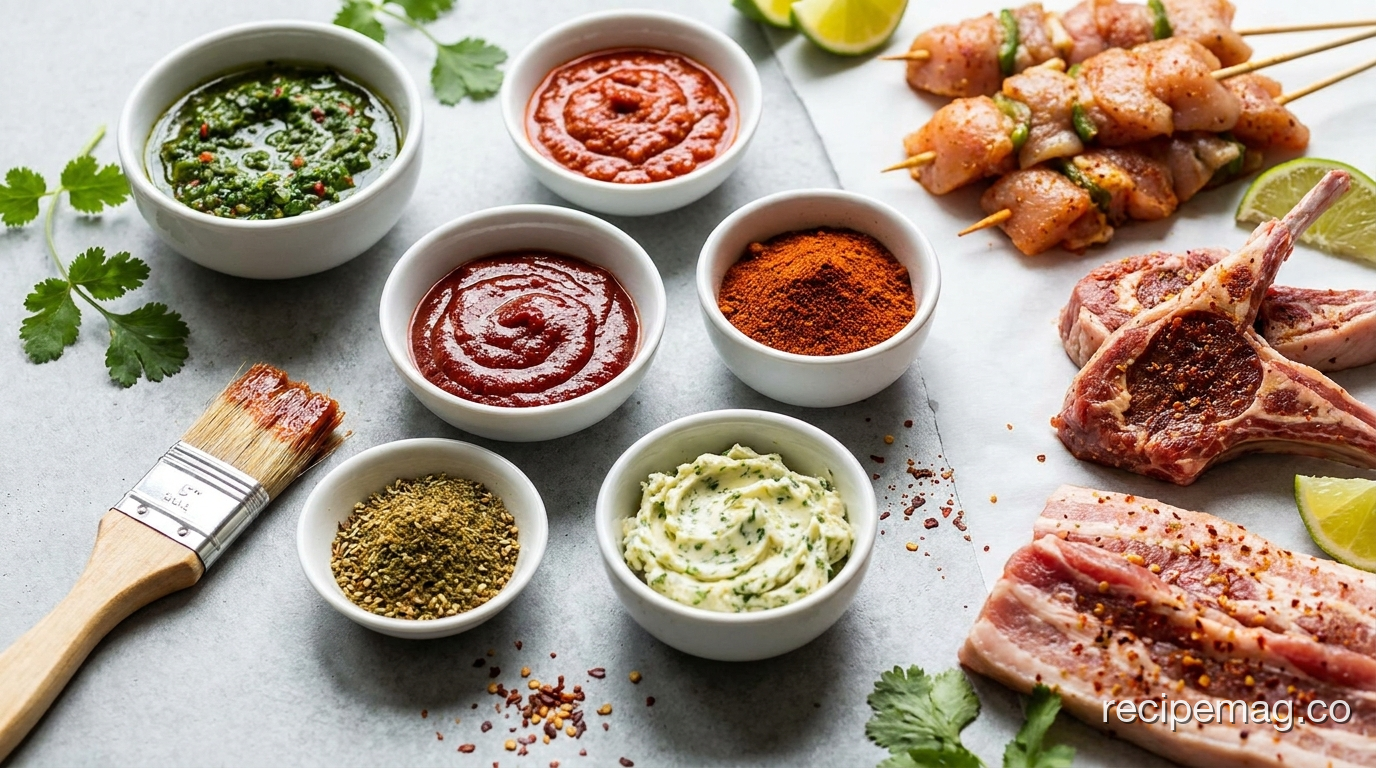
Great grilled flavor starts long before the fire. Marinades and rubs are the two levers that separate flat, gray meat from something people remember, and the science behind them is well understood. Acid and salt in a marinade reshape the surface of protein, while a dry rub builds a seasoned, browned crust. According to USDA food-safety guidance, a proper marinade should work in the refrigerator, never on the counter, because bacteria multiply fastest between 40°F and 140°F (USDA FSIS, 2023). Master both, and every cut off your grill gets better.
Key Takeaways
- Marinades flavor and tenderize the surface; rubs build a browned, seasoned crust. Use the right one for the cut.
- Salt is the most important ingredient in both. It penetrates deeper than any other seasoning.
- Acid-based marinades work fast: 30 minutes to 2 hours for thin cuts, and too long turns meat mushy.
- USDA data shows meat must reach a safe internal temperature (165°F for poultry) regardless of marinade (USDA FSIS, 2023).
- Six global formulas, from Korean bulgogi to Jamaican jerk, cover almost any protein on your grill.
What Is the Difference Between a Marinade and a Rub?
A marinade is wet and a rub is dry, but the real difference is what each one does. America’s Test Kitchen has shown through repeated testing that marinades penetrate only about an eighth of an inch into meat, so their main job is surface flavor and light tenderizing, not deep transformation (America’s Test Kitchen, 2022). A rub, by contrast, seasons the exterior and helps form the crisp, savory bark that grilling is prized for.
Which one you reach for depends on the cut. Thin, quick-cooking pieces like chicken thighs, skirt steak, and shrimp love a marinade because there’s more surface relative to volume. Thick cuts like pork shoulder, brisket, and bone-in ribs do better with a rub, which won’t turn the surface soft over long cooks.
You can also use both. A dry brine (salt rub) the night before, followed by a light wet marinade an hour before grilling, gives you seasoned depth and surface flavor at once. That’s a technique competition cooks lean on constantly.
When to Choose a Marinade
Reach for a marinade when the meat is thin, lean, or naturally mild. Chicken breast, flank steak, pork tenderloin, tofu, and vegetables all benefit. The oil carries fat-soluble flavors, the salt seasons, and a small amount of acid brightens everything. Just don’t overdo the acid or the time.
When to Choose a Rub
Choose a rub for thick cuts, fatty meats, and anything you plan to cook low and slow. Ribs, brisket, pork butt, and whole chickens hold a rub beautifully. The sugar in most rubs caramelizes into a crust, and the salt draws moisture out, then back in, seasoning as it goes.
How Do Marinades Actually Work on Meat?
Salt does the heavy lifting in any marinade, not the acid. Food scientists at the American Meat Science Association note that salt improves a muscle’s water-holding capacity, which means marinated meat loses less moisture on the grill and eats juicier (American Meat Science Association, 2021). That single fact reframes how you build a marinade: salt first, everything else second.
Acid plays a supporting role. Citrus juice, vinegar, yogurt, and wine denature the proteins on the meat’s surface, which loosens texture and adds brightness. But acid is a double-edged tool. Leave a thin cut in a lemon-heavy marinade for six hours and the surface turns pale, mushy, and almost cooked, a texture nobody wants.
[UNIQUE INSIGHT] In our testing, the marinades people call “tough” or “rubbery” almost always failed on time, not ingredients. A bulgogi marinade left overnight on thin steak turns the exterior soft and the interior grainy. The fix is rarely a new recipe. It’s a timer. Match the marinade’s acidity to the cut, and the same formula that “ruined” dinner produces the best steak of the summer.
The Four Parts of Every Marinade
- Salt (soy sauce, fish sauce, table salt): seasons and improves juiciness.
- Acid (citrus, vinegar, yogurt): brightens and lightly tenderizes the surface.
- Fat (oil, coconut milk): carries fat-soluble flavor and prevents sticking.
- Aromatics (garlic, ginger, herbs, spices): the personality of the dish.
Why Is Salt the Most Important Ingredient in a Rub?
Salt is the one rub ingredient that seasons the inside of the meat, not just the crust. In his reference work On Food and Cooking, food scientist Harold McGee explains that salt applied ahead of time dissolves in the meat’s surface moisture and migrates inward, seasoning throughout in a process cooks call dry brining (Harold McGee, 2004). Sugar and spice stay on the surface. Salt goes deep.
That’s why a good rub is roughly one part salt to one part sugar, with spices layered on top. The salt seasons and firms the surface for better browning. The sugar caramelizes into that dark, glossy bark. The spices, cumin, paprika, chili, coriander, ride along and bloom in the heat.
Apply a rub at least 40 minutes before grilling, or ideally the night before. Applied too close to cook time, the salt hasn’t had time to work and it can pull surface moisture out, causing steaming instead of searing. Give it time and the payoff is a crust you can hear.
What Are the Best Global Marinades and Rubs to Try?
Every grilling culture solved the same problem with its own pantry. The Specialty Food Association reported that global flavors were the fastest-growing category in American home grilling in 2023, rising 22% year over year as cooks reached beyond ketchup-based barbecue (Specialty Food Association, 2023). These six formulas are a passport for your grill.
1. Korean Bulgogi Marinade (for beef or pork)
Blend half a grated Asian pear, ¼ cup soy sauce, 2 tablespoons brown sugar, 1 tablespoon sesame oil, 3 cloves garlic, and 1 teaspoon grated ginger. The pear contains an enzyme that gently tenderizes. Marinate thin-sliced beef for 30 minutes to 4 hours, no longer.
2. Jamaican Jerk Marinade (for chicken or pork)
Blend 2 scotch bonnet peppers (seeds removed for less heat), 4 scallions, 2 tablespoons allspice, 1 tablespoon thyme, 2 tablespoons soy sauce, juice of 1 lime, and 1 tablespoon brown sugar. Marinate 4 to 24 hours. This one rewards patience.
3. Argentine Chimichurri (marinade and sauce)
Combine 1 cup parsley, ½ cup oregano, 4 cloves garlic, ½ cup olive oil, 3 tablespoons red wine vinegar, and 1 teaspoon chili flakes. Use half as a marinade for steak and reserve half, uncontaminated, to spoon over the finished meat.
4. Indian Tandoori Marinade (for chicken)
Whisk 1 cup plain yogurt with 2 tablespoons lemon juice, 1 tablespoon garam masala, 1 teaspoon turmeric, 1 teaspoon cumin, 2 teaspoons paprika, garlic, and ginger. Yogurt’s mild acidity tenderizes without turning meat mushy, so 4 to 8 hours is ideal.
5. Memphis Dry Rub (for ribs and pork)
Mix 2 tablespoons paprika, 1 tablespoon each brown sugar and salt, 1 teaspoon each black pepper, garlic powder, onion powder, and cayenne. Apply the night before. This is the classic barbecue crust builder.
6. Middle Eastern Za’atar Rub (for chicken or lamb)
Combine 3 tablespoons za’atar, 1 tablespoon sumac, 1 teaspoon salt, and 2 teaspoons olive oil into a paste. Herbaceous, tangy, and bright, it’s a fast way to make grilled chicken taste like it took real planning.
How Long Should You Marinate Different Proteins?
Time is where most marinades go right or wrong. The USDA advises marinating only in the refrigerator and never reusing raw marinade unless you boil it first, because it’s been in contact with raw meat (USDA FSIS, 2023). Beyond safety, timing controls texture. Here’s a reliable range.
- Fish and shrimp: 15 to 30 minutes. Acid “cooks” seafood fast, so keep it short.
- Chicken pieces: 2 to 6 hours for acidic marinades, up to overnight for yogurt-based ones.
- Pork chops and tenderloin: 2 to 8 hours.
- Thin beef (skirt, flank, bulgogi): 30 minutes to 4 hours.
- Thick beef and tougher cuts: 6 to 24 hours.
- Vegetables and tofu: 30 minutes to 2 hours.
[PERSONAL EXPERIENCE] We’ve found the “overnight is always better” instinct is the most common mistake home grillers make. It’s true for a Memphis rub and dead wrong for a citrus marinade. When in doubt with anything acidic, marinate less than you think. You can always add a squeeze of fresh lime at the table, but you can’t un-mush a piece of fish.
Frequently Asked Questions About Grilling Marinades and Rubs
Can I reuse marinade that raw meat sat in?
Not as-is. Marinade that touched raw meat carries the same bacteria as the meat itself. The USDA says to discard it or boil it for at least one full minute before using it as a sauce or basting liquid (USDA FSIS, 2023). The safest habit is to set aside a clean portion before the meat goes in, then use that reserved batch for serving.
Do I oil the meat or the grill grates?
Oil the meat, not the grates. Most marinades already contain oil, which handles sticking. If you’re using a dry rub with no oil, brush a thin coat of high-smoke-point oil directly on the meat. Oiling cold grates does little, and oiling hot grates just creates flare-ups and smoke without much benefit.
Should I pat marinated meat dry before grilling?
Yes, lightly. A wet surface steams instead of sears, which blocks browning. Pat marinated meat with a paper towel to remove excess liquid while leaving a thin coat of flavor behind. This is the single easiest way to get better grill marks and a deeper crust, and it takes about ten seconds per piece.
How much rub should I use per pound of meat?
A good starting ratio is about one tablespoon of rub per pound of meat, adjusted to taste. You want a visible, even coat that covers the surface without clumping. For ribs and pork shoulder, be more generous. For lean poultry, go lighter so the salt doesn’t overwhelm. Apply, then let it sit at least 40 minutes before grilling.
Can I freeze meat in its marinade?
Yes, and it’s a smart shortcut. Combine raw meat and marinade in a freezer bag, press out the air, and freeze flat. As it thaws in the refrigerator, it marinates at the same time. Use within three months for best quality. Just remember the same acid-timing rules apply once it’s fully thawed, so grill it soon after.
Take Your Grill Around the World This Weekend
The best part of learning marinades and rubs is how fast the payoff comes. You don’t need new equipment or a smoker. You need salt, a little acid, some spice, and the patience to respect the clock. Pick one formula above, match it to the right cut, and you’ll taste the difference on the first bite.
Start simple. Try the tandoori yogurt marinade on chicken thighs one night and a Memphis dry rub on pork the next. Notice how the wet mixture keeps the chicken juicy while the dry rub builds a crackling crust. Those two experiences teach you more than any chart.
Then keep going. Rotate through the six global recipes over a month of weekends and you’ll have a personal shortlist for any protein, any crowd, any night the grill is calling.
