Embarking on a high-protein keto diet can be a transformative journey, offering potential benefits from weight loss to improved energy levels. But navigating this specialized eating plan requires understanding the fundamental principles and adhering to specific rules. This guide, focusing on High-Protein Keto Diet Rules You Must Follow, aims to demystify the process, providing a clear roadmap for success.
The high-protein keto diet, a variation of the standard ketogenic diet, emphasizes a higher protein intake while maintaining the low-carb, high-fat profile. This approach can be particularly beneficial for those looking to preserve muscle mass during weight loss or enhance athletic performance. This comprehensive guide will explore the intricacies of this diet, from macronutrient calculations to meal planning, and address common challenges, ultimately equipping you with the knowledge to make informed decisions and achieve your health goals.
Understanding the Fundamental Principles of the High-Protein Keto Diet is Crucial for Success
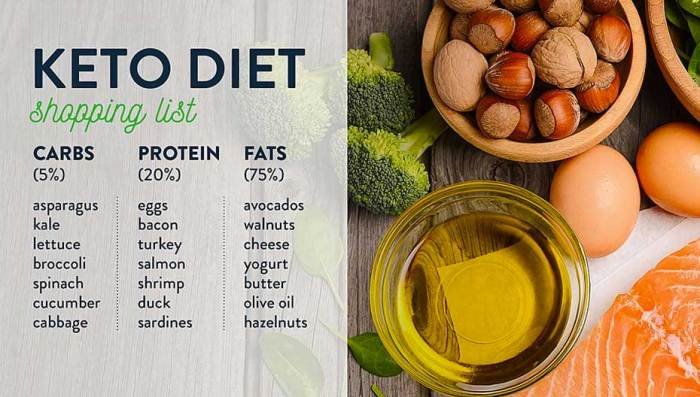
The high-protein ketogenic diet, often referred to as high-protein keto, is a specialized approach to ketogenic eating that emphasizes a higher intake of protein compared to the standard ketogenic diet. This dietary strategy aims to maximize muscle preservation, promote satiety, and potentially enhance metabolic benefits. Understanding the foundational principles of this diet is paramount for anyone considering adopting it, as it requires careful attention to macronutrient ratios and food choices to achieve optimal results.
Successfully navigating this dietary path requires a solid grasp of its core tenets.
Core Tenets of the High-Protein Keto Diet
The high-protein keto diet operates on the principle of significantly restricting carbohydrate intake, moderating fat intake, and increasing protein consumption relative to a standard ketogenic diet. This shift in macronutrient proportions is designed to promote ketosis, a metabolic state where the body primarily uses fat for fuel, while simultaneously supporting muscle mass. The cornerstone of this diet revolves around adhering to specific macronutrient ratios.
The typical high-protein keto diet often adheres to a macronutrient breakdown approximately as follows:
- Protein: Approximately 30-35% of total daily calories. This elevated protein intake is crucial for preserving and potentially building muscle mass, especially when combined with resistance training. It also helps increase satiety, which can aid in weight management.
- Fat: Approximately 55-60% of total daily calories. While the fat intake is still substantial, it is typically lower than in a standard ketogenic diet. This provides the necessary calories to support energy needs while still keeping carbohydrate intake low.
- Carbohydrates: Approximately 5-10% of total daily calories (usually less than 50 grams per day). This severe restriction of carbohydrates is what drives the body into ketosis, forcing it to utilize fat as its primary energy source.
This specific macronutrient ratio differs from both the standard ketogenic diet and a standard high-protein diet. The focus is not just on low-carb, high-fat intake, but on a strategic balance that prioritizes protein for muscle health and metabolic optimization. The body enters ketosis when the liver converts fat into ketones, which the body can use for energy. The goal is to maintain this state while ensuring adequate protein intake.The increased protein intake in the high-protein keto diet is supported by evidence that demonstrates that it can help preserve muscle mass, which is particularly beneficial during weight loss.
The higher protein also helps with satiety, which can help control appetite.
Macronutrient Comparison: High-Protein Keto vs. Standard Keto vs. High-Protein Diet
The following table provides a clear comparison of the macronutrient percentages and typical food choices associated with the standard ketogenic diet, the high-protein ketogenic diet, and a standard high-protein diet. This comparison helps to highlight the key differences and considerations for each dietary approach.
| Diet Type | Protein (%) | Fat (%) | Carbohydrates (%) | Typical Food Choices |
|---|---|---|---|---|
| Standard Ketogenic Diet | 20-25% | 70-75% | 5-10% | High-fat meats (bacon, steak), fatty fish (salmon, tuna), avocado, olive oil, cheese, eggs, non-starchy vegetables. |
| High-Protein Ketogenic Diet | 30-35% | 55-60% | 5-10% | Lean meats (chicken breast, turkey), fish, eggs, protein shakes (low-carb), non-starchy vegetables, moderate amounts of healthy fats (olive oil, avocado). |
| Standard High-Protein Diet | 30-40% | 20-30% | 30-40% | Lean meats, fish, poultry, eggs, protein shakes, legumes, some fruits, moderate amounts of healthy fats, and some whole grains. |
This table illustrates that the key differentiator between the high-protein keto diet and the standard ketogenic diet is the increased protein intake. Compared to a standard high-protein diet, the high-protein keto diet maintains a very low carbohydrate intake to induce and maintain ketosis. The choice of foods within each diet is influenced by the macronutrient goals. The standard ketogenic diet emphasizes high-fat foods to ensure adequate fat intake.
The high-protein ketogenic diet focuses on lean protein sources and a moderate amount of fat, while still restricting carbohydrates. The standard high-protein diet allows for a moderate carbohydrate intake.
Real-World Examples of High-Protein Keto Success
The high-protein keto diet has been successfully implemented by numerous individuals. Here are three real-world examples that illustrate the benefits:
- Example 1: Sarah, a Fitness Enthusiast: Sarah, a 35-year-old fitness enthusiast, adopted the high-protein keto diet to enhance her body composition and athletic performance. She experienced significant improvements in muscle definition and a reduction in body fat. Sarah reported increased energy levels and improved focus throughout her workouts and daily life. Sarah also noticed that her recovery time after intense training sessions was significantly reduced.
Her success can be attributed to the diet’s focus on protein intake, which helped support muscle repair and growth, combined with the low-carb nature, which improved fat burning.
- Example 2: John, Managing Type 2 Diabetes: John, a 50-year-old man diagnosed with Type 2 diabetes, started the high-protein keto diet under medical supervision. He observed a significant improvement in his blood sugar control, with a marked reduction in his HbA1c levels. He was able to reduce his reliance on medication and lost a considerable amount of weight. John also reported feeling more energetic and less fatigued throughout the day.
His results highlight the potential of this diet to improve metabolic health and insulin sensitivity.
- Example 3: Emily, Weight Loss and Satiety: Emily, a 28-year-old woman, used the high-protein keto diet for weight loss and to manage her appetite. She found that the increased protein intake helped her feel fuller for longer, reducing her cravings and making it easier to stick to her diet. She lost a significant amount of weight over several months and reported increased confidence and improved overall well-being.
Emily also appreciated the variety of protein sources she could include in her diet.
These examples demonstrate the versatility and potential benefits of the high-protein keto diet for various individuals. However, it’s crucial to consult with a healthcare professional or a registered dietitian before starting this or any new diet.
Selecting the Right Foods to Maintain Ketosis and Optimize Protein Intake Requires Diligence
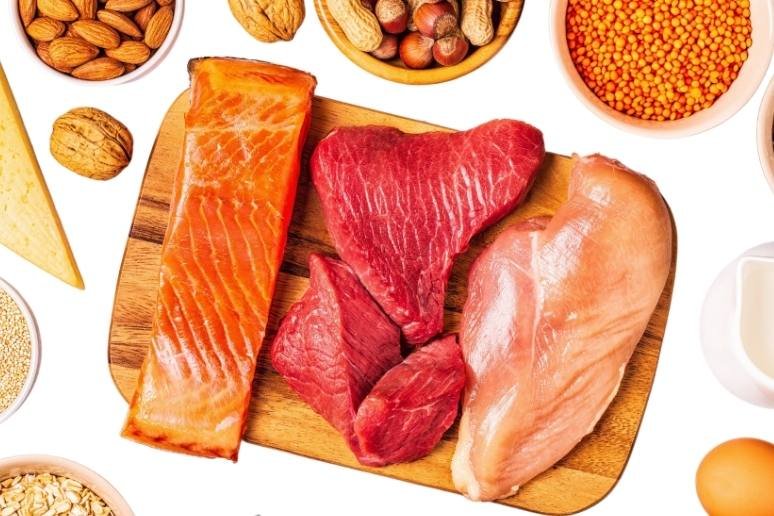
Maintaining ketosis and effectively managing protein intake on a high-protein keto diet hinges on meticulous food selection. The success of this dietary approach relies heavily on choosing nutrient-dense foods that support ketogenesis while providing sufficient protein for muscle maintenance and overall health. Careful planning and awareness of food composition are crucial for achieving desired results.
Essential Food Categories for the High-Protein Keto Diet
To thrive on a high-protein keto diet, it is vital to prioritize specific food categories. These categories provide the necessary nutrients while keeping carbohydrate intake low.
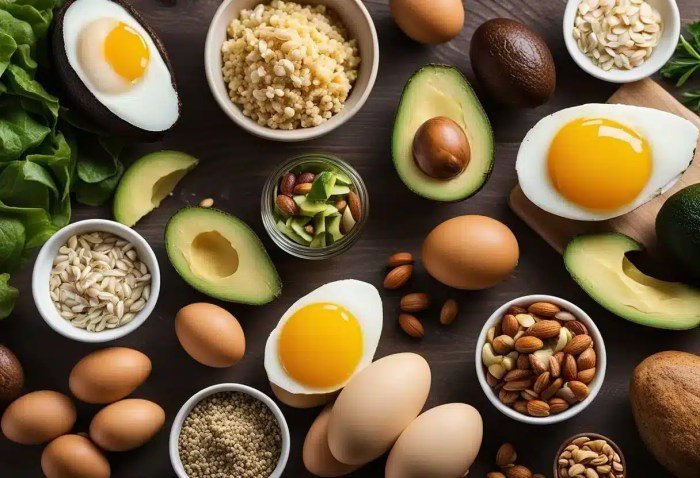
- Ideal Protein Sources: High-quality protein sources are the cornerstone of this diet. These include:
- Meat: Beef, pork, lamb, and poultry (chicken, turkey, duck) are excellent choices. Opt for fattier cuts to help maintain the fat ratio needed for ketosis. For example, a 4-ounce serving of ribeye steak provides approximately 28 grams of protein and 25 grams of fat.
- Fish and Seafood: Fatty fish like salmon, mackerel, and sardines are rich in protein and omega-3 fatty acids. Shellfish like shrimp and crab are also good options. A 3-ounce serving of salmon contains roughly 20 grams of protein and 13 grams of fat.
- Eggs: Eggs are a versatile and complete protein source. One large egg contains about 6 grams of protein and 5 grams of fat.
- Dairy (if tolerated): Full-fat dairy products like cheese, heavy cream, and Greek yogurt (in moderation) can contribute to protein intake. A 1-cup serving of full-fat Greek yogurt offers around 20 grams of protein.
- Healthy Fats: Adequate fat intake is essential for ketosis. Focus on:
- Avocados and Avocado Oil: Rich in monounsaturated fats.
- Olive Oil: A staple in the Mediterranean diet, providing healthy fats.
- Coconut Oil and MCT Oil: Can be easily converted into ketones.
- Nuts and Seeds: Almonds, macadamia nuts, chia seeds, and flaxseeds (in moderation) offer healthy fats and some protein.
- Low-Carb Vegetables: These provide essential vitamins, minerals, and fiber without significantly impacting ketosis. Examples include:
- Leafy Greens: Spinach, kale, lettuce, and collard greens.
- Cruciferous Vegetables: Broccoli, cauliflower, Brussels sprouts, and cabbage.
- Other Vegetables: Asparagus, zucchini, bell peppers (in moderation), and cucumbers.
Common Pitfalls in Food Selection and How to Avoid Them
Several common mistakes can derail your high-protein keto journey. Understanding and avoiding these pitfalls is critical.
- Consuming Hidden Carbohydrates: Sauces, dressings, and processed foods often contain added sugars and starches. Always read labels carefully. Instead, make your own dressings using olive oil, vinegar, and herbs.
- Overeating Protein: Excessive protein can be converted into glucose through gluconeogenesis, potentially hindering ketosis. Track your protein intake and stick to your macros. Aim for a moderate protein intake based on your activity level and body composition goals.
- Neglecting Fat Intake: Insufficient fat intake can lead to hunger and fatigue. Ensure you are consuming enough healthy fats to support ketogenesis and satiety.
- Choosing the Wrong Snacks: Processed keto snacks often contain artificial sweeteners and unhealthy fats. Opt for whole foods like cheese sticks, hard-boiled eggs, or a handful of nuts.
- Ignoring Fiber Intake: Low-carb diets can sometimes lead to constipation. Ensure adequate fiber intake by consuming plenty of non-starchy vegetables. Consider a fiber supplement if necessary.
Sample Meal Plan for a Typical Day
Here’s a sample meal plan, incorporating three meals and a snack, with estimated macronutrient breakdowns. Note that these are approximate values and may vary depending on specific food brands and serving sizes. This plan provides a framework; adjust portion sizes and food choices based on your individual needs and macro targets.
- Breakfast (approximate macros):
- Ingredients: 3 scrambled eggs with 2 ounces of cheddar cheese, 2 slices of bacon.
- Macronutrients (estimated): Protein: 30g, Fat: 35g, Net Carbs: 3g.
- Lunch (approximate macros):
- Ingredients: 4 oz grilled chicken breast, 1 cup of mixed greens with 2 tablespoons of olive oil and vinegar dressing, 1/2 avocado.
- Macronutrients (estimated): Protein: 35g, Fat: 25g, Net Carbs: 5g.
- Snack (approximate macros):
- Ingredients: 1 ounce of macadamia nuts, 1 ounce of cheese.
- Macronutrients (estimated): Protein: 8g, Fat: 20g, Net Carbs: 2g.
- Dinner (approximate macros):
- Ingredients: 6 oz salmon fillet, 1 cup roasted broccoli with olive oil.
- Macronutrients (estimated): Protein: 40g, Fat: 30g, Net Carbs: 6g.
Calculating Macronutrients Accurately is Non-Negotiable for Following the Diet Properly
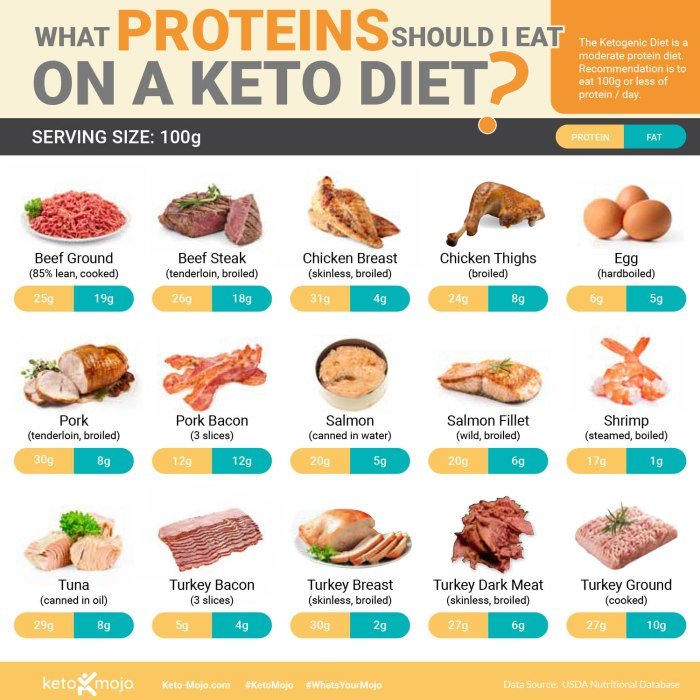
Accurately calculating your macronutrient targets – protein, fats, and carbohydrates – is absolutely critical for success on a high-protein keto diet. Without this precision, you risk either not entering ketosis, experiencing muscle loss, or feeling perpetually hungry. This section will delve into the methods for calculating these targets, emphasizing the importance of protein and providing a step-by-step guide to using online tools.
The Significance of Protein in a High-Protein Keto Diet
Protein plays a multifaceted role in the high-protein keto diet. It’s not just about meeting your daily needs; it’s about optimizing your body composition and overall well-being. A high-protein intake supports muscle maintenance, promotes satiety, and contributes to the metabolic benefits of the ketogenic diet.
Protein’s primary functions are:
- Muscle Maintenance: Providing the building blocks (amino acids) to repair and rebuild muscle tissue, especially crucial during a calorie deficit.
- Satiety: Contributing to feelings of fullness, helping to curb cravings and prevent overeating.
- Metabolic Efficiency: Requiring more energy to digest and metabolize than fats or carbohydrates, boosting metabolism slightly (the thermic effect of food).
It’s essential to understand that on a high-protein keto diet, protein intake is typically higher than on a standard ketogenic diet. This is to ensure adequate support for muscle mass, which can be threatened during periods of caloric restriction. Therefore, it is important to find the right balance of macronutrients to get the best results.
Methods for Calculating Macronutrient Targets
Calculating macronutrients requires considering several factors. This section Artikels the process, breaking it down into manageable steps.
- Determine Your Basal Metabolic Rate (BMR): Your BMR is the number of calories your body burns at rest. Several formulas can estimate this, but the Mifflin-St Jeor equation is often considered accurate:
For men: BMR = (10 x weight in kg) + (6.25 x height in cm)
(5 x age in years) + 5
For women: BMR = (10 x weight in kg) + (6.25 x height in cm)
- (5 x age in years)
- 161
- Calculate Your Total Daily Energy Expenditure (TDEE): TDEE accounts for your activity level. Multiply your BMR by an activity factor:
- Sedentary (little to no exercise): BMR x 1.2
- Lightly active (light exercise/sports 1-3 days/week): BMR x 1.375
- Moderately active (moderate exercise/sports 3-5 days/week): BMR x 1.55
- Very active (hard exercise/sports 6-7 days a week): BMR x 1.725
- Extra active (very hard exercise/sports & physical job or 2x training): BMR x 1.9
- Set Your Calorie Goal: To lose weight, create a calorie deficit. A moderate deficit of 20-25% below your TDEE is often recommended. For example, if your TDEE is 2000 calories, a 20% deficit is 400 calories (2000 x 0.20 = 400), resulting in a daily calorie target of 1600 calories.
- Calculate Protein Intake: Aim for 0.8 to 1.0 grams of protein per pound of lean body mass (LBM). LBM is your total weight minus fat mass. To estimate this, use an online body fat percentage calculator (many are available for free). Multiply your weight by your body fat percentage to find your fat mass. Subtract fat mass from your total weight to find LBM.
For instance, a person weighing 180 lbs with 20% body fat has 36 lbs of fat mass (180 x 0.20 = 36) and 144 lbs of LBM (180 – 36 = 144). The protein target would be between 115-144 grams (144 lbs LBM x 0.8g/lb to 144 lbs LBM x 1.0g/lb).
- Calculate Fat Intake: Fat intake is determined by the remaining calories after protein and carbohydrate targets are set. Protein provides 4 calories per gram. Fat provides 9 calories per gram. Carbohydrates also provide 4 calories per gram. First, calculate the calories from protein (grams of protein x 4).
Next, determine the maximum carbohydrate intake (typically 20-50 grams per day, or as a percentage of calories – typically 5%). Calculate the calories from carbohydrates (grams of carbs x 4). Subtract the calories from protein and carbs from your total calorie goal. Divide the remaining calories by 9 to determine your fat grams. For example: a person with a 1600 calorie target, 130g protein, and 30g carbs.
Protein calories: 130g x 4 = 520 calories. Carb calories: 30g x 4 = 120 calories. Remaining calories for fat: 1600 – 520 – 120 = 960 calories. Fat grams: 960 / 9 = 107 grams.
- Calculate Carbohydrate Intake: Carbohydrates should be kept very low to maintain ketosis. Aim for 20-50 grams of net carbs per day (total carbs minus fiber).
Step-by-Step Guide to Using Online Macro Calculators or Apps
Using online macro calculators simplifies the process. Here’s a step-by-step example using a hypothetical calculator:
- Select a Calculator: Many free and paid calculators are available (e.g., MyFitnessPal, Carb Manager, KetoDiet App).
- Enter Personal Information: Input your age, sex, height, weight, and activity level.
- Set Your Goals: Specify your goals (e.g., weight loss, muscle gain, maintenance).
- Choose Your Diet Type: Select “High-Protein Keto” or “Keto” and then adjust protein as needed.
- Review the Results: The calculator will provide your daily macronutrient targets in grams.
- Track Your Intake: Use the app or a food journal to track your daily intake, ensuring you meet your targets.
Example:
Let’s say a 35-year-old male, 6’0″ tall, weighs 200 lbs, and is moderately active.
Hypothetical Calculator Screenshot (Simplified):
(This is a text-based representation; a screenshot would visually show the following)
Inputs:
- Age: 35
- Sex: Male
- Height: 6’0″
- Weight: 200 lbs
- Activity Level: Moderately Active
- Goal: Weight Loss
- Diet: Keto (with high protein selected)
Outputs (Example):
- Calories: 1800
- Protein: 160 grams
- Fat: 110 grams
- Net Carbs: 25 grams
This example illustrates how a calculator provides a personalized starting point. It’s crucial to monitor your results and adjust your macros as needed, based on your progress and how your body responds. Regular adjustments, based on your body’s response and progress, are often necessary to optimize results.
Navigating Social Situations and Dining Out While Adhering to the Diet Needs Planning
Maintaining a high-protein keto diet can present unique challenges when social events and dining out are involved. The temptation to stray from the diet can be significant, and the availability of keto-friendly options may be limited. However, with careful planning and proactive strategies, it is entirely possible to navigate these situations successfully without compromising your dietary goals. The key is to be prepared and make informed choices.
Challenges of Social Situations and Dining Out
Dining out and attending social events can be particularly tricky for those following a high-protein keto diet. Restaurants often feature menus filled with high-carb dishes, hidden sugars, and processed foods that can quickly derail ketosis. Social pressure to partake in non-keto-friendly foods and drinks can also be a significant hurdle. Additionally, the lack of readily available nutritional information at many establishments makes it difficult to assess the carbohydrate and protein content of menu items accurately.
These challenges necessitate a strategic approach to ensure adherence to the diet.
Restaurant-Friendly Food Choices
Choosing appropriate meals at restaurants requires careful consideration. Here are several options that generally align with a high-protein keto diet, along with potential modifications:
- Grilled Salmon with Steamed Vegetables: This is an excellent choice, as salmon is rich in protein and healthy fats. Ensure the vegetables are steamed without added sauces or sugar. Request olive oil and lemon for flavoring instead of butter-based sauces.
- Steak with a Side Salad: A well-prepared steak offers a good source of protein and fat. Opt for a side salad with a vinaigrette dressing, avoiding creamy dressings that may contain hidden sugars. Request no croutons or sugary toppings.
- Chicken Caesar Salad (without croutons): This can be a viable option, but be mindful of the Caesar dressing. Ask for the dressing on the side and use it sparingly. Request no croutons.
- Burger (without the bun): Order a burger without the bun and substitute it with a lettuce wrap. Choose a patty made from lean beef, and load it with keto-friendly toppings like cheese, avocado, and bacon.
- Tuna Salad with Lettuce Wraps: Tuna salad can be a good choice, but ensure it’s made with mayonnaise instead of sugar-laden sauces. Request lettuce wraps instead of bread or crackers.
- Omelet with Cheese and Vegetables: A custom-made omelet allows for control over the ingredients. Include cheese and keto-friendly vegetables like spinach, mushrooms, and peppers. Avoid potatoes or other high-carb fillers.
Preparing for Social Gatherings
Proactive preparation is essential for maintaining your diet at social gatherings. Consider the following tips:
- Bring Your Own Food: If you are unsure of the options available, bring a keto-friendly dish to share, ensuring you have a satisfying meal.
- Communicate Your Dietary Needs: Inform the host or server about your dietary restrictions beforehand. This allows them to prepare accordingly or suggest suitable alternatives.
- Choose Beverages Wisely: Opt for water, unsweetened tea, or diet soda. Avoid sugary drinks, beer, and cocktails that can quickly increase carbohydrate intake.
- Eat Before You Go: Having a filling keto-friendly meal before attending a social event can help reduce the temptation to indulge in less healthy options.
- Be Mindful of Snacking: If snacks are available, choose keto-friendly options like cheese, nuts, or celery with nut butter.
- Don’t Be Afraid to Say No: Politely decline food or drinks that do not align with your diet. It’s perfectly acceptable to prioritize your health goals.
Monitoring Progress and Adjusting the Diet Based on Results is Important
Tracking your progress on the high-protein keto diet is essential for understanding how your body is responding and making necessary adjustments to optimize results. Regularly monitoring various metrics provides valuable insights into your metabolic state and helps ensure you’re achieving your health and fitness goals. This proactive approach allows you to personalize the diet and fine-tune it for maximum effectiveness.
Methods for Monitoring Progress
To effectively track progress, several methods can be employed. These methods provide a comprehensive view of your body’s response to the high-protein keto diet.
- Ketone Levels: Measuring ketone levels is a direct way to assess whether your body is in ketosis. Ketones are produced when the body burns fat for energy instead of glucose. Several methods are available for measuring ketones:
- Blood Ketone Meters: These meters require a small blood sample, providing the most accurate and immediate results. They typically measure beta-hydroxybutyrate (BHB), the primary ketone body in the blood.
- Urine Ketone Strips: These strips are less expensive and easier to use but less accurate than blood ketone meters. They measure acetoacetate, another ketone body excreted in urine.
- Breath Ketone Analyzers: These devices measure acetone in the breath, which is another ketone body. They offer a non-invasive option but may be less reliable than blood ketone meters.
- Body Weight: Regular weigh-ins are crucial for monitoring weight loss. It’s important to weigh yourself at the same time each day (e.g., in the morning after using the restroom) to minimize fluctuations.
- Body Measurements: Measuring your waist, hips, arms, and other areas can provide a more accurate picture of body composition changes than weight alone, as you may lose inches even if your weight remains stable due to muscle gain.
- Energy Levels: Keeping track of your energy levels throughout the day is important. Note any changes in your energy levels, such as increased focus, sustained energy, or fatigue.
- Food Journal: Maintaining a detailed food journal is crucial. Record everything you eat and drink, including portion sizes, macronutrient content (protein, fat, and carbohydrates), and any supplements. This will help identify any potential issues or triggers.
- Other Metrics: Other metrics to consider include sleep quality, bowel movements, and overall well-being.
Interpreting Data and Making Adjustments
Interpreting the data collected from these monitoring methods and making appropriate adjustments to the diet is vital for success.
- Ketone Levels:
- Blood Ketone Levels: Aim for a blood ketone level between 0.5 and 3.0 mmol/L to indicate nutritional ketosis.
- Urine Ketone Levels: A reading of trace to moderate ketones on urine strips is usually a good sign. However, keep in mind that this method is less reliable.
- Breath Ketone Levels: The ideal range for breath ketone analyzers varies depending on the device. Follow the manufacturer’s instructions.
If ketone levels are consistently low, you may need to reduce your carbohydrate intake or increase your fat intake. If ketone levels are excessively high, you might consider slightly increasing your carbohydrate intake or reducing your fat intake.
- Body Weight: If you are not losing weight or are gaining weight, you may need to:
- Re-evaluate Macronutrients: Ensure you are accurately tracking and meeting your macronutrient targets.
- Calorie Intake: Consider slightly reducing your overall calorie intake if you are not losing weight, particularly if you are consuming more calories than you are burning.
- Hidden Carbs: Carefully check food labels for hidden carbohydrates in sauces, dressings, and processed foods.
- Body Measurements: If body measurements are not changing, you may need to:
- Adjust Protein and Fat: Experiment with slightly adjusting your protein and fat intake to see if it impacts body composition.
- Resistance Training: Incorporate resistance training to build muscle mass, which can help improve body composition.
- Energy Levels: If you experience fatigue, you may need to:
- Increase Electrolyte Intake: Ensure you are consuming enough electrolytes (sodium, potassium, and magnesium) to combat the “keto flu” symptoms.
- Hydration: Drink plenty of water throughout the day.
- Macronutrient Adjustments: Consider adjusting your macronutrient ratios. Some people feel better with slightly more carbohydrates or fat.
- Food Journal: Reviewing your food journal regularly can help identify:
- Problem Foods: Identify any foods that may be hindering your progress or causing adverse reactions.
- Eating Patterns: Recognize any patterns in your eating habits that might need adjustment.
Weekly Progress Tracker Example
A weekly progress tracker is an invaluable tool for organizing and visualizing your data.
| Date | Weight (lbs) | Blood Ketones (mmol/L) | Energy Levels (1-10) | Food Journal Notes |
|---|---|---|---|---|
| Monday | 175.2 | 1.8 | 7 | Breakfast: Keto coffee, Lunch: Salad with chicken and avocado, Dinner: Salmon with broccoli. |
| Tuesday | 174.8 | 2.1 | 8 | Breakfast: Keto coffee, Lunch: Leftover salmon, Dinner: Steak with asparagus. |
| Wednesday | 174.5 | 1.9 | 7 | Breakfast: Keto coffee, Lunch: Chicken salad with macadamia nuts, Dinner: Pork chops with green beans. |
| Thursday | 174.1 | 1.7 | 6 | Breakfast: Keto coffee, Lunch: Leftover pork chops, Dinner: Ground beef with cauliflower rice. |
| Friday | 173.9 | 1.6 | 7 | Breakfast: Keto coffee, Lunch: Tuna salad with celery, Dinner: Chicken wings. |
| Saturday | 173.6 | 1.4 | 8 | Breakfast: Keto coffee, Lunch: Leftover chicken wings, Dinner: Ribeye steak with mushrooms. |
| Sunday | 173.3 | 1.5 | 7 | Breakfast: Keto coffee, Lunch: Salad with steak, Dinner: Eggs with bacon. |
The tracker can be used as follows:
- Record Measurements: At the beginning of each week, weigh yourself and record your weight in the “Weight (lbs)” column.
- Track Ketones: Use a blood ketone meter or urine strips to measure ketone levels and record the results in the “Blood Ketones (mmol/L)” column.
- Assess Energy: Rate your energy levels throughout the day on a scale of 1 to 10 and record your assessment in the “Energy Levels (1-10)” column.
- Note Foods: Keep a detailed food journal, including everything you eat and drink, in the “Food Journal Notes” column.
- Review and Adjust: Review the tracker at the end of each week to identify trends, evaluate your progress, and make any necessary adjustments to your diet. For example, if you consistently experience low energy levels, you might increase your fat intake. If your weight loss stalls, you might re-evaluate your calorie intake and macronutrient ratios.
Addressing Potential Side Effects and Health Considerations While Following the Diet is Necessary

The high-protein keto diet, while potentially beneficial for some, is not without its challenges. Understanding and proactively addressing potential side effects and health considerations is paramount for a safe and effective experience. This section will delve into common side effects, health risks, and strategies to mitigate them, emphasizing the importance of informed decision-making and professional guidance.
Common Side Effects of the High-Protein Keto Diet
Initiating a high-protein keto diet can sometimes lead to a range of temporary side effects, often collectively referred to as the “keto flu.” These symptoms typically arise as the body adapts to using fat and ketones for fuel instead of glucose. Addressing these effects promptly can significantly improve the overall experience and adherence to the diet.
- Keto Flu Symptoms: The “keto flu” often manifests with symptoms like fatigue, headache, nausea, brain fog, and irritability. These symptoms usually subside within a few days to a couple of weeks as the body adapts.
- Constipation: A common issue due to reduced fiber intake and changes in gut bacteria. Adequate hydration and increased consumption of non-starchy vegetables can help.
- Muscle Cramps: Electrolyte imbalances, particularly sodium, potassium, and magnesium, can contribute to muscle cramps.
- Bad Breath: Increased ketone production can lead to a fruity or metallic taste in the mouth and breath. This is a temporary side effect of ketosis.
Mitigating these side effects involves a multifaceted approach. Adequate hydration, electrolyte replenishment, and sufficient rest are essential. Consuming bone broth or supplementing with electrolytes can help combat the keto flu and muscle cramps. Gradual increases in carbohydrate intake, primarily from non-starchy vegetables, may help with constipation.
Health Risks and Considerations for Specific Individuals
While the high-protein keto diet can be suitable for some, it is crucial to recognize that it may not be appropriate for everyone. Certain individuals should exercise extreme caution and, in most cases, consult a healthcare professional before embarking on this diet.
- Individuals with Kidney Issues: High protein intake can potentially strain the kidneys, especially in individuals with pre-existing kidney disease. Monitoring kidney function is critical.
- People with Liver Conditions: The liver plays a crucial role in processing fats and producing ketones. Individuals with liver disease should consult a doctor before starting the diet.
- Individuals with Diabetes: While the keto diet can help manage blood sugar, it requires careful monitoring and adjustment of medications, especially insulin. Close medical supervision is essential.
- Pregnant or Breastfeeding Women: The safety and efficacy of the keto diet during pregnancy and breastfeeding are not well-established. It is generally not recommended.
- People with Eating Disorders: The restrictive nature of the keto diet can exacerbate or trigger eating disorders.
It is important to emphasize the necessity of consulting a healthcare provider, such as a doctor or a registered dietitian, before beginning any restrictive diet, especially for individuals with underlying health conditions or those taking medications. Regular monitoring of blood work and overall health parameters is recommended.
The Role of Electrolytes in the High-Protein Keto Diet
Electrolytes are essential minerals that play a critical role in numerous bodily functions, including nerve function, muscle contractions, and fluid balance. On a high-protein keto diet, the body often loses electrolytes through increased urination, making it crucial to maintain proper electrolyte balance.
- Sodium: Sodium is essential for fluid balance and nerve function. The keto diet can lead to sodium depletion, so it’s important to consume adequate sodium.
- Potassium: Potassium is critical for muscle function and heart health. Insufficient potassium can lead to muscle cramps and fatigue.
- Magnesium: Magnesium supports muscle function, blood sugar control, and energy production. Deficiencies can contribute to muscle cramps and other symptoms.
Strategies for maintaining proper electrolyte balance include:
- Consuming Electrolyte-Rich Foods: Incorporate foods like spinach, avocados, nuts, and seeds, which are naturally rich in potassium and magnesium.
- Adding Salt to Food: Generously salt food to ensure adequate sodium intake.
- Drinking Bone Broth: Bone broth is a natural source of electrolytes, including sodium, potassium, and magnesium.
- Electrolyte Supplements: Consider supplementing with electrolytes, particularly sodium, potassium, and magnesium, especially during the initial adaptation phase or when experiencing symptoms.
- Monitoring Hydration: Drink plenty of water throughout the day to support electrolyte balance.
By proactively addressing potential side effects, understanding individual health risks, and prioritizing electrolyte balance, individuals can navigate the high-protein keto diet more safely and effectively.
Incorporating Exercise and Physical Activity to Maximize the Benefits is Recommended
The synergy between the high-protein keto diet and exercise is a powerful combination for achieving optimal health and body composition goals. While the diet itself provides a metabolic environment conducive to fat burning and muscle preservation, incorporating regular physical activity amplifies these effects, leading to enhanced results. Exercise, when strategically integrated, not only boosts fat loss but also promotes muscle growth, improves overall health markers, and increases energy levels.
This section will delve into the critical role of exercise in the context of a high-protein keto diet, exploring suitable exercise modalities and providing a practical workout plan.
Exercise’s Role in Conjunction with the High-Protein Keto Diet
Exercise plays a pivotal role in maximizing the benefits of a high-protein keto diet. This combination creates a metabolic environment that favors both fat loss and muscle preservation or even muscle gain. The ketogenic diet, by restricting carbohydrates, forces the body to utilize fat as its primary fuel source. When combined with exercise, particularly resistance training, this process is significantly enhanced.
The high protein intake further supports muscle maintenance and growth, preventing muscle breakdown during periods of calorie restriction and increased physical activity.Regular exercise on a high-protein keto diet provides several key benefits:
- Enhanced Fat Loss: Exercise, especially high-intensity interval training (HIIT) and resistance training, increases calorie expenditure and boosts metabolism. This, coupled with the fat-burning state induced by ketosis, accelerates fat loss.
- Muscle Building and Preservation: The combination of high protein intake and resistance training stimulates muscle protein synthesis, leading to muscle growth and preventing muscle loss during a calorie deficit.
- Improved Insulin Sensitivity: Exercise improves insulin sensitivity, which is particularly beneficial for individuals following a ketogenic diet. This helps the body utilize glucose more effectively, further supporting metabolic health.
- Increased Energy Levels: While some individuals may experience initial fatigue when starting a ketogenic diet, exercise can help mitigate this by improving energy production and reducing fatigue over time.
- Enhanced Cardiovascular Health: Regular physical activity strengthens the cardiovascular system, reducing the risk of heart disease and improving overall health.
Suitable Exercise Types for the High-Protein Keto Diet
Choosing the right types of exercise is crucial for maximizing the benefits of the high-protein keto diet. The focus should be on activities that complement the metabolic state induced by ketosis and support muscle growth and fat loss. Both resistance training and cardiovascular exercises are essential components of a well-rounded exercise program.Here are some exercise types well-suited for individuals following a high-protein keto diet:
- Resistance Training: This involves lifting weights or using resistance bands to build and maintain muscle mass. It is a cornerstone of any fitness program aimed at improving body composition.
- High-Intensity Interval Training (HIIT): HIIT involves short bursts of intense exercise followed by brief recovery periods. This type of training is highly effective for burning fat and improving cardiovascular fitness.
- Low-Intensity Steady-State Cardio (LISS): LISS involves sustained exercise at a moderate intensity, such as brisk walking, jogging, or cycling. It is beneficial for improving cardiovascular health and can aid in fat loss.
- Yoga and Pilates: These practices improve flexibility, balance, and core strength. They can also aid in stress reduction, which is beneficial for overall health.
Frequency, intensity, and duration should be tailored to individual fitness levels and goals. Generally:
- Resistance Training: 2-3 times per week, focusing on compound exercises that work multiple muscle groups simultaneously.
- HIIT: 1-2 times per week, with sessions lasting 15-30 minutes.
- LISS: 2-3 times per week, for 30-60 minutes per session.
Sample Weekly Workout Plan
Here is a sample weekly workout plan incorporating both resistance training and cardio exercises, designed to complement a high-protein keto diet. Remember to consult with a healthcare professional before starting any new exercise program.
| Day | Workout | Exercises | Sets | Reps | Rest |
|---|---|---|---|---|---|
| Monday | Resistance Training (Full Body) | Squats, Bench Press, Bent-Over Rows, Overhead Press, Deadlifts | 3 | 8-12 | 60-90 seconds |
| Tuesday | LISS Cardio | Brisk Walking or Cycling | 1 | 30-45 minutes | N/A |
| Wednesday | Rest | – | – | – | – |
| Thursday | Resistance Training (Upper Body) | Incline Dumbbell Press, Dumbbell Rows, Shoulder Lateral Raises, Bicep Curls, Triceps Extensions | 3 | 10-15 | 60 seconds |
| Friday | HIIT Cardio | Sprints on Treadmill or Burpees | 6-8 rounds (30 seconds work, 30 seconds rest) | – | – |
| Saturday | Resistance Training (Lower Body) | Deadlifts, Lunges, Leg Press, Hamstring Curls, Calf Raises | 3 | 8-12 | 60-90 seconds |
| Sunday | Active Recovery/LISS | Yoga or Light Cycling | 1 | 30-45 minutes | N/A |
Deadlift Illustration:A detailed illustration of a person performing a deadlift is as follows:The person stands with feet shoulder-width apart, positioned beneath a barbell loaded with weight plates. The barbell is resting on the floor in front of their shins. They bend at the knees and hips, maintaining a straight back, neutral spine, and engaged core. Their hands are gripping the barbell slightly wider than shoulder-width apart, using an overhand or mixed grip (one hand over, one hand under).
The person’s gaze is directed forward. They lower their hips, maintaining a straight back, and grip the bar. They inhale deeply and begin to lift the barbell by extending their legs and hips simultaneously, keeping the bar close to their body. As the bar rises, they maintain a straight back, avoiding rounding the spine. At the top of the movement, they stand tall with the barbell in front of their thighs, squeezing their glutes.
The back is straight, and the shoulders are pulled back. The person then slowly lowers the barbell back to the floor, maintaining control and proper form throughout the entire movement. This image is a representation of the deadlift.
Concluding Remarks
In conclusion, mastering the High-Protein Keto Diet Rules You Must Follow is not just about following a set of guidelines; it’s about understanding the underlying principles and adapting them to your individual needs. From selecting the right foods and calculating macronutrients to navigating social situations and monitoring progress, this guide has provided a solid foundation. By staying informed, persistent, and adaptable, you can successfully harness the power of this diet to achieve your desired health outcomes and enjoy a more vibrant and energetic life.
Query Resolution
What is the main difference between a standard keto diet and a high-protein keto diet?
The primary difference lies in the macronutrient ratios. While both are low-carb, the high-protein keto diet increases protein intake, often at the expense of fat, to support muscle maintenance and satiety.
How long does it take to enter ketosis?
Generally, it takes 2-7 days to enter ketosis, depending on factors like carbohydrate intake, activity level, and individual metabolism. You can monitor ketone levels using blood, urine, or breath tests.
Can I drink alcohol on a high-protein keto diet?
Yes, but in moderation and with careful consideration. Choose low-carb options like spirits (vodka, gin, whiskey) and mix with sugar-free beverages. Be mindful of the potential impact on ketosis and metabolism.
What are some common side effects of the keto flu, and how can I manage them?
The keto flu can cause fatigue, headaches, and nausea. To mitigate these, stay hydrated, increase electrolyte intake (sodium, potassium, magnesium), and ensure adequate rest. Gradually reducing carb intake can also help.
Do I need to take supplements on a high-protein keto diet?
While not mandatory, some supplements can be beneficial. Electrolytes (sodium, potassium, magnesium) are often recommended to counter the keto flu. Other potential supplements include MCT oil, omega-3 fatty acids, and vitamin D.
