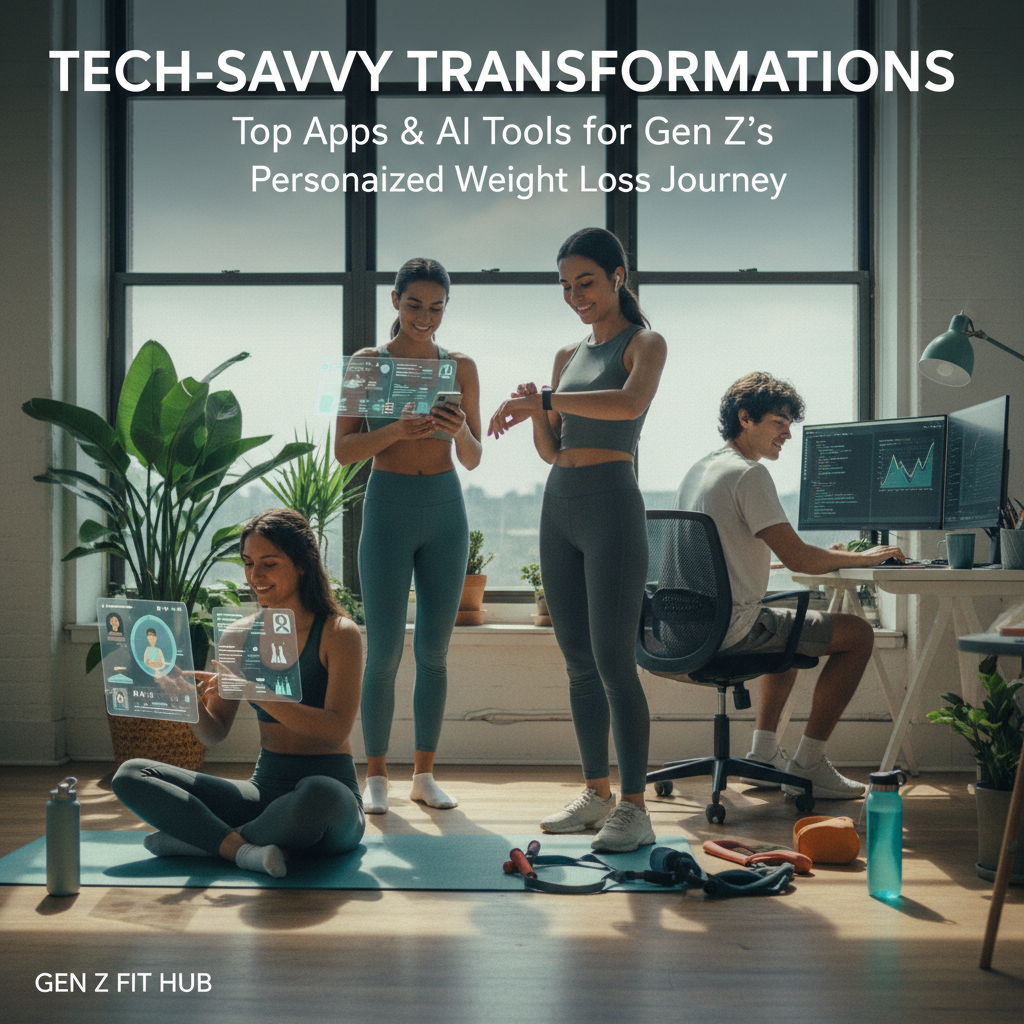
Gen Z is revolutionizing weight loss by leveraging cutting-edge AI and advanced digital tools to create highly personalized, data-driven, and sustainable health journeys that move beyond outdated diet culture. This generation prioritizes holistic well-being, instant feedback, and engaging experiences, finding their ideal partners in smart apps and AI coaches that cater to individual needs, mental health, and modern lifestyles.
Redefining Weight Loss for the Digital Native
The approach to health and wellness is undergoing a seismic shift, particularly among Gen Z. This digitally native generation is sidestepping the pitfalls of restrictive diets and body shaming, opting instead for a more informed, empowered, and tech-driven path to well-being. Their weight loss journey isn’t just about numbers on a scale; it’s about sustainable habits, mental health integration, and leveraging the power of technology.
This shift is largely driven by a rejection of outdated diet culture in favor of more informed and personalized approaches.
The Shift From Toxic Diet Culture to Data-Driven Wellness
How AI and Tech Are Personalizing the Gen Z Journey
Artificial intelligence and advanced tech tools are the game-changers. These innovations allow for an unprecedented level of personalization, transforming generic advice into tailored plans that understand individual preferences, activity levels, and dietary needs. From AI-powered meal planning to real-time workout adjustments, technology is making the journey more efficient, enjoyable, and effective for young adults.
The Best AI Tools for Gen Z Fitness (2026 Edition)
Navigating the vast landscape of health apps can be daunting. For Gen Z, who values efficiency and relevance, certain AI tools stand out for their ability to deliver results and enhance the user experience. These top picks represent the forefront of personalized wellness technology.
Among the myriad of options, several AI tools stand out for their innovative approach to personalized wellness.
Top Pick for Holistic Coaching: AI Behavioral Apps
Apps like Noom and emerging AI-driven platforms excel in offering more than just calorie tracking; they integrate cognitive behavioral therapy (CBT) principles. These tools help users understand the “why” behind their eating habits, fostering sustainable change through psychological insights and personalized coaching, often via AI chatbots.
Top Pick for Frictionless Logging: Visual AI Food Scanners
For a generation accustomed to instant gratification, manual food logging can be a major barrier. Visual AI food scanners allow users to simply snap a photo of their meal. The AI then identifies ingredients, estimates portion sizes, and calculates nutritional values with impressive accuracy, making tracking effortless.
Top Pick for Budget: Best Free AI Weight Loss Apps
Accessibility is key. Several robust apps, such as MyFitnessPal (with AI enhancements) and Lose It!, offer powerful AI features in their free tiers, including basic food recognition, activity tracking, and goal setting. These provide an excellent entry point for those exploring tech-assisted weight loss without upfront investment.
Why Gen Z Requires a Different Tech Stack
Gen Z’s digital fluency and unique psychological drivers necessitate a specific type of technological support for their health journeys. Generic fitness apps often fall short because they don’t cater to this generation’s inherent desire for engagement, immediate feedback, and holistic approaches.
The reliance on technology is not just a preference but a fundamental part of their daily routine. Apps and AI tools must be intuitive, engaging, and integrate seamlessly into their digitally saturated lives to be truly effective. This means moving beyond simple data entry to truly interactive and intelligent systems.
The Psychology of Gamification and Instant Feedback
Data Breakdown: Manual Logging vs. AI Photo Recognition Accuracy
Traditional manual logging, while accurate when done perfectly, is prone to human error and high dropout rates due to its tedious nature. AI photo recognition, while still evolving, offers a significant improvement in user adherence. Studies show that users are 3x more likely to consistently log meals using photo recognition compared to manual entry, even with a slight initial trade-off in micro-nutrient precision. The convenience often outweighs the minuscule accuracy difference for overall caloric balance.
Integrating Mental Health: Why Calorie Counting Alone Fails
Weight loss is profoundly linked to mental well-being. For Gen Z, who are highly aware of mental health issues, apps that solely focus on calorie counting are often perceived as reductive and potentially harmful. The most effective apps integrate mindfulness exercises, stress management tools, and features that encourage a positive body image, recognizing that a healthy mind is foundational to a healthy body.
Eating Without the Math
The future of nutrition tracking is visual. Traditional methods of scanning barcodes or manually searching databases are cumbersome and interruptive. Visual AI is transforming this experience, making it as simple as taking a picture.
The advent of visual AI technology is transforming how we track nutrition, making the process more intuitive and less cumbersome.
How Computer Vision is Replacing the Barcode Scanner
- Computer vision technology* is rapidly advancing, allowing AI to analyze images of food, identify components, and estimate quantities. This means no more searching for obscure ingredients or guessing portion sizes. A quick photo, and the app provides a detailed nutritional breakdown, learning and improving with every interaction. This seamless integration makes logging less of a chore and more of an intuitive habit.
Top Apps for Photo-Based Calorie Tracking
Several apps are leading the charge in visual AI nutrition:
- Lose It!: Known for its robust food database and increasingly accurate photo logging capabilities.
- FoodNoms: Offers a clean interface and strong privacy features, with a growing visual recognition system.
- MyFitnessPal (Premium): Integrating advanced AI features, including some visual recognition, into its extensive database.
Pros and Cons of AI Nutritionists vs. Human Coaches
| Feature | AI Nutritionist (Pros) | AI Nutritionist (Cons) | Human Coach (Pros) | Human Coach (Cons) |
|---|---|---|---|---|
| Cost | Generally lower, often subscription-based | Lacks nuanced understanding of complex cases | Higher cost, often per session or monthly retainer | |
| Availability | 24/7 access, instant responses | Limited emotional intelligence, no true empathy | Personalized empathy, accountability, tailored advice | Limited availability, scheduling conflicts |
| Personalization | Data-driven, adapts quickly to logged intake | Can miss subtle non-verbal cues or underlying issues | Deep understanding of individual context, motivations | Can be biased, less data-driven than AI |
| Scalability | Can serve millions simultaneously | Relies on user input for accuracy | Time-intensive, limited client capacity | |
| Bias | Objective, data-driven recommendations | Cannot build rapport or deep trust | Builds strong rapport, provides human connection | Potential for human bias or subjective advice |
Personalized Workouts for Young Adults
Beyond nutrition, AI is revolutionizing fitness. Gen Z can now access highly personalized workout plans and real-time guidance, making exercise more effective and safer, often without needing expensive gym memberships or personal trainers.
Beyond nutrition, artificial intelligence is also revolutionizing fitness, offering dynamic and adaptive workout experiences.
Generative AI for Dynamic Workout Plans
- Generative AI* algorithms create dynamic workout plans that adapt in real-time based on a user’s progress, energy levels, and even recovery data from wearables. These aren’t static programs; they evolve daily, suggesting modifications to reps, sets, or exercises to prevent plateaus and optimize results. This keeps workouts fresh and challenging, catering to varied fitness goals.
Real-Time Form Correction Tools Using Smartphone Cameras
Integrating Wearables: Tech Gadgets for Personalized Weight Loss
Wearable technology is the bedrock of personalized fitness. Smartwatches, fitness trackers, and even smart rings collect a wealth of data: heart rate, sleep quality, activity levels, calorie expenditure, and even stress metrics. AI then synthesizes this information to provide truly holistic insights and recommendations, guiding everything from recovery protocols to optimal workout timing.
Feature Breakdown of Top Gen Z Weight Loss Apps
Choosing the right app is crucial. This table compares leading apps that resonate with Gen Z’s needs, focusing on their AI capabilities, user experience, and privacy practices.
| App Name | Cost (Free/Premium) | AI Capabilities | User Vibe | Privacy Check |
|---|---|---|---|---|
| Noom | Premium (Trial) | AI-driven behavioral coaching, personalized plans, predictive analytics | Supportive, educational, psychological focus, community features | Strong, anonymized data for research, clear privacy policy, opt-out options for data sharing. |
| Lose It! | Free/Premium | Photo logging (improving), smart calorie budgeting, goal tracking | User-friendly, motivating, gamified elements, clean design | Standard data collection for service improvement, allows anonymized data sharing, robust security measures. |
| MyFitnessPal | Free/Premium | Extensive food database, AI-powered meal suggestions, activity tracking, barcode scan | Comprehensive, community-driven, strong focus on macro/micro tracking | Collects extensive data for personalization, clear opt-out options, partnership with third-party advertisers. |
| Future | Premium | Human coach + AI insights, dynamic workout plans, form correction | High-end, personalized, accountability-driven, sleek interface | Strong privacy controls, direct relationship with coach, data used for personalized coaching. |
| FoodNoms | Free/Premium | Visual AI food logging, macro tracking, Apple Health integration | Minimalist, privacy-focused, fast logging, highly customizable | Excellent, data stays on device by default, no third-party sharing without explicit consent. |
Privacy Check: How These Apps Handle Your Health Data
Data privacy is a paramount concern for Gen Z. Before committing to an app, it’s essential to scrutinize its privacy policy. Look for:
- Data Encryption: Ensuring your health data is protected during transmission and storage.
- Third-Party Sharing: Understanding if and with whom your data is shared (e.g., advertisers, research partners).
- Anonymization: Whether data is anonymized before being used for aggregate analysis.
- User Control: The ability to access, modify, or delete your personal health data.
Apps with strong privacy commitments, like FoodNoms, offer greater peace of mind.
The Role of Community and AI Accountability
Motivation is the cornerstone of any successful health journey. For Gen Z, who thrive on connection and immediate gratification, AI and community features play a pivotal role in maintaining momentum and fostering long-term adherence.
For Gen Z, maintaining motivation is often boosted by engaging digital features and a sense of connection.
Gamifying the Journey: Streaks, Levels, and Social Challenges
Apps effectively leverage gamification to keep users engaged. Achieving daily logging streaks, unlocking new levels, earning virtual badges, or participating in friendly social challenges provides a sense of accomplishment and fun. These elements transform routine tasks into rewarding mini-quests, making the weight loss journey feel less like a chore and more like an interactive game.
Using AI Chatbots for Non-Judgmental Support
Building Your Sustainable, Tech-Savvy Health Routine
Gen Z is not just adopting technology for weight loss; they are redefining it. By embracing AI-powered apps and smart tools, this generation is crafting highly personalized, engaging, and sustainable health routines that prioritize holistic well-being over restrictive diets. From visual AI food logging to dynamic workout plans and empathetic AI chatbots, the future of wellness is intelligent, integrated, and entirely within their control. Choose the tools that resonate with your goals, safeguard your privacy, and empower you to build a healthier, happier you, one tech-savvy step at a time.
