How High-Protein Keto Helps You Lose Weight presents a powerful approach to weight management, combining the metabolic benefits of a ketogenic diet with the satiating effects of high protein intake. This method shifts the body’s primary fuel source from glucose to fat, leading to significant weight loss. Simultaneously, the increased protein intake helps preserve muscle mass and control appetite, making it a sustainable and effective strategy for achieving your weight loss goals.
This guide delves into the core principles of this diet, exploring the optimal macronutrient ratios, ideal protein sources, and strategies for overcoming common challenges. From understanding the metabolic changes to practical meal planning, we’ll cover everything you need to know to implement and succeed with a high-protein keto approach. We will also address how to monitor your progress and make the necessary adjustments for optimal results.
Understanding the Core Principles of High-Protein Keto for Weight Loss
The high-protein ketogenic diet represents a powerful approach to weight loss, combining the benefits of ketosis with the muscle-sparing effects of increased protein intake. This strategy aims to optimize metabolic processes, promoting fat burning while preserving lean muscle mass. By understanding the core principles, individuals can effectively implement this dietary approach for sustained weight loss and improved body composition.
How High Protein and Ketogenic Principles Affect Metabolic Processes
The synergy between high protein and ketogenic principles profoundly impacts the body’s metabolic pathways. A ketogenic diet, characterized by very low carbohydrate intake, forces the body to shift its primary fuel source from glucose to ketones, produced from the breakdown of fats. Adding a high protein intake further refines this process.The restriction of carbohydrates triggers the liver to convert stored fat into ketone bodies (ketogenesis).
These ketones, such as beta-hydroxybutyrate, acetoacetate, and acetone, become the primary fuel source for the brain and other tissues. This metabolic state, known as ketosis, facilitates fat burning as the body utilizes stored fat for energy. Simultaneously, the increased protein intake helps to preserve muscle mass. Protein is essential for building and repairing tissues, and a higher intake helps to mitigate muscle breakdown that can occur during calorie restriction.Furthermore, protein has a higher thermic effect of food (TEF) compared to carbohydrates and fats.
This means the body expends more energy digesting and metabolizing protein. This increased TEF can contribute to a higher overall metabolic rate, potentially aiding in weight loss. The body also uses protein to produce glucose through a process called gluconeogenesis, especially when carbohydrate intake is very low. However, in the context of a ketogenic diet, this process is carefully managed to prevent the body from exiting ketosis.
The precise balance of macronutrients is crucial for maintaining ketosis and achieving the desired metabolic effects. This approach supports fat loss, muscle preservation, and satiety, making it a compelling strategy for weight management.
Metabolic Effects of Standard Ketogenic Diet vs. High-Protein Ketogenic Diet
Understanding the differences in metabolic effects between a standard ketogenic diet and a high-protein ketogenic diet is crucial for optimizing results. The following table provides a detailed comparison:
| Feature | Standard Ketogenic Diet | High-Protein Ketogenic Diet | Key Differences | Impact on Weight Loss |
|---|---|---|---|---|
| Macronutrient Ratio | 70-80% fat, 20-25% fat, 5-10% carbohydrates | 60-70% fat, 25-35% protein, 5-10% carbohydrates | Increased protein intake, decreased fat intake (relative to total calories) | Potentially greater satiety, possible increase in thermogenesis. |
| Protein Intake | Moderate (typically 0.8-1.0 g per kg of body weight) | Higher (typically 1.2-1.7 g per kg of body weight or more) | Significant increase in protein consumption | Enhanced muscle preservation, increased satiety. |
| Ketone Production | Generally high, as fat intake is the primary fuel source | May be slightly lower due to gluconeogenesis from protein, but still sufficient to maintain ketosis | Ketone levels might be slightly lower due to the increased use of protein for energy | Still effective for fat burning. |
| Muscle Preservation | Moderate, can be improved with resistance training | Higher, due to increased protein intake and potentially greater anabolic signaling | Increased protein supports muscle synthesis and reduces muscle breakdown | Reduced muscle loss during weight loss, improved body composition. |
| Satiety | Moderate, influenced by fat and ketone bodies | Higher, due to the thermic effect of protein and its impact on satiety hormones | Protein is more satiating than fat, which reduces overall calorie intake. | Increased likelihood of adhering to the diet due to reduced hunger. |
| Gluconeogenesis | Minimal, as protein intake is relatively low | Increased, as the body converts some protein into glucose, especially when carbohydrate intake is very low | Increased conversion of protein to glucose to maintain blood sugar levels. | May slightly impact ketone production, but is still consistent with ketosis. |
How Metabolic Shifts Promote Fat Burning and Preserve Muscle Mass
The metabolic shifts induced by a high-protein ketogenic diet are central to its effectiveness in weight loss and body composition improvements. The interplay of ketosis and high protein intake works synergistically to achieve these goals.Ketosis, the metabolic state induced by the low-carbohydrate intake, encourages the body to use stored fat as its primary fuel source. This process leads to the breakdown of fat cells, releasing fatty acids that are then converted into ketones in the liver.
These ketones are used by the body’s cells for energy, driving fat loss. The increased protein intake, on the other hand, plays a crucial role in preserving muscle mass. Protein provides the necessary building blocks (amino acids) for muscle repair and synthesis. During weight loss, there’s a risk of muscle breakdown, but the high protein intake helps to mitigate this, ensuring that the body primarily burns fat while retaining lean muscle tissue.The thermic effect of protein also contributes to fat burning.
The body expends more energy digesting and metabolizing protein compared to fats or carbohydrates. This means that a high-protein diet can increase the overall metabolic rate, potentially leading to greater calorie expenditure. Moreover, protein helps to regulate appetite and increase satiety. This is particularly beneficial for weight loss, as it reduces hunger and cravings, making it easier to adhere to the diet.
For example, a study might demonstrate that individuals following a high-protein ketogenic diet experience greater weight loss and improved body composition compared to those on a standard ketogenic diet, as the increased protein intake helps preserve muscle mass and increase satiety, ultimately leading to a more favorable outcome. This combination of metabolic effects creates an environment conducive to fat loss while preserving muscle mass, making the high-protein ketogenic diet a valuable strategy for weight management.
The Role of Protein in Satiety and Appetite Control on a Keto Diet
Incorporating a high-protein approach within a ketogenic diet offers significant advantages beyond simply facilitating weight loss. Protein plays a crucial role in regulating appetite and promoting feelings of fullness, making it a valuable tool for individuals aiming to adhere to their dietary plan and achieve sustainable results. This section will delve into the mechanisms behind protein’s impact on satiety and appetite control, providing practical strategies for integrating protein-rich foods into a ketogenic lifestyle.
Protein’s Influence on Hormones and Appetite Regulation
Protein’s effectiveness in curbing appetite stems largely from its influence on key hormones that govern hunger and satiety. These hormonal interactions create a cascade of effects that contribute to reduced cravings and increased feelings of fullness. Protein’s impact on appetite is not just a theoretical concept; it’s a well-documented physiological response.One of the primary hormones affected by protein intake is ghrelin, often referred to as the “hunger hormone.” Ghrelin is produced in the stomach and signals to the brain that it’s time to eat.
When protein is consumed, it helps to suppress ghrelin release, effectively reducing hunger signals. Conversely, a diet lacking sufficient protein can lead to elevated ghrelin levels, contributing to increased appetite and potential overeating. Studies have shown that consuming a high-protein breakfast, for example, can significantly reduce ghrelin levels throughout the morning, leading to fewer cravings and a reduced desire to snack.Conversely, protein stimulates the release of hormones that promote satiety, most notably, peptide YY (PYY) and cholecystokinin (CCK).
PYY is released by cells in the small intestine and signals to the brain to decrease food intake. CCK is released in the small intestine in response to the presence of fat and protein and promotes satiety by slowing gastric emptying and signaling to the brain to stop eating. Protein’s ability to trigger the release of these hormones contributes to a feeling of fullness, making it easier to manage calorie intake and adhere to a ketogenic diet.Leptin, another crucial hormone in appetite regulation, is also influenced by protein intake.
Leptin is produced by fat cells and signals to the brain that the body has sufficient energy stores. While leptin resistance can be a factor in weight gain, adequate protein intake can help support healthy leptin levels, promoting satiety and aiding in weight management. This effect is especially beneficial within the context of a ketogenic diet, where the body relies on fat for fuel.
The combination of increased satiety and the body’s reliance on fat stores can be a powerful combination for weight loss. The effects of protein on these hormones contribute to the overall effectiveness of a high-protein ketogenic approach for weight management.
Stabilizing Blood Sugar Levels Through High Protein Intake
Maintaining stable blood sugar levels is a cornerstone of effective weight management, particularly on a ketogenic diet. Protein plays a vital role in this process by influencing glucose metabolism and insulin sensitivity. When protein is consumed, it is broken down into amino acids, which are then used for various bodily functions, including building and repairing tissues. Unlike carbohydrates, protein does not cause a rapid spike in blood sugar.
This is a critical distinction, as rapid fluctuations in blood sugar can lead to hunger pangs, cravings, and ultimately, overeating.The slow and steady release of glucose from protein contributes to a more stable blood sugar profile. This, in turn, helps to prevent the energy crashes that often trigger cravings for sugary or carbohydrate-rich foods. Furthermore, protein can improve insulin sensitivity, meaning that the body’s cells become more responsive to insulin, allowing glucose to be utilized more efficiently.
Enhanced insulin sensitivity is a significant benefit of a high-protein keto diet. It means that the body can better regulate blood sugar, reducing the likelihood of insulin resistance and its associated health risks. This improved insulin sensitivity is crucial for individuals with insulin resistance or type 2 diabetes, often associated with weight gain and difficulty losing weight.Protein also slows down the absorption of glucose from any carbohydrates that are consumed, further contributing to stable blood sugar levels.
This effect is particularly important in a ketogenic diet, where carbohydrate intake is already restricted. By slowing down glucose absorption, protein helps to minimize the impact of any incidental carbohydrate consumption on blood sugar levels. This mechanism supports the overall goal of maintaining ketosis, the metabolic state where the body primarily burns fat for fuel.
Practical Strategies for Incorporating Protein-Rich Foods into a Ketogenic Diet
To optimize satiety and manage appetite, several practical strategies can be employed to incorporate protein-rich foods into a ketogenic diet. These strategies focus on selecting appropriate protein sources, planning meals strategically, and utilizing protein throughout the day.
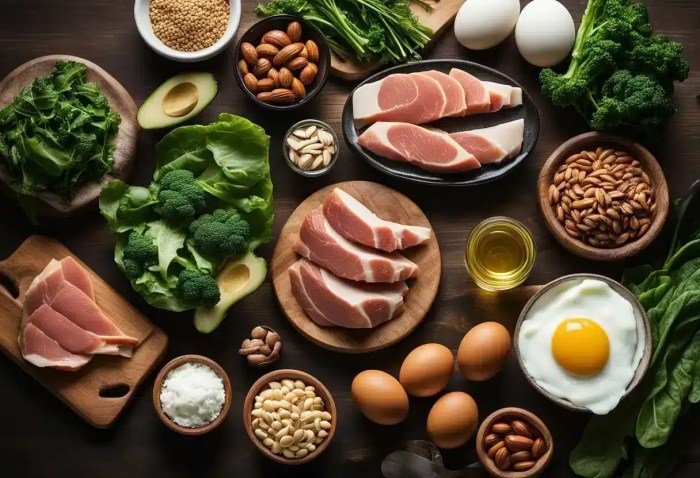
- Prioritize Protein-Rich Food Choices: Focus on lean protein sources such as poultry (chicken and turkey), fish (salmon, tuna, cod), red meat (beef, lamb), eggs, and full-fat dairy (if tolerated). These foods provide essential amino acids, promoting satiety and supporting muscle mass.
- Plan Protein-Focused Meals: Structure meals around protein, ensuring each meal contains a substantial portion of a protein source. This can include a generous serving of grilled chicken breast with a side of non-starchy vegetables, or a salmon fillet with a portion of asparagus.
- Incorporate Protein at Every Meal: Aim to include protein in every meal and snack to maintain stable blood sugar levels and keep hunger at bay throughout the day. This could involve adding a hard-boiled egg to a morning salad, having a handful of nuts between meals, or including protein powder in a post-workout shake.
- Choose Protein-Rich Snacks: Opt for protein-rich snacks between meals to manage hunger and prevent overeating. Examples include cheese sticks, a few slices of deli meat, or a small serving of nuts and seeds.
- Monitor and Adjust Protein Intake: Adjust protein intake based on individual needs, activity levels, and weight loss goals. Some individuals may benefit from slightly higher protein intake, while others may find that moderate amounts are sufficient.
- Consider Protein Supplements: Protein powders, such as whey, casein, or plant-based options, can be a convenient way to boost protein intake, particularly for those who struggle to meet their protein needs through food alone.
- Focus on Whole, Unprocessed Foods: Choose whole, unprocessed protein sources over processed options whenever possible. Processed foods may contain hidden carbohydrates or additives that can hinder weight loss efforts.
Optimizing Macronutrient Ratios for Effective Weight Loss
To achieve successful weight loss on a high-protein ketogenic diet, carefully managing macronutrient ratios is crucial. These ratios determine the body’s primary fuel source and influence metabolic processes. Properly calibrated macronutrients ensure ketosis, promote satiety, and facilitate fat burning while preserving lean muscle mass. This section delves into the recommended macronutrient proportions and provides a practical guide for personalizing them.
Recommended Macronutrient Ratios
The standard high-protein ketogenic diet emphasizes a specific balance of macronutrients to promote weight loss. The aim is to shift the body’s primary energy source from glucose (derived from carbohydrates) to ketones (produced from fat). This metabolic shift requires a significant reduction in carbohydrate intake and a moderate increase in protein, with the remainder of calories coming from fats.The typical macronutrient breakdown for a high-protein keto diet is as follows:* Protein: Aim for approximately 30-35% of your total daily calories.
This elevated protein intake is critical for preserving muscle mass, enhancing satiety, and boosting metabolism through the thermic effect of food.
Fat
This macronutrient should constitute roughly 60-65% of your total daily calories. Fat provides the primary energy source in the absence of sufficient carbohydrates, supporting ketone production and overall metabolic function. Choose healthy fats from sources like avocados, olive oil, nuts, and fatty fish.
Carbohydrates
Restrict carbohydrate intake to a very low level, typically around 5-10% of total daily calories, or generally, less than 50 grams of net carbohydrates per day. This restriction is essential to induce and maintain ketosis, the metabolic state where the body burns fat for fuel. Focus on non-starchy vegetables and limit fruits to small portions.These ratios are a general guideline.
Individual needs may vary based on factors like activity level, body composition, and weight loss goals. It is advisable to adjust the ratios as necessary and monitor progress to optimize results. Remember to consult with a healthcare professional or a registered dietitian before making significant dietary changes.
Calculating Individual Macronutrient Needs
Personalizing macronutrient targets is essential for maximizing weight loss results. This involves calculating your individual protein, fat, and carbohydrate needs based on your body weight, activity level, and weight loss goals.Here’s a step-by-step guide:
- Determine Your Calorie Needs: Begin by estimating your daily caloric needs. A general starting point is to multiply your body weight (in pounds) by 10-12 for weight loss. The higher end of this range is appropriate for individuals with higher activity levels. For example, a 150-pound individual aiming to lose weight might start with 1500-1800 calories per day.
- Calculate Protein Intake: Multiply your body weight (in pounds) by 0.8 to 1.0 grams of protein per pound of body weight. The higher end of the range is suitable for those with higher activity levels or those aiming to build or preserve muscle mass. For instance, a 150-pound person might aim for 120-150 grams of protein daily.
- Calculate Carbohydrate Intake: Limit carbohydrate intake to 20-50 grams of net carbs per day. Net carbs are calculated by subtracting fiber from total carbohydrates. This low carbohydrate intake is the cornerstone of the ketogenic diet.
- Calculate Fat Intake: After determining your protein and carbohydrate intake, calculate the remaining calories to be derived from fat. Calculate the number of calories from protein by multiplying protein grams by 4 (since there are 4 calories per gram of protein). Do the same for carbohydrates. Subtract the total calories from protein and carbohydrates from your total daily calorie target. Then, divide the remaining calories by 9 (since there are 9 calories per gram of fat) to determine your fat grams.
- Adjust as Needed: Monitor your progress regularly. Adjust your macronutrient targets based on your weight loss, energy levels, and overall well-being. If weight loss stalls, consider slightly increasing protein or decreasing fat intake.
Sample Meal Plan with Macronutrient Breakdowns
The following is an example meal plan to illustrate how to apply these calculations. This example is for a person with a 150-pound body weight, aiming for 1600 calories per day, and following a high-protein ketogenic diet.
Macronutrient Targets:
- Calories: 1600
- Protein: 135 grams (33.75% of calories)
- Fat: 100 grams (56.25% of calories)
- Net Carbs: 25 grams (6.25% of calories)
Sample Meal Plan:
- Breakfast (400 calories): 3 scrambled eggs (20g protein, 30g fat, 2g net carbs) with 1/4 avocado (3g protein, 7g fat, 2g net carbs) and 2 slices of bacon (6g protein, 6g fat, 0g net carbs).
- Lunch (450 calories): 4 oz grilled chicken breast (35g protein, 10g fat, 0g net carbs) with 2 cups of mixed greens (3g protein, 1g fat, 5g net carbs) and 2 tablespoons of olive oil and vinegar dressing (0g protein, 28g fat, 0g net carbs).
- Dinner (500 calories): 6 oz salmon (40g protein, 25g fat, 0g net carbs) with 1 cup of steamed broccoli (3g protein, 1g fat, 5g net carbs) cooked in butter (0g protein, 11g fat, 0g net carbs).
- Snack (250 calories): 1 oz macadamia nuts (2g protein, 21g fat, 3g net carbs) and 1 oz cheddar cheese (7g protein, 7g fat, 1g net carbs).
Choosing the Right Protein Sources for a High-Protein Keto Diet

Selecting the appropriate protein sources is paramount for successfully implementing a high-protein ketogenic diet. This ensures adequate protein intake for satiety, muscle preservation, and metabolic function, while staying within the ketogenic parameters. Understanding the nutritional profile of different protein options allows for informed dietary choices.
Animal-Based Protein Sources
Animal-based proteins are generally considered complete proteins, meaning they contain all nine essential amino acids. They are also rich in various micronutrients.
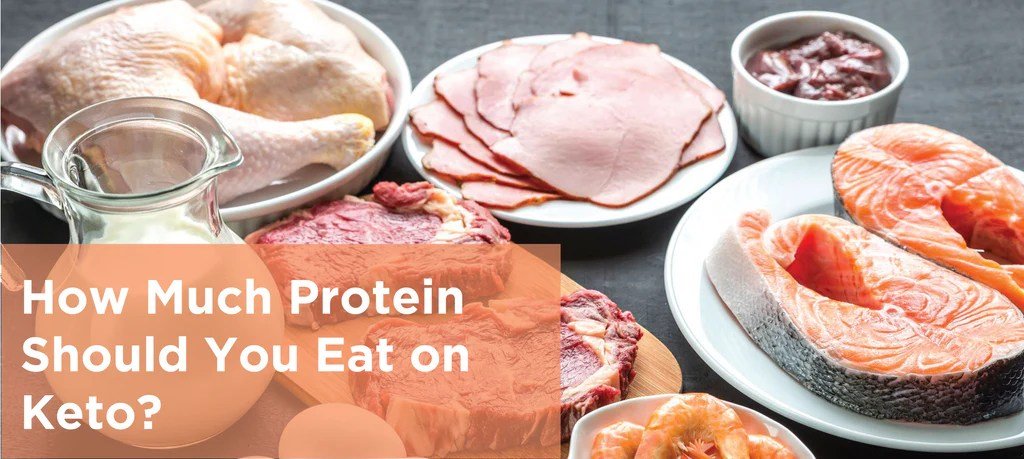
- Meat: Beef, pork, lamb, and other red meats are excellent sources of protein, iron, and B vitamins. Grass-fed options often have a better omega-3 to omega-6 fatty acid ratio. For example, a 3-ounce serving of cooked beef provides approximately 22 grams of protein.
- Poultry: Chicken and turkey are lean protein sources, lower in fat than many red meats. They are rich in niacin and selenium. A 3-ounce serving of cooked chicken breast typically offers around 26 grams of protein.
- Fish and Seafood: Fatty fish like salmon, mackerel, and sardines are packed with protein and omega-3 fatty acids, which are beneficial for heart health and brain function. White fish such as cod and haddock are leaner options. A 3-ounce serving of salmon contains about 17 grams of protein.
- Eggs: Eggs are a versatile and affordable protein source, providing all essential amino acids and a range of vitamins and minerals. They are also a good source of choline, important for brain health. A large egg contains approximately 6 grams of protein.
- Dairy (Full-Fat Options): While some people may be sensitive to dairy, full-fat options like cheese and heavy cream can be included in moderation. They provide protein and fat, contributing to the ketogenic macros. Cheddar cheese, for example, offers around 7 grams of protein per ounce.
Plant-Based Protein Sources
Plant-based protein sources can be incorporated into a high-protein keto diet, though careful planning is needed to ensure a complete amino acid profile.
- Tofu and Tempeh: These soy-based products are relatively high in protein and can be incorporated into a ketogenic diet if prepared carefully to minimize carbohydrates. A 3-ounce serving of firm tofu provides around 8 grams of protein.
- Nuts and Seeds: While high in fat, nuts and seeds also offer a moderate amount of protein. Examples include almonds, walnuts, chia seeds, and flaxseeds. However, portion control is crucial due to their calorie density. One ounce of almonds contains about 6 grams of protein.
- Protein Powders (Plant-Based): Options like pea protein and hemp protein can be used to supplement protein intake. Always check the carbohydrate content to ensure they fit within your daily keto limits. A typical serving of pea protein powder offers around 25 grams of protein.
Common Challenges and How to Overcome Them in High-Protein Keto
Embarking on a high-protein keto diet can be a transformative experience, but it’s not without its hurdles. Understanding these common challenges and proactively addressing them is crucial for a smooth transition and sustained success. The initial period can be particularly challenging as your body adapts to the metabolic shift.
Potential Side Effects of High-Protein Keto
The transition into high-protein keto can trigger a range of side effects, often collectively referred to as the “keto flu.” These symptoms typically arise as the body adjusts from burning glucose to utilizing ketones for energy. The keto flu usually appears within the first few days and can last for a week or two, but it varies from person to person.
Common symptoms include headaches, fatigue, brain fog, nausea, and irritability. These symptoms arise due to electrolyte imbalances and the body’s adaptation process. Furthermore, digestive issues, such as constipation, can also arise due to reduced fiber intake, a common consequence of restricting carbohydrate consumption. Other potential issues include muscle cramps, bad breath (keto breath), and insomnia. The body’s reliance on fat for fuel can also affect the digestive system, potentially leading to diarrhea in some individuals.
These challenges are usually temporary, and can be managed through strategic dietary and lifestyle adjustments.
Strategies to Mitigate Challenges
Addressing the challenges of a high-protein keto diet requires a proactive and informed approach. Several strategies can help alleviate symptoms and ensure a more comfortable and sustainable experience.
- Hydration and Electrolyte Balance: Maintaining adequate hydration and electrolyte levels is paramount. Keto dieters often lose electrolytes through increased urination, contributing to symptoms like headaches and fatigue.
- Drink plenty of water throughout the day, aiming for at least eight glasses.
- Supplement with electrolytes, such as sodium, potassium, and magnesium. Bone broth, electrolyte tablets, or adding a pinch of salt to your water can help.
- Fiber Intake: Constipation is a common issue on keto due to the reduction in carbohydrate-rich foods, which are often high in fiber.
- Prioritize fiber-rich, low-carb vegetables, such as leafy greens, broccoli, and cauliflower.
- Consider adding psyllium husk or other fiber supplements to your diet, but always increase water intake accordingly.
- Gradual Transition: Avoid a sudden, drastic change in your diet. A gradual reduction in carbohydrates can give your body time to adapt, potentially lessening the severity of keto flu symptoms. For example, begin by reducing carbohydrates by 20-30 grams per day for the first week, then gradually reduce further.
- Adequate Fat Intake: While the diet is high-protein, it’s still essential to consume enough healthy fats to provide sufficient energy and support overall health.
- Include sources of healthy fats, such as avocados, olive oil, nuts, and seeds, in your meals.
- Ensure that fat intake aligns with your individual needs and activity level.
- Listen to Your Body: Pay close attention to how your body responds to the diet.
- If you experience persistent or severe symptoms, consult with a healthcare professional or a registered dietitian.
- Adjust your diet and supplement intake based on your body’s needs and how you feel.
Adjusting the Diet and Addressing Obstacles
Adapting your diet and lifestyle is essential for long-term success. Addressing obstacles requires flexibility and a willingness to make adjustments.For example, consider the scenario of a 35-year-old individual starting a high-protein keto diet. They initially experience severe keto flu symptoms, including debilitating headaches and fatigue. To address this, they implement the strategies Artikeld above. They begin drinking at least 3 liters of water per day and add a pinch of Himalayan pink salt to their water to boost sodium intake.
They also start taking a magnesium supplement before bed to combat muscle cramps and aid sleep. After a week, the headaches significantly reduce, and their energy levels improve. They also increase their intake of non-starchy vegetables, such as spinach and kale, to address the constipation.Another example involves an individual struggling with maintaining adequate fat intake. They find themselves constantly hungry and experience cravings.
To combat this, they start incorporating more healthy fats into their meals. For instance, they add avocado slices to their breakfast eggs, drizzle olive oil on their salads, and snack on a handful of almonds between meals. They also start cooking with coconut oil or ghee. These adjustments help increase satiety and reduce cravings, making it easier to stick to the diet.Moreover, if someone experiences persistent digestive issues despite increasing fiber intake, they might consider adding a probiotic supplement to support gut health.
Additionally, if an individual is very active, they might need to increase their protein and fat intake to meet their energy demands. Conversely, someone who is sedentary might need to moderate their overall calorie intake to promote weight loss. These examples highlight the importance of individualization and the need to adjust the diet based on individual needs, symptoms, and responses.
The key is to be adaptable and persistent, focusing on finding the right balance for your body to achieve sustainable weight loss and overall well-being.
Monitoring Progress and Making Adjustments for Optimal Results
Tracking progress and making informed adjustments are crucial for success on a high-protein ketogenic diet. Regularly monitoring key metrics allows individuals to assess the effectiveness of their dietary and lifestyle choices, identify potential roadblocks, and optimize their approach for sustainable weight loss and overall health improvement. This iterative process of assessment and adjustment is fundamental to achieving desired outcomes and maintaining long-term adherence to the diet.Regular monitoring provides valuable insights into how the body responds to the high-protein keto diet.
Tracking specific metrics allows individuals to identify trends, celebrate successes, and address challenges proactively. By carefully observing these indicators, it’s possible to fine-tune the diet, exercise routine, and lifestyle factors for optimal results. Neglecting this crucial step can lead to stagnation, frustration, and ultimately, failure to reach weight loss and health goals.
Tracking Key Metrics and Interpreting Results
To effectively monitor progress, several key metrics should be tracked consistently. The frequency of tracking can vary depending on individual preferences and goals, but generally, weekly or bi-weekly assessments are sufficient to identify trends. This information can then be used to make informed decisions.
- Weight: Weighing oneself regularly, ideally at the same time of day and under similar conditions (e.g., first thing in the morning, after using the restroom), provides a direct measure of weight loss. Fluctuations are normal, so focusing on the overall trend over time is essential. A healthy rate of weight loss is generally considered to be 1-2 pounds per week.
- Body Measurements: Measuring waist circumference, hips, arms, and thighs provides a more nuanced view of body composition changes than weight alone. These measurements can reveal fat loss even if the scale doesn’t move significantly, particularly during the initial stages of the diet when water weight fluctuations are common.
- Body Composition Analysis: Consider using methods like bioelectrical impedance analysis (BIA) or DEXA scans (if accessible) to track changes in body fat percentage and lean muscle mass. This provides a more detailed understanding of how the body is changing and helps to ensure that weight loss is primarily from fat rather than muscle.
- Symptoms and Energy Levels: Keeping a journal to track symptoms such as headaches, fatigue, and digestive issues can help identify any negative side effects. Also, monitoring energy levels throughout the day provides insights into how the diet is affecting overall well-being. A decrease in these issues can indicate adaptation to the diet.
- Food Journaling: Recording everything consumed, including portion sizes and macronutrient breakdown (protein, fat, and carbohydrates), is essential for ensuring adherence to the diet and identifying any potential issues, such as hidden carbs or inadequate protein intake.
- Exercise Performance: Tracking workouts, including sets, reps, and weights lifted, can help assess whether strength and endurance are maintained or improved on the diet. This is particularly important for individuals engaged in resistance training.
Making adjustments based on these metrics is crucial for continued progress. If weight loss stalls or if there are negative side effects, several areas can be adjusted. These may include the following:
- Macronutrient Ratios: Fine-tune the macronutrient ratios to ensure adequate protein intake (typically 1.2-1.7 grams per kilogram of body weight) and sufficient fat to maintain satiety. Adjust carbohydrate intake as needed to maintain ketosis.
- Calorie Intake: If weight loss stalls, consider slightly reducing overall calorie intake, but be cautious not to restrict calories excessively, as this can lead to muscle loss and metabolic slowdown.
- Protein Source: Vary protein sources to ensure a balanced intake of essential amino acids and micronutrients.
- Hydration and Electrolytes: Ensure adequate water intake and supplement with electrolytes (sodium, potassium, magnesium) to mitigate symptoms of the “keto flu” and support overall health.
- Exercise Routine: Adjust the exercise routine to include a combination of resistance training and cardiovascular exercise to optimize fat loss and preserve muscle mass.
- Sleep and Stress Management: Prioritize sleep and manage stress levels, as these factors significantly impact weight loss and overall health.
Understanding Blood Ketone Monitoring
Blood ketone monitoring provides a direct and accurate assessment of ketosis. Measuring the concentration of ketones (primarily beta-hydroxybutyrate, or BHB) in the blood allows individuals to gauge the effectiveness of their dietary choices and make adjustments to optimize fat burning and overall health. The information gathered from these measurements is crucial.Blood ketone meters are readily available and provide a quick and convenient way to measure ketone levels.
The optimal range for therapeutic ketosis, often associated with fat burning and metabolic benefits, typically falls between 0.5 and 3.0 mmol/L. This range can vary slightly depending on individual factors and goals.Interpreting blood ketone readings involves considering several factors. A reading below 0.5 mmol/L generally indicates that the body is not in ketosis or is in a very mild state of ketosis.
Readings between 0.5 and 1.5 mmol/L typically represent nutritional ketosis, which is sufficient for many individuals to experience weight loss and other benefits. Readings between 1.5 and 3.0 mmol/L indicate a deeper state of ketosis, which can be associated with increased fat burning and potentially more pronounced metabolic effects. However, higher ketone levels are not necessarily better, and some individuals may experience side effects at very high levels.Several factors can influence blood ketone levels.
These include carbohydrate intake, protein intake, exercise, stress, sleep, and individual metabolism. Consuming too many carbohydrates will likely lower ketone levels, potentially pushing the body out of ketosis. Excessive protein intake can also impact ketone production, as the body can convert excess protein into glucose through a process called gluconeogenesis. Exercise can increase ketone levels by promoting fat oxidation. Stress and lack of sleep can also affect ketone production.Monitoring blood ketones can guide dietary and lifestyle adjustments.
If ketone levels are consistently low, it may be necessary to further restrict carbohydrate intake or increase fat intake. If ketone levels are consistently high, it may be possible to slightly increase carbohydrate intake while still maintaining ketosis. This allows for greater flexibility in food choices.For example, an individual consistently reading blood ketones at 0.3 mmol/L might consider reducing daily carbohydrate intake from 30 grams to 20 grams to improve ketone production.
Conversely, an individual consistently reading blood ketones at 2.8 mmol/L might experiment with increasing carbohydrate intake to 30 grams per day, while still maintaining ketosis, to improve dietary flexibility and avoid unnecessary restriction.By regularly monitoring blood ketones and making appropriate adjustments, individuals can optimize their high-protein ketogenic diet for effective fat burning, improved metabolic health, and overall well-being.
Epilogue
In conclusion, How High-Protein Keto Helps You Lose Weight offers a comprehensive strategy for achieving sustainable weight loss. By understanding the metabolic processes, optimizing macronutrient ratios, and choosing the right protein sources, you can effectively manage your weight while preserving muscle mass and controlling hunger. This approach requires careful planning and consistent monitoring, but the rewards of improved health and a leaner physique are well worth the effort.
Embracing this lifestyle empowers you to take control of your health journey and achieve lasting results.
Question Bank
What is the difference between a standard keto diet and a high-protein keto diet?
A standard keto diet focuses primarily on high fat intake, moderate protein, and very low carbohydrates. A high-protein keto diet maintains the low-carb and high-fat aspects but significantly increases protein consumption, often aiming for 1.2 to 1.7 grams of protein per kilogram of body weight.
Can I build muscle on a high-protein keto diet?
Yes, the increased protein intake on a high-protein keto diet can support muscle maintenance and, with proper exercise, even muscle growth. The combination of sufficient protein and the metabolic benefits of ketosis helps preserve muscle mass while burning fat.
How do I know if I’m in ketosis?
You can monitor your ketone levels using urine strips, blood ketone meters, or breath ketone analyzers. Blood ketone meters provide the most accurate readings. Aim for a blood ketone level between 0.5 and 3.0 mmol/L to be in optimal ketosis.
What are the common side effects of the keto flu, and how can I manage them?
The keto flu includes symptoms like headaches, fatigue, and nausea. Staying hydrated, replenishing electrolytes (sodium, potassium, magnesium), and gradually increasing your carbohydrate intake can help mitigate these effects.
How long does it take to see results on a high-protein keto diet?
Results vary depending on individual factors, but many people experience initial weight loss within the first week or two. Consistent adherence to the diet, combined with regular exercise, usually leads to noticeable and sustainable weight loss within a few weeks to months.
