Embarking on a high-protein keto diet can be a transformative journey, offering potential benefits like enhanced weight management, increased energy levels, and improved metabolic health. However, navigating this dietary approach requires a solid understanding of its principles, potential challenges, and best practices. This guide aims to provide a comprehensive overview, ensuring you can safely and effectively incorporate this diet into your lifestyle.
We’ll delve into the intricacies of macronutrient ratios, explore the science behind ketosis, and discuss essential food choices. Moreover, we’ll address potential side effects, provide practical meal planning strategies, and offer guidance on monitoring your progress. By the end, you’ll be well-equipped to make informed decisions and optimize your high-protein keto experience.
Understanding the Foundations of a High-Protein Keto Diet is Crucial for Success

Embarking on a high-protein keto diet requires a solid understanding of its fundamental principles. This approach, while sharing similarities with a standard ketogenic diet, emphasizes a higher protein intake, which influences macronutrient ratios and impacts the body’s metabolic processes. Understanding these core concepts is paramount for safe and effective implementation.
Core Principles and Macronutrient Ratios
The high-protein ketogenic diet is a dietary approach that combines the principles of both high-protein and ketogenic diets. Its primary focus is to shift the body’s primary fuel source from glucose (derived from carbohydrates) to ketones (produced from fat). This shift, known as ketosis, is achieved by significantly restricting carbohydrate intake while ensuring adequate fat consumption and, importantly, increasing protein intake compared to a standard ketogenic diet.The macronutrient ratios are the cornerstone of this diet.
While the exact ratios can vary slightly based on individual needs and goals, the general guidelines are as follows:
- Protein: Typically comprises 25-35% of daily caloric intake. This elevated protein level is crucial for preserving muscle mass, supporting satiety, and providing building blocks for various bodily functions. The higher protein intake is a defining characteristic of this diet, setting it apart from a standard keto diet.
- Fat: Constitutes 55-65% of daily caloric intake. Fat is essential for providing the majority of the calories and ensuring adequate ketone production. Choosing healthy fats from sources like avocados, olive oil, nuts, and fatty fish is recommended.
- Carbohydrates: Limited to 5-10% of daily caloric intake (typically 20-50 grams net carbs per day). This severe restriction is necessary to deplete glycogen stores and trigger ketosis. Non-starchy vegetables are often included in this allowance.
This higher protein approach can be particularly beneficial for individuals aiming to maintain or build muscle mass while losing weight. It also provides a greater sense of fullness, potentially aiding in appetite control and adherence to the diet. The careful balance of these macronutrients is key to achieving and maintaining the desired metabolic state.
Entering and Maintaining Ketosis
Ketosis is a metabolic state where the body primarily uses ketones for energy instead of glucose. This process is triggered by a significant reduction in carbohydrate intake, leading to a depletion of glycogen stores in the liver and muscles. The liver then begins to break down fatty acids into ketone bodies: acetoacetate, beta-hydroxybutyrate (BHB), and acetone. These ketones are then used as fuel by the brain and other tissues.The process of entering ketosis typically unfolds in stages:
- Glycogen Depletion: Within the first few days of carbohydrate restriction, the body starts utilizing stored glycogen for energy. As glycogen levels decrease, the body begins to seek alternative fuel sources.
- Fat Breakdown: The liver increases its breakdown of fatty acids, releasing them into the bloodstream.
- Ketone Production: As fatty acid breakdown accelerates, the liver converts these fatty acids into ketone bodies. The production of ketones increases gradually.
- Ketone Utilization: Once ketone levels reach a certain threshold (typically 0.5 mmol/L or higher in the blood), the body enters ketosis. The brain and other tissues start using ketones as their primary fuel source.
Maintaining ketosis requires consistent adherence to the macronutrient guidelines. Factors that can disrupt ketosis include consuming excessive carbohydrates, inadequate fat intake, or high levels of stress. Monitoring ketone levels through blood, urine, or breath tests can help individuals assess their progress and make necessary adjustments to their diet or lifestyle. The body’s adaptation to using ketones can take several days to a few weeks, and it’s common to experience initial side effects like the “keto flu” (fatigue, headache, and nausea).
Key Benefits of a High-Protein Keto Diet
The high-protein keto diet offers several potential benefits that make it an appealing dietary choice for certain individuals. These benefits often stem from the combined effects of ketosis and increased protein intake.
- Muscle Preservation: The elevated protein intake helps to mitigate muscle loss, a common concern during weight loss. Protein provides the necessary amino acids for muscle repair and growth, especially when combined with resistance training. This is a significant advantage over standard ketogenic diets, which might not prioritize protein as heavily.
- Appetite Control: Protein and ketones can both contribute to increased satiety, reducing hunger and cravings. Protein is known for its satiating effect, while ketones may also influence appetite-regulating hormones. This can make it easier to adhere to the diet and manage calorie intake.
- Metabolic Advantages: The high-protein keto diet can improve insulin sensitivity and support weight loss. Ketosis can lead to increased fat burning, and the body’s adaptation to using ketones for fuel can also improve metabolic efficiency. Studies have shown that a high-protein diet can increase the thermic effect of food (the energy required to digest and process food), potentially boosting metabolism.
These benefits, however, should be considered in conjunction with potential risks and individual health conditions. It is important to consult with a healthcare professional or a registered dietitian before starting any new diet.
Identifying Potential Risks and Side Effects Before Starting a High-Protein Keto Diet is Essential
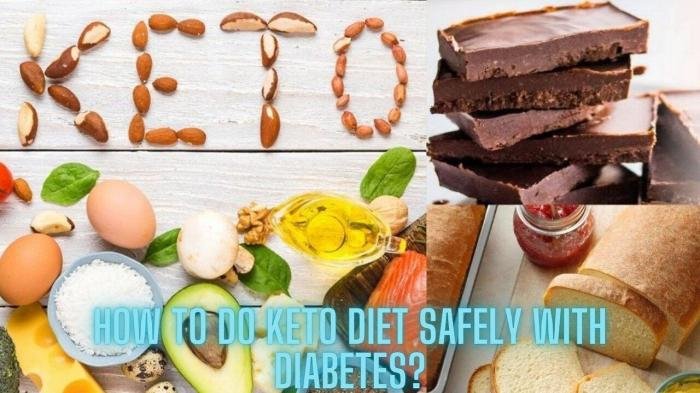
Before embarking on a high-protein ketogenic diet, it is crucial to understand the potential downsides and how to manage them. This diet, while potentially beneficial for some, can present challenges. Careful consideration and proactive measures are essential to ensure a safe and successful transition. Awareness of potential side effects and pre-existing conditions is key to mitigating risks and optimizing health outcomes.
Potential Side Effects of a High-Protein Keto Diet and Mitigation Strategies
The high-protein keto diet, while offering potential benefits, can cause several side effects. Understanding these effects and implementing strategies to mitigate them is crucial for a positive experience. The body undergoes significant metabolic shifts, and these changes can manifest in various ways.One of the most common initial experiences is the “keto flu.” This is a temporary set of symptoms that can include headaches, fatigue, nausea, and irritability.
This is primarily caused by electrolyte imbalances and the body’s adaptation to using ketones for fuel. To combat the keto flu, ensure adequate hydration by drinking plenty of water, and replenish electrolytes through bone broth, electrolyte supplements, or consuming foods rich in sodium, potassium, and magnesium.Constipation is another frequently reported side effect. The reduced intake of fiber, common in a ketogenic diet, can slow down bowel movements.
To address this, increase your intake of non-starchy vegetables, which are relatively low in carbohydrates but high in fiber. Consider taking a fiber supplement, such as psyllium husk, and ensuring adequate water intake.Kidney strain is a potential concern, particularly with high protein intake. The kidneys are responsible for filtering waste products, including those from protein metabolism. While healthy kidneys can usually handle increased protein, excessive intake, combined with dehydration, can potentially put undue stress on the kidneys.
To mitigate this risk, monitor your water intake carefully, aiming for at least eight glasses per day. Consult with a healthcare professional to determine an appropriate protein intake based on your individual needs and kidney function. Regular monitoring of kidney function through blood tests is advisable.Other potential side effects include bad breath (ketone breath), which is caused by the breakdown of fats, and can often be managed with sugar-free mints or chewing gum; and muscle cramps, which are often related to electrolyte imbalances, which can be addressed with electrolyte supplements.
Specific Risks for Individuals with Pre-existing Medical Conditions
Individuals with pre-existing medical conditions need to exercise extreme caution before starting a high-protein keto diet. This dietary approach may not be suitable for everyone, and it is imperative to consult a healthcare professional before making any significant dietary changes. Certain conditions can be exacerbated by the diet, and careful monitoring is essential.For individuals with kidney disease, the high protein intake can pose a significant risk.
The kidneys may already be compromised, and the increased workload from processing protein can further damage them. A healthcare provider can assess kidney function through blood tests and determine a safe level of protein intake, if any, for your specific situation. This may involve adjusting the diet or, in some cases, recommending against it altogether.Liver issues are another area of concern.
The liver plays a crucial role in fat metabolism. A high-fat diet, which is a core component of the ketogenic diet, can potentially worsen existing liver conditions. Conditions such as fatty liver disease (hepatic steatosis) could be exacerbated. Consulting a hepatologist or a healthcare provider with expertise in liver health is essential to assess the potential risks and determine if the diet is safe.
Regular monitoring of liver function through blood tests is also necessary.People with diabetes need to be especially careful. The ketogenic diet can affect blood sugar levels, and it can interact with diabetes medications. It is essential to work closely with a healthcare professional, such as a doctor or a certified diabetes educator, to monitor blood glucose levels and adjust medication dosages as needed.
Regular monitoring and adjustments are essential to prevent complications such as hypoglycemia (low blood sugar) or ketoacidosis (a dangerous buildup of ketones in the blood).Those with a history of eating disorders or disordered eating should approach the high-protein keto diet with extreme caution. The restrictive nature of the diet can trigger or worsen these conditions. Seeking guidance from a mental health professional, such as a therapist or psychiatrist, who specializes in eating disorders is crucial before considering this dietary approach.
They can help assess the potential risks and provide support to ensure that the diet does not negatively impact mental health.
Common Side Effects, Causes, and Solutions
Here is a table summarizing common side effects associated with a high-protein keto diet, their potential causes, and suggested solutions. Remember to always consult with a healthcare professional before making any significant dietary changes.
| Side Effect | Potential Causes | Solutions | Notes |
|---|---|---|---|
| Keto Flu (Headaches, Fatigue, Nausea) | Electrolyte Imbalance, Body Adapting to Ketosis | Hydrate, Electrolyte Supplements, Rest | Symptoms are usually temporary. |
| Constipation | Low Fiber Intake | Increase Non-Starchy Vegetables, Fiber Supplements, Hydrate | Gradually increase fiber intake to avoid bloating. |
| Kidney Strain | Excessive Protein Intake, Dehydration | Monitor Hydration, Moderate Protein Intake, Regular Check-ups | Consult with a healthcare provider to determine safe protein levels. |
| Bad Breath | Ketone Production | Sugar-Free Mints/Gum, Improved Oral Hygiene | This is a common and often temporary side effect. |
| Muscle Cramps | Electrolyte Imbalance | Electrolyte Supplements, Hydration, Potassium-Rich Foods | Ensure adequate intake of electrolytes, particularly sodium, potassium, and magnesium. |
Determining Appropriate Protein Intake for Optimal Results on a High-Protein Keto Diet is Necessary
Maintaining the right protein intake is a cornerstone of a successful high-protein keto diet. It’s crucial for preserving muscle mass, supporting metabolic function, and achieving desired body composition changes. This section focuses on understanding how to calculate and manage your protein consumption effectively.
Calculating Protein Intake Based on Individual Factors
Protein requirements on a high-protein keto diet are highly individualized. Determining the appropriate amount depends on several factors, including body weight, activity level, and fitness goals. A general guideline involves calculating protein needs based on lean body mass, which is the body weight minus fat mass. However, a simpler method, often used as a starting point, involves calculating protein intake based on total body weight, adjusting it according to the individual’s activity level and goals.The following formula is commonly used as a starting point:
Protein Intake (grams) = Body Weight (pounds) x Protein Factor
The protein factor varies depending on the activity level and goals. For sedentary individuals, a factor of 0.6 to 0.8 grams of protein per pound of body weight is typically sufficient. For those who are moderately active, such as those who exercise a few times a week, a factor of 0.8 to 1.0 grams per pound is generally recommended. Individuals with more intense exercise regimens or those aiming to build muscle may need a factor of 1.0 to 1.2 grams per pound or even slightly higher, particularly during periods of intense training or calorie restriction.
It is essential to monitor your body’s response and adjust the protein intake accordingly. Remember that these are guidelines, and individual needs can vary. It’s often beneficial to work with a healthcare professional or a registered dietitian to fine-tune your protein intake for optimal results.
Understanding Gluconeogenesis and Protein Intake’s Impact on Ketosis
Gluconeogenesis is the metabolic process by which the body converts non-carbohydrate sources, primarily amino acids from protein, into glucose. This process is essential for maintaining blood sugar levels, especially during periods of low carbohydrate intake, such as during a ketogenic diet. However, excessive protein intake can potentially impact ketosis.When protein intake exceeds the body’s needs, the excess amino acids can be converted into glucose through gluconeogenesis.
This can raise blood glucose levels, which, in turn, can reduce the production of ketones. While gluconeogenesis is a regulated process and the body will only convert protein to glucose as needed, consuming significantly more protein than required can hinder the body’s ability to maintain a state of ketosis. This is why it’s crucial to balance protein intake with fat consumption on a high-protein keto diet.
A well-formulated high-protein keto diet considers both protein and fat intake to ensure adequate ketone production and maintain metabolic benefits. Careful monitoring of ketone levels and blood glucose can help you to determine if protein intake is affecting ketosis.
Examples of Protein Intake Calculations for Different Individuals
To illustrate how protein intake can be tailored, consider the following examples:
- Sedentary Individual: A 150-pound individual who is mostly sedentary might calculate their protein needs as follows: 150 pounds x 0.7 grams/pound = 105 grams of protein per day.
- Moderately Active Individual: A 180-pound individual who exercises three times per week could aim for: 180 pounds x 0.9 grams/pound = 162 grams of protein per day.
- Highly Active Individual/Athlete: A 200-pound athlete who engages in intense training may need: 200 pounds x 1.1 grams/pound = 220 grams of protein per day. This athlete also needs to consider the source of protein and focus on lean protein sources to avoid excess fat intake.
These examples provide a starting point. It’s essential to monitor how your body responds and adjust the protein intake accordingly. Tracking ketone levels and overall energy levels can provide valuable insights into whether your protein intake is optimal. Consulting with a healthcare professional can provide personalized guidance.
Selecting the Right Foods to Support a High-Protein Keto Diet is a Critical Step
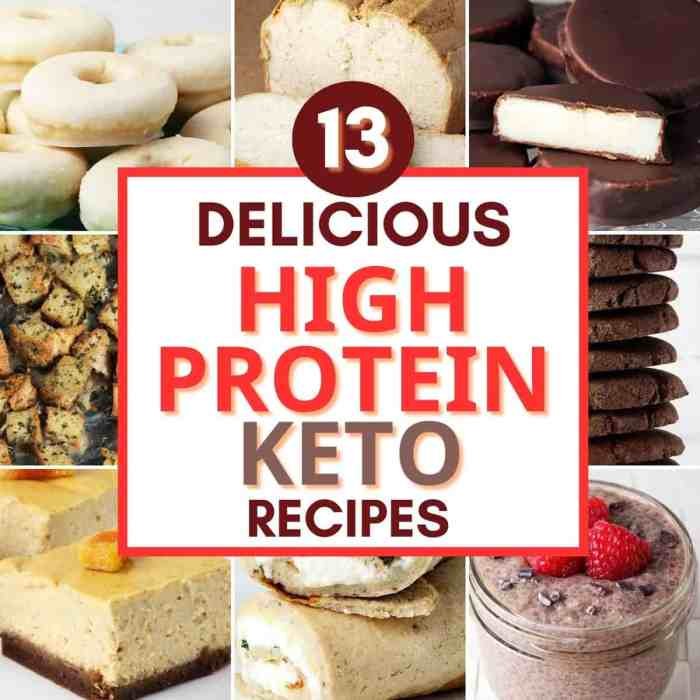
Choosing the right foods is fundamental to the success of a high-protein keto diet. The goal is to carefully balance macronutrients to achieve and maintain ketosis while providing adequate protein for muscle preservation and overall health. This involves making informed decisions about food choices, ensuring they align with the dietary principles of high protein, moderate fat, and very low carbohydrates.
Protein Sources for a High-Protein Keto Diet
A diverse range of protein sources is essential to meet the increased protein needs of this diet. Protein is crucial for maintaining muscle mass, supporting metabolic functions, and promoting satiety. Careful selection is key, focusing on high-quality, whole foods that are naturally low in carbohydrates.
- Meats: Opt for grass-fed beef, which offers a favorable omega-3 to omega-6 fatty acid ratio, and pork. Lamb and venison are excellent choices as well. These provide complete protein profiles.
- Poultry: Chicken and turkey, especially the dark meat, are excellent sources. Skin-on options are preferable as they contribute to the fat intake needed on a keto diet.
- Fish: Fatty fish like salmon, mackerel, sardines, and herring are ideal. They are rich in omega-3 fatty acids, which are beneficial for heart health and brain function. White fish like cod and halibut are also good protein sources.
- Eggs: Whole eggs are a complete protein source and are incredibly versatile. They can be prepared in various ways and are a convenient and affordable option.
- Vegetarian Options: While challenging to obtain sufficient protein on a vegetarian keto diet, some options exist. Tofu, tempeh, and seitan (gluten-based) can be included, but carbohydrate content should be carefully monitored. Dairy products like cheese and Greek yogurt can also contribute. Consider incorporating protein powders such as whey or soy isolate to meet daily protein goals.
Recommended Fats and Oils for Energy and Satiety
Fats are a primary energy source on a keto diet, replacing the carbohydrates typically used. Choosing the right fats is essential for providing energy, supporting hormone production, and promoting satiety. Healthy fats also contribute to the absorption of fat-soluble vitamins.
- Avocados and Avocado Oil: Avocados are rich in monounsaturated fats and fiber, making them an excellent choice. Avocado oil is versatile for cooking and provides similar benefits.
- Olive Oil: Extra virgin olive oil is a staple, providing monounsaturated fats and antioxidants. Use it for cooking at low to medium temperatures, and as a dressing.
- Coconut Oil: Contains medium-chain triglycerides (MCTs), which are easily converted into ketones. It is suitable for cooking and can be added to coffee or smoothies.
- Butter and Ghee: Provide saturated fats and flavor. Grass-fed options are preferable due to their higher nutrient content.
- Nuts and Seeds: Almonds, macadamia nuts, walnuts, chia seeds, and flaxseeds offer healthy fats, fiber, and some protein. Consume them in moderation due to their calorie density.
- Animal Fats: Lard and tallow can be used for cooking, providing a traditional source of saturated fat.
Low-Carbohydrate Vegetables and Other Foods for Nutritional Value and Ketosis
While carbohydrate intake is restricted, a variety of low-carb vegetables can be included to provide essential vitamins, minerals, and fiber. These choices are crucial for maintaining overall health and preventing nutrient deficiencies.
- Leafy Greens: Spinach, kale, lettuce, and other leafy greens are packed with nutrients and very low in carbohydrates. They can be used in salads, smoothies, or cooked.
- Cruciferous Vegetables: Broccoli, cauliflower, Brussels sprouts, and cabbage are excellent choices. They provide fiber and various vitamins and minerals.
- Other Vegetables: Asparagus, zucchini, bell peppers (in moderation), and mushrooms can be included.
- Berries: Small portions of berries, such as blueberries, raspberries, and strawberries, can be enjoyed occasionally. They are lower in carbs than most fruits.
- Dairy: Full-fat dairy products, such as cheese and heavy cream, can be used in moderation. Be mindful of their carbohydrate content.
- Other Foods: Bone broth provides nutrients and electrolytes. Unsweetened nut milks (almond, coconut) can be used as a milk substitute.
Creating a Meal Plan and Recipe Ideas for a High-Protein Keto Diet can Simplify Implementation

Adhering to a high-protein keto diet becomes significantly more manageable with a well-structured meal plan and a repertoire of delicious, keto-friendly recipes. Planning ahead and having readily available options reduces the temptation to stray from the diet and ensures consistent adherence, ultimately contributing to better results. This section offers practical guidance on creating a sample meal plan and provides several recipe ideas to get you started.
Designing a Sample One-Day Meal Plan
Creating a sample meal plan helps visualize how a high-protein keto diet can be incorporated into daily life. This example focuses on providing sufficient protein while maintaining the ketogenic ratio.Here is a sample one-day meal plan:* Breakfast (approx. 400 calories, 30g protein, 30g fat, 5g net carbs): Three-egg omelet with 2 oz. of cheddar cheese, 2 oz. of cooked sausage, and a handful of spinach.
Lunch (approx. 550 calories, 40g protein, 45g fat, 7g net carbs)
Large salad with 4 oz. grilled chicken breast, 2 tablespoons of olive oil and vinegar dressing, avocado (1/4 medium), and mixed greens. Add a side of celery sticks.
Snack (approx. 200 calories, 15g protein, 15g fat, 2g net carbs)
A handful (about 1 oz) of macadamia nuts or almonds.
Dinner (approx. 600 calories, 50g protein, 40g fat, 8g net carbs)
6 oz. baked salmon with 1 cup of steamed broccoli and 2 tablespoons of butter.This meal plan provides approximately 1750 calories, 135g of protein, 130g of fat, and 22g of net carbs, offering a good starting point. Adjust portion sizes and food choices based on individual needs and calorie requirements, always prioritizing high-quality protein sources and healthy fats. Remember to stay hydrated by drinking plenty of water throughout the day.
This sample plan is just a starting point, and individuals should adjust the plan based on their personal caloric needs and macronutrient targets. Consulting a healthcare professional or a registered dietitian is recommended to personalize the meal plan effectively.
Elaborating on High-Protein Keto Recipe Ideas
Having a variety of recipes at your disposal is crucial for maintaining interest and adherence to a high-protein keto diet. These recipes are designed to be both delicious and easy to prepare.Here are three high-protein keto recipe ideas:* Recipe 1: Keto-Friendly Chicken and Broccoli Stir-Fry
Ingredients
6 oz. chicken breast (diced), 1 cup broccoli florets, 1 tablespoon coconut oil, 2 tablespoons soy sauce (or tamari for gluten-free), 1 teaspoon sesame oil, 1/2 teaspoon ginger (grated), 1/4 cup chopped green onions.
Preparation
Heat coconut oil in a skillet or wok. Add chicken and cook until browned. Add broccoli and cook until tender-crisp. In a small bowl, whisk together soy sauce, sesame oil, and ginger. Pour the sauce over the chicken and broccoli, stirring to coat.
Cook for a few minutes until the sauce thickens slightly. Garnish with green onions.
Nutritional Information (approximate per serving)
Calories: 450, Protein: 45g, Fat: 25g, Net Carbs: 8g.
Recipe 2
Salmon with Asparagus and Lemon Butter Sauce
Ingredients
6 oz. salmon fillet, 1 bunch asparagus, 2 tablespoons butter, 1 tablespoon lemon juice, salt and pepper to taste.
Preparation
Preheat oven to 400°F (200°C). Place asparagus on a baking sheet and drizzle with olive oil, salt, and pepper. Bake for 10 minutes. Place salmon fillet on the baking sheet alongside the asparagus. Bake for another 12-15 minutes, or until salmon is cooked through.
While the salmon and asparagus are baking, melt butter in a small saucepan. Stir in lemon juice, salt, and pepper. Serve the lemon butter sauce over the salmon and asparagus.
Nutritional Information (approximate per serving)
Calories: 500, Protein: 40g, Fat: 35g, Net Carbs: 4g.
Recipe 3
Ground Beef and Cauliflower Rice Bowl
Ingredients
4 oz. ground beef, 1 cup cauliflower rice, 1 tablespoon olive oil, 1/4 cup chopped onion, 1/2 cup shredded cheddar cheese, salt and pepper to taste, optional: avocado.
Preparation
Brown ground beef in a skillet, drain excess fat. Add chopped onion and cook until softened. Add cauliflower rice and cook until heated through. Season with salt and pepper. Top with cheddar cheese and, if desired, add avocado.
Nutritional Information (approximate per serving)
Calories: 500, Protein: 35g, Fat: 35g, Net Carbs: 10g.
Presenting Quotes from Experienced Individuals
Hearing from individuals who have successfully implemented a high-protein keto diet can provide motivation and valuable insights. Their experiences offer practical advice and highlight the benefits of consistent adherence.
“Planning is absolutely key. I spend a couple of hours on the weekend prepping meals, which saves me so much time and prevents me from making poor food choices during the week.”
Sarah M., Keto Advocate.
“Don’t be afraid to experiment with different recipes. The more variety you have, the less likely you are to get bored and stray from your diet.”
John D., High-Protein Keto Success Story.
“Focus on whole, unprocessed foods. The more natural your diet, the better you’ll feel and the easier it will be to maintain your results.”
Emily S., Registered Dietitian and Keto Coach.
Monitoring Progress and Making Adjustments to a High-Protein Keto Diet is Important for Long-Term Adherence
Maintaining a high-protein keto diet requires consistent monitoring and adjustments to ensure optimal results and long-term adherence. This section will delve into the methods for tracking ketosis and provide guidance on how to modify your diet based on your individual progress. It’s crucial to understand that everyone responds differently to a ketogenic diet, and personalized adjustments are often necessary for success.
Monitoring Ketosis Using Various Methods
Monitoring ketone levels is essential to ensure you are in ketosis, the metabolic state where your body primarily uses fat for fuel. Several methods are available, each with its own advantages and disadvantages.
- Urine Strips: These are the most accessible and affordable option. Urine strips measure the excess ketones excreted in urine, primarily acetoacetate. They are easy to use, simply requiring you to urinate on the strip and compare the color change to a provided chart. However, urine strips are not as accurate as other methods, as ketone levels in urine can fluctuate due to hydration levels and other factors.
They also primarily measure acetoacetate, which is not the main ketone body used for fuel. They are most useful for initial monitoring to see if you are entering ketosis.
- Blood Ketone Meters: Blood ketone meters provide a more accurate measurement of beta-hydroxybutyrate (BHB), the primary ketone body used for energy. These meters require a small blood sample obtained through a finger prick. The readings are generally considered the most reliable method, offering a precise measurement of your ketone levels. However, blood ketone meters are more expensive than urine strips, and the testing process is more involved.
Monitoring BHB levels can help you fine-tune your diet for optimal results. For example, a reading between 0.5 and 3.0 mmol/L generally indicates nutritional ketosis.
- Breath Analyzers: Breath analyzers measure acetone, another ketone body, in your breath. These devices are non-invasive and reusable, making them a convenient option. The accuracy of breath analyzers falls between urine strips and blood ketone meters. They are generally less accurate than blood ketone meters but more so than urine strips. The readings are influenced by factors like hydration and recent exercise.
The choice of method depends on your budget, desired accuracy, and convenience. Starting with urine strips can be a good initial approach, followed by transitioning to a blood ketone meter for more precise tracking. Regular monitoring helps you understand how your body responds to the diet and make necessary adjustments. For example, if your ketone levels consistently remain low, you might need to reduce carbohydrate intake or increase fat consumption.
Last Point
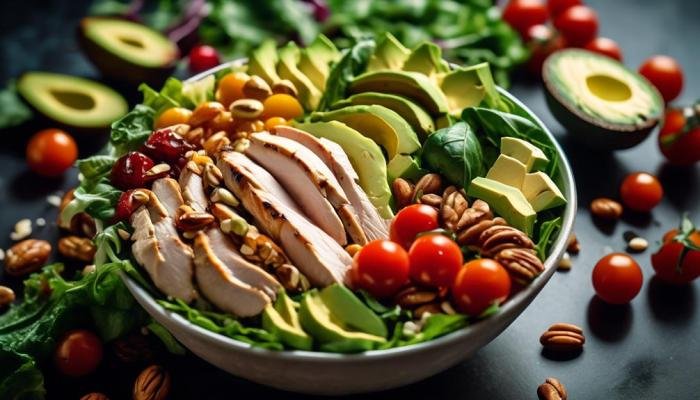
In conclusion, embracing a high-protein keto diet can be a rewarding experience when approached with knowledge and careful planning. By understanding the fundamentals, addressing potential risks, and implementing a personalized approach, you can harness the benefits of this diet while prioritizing your health and well-being. Remember to consult with healthcare professionals and continually monitor your progress to ensure long-term success and sustainability on your high-protein keto journey.
Related Reading
- What Is the High-Protein Keto Diet A Comprehensive Guide
- High-Protein Keto Diet Rules You Must Follow A Comprehensive Guide
- High-Protein Keto Diet Explained for Beginners A Comprehensive Guide
Frequently Asked Questions
What is the main difference between a standard keto diet and a high-protein keto diet?
The primary difference lies in the macronutrient ratios. A high-protein keto diet emphasizes a higher protein intake, typically around 30-35% of daily calories, while a standard keto diet focuses on a moderate protein intake, around 20-25% of calories.
Can I drink alcohol on a high-protein keto diet?
While some alcoholic beverages may be keto-friendly in moderation (e.g., hard liquors), it’s crucial to be mindful of carbohydrate content and how alcohol affects ketosis. It’s best to consume alcohol sparingly and track its impact on your progress.
How long does it take to enter ketosis?
The time it takes to enter ketosis varies depending on individual factors, but it typically ranges from 24 hours to a week. Sticking to the macronutrient guidelines and limiting carbohydrate intake are key to accelerating the process.
What should I do if I experience the “keto flu”?
The keto flu can manifest as fatigue, headaches, and other flu-like symptoms. Staying hydrated, replenishing electrolytes (sodium, potassium, magnesium), and gradually adjusting to the diet can help alleviate these symptoms.
Is a high-protein keto diet suitable for everyone?
No, a high-protein keto diet may not be suitable for everyone. Individuals with certain medical conditions, such as kidney disease, should consult a healthcare professional before starting the diet. Pregnant or breastfeeding women should also seek medical advice.
