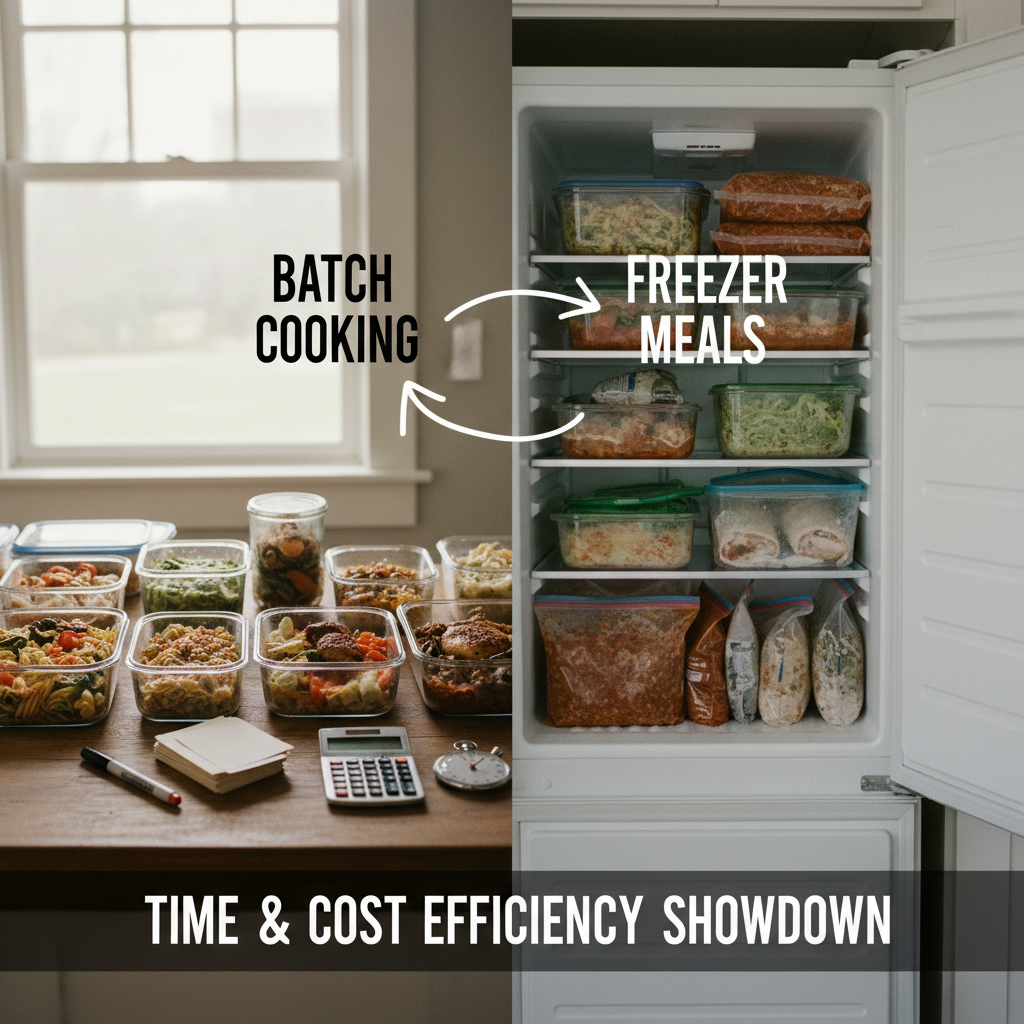
For many busy individuals and families navigating the hustle and bustle of modern life, the ultimate question in meal preparation boils down to this: Batch cooking generally offers superior day-to-day time efficiency and often results in a lower cost per meal due to fresher ingredients and less reliance on specialized freezing equipment, while freezer meals excel in long-term emergency readiness and significant time savings on specific “no-cook” nights. Both strategies are powerful tools for managing kitchen time and budget, but their optimal application depends heavily on individual lifestyle, dietary needs, and storage capacity.
The Verdict: Which is More Efficient: Batch Cooking or Freezer Meals?
After a thorough examination, it’s clear there isn’t a single “winner” in the efficiency showdown between batch cooking and freezer meals; instead, their value is contextual. Batch cooking typically offers better weekly time management and cost savings for consistent, fresh meals, making weeknights smoother. Freezer meals, conversely, provide unparalleled relief during exceptionally busy periods or for unexpected events, acting as a culinary safety net that saves significant last-minute decision-making time and potential takeout costs.
Defining the Meal Prep Strategies: Batch Cooking vs Freezer Meals
Understanding the core differences between these two popular meal prep approaches is crucial for identifying which best suits your household. While both aim to streamline mealtime, they employ distinct methodologies for achieving that goal. Let’s break down what each strategy entails.
What is Batch Cooking?
- Batch cooking* involves preparing larger quantities of individual ingredients or complete dishes at one time, typically once or twice a week, to be consumed over the next few days. This method focuses on efficiency in the short term, ensuring fresh, ready-to-eat meals or components are available throughout the week. Think of it as a strategic cooking session that minimizes daily kitchen cleanup and decision fatigue.
- Focus: Preparing food for immediate consumption (3-5 days).
- Examples: Roasting a large tray of vegetables, cooking a big pot of grains, grilling multiple chicken breasts, or making a family-sized lasagna to portion out.
- Benefits: Fresher taste, greater variety within a week, less freezer space required.
What are Freezer Meals?
- Freezer meals* are dishes specifically prepared, cooked, or assembled with the intention of being frozen for later consumption, often weeks or even months down the line. This strategy prioritizes long-term convenience and preparedness, allowing you to stock your freezer with ready-to-heat options for busy evenings or future needs. It’s about front-loading your cooking effort to reap benefits far into the future.
- Focus: Preparing food for long-term storage and future consumption.
- Examples: Casseroles, stews, soups, breakfast burritos, marinaded meats, or pre-assembled slow cooker kits.
- Benefits: Significant time savings on future cook nights, reduces food waste, excellent for new parents or emergencies.
How to Save Time with Batch Cooking vs Freezer Meals
Both strategies are designed to save you time during the week, but they do so in different ways and with varying upfront investments. Understanding these time dynamics is key to choosing the right approach for your lifestyle, especially for busy families across our community. Each strategy demands a different allocation of your precious hours.
Time Investment Breakdown for Weekly Batch Cooking
Weekly batch cooking involves a concentrated effort, usually on a weekend day, to prepare meals for the upcoming 3-5 days. This method is all about streamlining the cooking process and reducing daily kitchen tasks.
- Planning: 30-60 minutes (meal planning, grocery list).
- Shopping: 60-90 minutes (one trip for the week).
- Cooking Session: 2-4 hours (concurrent cooking, multi-tasking).
- Daily Reheating/Assembly: 5-15 minutes per meal.
- Total Weekly Time: Approximately 3.5 – 6.5 hours of active work, plus minimal daily effort.
Time Investment Breakdown for Marathon Freezer Meal Prep
- Freezer meal* preparation often involves a more intensive, less frequent cooking marathon, yielding a larger volume of meals. This approach aims to front-load cooking for weeks or months of future convenience.
- Planning: 1-2 hours (extensive meal planning, ingredient sourcing for multiple recipes).
- Shopping: 2-3 hours (larger grocery haul, potentially multiple stores).
- Cooking Session: 4-8 hours (often a full day, sometimes spread over two days).
- Daily Reheating/Cooking from Frozen: 15-60 minutes per meal (depending on the meal type and thawing).
- Total Monthly/Bi-Monthly Time: Approximately 7-13 hours for 15-30 meals, with significant future daily time savings.
Cost Analysis of Batch Cooking vs Freezer Meals
Cost efficiency is a major driver for many people adopting meal prep strategies. Both batch cooking and freezer meals can significantly reduce your grocery bill compared to daily cooking or takeout, but they achieve these savings through slightly different mechanisms. For families in our vibrant region, maximizing every dollar counts. Understanding the financial implications is critical for sustainable meal planning.
Data Breakdown: Grocery Savings and Cost Per Meal Table
This table illustrates a hypothetical cost comparison, highlighting potential savings when buying in bulk and reducing food waste. Prices can vary significantly based on local markets and ingredient choices.
| Category | Batch Cooking (Weekly) | Freezer Meals (Monthly) |
|---|---|---|
| Grocery Bill (Est.) | $80 – $120 (for 15-20 meals) | $250 – $400 (for 40-60 meals) |
| Cost Per Meal (Est.) | $4.00 – $6.00 | $4.00 – $6.50 |
| Food Waste Reduction | Moderate (fresh ingredients) | High (uses up bulk items) |
| Special Equipment | Basic kitchenware, containers | Freezer-safe containers, bags |
| Energy Costs | Consistent weekly usage | Higher initial, lower daily |
Is Batch Cooking Cheaper Than Freezer Meals?
- Batch cooking often proves slightly cheaper per meal in the immediate term, primarily because it focuses on using fresh ingredients that might not always be freezer-friendly or require less processing. You’re buying ingredients for specific dishes to be consumed within days, which can mean less upfront cost for specialized freezer bags or containers. Additionally, the constant rotation of fresh ingredients from local farmers’ markets can sometimes offer better per-unit pricing. Freezer meals, while offering bulk savings, can sometimes incur additional costs for specific freezer-friendly ingredients or require a larger initial investment in quality freezer storage solutions to prevent freezer burn and maintain taste. However, freezer meals offer immense savings by preventing last-minute takeout orders*, which are notoriously expensive.
Benefits of Batch Cooking vs Freezer Meals for Busy Families
For busy families across [Your City/Region], meal planning is not just about saving time; it’s about managing household chaos. Both batch cooking and freezer meals offer unique advantages that can transform weeknight dinners.
- Batch Cooking Benefits:
- Freshness: Meals taste fresher, as they haven’t been frozen and thawed.
- Variety: Easier to incorporate a wider variety of meals and ingredients throughout the week.
- Reduced Daily Stress: Components are ready, just assemble and heat.
- Dietary Control: Easier to adjust recipes based on weekly cravings or nutritional goals.
- Freezer Meal Benefits:
- Emergency Readiness: Perfect for unexpected busy nights, illness, or new baby arrivals.
- Long-Term Time Savings: Drastically cuts down on cooking multiple times a week for extended periods.
- Bulk Savings: Encourages buying ingredients in larger quantities, leading to potential per-unit savings.
- Less Food Waste: Utilizes ingredients that might otherwise spoil, turning them into future meals.
Freezer Meals vs Batch Cooking for Healthy Eating
Maintaining a healthy diet is a primary goal for many who embark on a meal prep journey. Both strategies empower you to make nutritious choices, but they approach the challenge from different angles.
- Batch cooking* offers immediate control over ingredients and portion sizes, allowing for very fresh, vibrant meals. You can easily incorporate seasonal produce from local markets, ensuring maximum nutrient content and flavor. The short turnaround from cook to consume means less concern about texture changes or nutrient degradation from freezing. It’s ideal for those who prioritize crisp vegetables and delicate flavors.
- Freezer meals* are excellent for healthy eating by removing the temptation of unhealthy takeout on busy nights. By preparing balanced, homemade meals in advance, you guarantee nutritious options are always available. While some delicate vegetables might not hold up as well, hearty stews, chili, and casseroles freeze beautifully, retaining their nutritional value. The key is to choose recipes that freeze well and to use proper freezing techniques to preserve quality. Both methods allow for complete control over salt, fat, and sugar content, making healthy eating more accessible.
Batch Cooking vs Freezer Meals for Beginners: Step-by-Step Guide
Starting your meal prep journey can feel daunting, but both batch cooking and freezer meals can be approached by beginners with a clear plan. Here’s a simplified step-by-step for each. Embarking on meal prep is straightforward with these foundational steps.
Batch Cooking for Beginners:
- Choose 2-3 Simple Recipes: Start with familiar, easy dishes (e.g., roasted chicken and veggies, a big salad with prepped protein, a simple pasta sauce).
- Make a Shopping List: List all ingredients needed for your chosen recipes.
- Shop Smart: Focus on fresh produce, lean proteins, and pantry staples.
- Prep Components: Wash and chop all vegetables, cook grains, and prepare proteins.
- Cook in Bulk: Roast vegetables, grill chicken, simmer sauces.
- Portion & Store: Divide cooked food into airtight containers for the next 3-5 days.
- Enjoy: Reheat or assemble meals daily.
Freezer Meals for Beginners:
- Select 1-2 Freezer-Friendly Recipes: Opt for robust dishes like chili, soup, or a casserole that freezes well.
- Plan for Multiples: Double or triple your chosen recipe to yield several portions.
- Grocery Haul: Buy ingredients in bulk for cost efficiency.
- Cook or Assemble: Prepare your chosen meal(s) according to the recipe.
- Cool Completely: Crucial for food safety and preventing ice crystals.
- Portion & Package: Divide into freezer-safe containers or bags, removing as much air as possible. Label clearly with contents and date.
- Freeze: Store flat if using bags to save space.
- Thaw & Reheat: When ready, thaw overnight in the fridge and reheat thoroughly.
Expert Analysis: Combining Both Strategies for Maximum Efficiency
The true power of meal prep lies not in choosing one strategy over the other, but in intelligently combining batch cooking and freezer meals to create a highly flexible and efficient system. This hybrid approach leverages the strengths of both, providing fresh daily options while maintaining a robust freezer stash for emergencies or exceptionally busy weeks.
Imagine dedicating your Sunday to a batch cooking session where you prepare enough grilled chicken, roasted sweet potatoes, and quinoa for 3-4 days of lunches and dinners. At the same time, you might also double a chili recipe, enjoying half fresh and freezing the other half in individual portions for future quick meals. This way, you enjoy fresh, vibrant meals most of the week, while also building a reliable backup supply. This integrated approach offers unparalleled flexibility and cost control, adapting to the dynamic schedules of families in any thriving community.
Key Takeaways: Batch Cooking vs Freezer Meals Time and Cost Efficiency
- Time Efficiency:
- Batch Cooking: Shorter weekly prep, minimal daily effort, ideal for consistent freshness.
- Freezer Meals: Longer, less frequent prep marathons, significant time savings on future cook nights.
- Hybrid: Maximizes time savings by addressing both short-term freshness and long-term readiness.
- Cost Efficiency:
- Batch Cooking: Often slightly lower cost per meal due to freshness, less specialized storage.
- Freezer Meals: Excellent for bulk savings and preventing expensive takeout, but may have higher initial setup costs for containers.
- Hybrid: Combines bulk purchasing with fresh ingredient rotation for optimal budget management.
- Flexibility & Lifestyle:
- Batch Cooking: Great for variety, dietary adjustments, and those who prefer fresh food.
- Freezer Meals: Perfect for unpredictable schedules, new parents, or those wanting to “cook once, eat many times” for months.
- Hybrid: The most adaptable strategy, catering to diverse needs and preferences.
Conclusion: Choosing Your Ideal Weekly Meal Prep Strategy
Ultimately, the choice between batch cooking and freezer meals, or more effectively, how you combine them, hinges on your unique lifestyle, family needs, and personal preferences. If you thrive on fresh ingredients and enjoy weekly variety, batch cooking might be your primary go-to. If preparedness, bulk savings, and minimizing cooking on specific hectic days are paramount, then freezer meals will be your culinary superhero.
For many, the most sustainable and efficient approach will be a hybrid model. By dedicating some time to weekly batch cooking for immediate consumption and occasionally building up a freezer meal stash, you create a resilient meal system. Experiment with both methods, start small, and adapt as you learn what works best for you and your family in [Your City/Region]. The goal is to make healthy, homemade meals a consistent reality, freeing up precious time and money for what truly matters.
