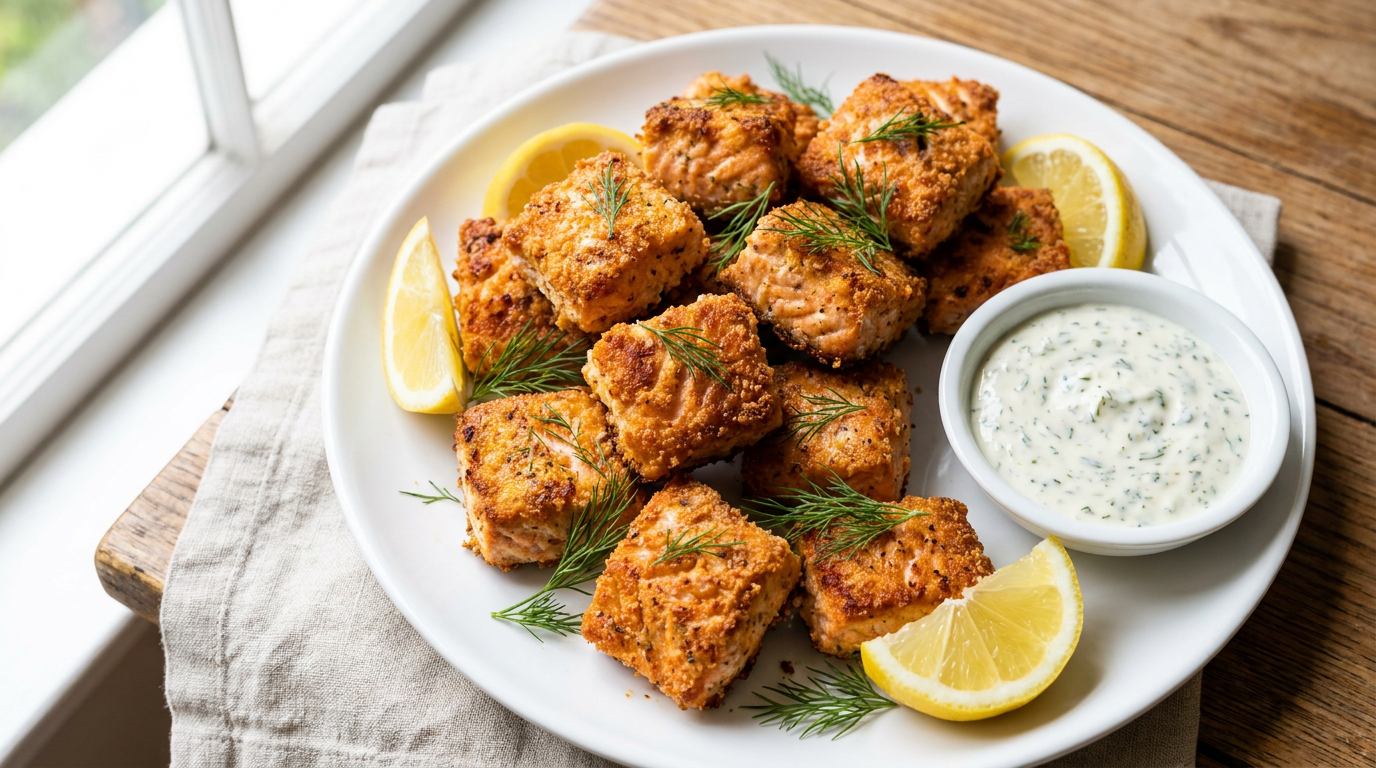
If you are searching for a fast, nutritious, and absolutely mouthwatering meal, look no further than these incredible air fryer salmon bites. This simple cooking method transforms ordinary fish into crispy, flavor-packed morsels that the entire family will beg for. By using high-speed convection heat, you can achieve a restaurant-quality sear in just minutes without leaving lingering fish smells in your kitchen.
Whether you are meal prepping for a busy work week or throwing together a last-minute dinner, this recipe is a total lifesaver. Seafood cooks incredibly fast, making it one of the absolute best options for quick weeknight dinners. Plus, this method requires almost zero hands-on cooking time once the food goes into the basket.
In this comprehensive guide, we will cover everything from selecting the finest fish at your local market to mastering the ideal cooking temperatures. You will discover incredible marinades, smart pairing ideas, and the science behind achieving that coveted crispy exterior. Let us dive right into creating your new favorite weeknight protein staple.
Why Cooking Salmon Cubes in the Air Fryer is a Game Changer
Achieving the Perfect Crispy Texture
The magic of the air fryer lies in its rapid air circulation technology. This intense, circulating heat mimics the effects of deep frying without requiring vats of hot oil. When hot air hits the surface of the marinated fish, it immediately begins to caramelize the natural sugars and proteins.
This process, known as the Maillard reaction, creates a beautifully browned, slightly crunchy crust on every single piece. Because you are cooking smaller cubes rather than a whole fillet, you get significantly more surface area. More surface area means a higher ratio of crispy edges to tender, flaky centers.
Traditional baking simply cannot replicate this specific textural contrast. Baking often leaves fish soft and uniformly tender, while pan-searing requires constant attention and splattering oil. The air fryer delivers the best of both worlds by providing a deep-fried crunch with minimal effort.
Saving Time on Busy Weeknights
We all have those evenings where standing over a hot stove feels like an impossible task. Traditional methods of cooking thick fillets can take upwards of twenty minutes, not including preheating your large oven. Chopping the fish into smaller portions drastically reduces the required cooking time.
In fact, these bite-sized morsels typically cook through in just five to seven minutes. You do not even need to wait ten minutes for a massive oven to reach the correct temperature. Most modern air fryers preheat in under three minutes, making this an incredibly efficient cooking process.
This speedy turnaround makes the recipe an absolute dream for hungry families and busy professionals alike. You can easily start a batch of rice in the cooker, prep your fish, and have the entire meal finished simultaneously. It is the ultimate strategy for getting a wholesome dinner on the table in record time.
Health Benefits of Air Frying Seafood
Salmon is universally celebrated as a nutritional powerhouse, packed with high-quality protein and essential nutrients. It is particularly renowned for its abundant omega-3 fatty acids, which promote heart and brain health. By incorporating these rich nutrients into your routine, you are supporting long-term wellness.
Preparing this fish in an air fryer helps preserve those delicate nutritional profiles without adding unnecessary calories. Unlike traditional frying methods, you only need a light spritz of oil to achieve incredible results. This makes it an ideal protein choice for those following 15-minute Mediterranean diet recipes.
Furthermore, air frying allows excess natural fats to drip away from the food into the bottom grate. You are left with a lean, protein-dense meal that does not sacrifice an ounce of flavor or satisfaction. It is a brilliant way to enjoy your favorite seafood guilt-free on a regular basis.
Essential Ingredients for the Best Salmon Nuggets
Choosing the Right Cut of Salmon
The foundation of a spectacular seafood dish always begins with high-quality, fresh ingredients. When shopping at the seafood counter, you will usually find options like Atlantic, King, Sockeye, or Coho. Atlantic salmon is widely available, farm-raised, and boasts a higher fat content that stays incredibly moist in the air fryer.
If you prefer wild-caught varieties, Sockeye and King are absolutely fantastic choices. Sockeye has a deep, vibrant red color and a robust, pronounced flavor profile that stands up well to bold marinades. King is prized for its buttery texture, though it can be slightly more expensive for everyday weeknight meals.
Regardless of the variety you choose, look for fillets that are firm to the touch and smell like the fresh ocean, not overly fishy. A thicker center-cut piece is ideal because it allows you to slice perfectly uniform, chunky cubes. Avoid thin tail pieces, as they will easily overcook before achieving a crisp exterior.
Creating a Sticky Glaze or Dry Rub
The beauty of this protein is its remarkable ability to absorb a wide variety of global flavor profiles. A simple dry rub featuring smoked paprika, garlic powder, onion powder, and a pinch of brown sugar creates a beautiful savory crust. The sugar slightly caramelizes in the extreme heat, offering a pleasant crunch and deep color.
If you prefer a sticky, Asian-inspired glaze, liquid marinades work exceptionally well too. Combining low-sodium soy sauce, toasted sesame oil, minced ginger, and a dash of honey yields an irresistible teriyaki-style bite. The honey thickens into a gorgeous, glossy coating as the fish cooks.
You can also lean into bright, herbaceous Mediterranean flavors by utilizing dried oregano, lemon zest, and dill. Whichever route you choose, remember that the air fryer intensifies flavors through rapid moisture evaporation. A little bit of seasoning will go a very long way in the final dish.
Best Oils for High-Heat Cooking
Even though air frying requires dramatically less oil than deep frying, you still need a small amount to encourage browning. Choosing the correct type of fat is crucial for safety and flavor preservation. You must select an oil with a high smoke point that can withstand temperatures around 400°F (200°C).
Avocado oil is widely considered the absolute best choice for this specific cooking method. It boasts a remarkably high smoke point and has a neutral flavor that will not overpower your delicate fish. A light misting of avocado oil spray ensures your seasonings adhere perfectly to the cubes.
Light olive oil or grapeseed oil also serve as excellent alternatives if you do not have avocado oil on hand. Avoid using extra-virgin olive oil, as it has a lower smoke point and can produce bitter flavors when exposed to high heat. Never use commercial aerosol non-stick sprays, as their propellants can permanently damage the non-stick coating of your fryer basket.
Step-by-Step Guide to Making Healthy Salmon Pieces
Prepping and Dicing Your Fish
Proper preparation is the secret to ensuring your fish cooks evenly and achieves maximum crispness. Begin by thoroughly patting your fresh fillet dry with paper towels to remove any excess surface moisture. Moisture is the enemy of a crisp exterior, so taking this extra minute is absolutely vital.
Next, run your fingers gently down the center of the fillet to check for any lingering pin bones. Use a pair of clean fish tweezers to pull out any bones you discover, pulling in the direction they naturally point. Once de-boned, place the fish on a clean cutting board and prepare your sharpest chef’s knife.
Slice the fillet into completely uniform, one-inch cubes to ensure they all finish cooking at the exact same time. If the fish is slightly too soft to cut neatly, pop it in the freezer for about ten minutes beforehand. This brief chill firms up the flesh, allowing you to slice clean, precise squares effortlessly.
Marinating for Maximum Flavor
Once your fish is perfectly cubed, transfer the pieces to a medium-sized mixing bowl. Drizzle your chosen oil over the top and gently toss them until every piece is lightly coated. This light oil barrier helps lock in the natural juices while giving the spices something to cling to.
Sprinkle your dry rub or pour your liquid marinade directly over the prepared chunks. Use a silicone spatula or your hands to gently fold the mixture together, ensuring complete and even coverage. Be extremely gentle during this step so you do not accidentally crush or mash the delicate flesh.
Because seafood is so tender, it does not require hours of marinating time like tougher cuts of beef or pork. In fact, highly acidic marinades containing lemon juice or vinegar can actually “cook” the fish if left too long. Letting the mixture sit for just ten to fifteen minutes at room temperature is perfectly sufficient.
Air Frying Techniques and Temperatures
Preheating your appliance is a step you should never skip when aiming for a gorgeous crust. Set your machine to 400°F (200°C) and let it run empty for about three to five minutes. A hot basket instantly begins searing the protein the second it makes contact, sealing in those precious juices.
Carefully arrange your marinated pieces in a single, even layer at the bottom of the hot basket. It is absolutely crucial that you leave a small amount of breathing room between each individual cube. If you overcrowd the basket, the trapped steam will cause the fish to boil rather than fry.
Cook the bites for approximately five to seven minutes, depending on your preferred level of doneness. You can gently shake the basket halfway through the cooking time to ensure all sides brown evenly. When they are finished, the edges should look deeply caramelized and the center should flake easily with a fork.
Serving Suggestions and Delicious Side Dishes
Building Nutrient-Dense Grain Bowls
One of the most popular ways to enjoy this quick protein is by constructing vibrant, healthy grain bowls. Start with a generous base of fluffy white rice, nutty brown rice, or protein-packed quinoa. The warm grains soak up any residual glazes or delicious juices left over from the fish.
Next, pile on a rainbow of fresh and crunchy vegetable toppings to add contrasting textures. Sliced cucumbers, creamy avocado chunks, shredded carrots, and shelled edamame beans are all fantastic additions. These fresh elements balance the rich, savory flavors of the roasted seafood beautifully.
Finish your masterpiece with a generous sprinkle of toasted sesame seeds and thinly sliced green onions. You can also add some pickled ginger or a sheets of crispy nori for an authentic sushi-bowl experience. This highly customizable format is brilliant for feeding families with diverse flavor preferences.
Perfect Pairing with Roasted Vegetables
If you want to keep your meal strictly low-carb, pairing your fish with vegetables is a wonderful route. While your protein rests, you can utilize the same appliance to whip up a speedy side dish. Crispy Brussels sprouts, tender asparagus spears, or garlic green beans all cook brilliantly under high convection heat.
For a more comforting, hearty meal, potatoes make an absolutely unbeatable companion. You can easily prepare a batch of crispy air fryer potatoes just before cooking your seafood. Since the fish only takes a few minutes, the potatoes will stay perfectly warm while the main course finishes.
A simple side salad dressed with a bright lemon vinaigrette is another excellent option for warmer months. The sharp acidity of the vinaigrette cuts right through the natural richness of the omega-3 fats. It creates a beautifully balanced, restaurant-quality dinner right in your own dining room.
Delicious Dipping Sauces to Try
Because these morsels are bite-sized, they practically beg to be dunked into a flavorful sauce. A spicy mayonnaise made by whisking together Kewpie mayo, sriracha, and a splash of lime juice is a massive crowd-pleaser. The creamy heat complements the savory fish in a truly spectacular way.
If you opted for a Mediterranean seasoning profile, a cool and refreshing tzatziki sauce is absolutely mandatory. The blend of Greek yogurt, grated cucumber, garlic, and fresh dill provides a wonderful temperature and flavor contrast. It instantly cools down the piping hot, freshly fried nuggets.
For a sweeter alternative, a homemade or high-quality store-bought teriyaki dipping sauce works wonders. You can also mix equal parts sweet chili sauce and soy sauce for a sticky, tangy dip. Providing a variety of dipping options makes dinner feel fun and interactive for both children and adults.
Nutritional Comparison of Salmon Cooking Methods
Understanding how your chosen cooking method impacts your health goals is incredibly important. While fish is inherently nutritious, how you prepare it drastically alters the final calorie and fat content. Submerging seafood in vats of oil adds unnecessary saturated fats that can quickly derail a healthy diet.
The table below illustrates exactly how air frying stacks up against traditional preparation methods. As you will see, it provides the textural benefits of deep frying while maintaining the nutritional profile of baking. It truly represents the most efficient way to maximize both flavor and wellness.
| Cooking Method | Calories (per 4oz serving) | Added Fat Required | Average Cooking Time | Texture Profile |
|---|---|---|---|---|
| Air Fried | ~240 kcal | 1-2 Teaspoons | 5-7 Minutes | Crispy exterior, tender and juicy interior |
| Deep Fried | ~380 kcal | Multiple Cups | 4-6 Minutes | Heavy, oily crunch with potential for dry interior |
| Pan Seared | ~280 kcal | 1-2 Tablespoons | 8-10 Minutes | Crusty on top and bottom, soft on the sides |
| Oven Baked | ~230 kcal | None / Optional | 15-20 Minutes | Uniformly soft, lacks outer crunch entirely |
As the data clearly demonstrates, utilizing high-speed convection technology saves you well over a hundred calories compared to traditional frying. You avoid the heavy, greasy feeling often associated with battered and fried seafood. This keeps your meals feeling light, energizing, and easily digestible.
Furthermore, the dramatic reduction in cooking time means fewer delicate omega-3 fatty acids are destroyed by prolonged heat exposure. You are quite literally preserving the nutritional integrity of your expensive ingredients. It is a win for your waistline, your wallet, and your taste buds.
Expert Tips for Flawless Air Fried Fish
Mastering this recipe requires just a little bit of technique and attention to detail. Once you understand the basic mechanics of your appliance, you will achieve flawless results every single time. Here are the most crucial tips gathered from professional kitchens to elevate your home cooking experience:
* Pat the fish aggressively dry: Always use paper towels to absorb surface moisture before adding oil or spices. A dry surface guarantees a beautiful, caramelized crust rather than a steamed, mushy exterior.
* Size matters: Take your time to cut the pieces into strictly uniform one-inch cubes. If you have wildly different sizes, the small pieces will burn to a crisp while the large chunks remain raw inside.
* Do not fear the heat: Cooking at a high temperature (400°F/200°C) for a shorter duration is much better than a low temperature for a long time. The high heat shocks the exterior into a crust while keeping the inside tender.
* Shake gently: When tossing the basket halfway through the cooking process, do it carefully. Fish is incredibly delicate and aggressive shaking will cause the beautiful chunks to break apart into unappealing flakes.
* Use a parchment liner wisely: If you are using a very sticky, sugary glaze, consider laying down a perforated parchment liner designed for air fryers. It prevents terrible sticking and makes your post-dinner cleanup take mere seconds.
If you enjoy the crispy, satisfying crunch of this recipe, you should explore other creative uses for your appliance. For example, preparing crispy air fryer chicken wings utilizes the exact same high-heat convection principles. It is another brilliant way to serve up party-worthy appetizers without the guilt of deep frying.
Frequently Asked Questions about air fryer salmon bites
Do I need to remove the skin before cubing the salmon?
Yes, it is highly recommended to remove the skin before dicing your fish for this specific recipe. Skinless pieces allow the marinade to penetrate all sides evenly and ensure a uniform crunch around the entire cube. If you leave the skin on, it may become chewy rather than crispy when cut into such small pieces.
Can I use frozen salmon for this recipe?
You can absolutely use frozen fillets, but you must thaw them completely before attempting to cook them. Thaw the fish overnight in your refrigerator or submerge the vacuum-sealed package in cold water for an hour. Never try to cut or air fry solid frozen fish, as it will cook unevenly and release too much water.
How long do air fryer salmon bites take to cook?
These bite-sized pieces generally take between five and seven minutes to cook completely at 400°F (200°C). The exact duration depends heavily on the thickness of your cubes and the wattage of your specific appliance. You will know they are perfectly done when the exterior is opaque and the meat flakes effortlessly.
How do I store and reheat leftover salmon cubes?
Store any cooled leftovers in an airtight glass container in the refrigerator for up to three days. To reheat them without turning them to rubber, place them back in the air fryer at 350°F (175°C) for about two to three minutes. Avoid using the microwave, as it will completely destroy the crispy texture and overcook the fish.
Why did my salmon bites turn out dry?
Dry seafood is almost always the result of overcooking or cutting the cubes too small. Because the pieces are so tiny, they transition from perfectly moist to completely dried out in a matter of seconds. Always check your food at the five-minute mark, and remember that residual heat will continue cooking the fish slightly after removal.
Do I need to flip the salmon bites halfway through?
It is generally a good idea to gently toss or shake the basket halfway through the cooking time. This simple action exposes all sides of the cubes to the direct flow of hot air, ensuring even browning. However, be extremely gentle during this process to prevent the tender fish from breaking apart.
Can I use aluminum foil or parchment paper in the air fryer?
You can use specialized, perforated parchment paper liners designed specifically to allow airflow while preventing sticking. You can also use small pieces of aluminum foil, provided you do not block the entire bottom grate. Blocking the airflow completely will prevent the convection process and result in soggy food.
What temperature is best for cooking diced salmon?
A high temperature of 400°F (200°C) is generally considered the absolute best setting for achieving a crispy exterior. This intense heat rapidly sears the outside of the fish, locking in the natural moisture before the interior overcooks. Lower temperatures will dry out the fish slowly without ever developing that delicious crust.
Are air fryer salmon bites considered healthy?
Yes, air fryer salmon bites are considered an exceptionally healthy meal choice for most dietary plans. They are loaded with high-quality protein, essential B vitamins, and heart-healthy omega-3 fatty acids. By utilizing hot air instead of deep-frying oil, you avoid excess calories and harmful saturated fats entirely.
Can I make these ahead of time for meal prep?
These make an absolutely fantastic addition to weekly meal prep routines. You can safely cook a large batch on Sunday and portion them out into containers with rice and vegetables for workday lunches. While they may lose a little bit of their initial crunch in the fridge, the flavor actually deepens over a day or two.
Conclusion
In conclusion, mastering these delightful morsels is a fantastic way to elevate your weeknight dinner rotation. The air fryer magically transforms a standard piece of fish into a crispy, flavorful, and incredibly satisfying main course. By following the straightforward tips on temperature control and marination, you can effortlessly achieve restaurant-quality results in your very own kitchen.
Whether you are tossing them into a vibrant grain bowl, pairing them with fresh salads, or simply dipping them in spicy mayo, the versatility is truly endless. Do not hesitate to experiment with different spice blends and marinades to discover your family’s favorite flavor profile. Grab your favorite cut of fish today, fire up your appliance, and experience exactly how effortless and delicious weeknight cooking can be!
