Embarking on a journey through the world of nutrition can be complex, and the high-protein keto diet is no exception. This approach merges the principles of the ketogenic diet with an emphasis on protein intake, creating a unique nutritional strategy. This article will delve into the core tenets, benefits, potential risks, and practical applications of this diet, providing a comprehensive understanding for those considering it.
The high-protein keto diet aims to induce ketosis, a metabolic state where the body primarily uses fat for fuel, while also supporting muscle maintenance through increased protein consumption. Unlike standard keto, which often prioritizes high-fat intake, this variation strategically increases protein, which can impact satiety, body composition, and overall metabolic health. We’ll explore the nuances of macronutrient ratios, optimal protein levels, and the types of foods that align with this dietary approach.
Understanding the Fundamental Principles Governing the High-Protein Keto Diet
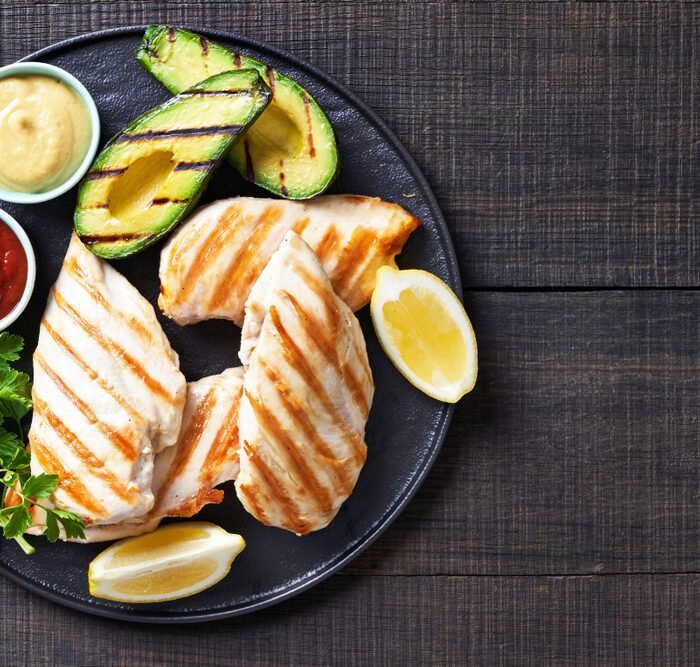
The high-protein ketogenic diet represents a nuanced approach to ketogenic eating, strategically adjusting macronutrient ratios to prioritize protein intake while maintaining the core principles of ketosis. This approach aims to support muscle mass preservation or even growth, a common concern for individuals adhering to standard ketogenic diets, while still leveraging the benefits of fat-burning and metabolic health improvements. The following sections will delve into the core tenets of this dietary strategy, providing a comprehensive understanding of its mechanisms and practical implications.
Core Tenets of the High-Protein Keto Diet
The high-protein ketogenic diet centers on a specific macronutrient distribution designed to induce and maintain ketosis while supporting muscle protein synthesis. This is achieved primarily through a deliberate increase in protein intake compared to standard ketogenic diets.The cornerstone of the high-protein keto diet is its macronutrient ratio. Generally, the diet is structured around:
- Protein: Typically comprising 30-35% of total daily calories. This elevated protein intake is crucial for preserving and building muscle mass, especially when combined with resistance training. This range can vary depending on individual activity levels, body composition goals, and overall health status.
- Fat: Reduced compared to standard keto, usually accounting for 50-60% of total daily calories. While still the primary source of energy, the emphasis shifts slightly to accommodate the increased protein intake.
- Carbohydrates: The carbohydrate intake remains strictly limited, typically under 20-50 grams per day, to ensure ketosis is maintained. This restriction is essential to deplete glycogen stores and force the body to utilize fat as its primary fuel source.
This specific macronutrient profile drives the metabolic shift towards ketosis. The limited carbohydrate intake restricts glucose availability, prompting the liver to produce ketone bodies from stored fat. These ketones then serve as the primary energy source for the brain and other tissues. The higher protein intake helps counteract the potential muscle loss that can occur with calorie restriction or during the initial stages of ketogenic adaptation.
The body uses the protein to repair and build tissues, supporting overall body composition goals. It’s important to note that excessive protein can be converted to glucose through gluconeogenesis, potentially hindering ketosis, which is why the protein intake is carefully calibrated. This carefully considered balance makes the high-protein keto diet a powerful strategy for achieving desired health and fitness results.
Comparing High-Protein Keto with Standard Keto and High-Fat Keto
Understanding the differences between the high-protein keto diet and other ketogenic approaches clarifies its unique advantages and potential drawbacks. The following comparison highlights key distinctions in macronutrient intake and their respective impacts.The table below provides a concise comparison:
| Feature | High-Protein Keto | Standard Keto | High-Fat Keto |
|---|---|---|---|
| Protein Intake | 30-35% of calories (higher) | 20-25% of calories (moderate) | 10-15% of calories (lower) |
| Fat Intake | 50-60% of calories (moderate) | 70-75% of calories (higher) | 75-80% of calories (highest) |
| Carbohydrate Intake | < 20-50g per day (low) | < 20-50g per day (low) | < 20-50g per day (low) |
| Primary Goal | Muscle preservation/growth, fat loss | Fat loss, metabolic health | Very low carb, emphasis on satiety |
| Potential Benefits | Enhanced muscle retention, improved satiety, potentially faster fat loss | Effective fat loss, improved blood sugar control | May promote greater satiety and reduce hunger |
| Potential Drawbacks | Requires careful protein calculation to avoid disrupting ketosis, potential for increased gluconeogenesis, requires more planning and precise food tracking. | May lead to muscle loss if protein intake is insufficient, can be challenging to maintain long-term. | May lead to lower protein intake and potentially muscle loss, may be difficult to consume sufficient fat to meet caloric needs. |
The primary distinction lies in protein and fat ratios. High-protein keto prioritizes protein for muscle support, whereas standard keto emphasizes fat as the primary energy source. High-fat keto further increases fat intake. Each approach caters to different goals and individual needs, and the choice depends on factors like body composition goals, activity level, and overall health.
Protein, Fat, and Carbohydrate Utilization in High-Protein Keto
The body’s metabolic processes are significantly altered within the high-protein keto diet framework. Understanding how protein, fat, and carbohydrates are utilized is crucial for comprehending the diet’s effectiveness.
- Protein Metabolism: The elevated protein intake in the high-protein keto diet is primarily used for muscle protein synthesis. When adequate protein is consumed, the body can repair and build muscle tissue, especially when combined with resistance exercise. Excess protein, however, can be converted to glucose through a process called gluconeogenesis, which occurs in the liver.
Gluconeogenesis is the metabolic pathway that generates glucose from non-carbohydrate carbon substrates like amino acids.
If gluconeogenesis is excessive, it can potentially disrupt ketosis.
- Fat Metabolism: Fat serves as the primary energy source in a ketogenic state. With limited carbohydrate intake, the body turns to stored fat and dietary fat for fuel. Fat is broken down into fatty acids, which are then converted into ketone bodies in the liver. These ketone bodies, such as acetoacetate, beta-hydroxybutyrate, and acetone, become the primary energy source for the brain and other tissues.
The process of fat oxidation is accelerated, leading to fat loss.
- Carbohydrate Metabolism: Carbohydrate intake is severely restricted, leading to low glycogen stores. This forces the body to switch from glucose metabolism to fat metabolism. The minimal amount of carbohydrates consumed is utilized for essential bodily functions, but the majority of energy is derived from fat and ketones. This metabolic shift is what defines ketosis and facilitates the various benefits associated with the ketogenic diet.
Hormonal responses also play a crucial role. The high-protein keto diet can influence several hormones:
- Insulin: Insulin levels are typically lower due to the reduced carbohydrate intake. This promotes fat burning and helps regulate blood sugar.
- Glucagon: Glucagon, a hormone that opposes insulin, is elevated. This stimulates the breakdown of glycogen (stored glucose) and the release of fatty acids from fat stores.
- Growth Hormone: Protein intake, particularly when combined with exercise, can stimulate the release of growth hormone, which supports muscle growth and fat loss.
By understanding these metabolic pathways and hormonal responses, individuals can optimize their high-protein keto diet for their specific goals, whether it is muscle preservation, fat loss, or overall metabolic health improvement.
Identifying the Optimal Protein Intake Levels within the Framework of the High-Protein Keto Diet
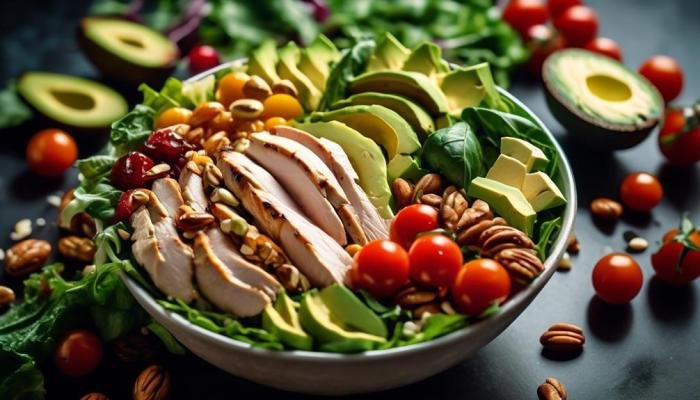
Understanding the intricacies of protein intake is paramount for successfully navigating the high-protein keto diet. Achieving the right balance ensures optimal results, supporting muscle maintenance, promoting satiety, and facilitating overall health improvements. This section delves into the factors influencing protein needs and explores the potential ramifications of both insufficient and excessive protein consumption within this dietary approach.
Factors Influencing Individual Protein Requirements
Several factors significantly impact an individual’s protein requirements on a high-protein keto diet. These include activity level, body composition, and overall health status. Recognizing these influences allows for a more personalized and effective dietary strategy.
- Activity Level: Individuals with higher activity levels, such as athletes or those engaging in regular strenuous exercise, require more protein to support muscle repair and growth. Sedentary individuals, on the other hand, may need less protein. For instance, a marathon runner would have significantly different protein needs compared to someone with a desk job.
- Body Composition: Lean body mass, which refers to the total weight of the body minus fat, is a key determinant of protein requirements. People with more lean muscle mass typically need more protein to maintain and support that muscle. Someone with a higher percentage of body fat will generally need less protein than an individual with a similar weight but more muscle mass.
- Overall Health Status: Certain health conditions can affect protein needs. For example, individuals recovering from injuries or surgery may require increased protein intake to aid in tissue repair. Similarly, those with specific medical conditions might have altered protein requirements that need to be carefully considered in consultation with a healthcare professional.
Protein Intake Ranges Based on Activity Level
The following table provides recommended protein intake ranges, expressed in grams per pound of lean body mass (LBM), for various activity levels. This is a general guideline, and individual needs may vary. The values are approximate and should be considered in conjunction with personalized dietary advice from a qualified healthcare professional or registered dietitian.
| Activity Level | Protein Intake (g/lb LBM) | Example | Considerations |
|---|---|---|---|
| Sedentary | 0.6 – 0.8 | A person working a desk job who engages in minimal physical activity, like walking short distances. | Focus on maintaining current muscle mass and overall health. |
| Lightly Active | 0.8 – 1.0 | Someone who exercises 1-3 times per week, such as a brisk walk or light weightlifting session. | Sufficient protein to support general health and moderate activity. |
| Moderately Active | 1.0 – 1.2 | An individual who exercises 3-5 times per week, involving activities like running, swimming, or moderate weight training. | Supports muscle growth and repair with increased activity. |
| Very Active/Athlete | 1.2 – 1.4+ | Professional athletes or individuals engaging in intense training 6-7 days per week, such as competitive bodybuilding or endurance sports. | Higher protein needs to support intense training and muscle recovery. Requires careful monitoring. |
Consequences of Inadequate and Excessive Protein Intake
Both insufficient and excessive protein intake can have adverse effects on health and performance. It’s crucial to strike a balance to optimize the benefits of the high-protein keto diet.
- Inadequate Protein Intake: Consuming too little protein can lead to muscle loss, slower metabolism, and increased hunger. It may also impair immune function and overall recovery from exercise. For example, an individual consistently consuming below the recommended protein range while engaging in regular resistance training could experience a decline in muscle mass over time, despite following the diet.
- Excessive Protein Intake: While the body can utilize protein for energy through gluconeogenesis (the process of converting protein into glucose), chronic overconsumption can place stress on the kidneys and liver. It can also lead to increased fat storage if calorie intake exceeds expenditure. An example is a bodybuilder who drastically increases protein intake without adjusting calorie expenditure, potentially leading to increased body fat percentage despite maintaining a high-protein keto diet.
Exploring Suitable Food Choices for a High-Protein Keto Dietary Plan
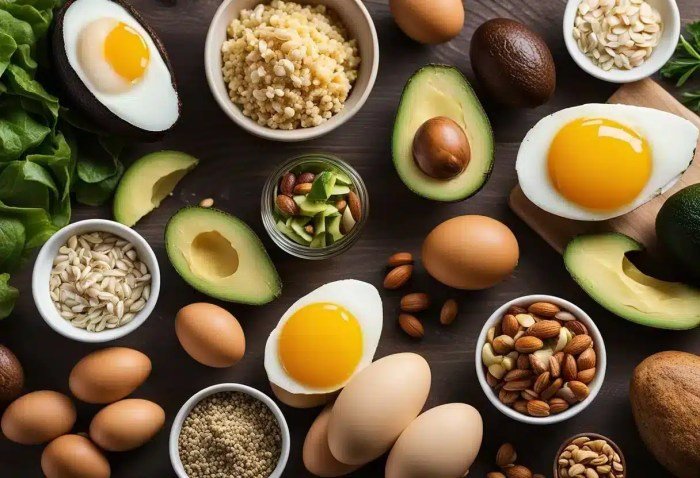
The high-protein keto diet, while offering potential benefits, necessitates careful selection of food items to maintain ketosis while meeting protein requirements. This section delves into appropriate food choices, meal planning strategies, and a sample recipe to guide individuals through this dietary approach. Understanding the composition of foods and their impact on macronutrient ratios is paramount for success.
High-Protein Keto Food Sources
Choosing the right foods is crucial for adhering to the high-protein keto diet. The following list provides examples of protein-rich foods that are also keto-friendly, ensuring a balanced intake of macronutrients.
- Chicken Breast: A lean protein source that is low in carbohydrates.
- Turkey: Similar to chicken, turkey provides substantial protein with minimal carbs.
- Beef (Steak, Ground Beef): Opt for fattier cuts to balance protein intake with healthy fats.
- Pork (Pork Chops, Bacon): Offers a good protein content, with bacon providing additional fat.
- Salmon: Rich in protein and omega-3 fatty acids, making it a healthy choice.
- Tuna: A convenient and versatile protein source, particularly canned in water.
- Eggs: An excellent source of protein and healthy fats, suitable for various meal preparations.
- Shrimp: Low in carbs and high in protein, shrimp is a quick and easy option.
- Tofu (Firm or Extra-Firm): A plant-based protein source that is low in carbs, ensuring the selection of firm or extra-firm varieties to limit carbohydrate content.
- Tempeh: Another plant-based option, tempeh provides protein and fiber while remaining keto-friendly.
Planning a Typical Day of Meals
Successful implementation of the high-protein keto diet requires meticulous meal planning. The following Artikels a sample day, including specific food choices, portion sizes, and meal timing suggestions.A typical day on a high-protein keto diet might look like this:* Breakfast (7:00 AM): Three-egg omelet with spinach, mushrooms, and a tablespoon of shredded cheddar cheese, cooked in coconut oil. This provides a substantial protein intake from the eggs, with healthy fats and minimal carbohydrates from the vegetables.
Portion sizes: 3 eggs, 1 cup of spinach, ½ cup of mushrooms, 1 tbsp of cheddar cheese, 1 tbsp of coconut oil.* Mid-Morning Snack (10:00 AM): A small serving of beef jerky or a handful of almonds (approximately ¼ cup). This helps to stave off hunger and provides a protein boost before lunch. Portion sizes: 2 oz of beef jerky, ¼ cup of almonds.* Lunch (1:00 PM): Grilled chicken salad with mixed greens, avocado, and a light olive oil and vinegar dressing.
This offers a balance of protein, healthy fats, and fiber. Portion sizes: 4 oz of grilled chicken, 2 cups of mixed greens, ½ avocado, 1 tbsp olive oil, 1 tbsp vinegar.* Pre-Workout Snack (4:00 PM – Optional): A scoop of whey protein isolate mixed with water or unsweetened almond milk. This is particularly beneficial for individuals engaged in strength training or high-intensity exercise.
Portion size: 1 scoop of whey protein isolate, 8 oz water or unsweetened almond milk.* Dinner (7:00 PM): Baked salmon with steamed broccoli and a side of butter. This meal is rich in protein and healthy fats, ensuring the body remains in ketosis. Portion sizes: 4 oz baked salmon, 1.5 cups steamed broccoli, 1 tbsp butter.* Evening Snack (9:00 PM – Optional): A few slices of cheese or a tablespoon of full-fat Greek yogurt.
This can help satisfy any late-night cravings and provide additional protein and fat. Portion sizes: 1 oz cheese, 1 tbsp Greek yogurt.Meal timing can be adjusted to individual schedules and preferences, but the core principle remains consistent: prioritize protein intake while carefully monitoring carbohydrate consumption to maintain ketosis. The exact portion sizes should be tailored based on individual needs, activity levels, and metabolic goals.
Regular monitoring of ketone levels, either through urine strips or blood ketone meters, can help fine-tune the diet for optimal results. It is also important to consider the quality of the food and the origin of the ingredients, such as choosing grass-fed beef or wild-caught salmon, for a more nutrient-dense diet.
Sample High-Protein Keto Recipe
This recipe provides a delicious and easy way to enjoy a high-protein keto meal.
Recipe: Keto-Friendly Chicken and Broccoli Stir-Fry Ingredients:
- 4 oz chicken breast, cut into bite-sized pieces
- 1.5 cups broccoli florets
- 1 tbsp coconut oil
- 1 tbsp soy sauce (or coconut aminos for a soy-free option)
- 1 tsp sesame oil
- 1 clove garlic, minced
- Salt and pepper to taste
- Optional: Sesame seeds for garnish
Preparation:
- Heat coconut oil in a large skillet or wok over medium-high heat.
- Add chicken and cook until browned and cooked through.
- Add broccoli florets and cook until slightly tender-crisp, about 5-7 minutes.
- In a small bowl, whisk together soy sauce (or coconut aminos), sesame oil, and minced garlic.
- Pour the sauce over the chicken and broccoli, stirring to coat.
- Season with salt and pepper to taste.
- Garnish with sesame seeds, if desired.
- Serve immediately.
Nutritional Information (per serving, estimated):
- Protein: Approximately 35g
- Fat: Approximately 20g
- Net Carbs: Approximately 5g
Assessing the Potential Health Benefits Associated with the High-Protein Keto Diet
The high-protein ketogenic diet, characterized by a significant intake of protein, moderate fat, and very low carbohydrate consumption, has garnered attention for its potential health benefits. This dietary approach aims to induce and maintain ketosis, a metabolic state where the body primarily utilizes fat for fuel, potentially leading to various physiological advantages. These advantages extend beyond weight loss and encompass improvements in body composition, metabolic health, and other areas.
Improved Body Composition and Weight Management
The high-protein keto diet can significantly impact body composition and facilitate weight management. Increased protein intake promotes satiety, reducing overall calorie consumption. Furthermore, protein has a higher thermic effect than carbohydrates or fats, meaning the body expends more energy digesting and metabolizing it. The combination of these factors can lead to increased fat loss while preserving muscle mass, a crucial aspect of body composition.
Enhanced Satiety and Appetite Control
Protein is known for its satiating effects. This dietary approach promotes a feeling of fullness and reduces cravings, making it easier to adhere to the diet and manage overall calorie intake. The metabolic state of ketosis, with the production of ketone bodies, may also contribute to appetite suppression.
Potential Metabolic Improvements
The high-protein keto diet may lead to improvements in several metabolic markers. These include enhanced insulin sensitivity, reduced blood sugar levels, and favorable changes in cholesterol profiles. These benefits can potentially reduce the risk of type 2 diabetes and cardiovascular diseases.
Scientific Studies Supporting Health Claims
The following studies provide evidence supporting the potential health benefits of the high-protein keto diet:
-
A study published in the
-American Journal of Clinical Nutrition* found that a high-protein, low-carbohydrate diet led to greater weight loss and improved body composition compared to a standard low-fat diet. This research highlights the benefits of increased protein intake for weight management. -
Research in the
-Journal of the American Medical Association* demonstrated that ketogenic diets can be effective in improving glycemic control in individuals with type 2 diabetes. This suggests that the diet may be beneficial for managing blood sugar levels. -
A meta-analysis published in
-Obesity Reviews* concluded that low-carbohydrate diets, including ketogenic diets, were associated with greater improvements in triglycerides and HDL cholesterol levels compared to low-fat diets. This suggests a positive impact on cardiovascular health. -
Research published in the
-International Journal of Obesity* showed that a high-protein ketogenic diet was effective in preserving muscle mass during weight loss, which is important for maintaining a healthy metabolism. -
A study published in
-Diabetes Care* indicated that a ketogenic diet could lead to significant reductions in medication use for individuals with type 2 diabetes, highlighting its potential for improved health outcomes.
Mechanisms of Action
The high-protein keto diet influences health markers through several mechanisms:
- Weight Management: The diet’s high protein content promotes satiety, reducing calorie intake. The metabolic state of ketosis, fueled by fat breakdown, further contributes to weight loss. The thermic effect of protein increases energy expenditure.
- Insulin Sensitivity: By restricting carbohydrates, the diet reduces the demand for insulin, potentially improving insulin sensitivity. This can lead to better blood sugar control. The lower carbohydrate intake reduces the postprandial glucose spike, reducing the need for insulin.
- Other Health Markers: The diet can favorably affect cholesterol profiles, often increasing HDL (“good”) cholesterol and decreasing triglycerides. These changes contribute to improved cardiovascular health. Furthermore, the reduction in blood sugar levels and insulin resistance can mitigate the risk of developing type 2 diabetes and related complications.
Examining Potential Risks and Considerations Before Adopting the High-Protein Keto Diet
The high-protein keto diet, while potentially beneficial, is not without its drawbacks. It’s crucial to be aware of potential side effects and risks before embarking on this dietary approach. Careful consideration and, ideally, consultation with a healthcare professional are essential to ensure a safe and effective experience.
Potential Side Effects and Risks
The high-protein keto diet can trigger various side effects. These range from mild inconveniences to more serious health concerns. It is vital to understand these potential issues to make informed decisions about your dietary choices.The “keto flu” is a common initial experience, characterized by symptoms like:
- Headaches
- Fatigue
- Nausea
- Constipation
These symptoms often arise due to the body adjusting to carbohydrate restriction and electrolyte imbalances. Digestive issues are another potential concern, including:
- Constipation, often stemming from the reduced fiber intake.
- Diarrhea, which can occur as the body adapts to increased fat consumption.
Nutrient deficiencies can also arise if the diet isn’t carefully planned. Without proper attention to food choices, individuals may not consume adequate amounts of:
- Vitamins (e.g., B vitamins, Vitamin C)
- Minerals (e.g., magnesium, potassium)
- Fiber
Long-term risks may include:
- Kidney stones, due to increased protein intake and changes in urinary pH.
- Elevated cholesterol levels, depending on the types of fats consumed.
It’s crucial to monitor your health and consult a healthcare provider if any concerning symptoms arise.
Individuals Who Should Consult a Healthcare Professional
Certain individuals should exercise extreme caution and seek medical advice before starting the high-protein keto diet. This is especially true for those with pre-existing conditions or specific health concerns.Individuals in the following categories should consult with a healthcare professional:
- Those with kidney disease or a history of kidney stones. The high protein intake can strain the kidneys.
- Individuals with liver disease. The liver plays a crucial role in processing fats.
- People with a history of eating disorders. Restrictive diets can exacerbate these conditions.
- Pregnant or breastfeeding women. Nutritional needs are significantly altered during these periods.
- Individuals with type 1 or type 2 diabetes. Close monitoring of blood sugar levels is essential.
- People taking medications for blood pressure or heart conditions. Dietary changes can interact with these medications.
- Anyone with a family history of heart disease or high cholesterol. Dietary fat intake needs careful consideration.
A healthcare provider can assess an individual’s suitability for the diet and provide personalized guidance.
Strategies to Mitigate Potential Risks and Side Effects
Implementing proactive strategies can help minimize the risks and side effects associated with the high-protein keto diet. These strategies focus on optimizing nutrient intake, managing symptoms, and ensuring overall well-being.Here are some strategies to manage potential risks and side effects:
- Stay Hydrated: Drink plenty of water throughout the day to prevent dehydration and aid kidney function. Aim for at least eight glasses of water daily.
- Increase Electrolyte Intake: Supplement with electrolytes (sodium, potassium, magnesium) to combat the keto flu symptoms. Consider using electrolyte-rich broths or supplements.
- Prioritize Fiber-Rich Foods: Include non-starchy vegetables and small amounts of high-fiber keto-friendly foods like avocado and chia seeds to promote regular bowel movements.
- Monitor Macronutrient Intake: Carefully track protein, fat, and carbohydrate intake to ensure you are meeting your dietary goals and not exceeding protein limits.
- Supplement Wisely: Consider taking a multivitamin and mineral supplement to address potential nutrient deficiencies. Consult with a healthcare professional before starting any supplements.
- Listen to Your Body: Pay attention to how your body feels and adjust your diet or seek medical advice if you experience any concerning symptoms.
Adopting these strategies can significantly improve the safety and effectiveness of the high-protein keto diet.
Addressing Common Misconceptions Surrounding the High-Protein Keto Diet
The high-protein keto diet, while gaining popularity, is often shrouded in misconceptions that can lead to confusion and potentially, unsafe practices. It’s crucial to dispel these myths and provide accurate information to help individuals make informed decisions about their dietary choices. Understanding the truth behind these common misunderstandings is essential for anyone considering or currently following this eating plan.
Common Myths and Realities of the High-Protein Keto Diet
Many myths circulate about the high-protein keto diet, ranging from its effectiveness to its safety. These misconceptions often stem from a lack of understanding of the underlying principles of ketosis and the specific role of protein within this dietary framework. It is important to differentiate between unsubstantiated claims and evidence-based information.
- Myth: The high-protein keto diet is simply a high-protein, low-carb diet. Reality: While it is indeed low-carb and high in protein, the critical component is achieving and maintaining ketosis. This metabolic state, where the body primarily uses fat for fuel instead of glucose, is the cornerstone of the diet. The protein intake is carefully calibrated to support muscle mass and satiety, but excessive protein can be converted to glucose, potentially hindering ketosis.
- Myth: You can eat unlimited protein on the high-protein keto diet. Reality: Protein intake needs to be moderate and carefully managed. Excessive protein can be converted into glucose through a process called gluconeogenesis, which can disrupt ketosis. The optimal protein intake varies depending on individual factors like activity level, body composition, and goals. It is generally higher than standard keto but not limitless.
- Myth: The high-protein keto diet is a quick fix for weight loss. Reality: While it can lead to rapid initial weight loss, much of this is due to water loss and glycogen depletion. Sustainable weight loss requires consistent adherence to the diet, careful monitoring of macronutrients, and a lifestyle that includes regular physical activity. Long-term success depends on forming healthy habits.
- Myth: The high-protein keto diet is automatically safe for everyone. Reality: This diet may not be suitable for everyone. Individuals with certain medical conditions, such as kidney disease or liver problems, should consult a healthcare professional before starting the diet. It is also essential to monitor for potential side effects and adjust the diet as needed.
- Myth: Ketosis always leads to ketoacidosis. Reality: Ketoacidosis is a severe, life-threatening condition primarily associated with uncontrolled type 1 diabetes. Nutritional ketosis, achieved through a ketogenic diet, is a controlled metabolic state and is not the same as ketoacidosis. The body produces ketones in a controlled manner, and the levels are much lower than those seen in ketoacidosis.
Differentiating Credible from Unreliable Information
Navigating the information landscape surrounding the high-protein keto diet can be challenging, as both credible and unreliable sources abound. It is crucial to develop the ability to distinguish between accurate, evidence-based information and misleading claims.
- Check the Source: Always evaluate the source of the information. Look for websites and publications that are authored by registered dietitians, medical professionals, or researchers with expertise in nutrition and metabolism. Reputable sources will cite scientific studies and provide evidence to support their claims.
- Look for Evidence-Based Claims: Be wary of information that promises quick fixes or makes unsubstantiated claims about health benefits. Credible sources will base their information on scientific evidence, such as peer-reviewed studies and clinical trials. Be skeptical of anecdotal evidence or personal testimonials without supporting scientific data.
- Consider the Context: Understand the context in which the information is presented. Be aware of potential biases or conflicts of interest. For example, a website selling keto-related products might be more likely to promote the diet aggressively.
- Verify the Information: Cross-reference information from multiple sources to ensure accuracy. If a claim seems too good to be true, it probably is. Use reliable search engines and databases to verify the information.
- Consult with Professionals: The most reliable source of information is often a healthcare professional, such as a doctor or registered dietitian. They can provide personalized advice based on your individual needs and medical history.
Ultimate Conclusion
In summary, the high-protein keto diet presents a compelling approach to weight management and overall health. By understanding the core principles, optimizing protein intake, and making informed food choices, individuals can potentially harness the benefits of ketosis while supporting muscle health. However, it’s crucial to acknowledge the potential risks and consult with healthcare professionals to ensure a safe and effective dietary strategy.
With careful planning and informed decisions, the high-protein keto diet can be a valuable tool in achieving health and fitness goals.
Quick FAQs
What is ketosis?
Ketosis is a metabolic state where your body primarily uses fat for fuel instead of glucose (from carbohydrates). This occurs when you significantly reduce carbohydrate intake, forcing your body to break down fat into ketones, which are then used for energy.
How does the high-protein keto diet differ from a standard keto diet?
The primary difference lies in the macronutrient ratios. While both diets restrict carbohydrates, the high-protein keto diet emphasizes a higher protein intake, often moderate, with a slight decrease in fat compared to standard keto. This can impact satiety, muscle preservation, and metabolic responses.
Can I build muscle on a high-protein keto diet?
Yes, the high-protein keto diet can support muscle growth, particularly when combined with resistance training. Adequate protein intake is crucial for muscle protein synthesis, and this diet provides the necessary protein while keeping carbohydrate intake low.
What are the potential side effects of the high-protein keto diet?
Common side effects include the “keto flu” (fatigue, headache, nausea), digestive issues, and nutrient deficiencies. These side effects are often temporary and can be managed through proper hydration, electrolyte intake, and careful food selection.
Who should consult a doctor before starting this diet?
Individuals with pre-existing medical conditions (diabetes, kidney disease, liver disease), pregnant or breastfeeding women, and those taking certain medications should consult a healthcare professional before starting the high-protein keto diet.
