High-Protein Keto Diet Explained for Beginners offers a comprehensive guide into the world of this dietary approach, which blends the principles of the ketogenic diet with an emphasis on higher protein intake. This method, a variation of the traditional keto diet, focuses on drastically reducing carbohydrate consumption while increasing protein and fat intake to induce ketosis.
This guide aims to demystify the high-protein keto diet, providing clear explanations, practical advice, and actionable strategies. Whether you’re a beginner seeking to understand the basics or someone looking to refine their approach, this resource will equip you with the knowledge and tools needed to embark on a successful journey towards improved health and wellness.
Understanding the Core Principles of a High-Protein Keto Diet is essential for success.
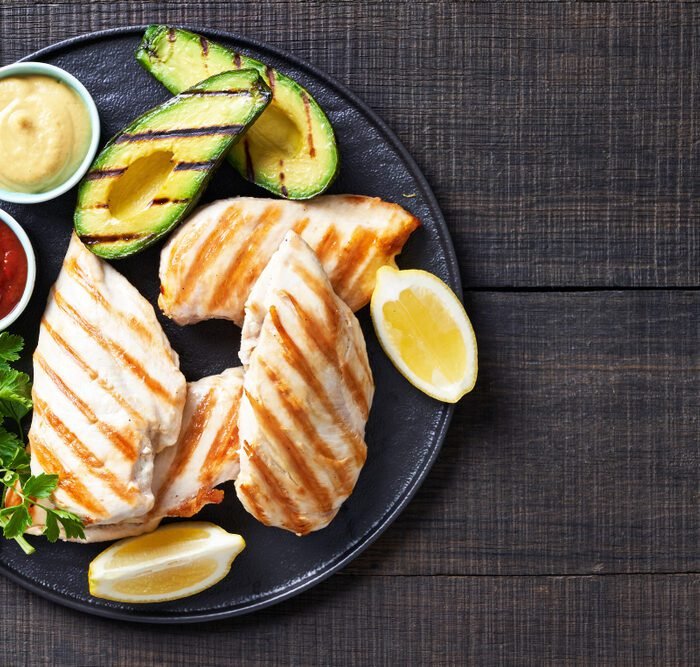
The high-protein keto diet, a variation of the ketogenic diet, emphasizes a higher protein intake while maintaining the core principles of ketosis. This approach offers a potentially more sustainable and muscle-preserving method for achieving weight loss and improving metabolic health. Understanding the fundamental concepts of ketosis and macronutrient ratios is crucial for anyone considering this dietary approach.
Ketosis and Macronutrient Ratios
Ketosis is a metabolic state where the body primarily utilizes fat for fuel instead of glucose derived from carbohydrates. This shift occurs when carbohydrate intake is severely restricted, typically to less than 50 grams per day, forcing the liver to convert fat into ketones, which then become the primary energy source for the brain and other tissues.The cornerstone of the keto diet, including the high-protein variant, lies in the precise balance of macronutrients: fats, proteins, and carbohydrates.
The standard ketogenic diet typically adheres to the following macronutrient ratios:
- High Fat: Approximately 70-80% of total daily calories. This is the primary energy source in ketosis.
- Moderate Protein: Around 20-25% of total daily calories. Protein is essential for building and repairing tissues, and for maintaining muscle mass.
- Low Carbohydrates: Typically 5-10% of total daily calories (or less than 50 grams). This restriction is what triggers and sustains ketosis.
In contrast, the high-protein keto diet modifies these ratios. While the carbohydrate intake remains strictly limited to induce ketosis, the protein intake is significantly increased, often to 30-35% of total calories or even higher, while fat intake is adjusted accordingly to meet the remaining caloric needs. This adjustment aims to support muscle preservation and potentially enhance satiety. Protein intake is often calculated based on lean body mass, with recommendations varying from 0.8 to 1.2 grams of protein per pound of lean body mass.
The success of the high-protein keto diet relies on the precise management of these macronutrient ratios to maintain ketosis while providing adequate protein.
Standard Keto Diet vs. High-Protein Keto Diet
The standard ketogenic diet and the high-protein ketogenic diet, while sharing the common goal of achieving ketosis, differ significantly in their macronutrient targets and suitability for different individuals. The key distinctions lie in the proportions of protein and fat consumed, which subsequently influence the potential benefits and drawbacks.The standard keto diet typically prioritizes a high-fat intake to provide the majority of calories, with moderate protein and very low carbohydrates.
This approach is often favored for its effectiveness in rapid weight loss and its potential for improving blood sugar control. The primary aim is to maximize ketone production by limiting glucose availability. However, the standard keto diet can sometimes lead to muscle loss if protein intake is insufficient, especially for individuals engaging in resistance training or with higher protein requirements.The high-protein keto diet, on the other hand, elevates protein intake while keeping carbohydrate intake low.
This shift in macronutrient ratios offers several potential advantages. The increased protein intake can help preserve muscle mass, support satiety, and potentially improve metabolic rate. This approach is particularly beneficial for individuals who are active, engage in resistance training, or who are concerned about muscle loss during weight loss. It is also more suitable for individuals who find it easier to consume a higher protein diet and who may experience greater satiety with a higher protein intake.Here is a table summarizing the key differences:
| Feature | Standard Keto Diet | High-Protein Keto Diet |
|---|---|---|
| Macronutrient Ratios (approximate) | 70-80% Fat, 20-25% Protein, 5-10% Carbs | 60-70% Fat, 30-35% Protein, 5-10% Carbs |
| Primary Goal | Rapid weight loss, blood sugar control | Muscle preservation, satiety, potentially improved metabolic rate |
| Benefits | Effective for weight loss, improved blood sugar control | Muscle preservation, enhanced satiety, potentially improved metabolic rate |
| Suitability | Individuals new to keto, those prioritizing rapid weight loss | Active individuals, those concerned about muscle loss, those seeking greater satiety |
| Considerations | Potential for muscle loss if protein is inadequate | Requires careful monitoring of protein intake to avoid exceeding the body’s capacity to convert protein to glucose (gluconeogenesis) |
Ultimately, the best choice between the standard keto diet and the high-protein keto diet depends on individual goals, activity levels, and preferences.
Metabolic Processes and Muscle Preservation
The high-protein keto diet impacts several metabolic processes, primarily revolving around fat burning and muscle preservation. Understanding these processes is critical for optimizing the diet’s effectiveness.When following a high-protein keto diet, the body transitions into a state of ketosis. As carbohydrate intake is restricted, the body depletes its glycogen stores (stored glucose). Once these stores are exhausted, the liver begins to break down fatty acids into ketones, which serve as an alternative fuel source for the brain and other tissues.
This process is known as ketogenesis.The role of protein becomes particularly important in this context. Protein is essential for building and repairing tissues, including muscle. During periods of caloric restriction or weight loss, the body may break down muscle tissue for energy if protein intake is inadequate. The high-protein keto diet aims to mitigate this risk by providing an ample supply of amino acids, the building blocks of protein.
These amino acids can be used to synthesize new muscle proteins and to repair existing muscle fibers.The metabolic processes involved include:
- Lipolysis: The breakdown of stored fat (triglycerides) into fatty acids and glycerol. This process is accelerated in ketosis due to the body’s reliance on fat for energy.
- Beta-oxidation: The process by which fatty acids are broken down in the mitochondria to produce ATP (energy). This is the primary energy production pathway in ketosis.
- Gluconeogenesis: The process by which the liver converts amino acids (from protein) into glucose. While the goal is to maintain ketosis, excessive protein intake can lead to some conversion of protein to glucose, which can potentially hinder ketosis. Therefore, monitoring protein intake is crucial.
- Protein Synthesis: The process by which amino acids are used to build and repair muscle tissue. Adequate protein intake supports this process, helping to preserve muscle mass during weight loss.
To illustrate the importance of protein, consider a scenario involving two individuals on a calorie-restricted diet: one following a standard keto diet and the other a high-protein keto diet. Both consume the same number of calories, but the high-protein group has a significantly higher protein intake. Research has consistently shown that the high-protein group is likely to retain more muscle mass and experience a higher metabolic rate compared to the standard keto group.
For instance, a study published in the
American Journal of Clinical Nutrition* found that a high-protein diet was more effective at preserving lean body mass during weight loss compared to a standard-protein diet.
Determining Your Macronutrient Targets is a crucial first step in the process.
Determining your macronutrient targets is the cornerstone of a successful high-protein keto diet. This involves calculating your individual protein, fat, and carbohydrate intake to ensure you achieve ketosis while supporting your body’s needs. Individual needs vary significantly, so personalized calculations are essential.
Calculating Your Macronutrient Intake
Accurately calculating your macronutrient intake is fundamental for optimal results. Several factors influence your ideal intake of protein, fat, and carbohydrates. Consider these key variables: age, sex, activity level, and body composition goals. Use these factors to create a personalized macronutrient profile.* Protein: Protein intake is generally higher on a high-protein keto diet. A good starting point is 0.8 to 1.0 grams of protein per pound of lean body mass.
To estimate lean body mass, you can use online calculators that require your weight and body fat percentage. For example, a 150-pound individual with 20% body fat would have approximately 120 pounds of lean body mass, requiring 96-120 grams of protein daily.
Fat
Fat intake provides the majority of your calories on a keto diet. The goal is to consume enough fat to feel satiated and meet your calorie needs, while keeping carbohydrate intake low. Start by calculating your total daily caloric needs based on your age, sex, activity level, and goals (weight loss, maintenance, or gain). Then, subtract the calories from protein and carbohydrates.
For example, if you require 2000 calories daily and are consuming 120 grams of protein (480 calories) and 20 grams of carbohydrates (80 calories), the remaining calories (1440) should come from fat (160 grams).
Carbohydrates
Carbohydrate intake is severely restricted to induce ketosis. Generally, aim for 20-50 grams of net carbohydrates per day. Net carbohydrates are calculated by subtracting fiber from total carbohydrates. This will vary based on individual tolerance, but staying within this range is usually sufficient to maintain ketosis. For example, if a food label indicates 15 grams of total carbohydrates and 5 grams of fiber, the net carbohydrates are 10 grams.
Protein: 0.8 – 1.0 grams per pound of lean body mass
Fat: Calculate remaining calories after protein and carbohydrates
Carbohydrates: 20-50 grams net carbs per day
Importance of Accurate Macronutrient Tracking
Tracking macronutrients accurately is crucial for maintaining ketosis and achieving your goals. This involves consistent monitoring of your food intake, using tools like food scales and apps to ensure you’re consuming the correct amounts of each macronutrient. Accuracy helps prevent accidental overconsumption of carbohydrates and supports precise dietary control.* Tools for Tracking: A digital food scale is essential for weighing food portions accurately.
This eliminates guesswork and ensures precise measurement. Food tracking apps, such as MyFitnessPal, Cronometer, or Carb Manager, allow you to log your meals, scan barcodes, and track your macronutrient intake in real-time. These apps often have extensive food databases and can calculate your macronutrient totals based on the foods you log.
Practical Tips for Consistency
Consistency is key to success. Prepare meals in advance to avoid impulsive food choices. Measure and weigh all food items, including cooking oils and sauces. Read food labels carefully, paying attention to serving sizes and net carbohydrates. Log your meals immediately after eating to prevent forgetting.
Review your food log regularly to identify any potential issues and make necessary adjustments. Don’t be afraid to adjust your macronutrient targets based on your progress and how you feel. Consider the real-life example of a person who initially struggles to stay in ketosis despite tracking, but after using a food scale and meticulously weighing everything, finds that they are consistently in ketosis and achieve their weight loss goals.
Example
A person aiming for weight loss might initially underestimate their portion sizes. They might estimate 4 ounces of chicken breast, but a food scale reveals it’s actually closer to 6 ounces, which could significantly increase their protein and caloric intake, potentially hindering their progress. Accurate tracking allows for these adjustments to be made.
Sample Daily Meal Plan for a Beginner
This sample meal plan provides a general framework. Adjust portion sizes to meet your individual macronutrient targets. It focuses on high-protein, moderate-fat, and very low-carbohydrate foods.* Breakfast (Approximate Macronutrients: 35g Protein, 40g Fat, 5g Net Carbs):
3 whole eggs scrambled with 2 tablespoons of full-fat cheese and 1 ounce of bacon.
1/2 avocado.
Lunch (Approximate Macronutrients
40g Protein, 35g Fat, 8g Net Carbs):
4 ounces grilled chicken breast.
2 cups of mixed greens salad with 2 tablespoons olive oil and vinegar dressing.
1/2 cup of broccoli.
Dinner (Approximate Macronutrients
50g Protein, 50g Fat, 10g Net Carbs):
6 ounces of salmon.
1 cup of sauteed spinach with 1 tablespoon of butter.
1/2 cup of cauliflower rice.
Snack (Optional – adjust to meet your daily targets) (Approximate Macronutrients
15g Protein, 15g Fat, 2g Net Carbs):
1/4 cup of macadamia nuts.
2 tablespoons of full-fat cream cheese.
| Meal | Food | Portion | Approximate Protein (g) | Approximate Fat (g) | Approximate Net Carbs (g) |
|---|---|---|---|---|---|
| Breakfast | Eggs, cheese, bacon, avocado | See above | 35 | 40 | 5 |
| Lunch | Grilled chicken, salad, broccoli | See above | 40 | 35 | 8 |
| Dinner | Salmon, spinach, cauliflower rice | See above | 50 | 50 | 10 |
| Snack | Macadamia nuts, cream cheese | See above | 15 | 15 | 2 |
| Totals (Approximate) | 140 | 140 | 25 |
Selecting the Right Foods to Eat is a key component to consider.
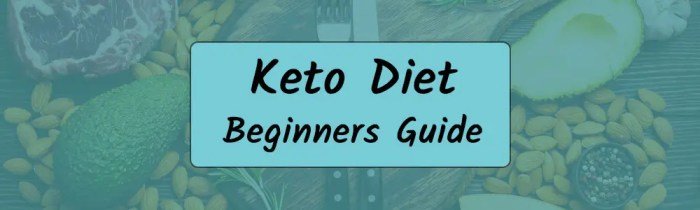
Choosing the right foods is fundamental to successfully following a high-protein keto diet. This dietary approach emphasizes a specific macronutrient ratio, and therefore, careful selection of food items is paramount to achieving the desired metabolic state of ketosis while ensuring adequate protein intake. The following sections detail the best protein sources, approved fats, and foods to avoid on this diet.
Identifying Optimal Protein Sources
The cornerstone of a high-protein keto diet is, of course, protein. Protein is essential for numerous bodily functions, including building and repairing tissues, producing enzymes and hormones, and maintaining a healthy metabolism. It’s also crucial for satiety, helping you feel fuller for longer and potentially aiding in weight management. Selecting the right protein sources is key to meeting your daily protein needs while staying within the strict carbohydrate limits of the keto diet.Here are some of the best protein sources to incorporate:
- Meat: Beef, pork, lamb, and other red meats are excellent sources of protein and healthy fats. Choose cuts like ribeye, sirloin, and ground beef (with a higher fat content) to align with the keto guidelines. Consider grass-fed options for potentially higher nutrient content.
- Poultry: Chicken and turkey are lean protein sources. Opt for chicken thighs or whole chickens with the skin on for added fat. Remove the skin if needed to control fat intake, but be mindful of the overall macronutrient ratio.
- Fish: Fatty fish like salmon, mackerel, and sardines are not only high in protein but also rich in omega-3 fatty acids, which are beneficial for heart health and brain function.
- Eggs: Eggs are a versatile and complete protein source, meaning they contain all nine essential amino acids. They are also relatively inexpensive and easy to prepare.
- Certain Dairy Products: Full-fat dairy products like cheese (cheddar, mozzarella, etc.) and heavy cream can contribute to protein intake. Be mindful of portion sizes and carbohydrate content, as some dairy products contain higher levels of lactose.
These protein sources provide essential amino acids, which are the building blocks of protein, crucial for maintaining muscle mass and supporting various bodily functions. They also offer a good source of vitamins and minerals. For instance, red meat is a significant source of iron and zinc, while fish provides vitamin D and iodine. Incorporating a variety of these protein sources ensures a balanced intake of nutrients and supports the goals of a high-protein keto diet.
Preparing Delicious and Keto-Friendly Meals is the fun part of the process.

Embracing a high-protein keto diet doesn’t mean sacrificing flavor or enjoyment. In fact, the possibilities for creating delicious and satisfying meals are vast. The key is to focus on whole, unprocessed foods and to experiment with different flavor combinations. This section will guide you through some easy and tasty recipes, as well as provide helpful meal prep strategies to make your keto journey a success.
Easy High-Protein Keto Recipes for Beginners
Here are three simple and delicious high-protein keto recipes perfect for beginners. These recipes prioritize ease of preparation and readily available ingredients.
Recipe 1: Keto-Friendly Chicken Salad
This recipe is a classic, made keto-friendly with high-protein chicken and healthy fats.
Ingredients:
- 2 cups cooked, shredded chicken breast
- 1/4 cup mayonnaise (choose a brand with no added sugar)
- 1/4 cup chopped celery
- 2 tablespoons chopped red onion
- 1 tablespoon Dijon mustard
- Salt and pepper to taste
Instructions:
- In a medium bowl, combine the shredded chicken, mayonnaise, celery, red onion, and Dijon mustard.
- Season with salt and pepper to taste.
- Mix well to ensure all ingredients are evenly distributed.
- Serve on lettuce wraps or with keto-friendly crackers.
Recipe 2: Quick and Easy Tuna Salad with Avocado
A quick lunch or snack that’s packed with protein and healthy fats.
Ingredients:
- 2 cans (5 ounces each) tuna in water, drained
- 1/2 ripe avocado, mashed
- 1 tablespoon mayonnaise
- 1 tablespoon lemon juice
- Salt and pepper to taste
Instructions:
- In a bowl, combine the drained tuna and mashed avocado.
- Add mayonnaise and lemon juice.
- Season with salt and pepper.
- Mix well until all ingredients are combined.
- Serve immediately or chill for later.
Recipe 3: Keto-Friendly Scrambled Eggs with Cheese and Bacon
A breakfast staple that’s quick, easy, and satisfying.
Ingredients:
- 3 large eggs
- 1 tablespoon heavy cream
- 2 slices bacon, cooked and crumbled
- 1/4 cup shredded cheddar cheese
- Salt and pepper to taste
Instructions:
- Whisk eggs and heavy cream in a bowl.
- Season with salt and pepper.
- Cook bacon until crispy and crumble. Set aside.
- Melt a small amount of butter or coconut oil in a non-stick skillet over medium heat.
- Pour the egg mixture into the skillet.
- Gently push the cooked egg from the edges towards the center, allowing uncooked egg to flow underneath.
- When the eggs are almost set, sprinkle with cheese and bacon.
- Fold the eggs in half and serve immediately.
Meal Prep Tips and Strategies for High-Protein Keto Success
Meal prepping is a crucial element for maintaining a high-protein keto diet, especially when time is limited. Planning and preparing meals in advance can significantly reduce the temptation to stray from your diet and ensures you always have keto-friendly options available.
Here are some meal prep tips and strategies:
- Batch Cooking: Dedicate a few hours each week to cook large batches of protein sources, such as chicken breasts, ground beef, or fish. These can be used in various meals throughout the week. For example, you could roast several chicken breasts on Sunday and use the shredded chicken in salads, wraps, or casseroles throughout the week.
- Portioning: Divide cooked meals and snacks into individual containers to control portion sizes and make it easy to grab and go. This is especially helpful for preventing overeating.
- Utilizing Leftovers: Plan to cook extra servings of your dinner to have leftovers for lunch the next day. This minimizes the time spent cooking and ensures you’re always prepared. Leftover roasted chicken can become chicken salad, and leftover ground beef can be used in lettuce wraps.
- Snack Prep: Prepare keto-friendly snacks in advance, such as hard-boiled eggs, cheese sticks, or pre-portioned nuts and seeds. Having these readily available can prevent impulsive snacking on non-keto options.
- Plan Your Meals: Before grocery shopping, create a weekly meal plan that includes all meals and snacks. This helps you to stay organized and make informed choices.
- Grocery Shopping: Make a grocery list based on your meal plan and stick to it to avoid impulse purchases.
- Freezing: Freeze cooked meals or components of meals for longer-term storage. This is particularly useful if you are traveling or are too busy to cook.
Visual Guide: Suggested Food Combinations for Meals and Snacks
Visualizing your meals is a helpful strategy for planning and adhering to the high-protein keto diet. The following descriptions aim to create a mental picture of potential meal and snack combinations, emphasizing visual appeal and nutritional balance, without the use of images.
Meal 1: A Vibrant Breakfast
Imagine a plate with fluffy, golden scrambled eggs, speckled with vibrant green chives and a generous sprinkle of crumbled, crispy bacon. Alongside the eggs, envision a side of creamy avocado, sliced and fanned out, drizzled with a touch of olive oil and a sprinkle of sea salt. The plate’s colors are inviting: the rich yellow of the eggs, the deep red of the bacon, and the emerald green of the avocado.
Meal 2: A Colorful Lunch
Picture a large salad bowl overflowing with a mix of fresh, crisp greens: romaine lettuce, spinach, and a few sprigs of arugula. Dotted throughout the greens are chunks of grilled chicken breast, slightly charred and glistening. Scattered around are colorful cherry tomatoes, halved and bursting with juice, alongside slices of creamy cucumber and a few Kalamata olives. A drizzle of olive oil and a sprinkle of crumbled feta cheese complete the picture, adding texture and flavor.
Meal 3: A Savory Dinner
Envision a plate featuring a perfectly seared salmon fillet, with a crispy, golden-brown skin and flaky, pink flesh. Beside it, imagine a bed of roasted broccoli florets, slightly caramelized and sprinkled with toasted sesame seeds. The vibrant green of the broccoli contrasts beautifully with the salmon, and a squeeze of lemon juice adds a bright, fresh touch to the entire presentation.
Snack 1: A Simple Snack
Picture a small plate with a handful of mixed nuts: almonds, walnuts, and macadamia nuts, each with their own distinct shape and color. Alongside the nuts, envision a couple of cheese sticks, offering a creamy and contrasting texture.
Snack 2: A Quick Snack
Imagine a small bowl filled with hard-boiled eggs, each perfectly peeled and showcasing a bright yellow yolk. The simplicity of the eggs is enhanced by a sprinkle of paprika, adding a touch of color and flavor.
Addressing Potential Side Effects and Challenges is essential for sustained results.
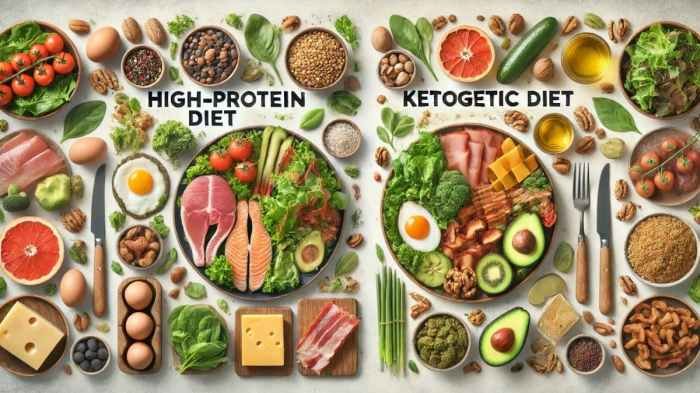
Embarking on a high-protein keto diet can bring about remarkable health benefits, but it’s also common to experience some initial side effects. Understanding these potential challenges and preparing for them is key to a smooth transition and long-term success. This section will delve into the common side effects, offer strategies for managing them, and address other challenges you might face along the way.
Managing the “Keto Flu”
The “keto flu” is a collection of symptoms that often occur in the first few days or weeks of starting a ketogenic diet. These symptoms are primarily caused by the body adapting to using fat for fuel instead of glucose. They can be uncomfortable, but they are usually temporary.
- Headaches: Often caused by electrolyte imbalances and dehydration.
- Fatigue: The body is adjusting to a new energy source, which can lead to tiredness.
- Nausea: Changes in digestion and the body’s adaptation process can trigger nausea.
- Constipation: Reduced carbohydrate intake can affect bowel movements.
- Irritability: Blood sugar fluctuations and changes in brain chemistry can cause mood swings.
Fortunately, there are several effective strategies for managing the keto flu. Increasing your fluid intake is crucial. Aim for at least eight glasses of water per day. Replenishing electrolytes, particularly sodium, potassium, and magnesium, is also essential. You can add a pinch of sea salt to your water or consume electrolyte-rich foods like bone broth and avocados.
Ensuring you get enough sleep and reducing strenuous exercise during the initial adaptation period can also help alleviate symptoms. Consider gradually increasing your carbohydrate intake in the beginning if the symptoms are severe and persistent, but make sure to monitor your ketone levels to stay in ketosis.
Monitoring Your Progress and Making Adjustments is an ongoing process.
Tracking your progress and making informed adjustments are critical for achieving and maintaining success on a high-protein keto diet. Regular monitoring allows you to assess your body’s response, identify areas for improvement, and ensure you’re on track to reach your goals. It is important to remember that individual responses to dietary changes vary, and what works for one person may not work for another.
Consistent evaluation and adaptation are key to optimizing your results.
Tracking Key Metrics
Monitoring your progress involves tracking several key metrics to gauge your body’s response to the diet. These metrics provide valuable insights into your overall health and the effectiveness of your dietary approach.
- Weight: Regular weight monitoring is a common and straightforward method. Weigh yourself at the same time each day (e.g., in the morning after using the restroom) to minimize fluctuations. Record your weight weekly to observe trends.
- Body Measurements: Tracking body measurements (waist, hips, chest, arms, thighs) provides a more comprehensive picture of body composition changes than weight alone. Use a measuring tape and record measurements every few weeks to assess changes in body size, even if the weight remains stable.
- Ketone Levels: Measuring ketone levels is a key indicator of ketosis. You can measure ketones through urine, blood, or breath.
- Urine Ketone Strips: These are the most affordable and easiest to use, but they can be less accurate over time. They are most useful in the initial stages of the diet.
- Blood Ketone Meters: These provide the most accurate measurements but require a small blood sample from a finger prick.
- Breath Ketone Analyzers: These devices measure acetone in your breath, offering a non-invasive alternative to blood testing.
Aim for a blood ketone level of 0.5-3.0 mmol/L to indicate nutritional ketosis.
- Other Indicators: Pay attention to how you feel. Note changes in energy levels, mental clarity, sleep quality, and digestion. These subjective indicators provide valuable context to your objective measurements.
Integrating Exercise into Your High-Protein Keto Lifestyle is very important.
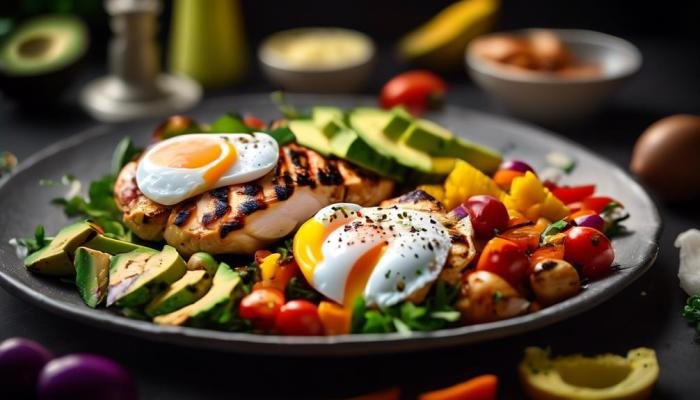
Incorporating exercise into a high-protein ketogenic diet significantly enhances its effectiveness and amplifies the benefits. While the diet itself promotes weight loss and metabolic improvements, combining it with regular physical activity optimizes results, contributing to a healthier and more sustainable lifestyle. Exercise complements the dietary changes, leading to superior outcomes in body composition, energy levels, and overall well-being.Regular exercise offers numerous advantages when combined with a high-protein keto diet.
Firstly, it promotes the building and maintenance of lean muscle mass. This is crucial because muscle tissue is metabolically active, meaning it burns more calories at rest compared to fat. Secondly, exercise boosts fat burning by increasing the body’s reliance on stored fat for fuel, a process known as fat oxidation. This is particularly effective on a ketogenic diet, as the body is already primed to use fat for energy.
Furthermore, exercise improves insulin sensitivity, which is beneficial for managing blood sugar levels and preventing insulin resistance. It also enhances cardiovascular health, reduces the risk of chronic diseases, and improves mood and cognitive function. The synergy between a high-protein keto diet and exercise creates a powerful combination for achieving optimal health and fitness.
Suitable Exercise Types
Choosing the right exercises is key to maximizing the benefits of a high-protein keto diet. A balanced approach that includes both strength training and cardiovascular exercises is ideal.Strength training, which involves lifting weights or using resistance bands, is vital for building and preserving muscle mass. Muscle is crucial for metabolic function and overall health. Strength training also improves bone density and boosts metabolism.
- Weightlifting: This can involve free weights (dumbbells, barbells) or weight machines. Focus on compound exercises, which work multiple muscle groups simultaneously. Examples include squats, deadlifts, bench presses, and overhead presses.
- Bodyweight Exercises: These utilize your own body weight for resistance. Examples include push-ups, pull-ups, lunges, and planks. These are great for home workouts and can be modified to suit different fitness levels.
- Resistance Bands: These provide a versatile and portable way to add resistance to exercises. They are particularly useful for rehabilitation and for individuals new to strength training.
Cardiovascular exercises, such as running, swimming, cycling, or brisk walking, are important for improving cardiovascular health and burning calories. These exercises enhance the body’s ability to utilize fat for fuel.
- High-Intensity Interval Training (HIIT): HIIT involves short bursts of intense exercise followed by brief recovery periods. This method is efficient for burning calories and improving cardiovascular fitness. Examples include sprinting intervals or cycling sprints.
- Moderate-Intensity Cardio: This involves activities that elevate your heart rate to a moderate level for a sustained period. Examples include jogging, brisk walking, and cycling at a moderate pace.
- Low-Intensity Steady State (LISS) Cardio: This involves performing cardio at a low intensity for an extended duration. Examples include long walks or light cycling. This type of cardio can be beneficial for fat burning without overly taxing the body.
Combining strength training and cardio provides a well-rounded approach to fitness, complementing the effects of a high-protein keto diet. Listen to your body and adjust the intensity and duration of your workouts as needed.
Sample Weekly Workout Plan
A structured workout plan is essential for achieving consistent results. Here is a sample weekly workout plan for beginners on a high-protein keto diet. This plan emphasizes a balance between strength training and cardio, and it’s designed to be adaptable to individual fitness levels.
| Day | Exercise | Sets | Reps | Rest |
|---|---|---|---|---|
| Monday | Strength Training (Full Body) | 3 | 10-12 | 60-90 seconds |
| Squats | 3 | 10-12 | 60-90 seconds | |
| Push-ups | 3 | As many reps as possible (AMRAP) | 60-90 seconds | |
| Dumbbell Rows | 3 | 10-12 per arm | 60-90 seconds | |
| Overhead Press | 3 | 10-12 | 60-90 seconds | |
| Tuesday | Cardio | – | 30-45 minutes | – |
| Brisk Walking or Cycling | – | – | – | |
| Wednesday | Rest | – | – | – |
| Thursday | Strength Training (Focus on Upper Body) | 3 | 10-12 | 60-90 seconds |
| Bench Press | 3 | 10-12 | 60-90 seconds | |
| Pull-ups (or Lat Pulldowns) | 3 | As many reps as possible (AMRAP) | 60-90 seconds | |
| Overhead Press | 3 | 10-12 | 60-90 seconds | |
| Dumbbell Rows | 3 | 10-12 per arm | 60-90 seconds | |
| Friday | Cardio or Rest | – | 30-45 minutes | – |
| HIIT (Sprinting Intervals) or LISS (Jogging) | – | – | – | |
| Saturday | Strength Training (Focus on Lower Body) | 3 | 10-12 | 60-90 seconds |
| Squats | 3 | 10-12 | 60-90 seconds | |
| Deadlifts (or Romanian Deadlifts) | 3 | 10-12 | 60-90 seconds | |
| Lunges | 3 | 10-12 per leg | 60-90 seconds | |
| Calf Raises | 3 | 15-20 | 60-90 seconds | |
| Sunday | Rest or Active Recovery | – | – | – |
Remember to warm up before each workout and cool down afterward. Warm-up exercises could include light cardio, such as jogging in place or jumping jacks, and dynamic stretching, such as arm circles and leg swings. Cool-down exercises could include static stretching, holding each stretch for 20-30 seconds. Hydration is critical. Drink plenty of water throughout the day, especially before, during, and after your workouts.The most crucial aspect is listening to your body.
If you feel pain, stop the exercise and rest. Adjust the intensity and duration of your workouts as needed. Progress gradually, increasing the weight, reps, or sets as you get stronger. It is also beneficial to vary your workouts periodically to prevent plateaus and keep things interesting. This could involve changing exercises, rep ranges, or rest periods.
For example, after several weeks, you could incorporate advanced exercises such as weighted pull-ups or single-leg deadlifts. Regular assessment of your progress and the use of tools like fitness trackers can help you monitor your results and adjust your plan as necessary.
Closure

In conclusion, High-Protein Keto Diet Explained for Beginners provides a thorough overview of this dietary approach, from understanding its core principles to implementing it effectively. By mastering macronutrient calculations, selecting the right foods, and addressing potential challenges, individuals can harness the benefits of this diet. Remember, consistency, monitoring progress, and making adjustments are key to long-term success. Embrace the journey, and enjoy the delicious and health-promoting possibilities of the high-protein keto diet.
FAQ Section
What is the main difference between a standard keto diet and a high-protein keto diet?
The high-protein keto diet increases protein intake compared to a standard keto diet, which typically focuses on higher fat intake. This change can help preserve muscle mass and potentially improve satiety.
Can I drink alcohol on a high-protein keto diet?
Alcohol can be consumed in moderation, but it can hinder ketosis. Stick to low-carb options like clear spirits (vodka, gin, tequila) with zero-carb mixers.
How long does it take to enter ketosis?
It typically takes 2-7 days to enter ketosis, depending on individual metabolism, carbohydrate intake, and activity levels. Monitoring ketone levels can help track progress.
What are the signs of being in ketosis?
Common signs include weight loss, increased energy, reduced appetite, bad breath (keto breath), and elevated ketone levels in blood, urine, or breath.
