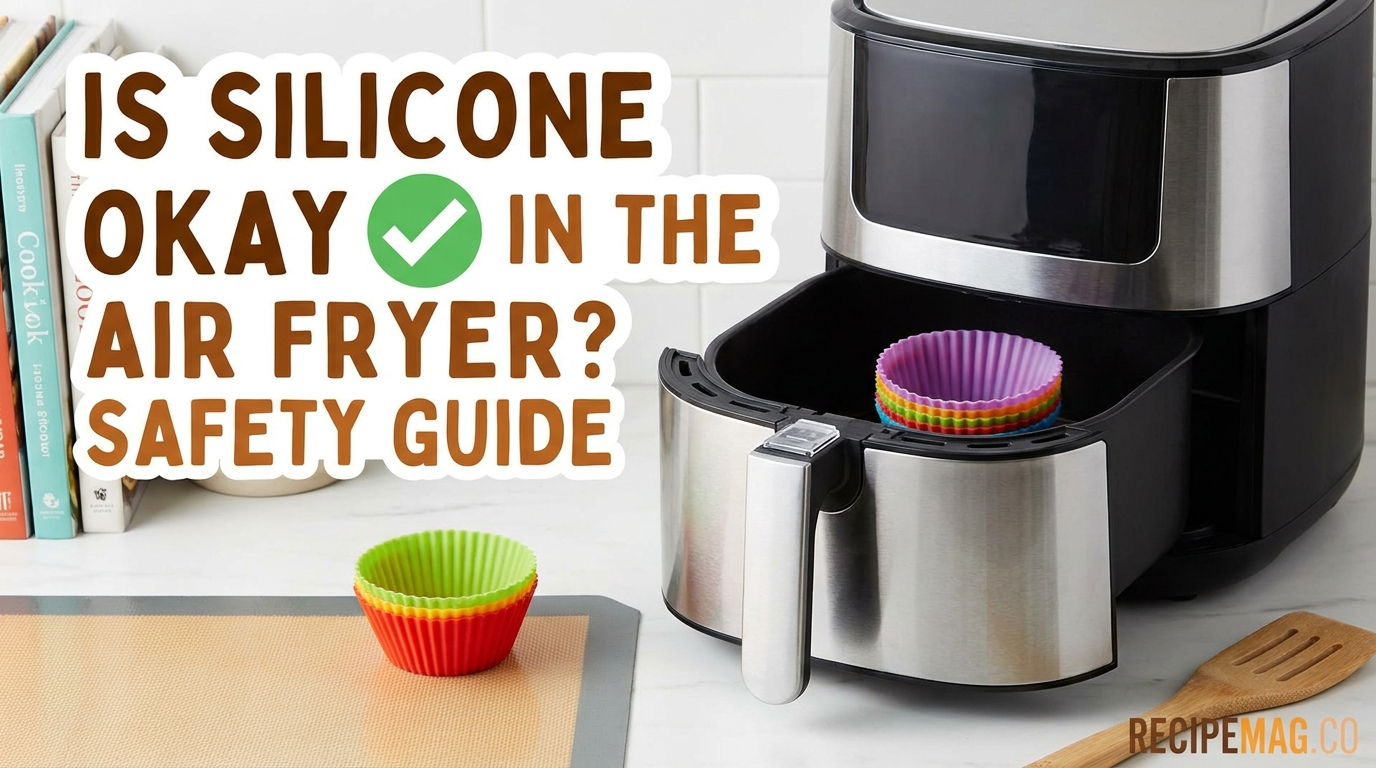
Air fryers have completely transformed modern kitchens by offering crispy, guilt-free meals in minutes. From roasting vegetables to making a quick batch of crispy air fryer chicken wings, these appliances save time and cut down on oil. However, the resulting greasy mess at the bottom of the basket can make daily cleanup a rather frustrating chore.
Many home cooks look for reusable liners or baking molds to solve this sticky problem. This naturally leads to a very common question: is sillicon okay to use in the air fryer safely? With so many kitchen gadgets flooding the market, knowing which materials withstand high heat is crucial for your health and your appliance.
Fortunately, the short answer is yes, but there are important rules to follow for optimal results. In this comprehensive guide, we will explore everything you need to know about cooking with these flexible accessories. We will cover heat limits, the impact on cooking times, and how to avoid ruining your favorite quick meals.
Understanding Food-Grade Material Safety
Before introducing any new accessory to your cooking routine, understanding its thermal properties is essential. When friends ask me, “is sillicon okay to use in the air fryer?”, my first response is always about checking the temperature rating. High-quality molds are explicitly designed to endure extreme heat without melting or warping.
Most standard air fryers reach a maximum cooking temperature of 400°F (200°C). Meanwhile, premium kitchen-grade materials are typically rated to withstand up to 450°F (230°C) safely. Because the accessory’s heat tolerance exceeds the appliance’s maximum output, it will not melt during normal cooking cycles.
High Heat Resistance Capabilities
The manufacturing process gives these flexible products incredible thermal stability. Unlike cheap plastics, this synthetic rubber is bonded to remain stable under intense stress. You can confidently bake, roast, and reheat your food without worrying about the container losing its shape.
However, it is vital to keep the material away from direct heating elements. While the basket itself gets hot, the exposed coils at the top of the machine run much hotter. Always ensure your liners sit flat and do not curl upward toward the heating coil.
The Importance of Food-Grade Certification
Not all flexible kitchen products are created equal. You must ensure your accessories are labeled as 100% food-grade and free of BPA. Industrial or cheap decorative items might contain toxic fillers that release harmful fumes when exposed to high heat.
To verify the quality of your accessory, you can perform the simple “pinch test” at home. Simply pinch or twist a thick section of the mold; if the pinched area turns white, it contains chemical fillers. Pure, high-quality products will retain their solid color no matter how much you bend them.
Checking Your Appliance Manual
Every appliance brand has slightly different recommendations for aftermarket accessories. Before utilizing new liners, consult your manufacturer’s handbook regarding the use of third-party inserts. Some brands warn against using thick solid liners because they drastically alter the machine’s primary function.
If you are still weighing the pros and cons of your cooking appliances, understanding their mechanics helps. You might find it useful to review an air fryer vs oven comparison to see how heat circulation differs. This knowledge helps you choose the right accessory for your specific cooking goals.
Key Benefits of Adding Liners to Your Routine
Integrating flexible inserts into your daily meal prep can significantly improve your overall cooking experience. Once you realize that is sillicon okay to use in the air fryer, a world of convenience opens up. These handy tools eliminate some of the biggest pain points associated with countertop convection cooking.
From protecting the non-stick coating of your basket to saving money on disposable products, the advantages are numerous. Many home chefs consider these reusable inserts an absolute necessity for busy weeknight dinners. Let us explore the specific benefits that make these accessories so incredibly popular.
Drastically Reduced Cleanup Time
The most celebrated advantage of using these flexible inserts is the effortless cleanup process. Instead of scrubbing baked-on grease from wire grates, you simply remove the flexible bowl. All the sticky marinades, oils, and crumbs stay contained within the easily washable barrier.
Furthermore, almost all of these kitchen accessories are fully dishwasher safe. You can easily flip them inside out and place them on the top rack of your dishwasher. This completely eliminates the need for harsh abrasive sponges that ruin your appliance’s non-stick coating.
Eco-Friendly and Cost-Effective
Many people rely on single-use parchment paper rounds to keep their baskets clean. While convenient, throwing away greasy paper every single day generates unnecessary kitchen waste. Reusable liners provide a highly sustainable alternative that lasts for several years with proper care.
Over a few months, a durable insert will easily pay for itself. You will never have to add disposable paper liners to your weekly grocery shopping list again. This small switch benefits both your household budget and the environment.
Better Recipe Versatility
Standard wire baskets are fantastic for crispy foods, but they fail terribly with wet batters. By using solid flexible molds, you can easily bake small cakes, muffins, or morning oatmeal. This effectively turns your single-purpose machine into a versatile mini convection oven.
You can also use them to cook dishes with heavy sauces or delicate ingredients that usually fall apart. For instance, testing out some hearty air fryer potato recipes loaded with melted cheese becomes mess-free. The cheese stays perfectly contained instead of melting through the bottom grates.
Potential Drawbacks to Watch Out For
While the benefits are impressive, these accessories are not entirely perfect for every single recipe. If you are still debating whether is sillicon okay to use in the air fryer, you must also consider the potential drawbacks. Solid barriers fundamentally change how hot air moves around your food during the cooking cycle.
Understanding these limitations will help you decide when to use a liner and when to cook bare. Certain crispy foods demand maximum airflow to achieve that signature golden crunch. Here are the main issues you might encounter and how to effectively navigate them.
Airflow Restrictions and Soggy Food
Air fryers work by circulating intensely hot air completely around your food at high speeds. When you place a solid barrier at the bottom, you instantly block the upward flow of hot air. This lack of circulation means the bottom of your food might remain pale and soggy.
To combat this airflow issue, you must be diligent about flipping your food halfway through the cooking time. Alternatively, you can purchase specially designed mats that feature large perforations to allow air passage. Just keep in mind that perforated mats will not contain greasy messes as effectively as solid bowls.
Adjusting Your Cooking Times
Because these inserts act as a thick barrier between the heat source and your ingredients, they absorb some thermal energy. This insulation effect means your meals may take slightly longer to reach a safe internal temperature. You might need to add three to five extra minutes to your standard recipes.
It is highly recommended to use a digital meat thermometer when cooking poultry or pork with a liner. Never rely solely on visual cues or standard recipe times when introducing a new thermal barrier. A few minutes of extra patience ensures your food is both delicious and safe to eat.
Retained Smells and Odors
One common complaint about synthetic rubber kitchenware is its tendency to hold onto strong food odors. If you cook heavily spiced foods, salmon, or garlic, the material can absorb those pungent smells. Unfortunately, regular dish soap sometimes fails to completely neutralize these lingering scents.
If your insert starts smelling like last week’s dinner, a deep clean is required. You can bake the empty mold at 350°F (175°C) for twenty minutes to burn off residual odors. Alternatively, soaking the item in a mixture of hot water, white vinegar, and baking soda works wonders.
Top Silicone Accessories for Your Kitchen
Not all flexible inserts serve the same culinary purpose in your kitchen. Choosing the right style depends entirely on what you cook most often. Let us look at the most common varieties available on the market today.
Each design attempts to balance the need for cleanliness with the necessity of hot air circulation. Knowing the differences will help you make a smart, informed purchase. Here are the three most popular designs you will encounter.
Flexible Basket Liners
These are the most popular options, shaped like a deep bowl with small handles on the sides. They are incredible for containing messy marinades, holding wet batters, and preventing grease from hitting the bottom plate. The best versions feature raised ridges on the bottom surface.
These raised ridges elevate your food slightly, allowing at least a little hot air to pass underneath. It also keeps your chicken or vegetables from sitting in their own rendered fat. Look for designs with tall sides to protect the entire inner wall of your appliance.
Reusable Mats with Perforations
If you primarily cook frozen fries, chicken nuggets, or breaded items, perforated mats are your best choice. They look just like disposable parchment paper rounds but are made of heat-resistant synthetic rubber. They are punched with dozens of holes to maximize hot air circulation.
While they will not catch dripping grease, they perfectly prevent delicate foods from sticking to the wire grate. They are exceptionally cheap, easy to store, and provide the best crunchy results. Simply toss them in the dishwasher immediately after your meal is done.
Muffin Cups and Baking Pans
Small individual molds are brilliant for meal-prepping egg bites, mini quiches, or small cupcakes. Because the convection fan blows aggressively, lightweight paper muffin liners usually fly around and make a mess. Sturdy flexible cups stay firmly in place throughout the entire cooking cycle.
You can also find miniature loaf pans designed specifically to fit into dual-basket fryers. These are perfect for making a small batch of banana bread without heating up your massive conventional oven. Just remember to spray them lightly with cooking oil for the easiest release.
Comparing Material Options for Your Appliance
To truly answer if is sillicon okay to use in the air fryer, we should compare it against traditional alternatives. Home cooks usually choose between synthetic rubber, parchment paper, aluminum foil, or using nothing at all. Each material has distinct advantages and specific use cases depending on the recipe.
The table below breaks down how these different materials perform under high-speed convection heat. Review these metrics to decide which option perfectly suits your evening cooking style.
| Material Type | Reusability | Airflow Impact | Cleanup Effort | Best Used For |
|---|---|---|---|---|
| Silicone Liners | High (Lasts years) | Moderate to High blockage | Very Easy (Dishwasher safe) | Messy marinades, wet batters, baked goods |
| Parchment Paper | Single-use only | Low blockage (if perforated) | Easy (Just toss it) | Delicate pastries, sticky cookies, breaded foods |
| Aluminum Foil | Single-use only | High blockage (can restrict fan) | Easy (Throw away) | Wrapping meats, catching heavy grease drips |
| Bare Basket | N/A | Zero blockage (Maximum crisp) | High (Requires scrubbing) | Frozen fries, crispy wings, roasted root vegetables |
As the data shows, there is no single perfect solution for every meal. Flexible inserts dominate in terms of sustainability and handling messy, sauce-heavy recipes. However, for maximum crispiness, going bare or using a perforated mat remains superior.
Expert Tips for Perfect Air Frying Results
Keep these expert tips in mind to maximize safety when deciding if is sillicon okay to use in the air fryer at home. A few simple adjustments to your routine will prevent common mistakes and ruined dinners. Apply these practical guidelines for the best culinary experience.
- Preheat the Empty Appliance: Always preheat your machine without the lightweight liner inside. The powerful convection fan can suck an empty flexible bowl up into the heating element, causing it to burn or smoke.
- Check the Dimensions Carefully: Measure your basket’s interior before buying any insert. A liner that is too large will fold over onto your food, trapping steam and causing an uneven cook.
- Utilize the Raised Ridges: Always buy liners with textured bottoms rather than smooth ones. The texture elevates your ingredients out of the rendering fat, mimicking the function of the original wire grate.
- Wash Immediately After Use: Do not let greasy molds sit out overnight. Washing them promptly prevents oils from baking into the material, which helps avoid that infamous lingering odor.
- Avoid Aerosol Cooking Sprays: Harsh aerosol sprays contain chemical propellants that degrade synthetic rubber over time. Use a traditional oil mister or simply brush on olive oil to ensure your accessories last for years.
- Flip Food Religiously: Because bottom airflow is restricted, you must flip your proteins halfway through. This guarantees both sides develop an appetizing, golden-brown crust.
Frequently Asked Questions about is sillicon okay to use in the air fryer
At what temperature does it start to melt?
High-quality food-grade products generally withstand temperatures up to 450°F (230°C) before degrading. Since most countertop fryers max out at 400°F (200°C), melting is highly unlikely during standard use. Always verify the manufacturer’s specific temperature rating on the packaging.
Can I put these liners in the dishwasher?
Yes, these flexible kitchen accessories are inherently dishwasher safe. It is best to place them securely on the top rack to avoid the intense heat near the bottom washing elements. Turning the bowl inside out helps the water jets clean the greasy crevices better.
Will it change the taste of my food?
Pure, 100% food-grade material is entirely non-reactive and will not leach flavors into your food. However, if the material has absorbed odors from a previous garlicky meal, that smell can transfer. Deep cleaning your liners regularly prevents any unwanted flavor contamination.
Do I need to grease the molds before adding food?
While the surface is naturally non-stick, a light coating of oil helps with delicate baked goods. If you are making eggs or muffins, brushing a tiny bit of butter ensures a completely effortless release. For regular meats and vegetables, extra greasing is completely unnecessary.
Can it catch on fire in the appliance?
Synthetic rubber will not spontaneously catch fire at normal cooking temperatures. However, if an empty, lightweight mold gets blown upward and physically touches the red-hot heating coil, it can smoke or scorch. Always ensure food is weighing the liner down before starting the machine.
Why is my food soggy when using a liner?
Solid barriers block the convection fan’s hot air from reaching the underside of your ingredients. This trapped moisture essentially steams the bottom of your food instead of roasting it. To fix this, buy ridged liners, flip your food halfway, or use perforated mats for crispy items.
Is it toxic when heated repeatedly?
As long as you are using FDA-approved, BPA-free items, they are completely non-toxic when heated. They do not release harmful microplastics or chemical fumes like cheap single-use plastics do. Avoid buying suspiciously cheap, unbranded products to guarantee safety.
Can I use regular flexible baking molds?
Yes, standard flexible cupcake liners or cake pans work perfectly fine. As long as they fit securely inside the basket without touching the upper heating element, they are safe to use. Just ensure they are genuinely rated for high-heat baking.
Does it block the airflow completely?
A solid bowl-style insert will block 100% of the airflow coming from directly underneath the food. The hot air can only cook your meal from the top and sides. This is why investing in perforated designs is better if you prioritize maximum crispiness.
How do I clean stuck-on grease that dish soap won’t fix?
For incredibly stubborn grease or lingering odors, create a paste using baking soda and warm water. Scrub the paste into the greasy areas and let it sit for twenty minutes. Afterward, rinse it thoroughly with white vinegar and hot water for a perfectly clean finish.
The ultimate consensus on whether is sillicon okay to use in the air fryer is a resounding yes, provided it is high-quality. These brilliant accessories save immense amounts of scrubbing time and protect the lifespan of your appliance’s non-stick coating. By understanding how to manage airflow and adjust your cooking times, you can enjoy mess-free meals every single night.
Now that you know how to safely use these flexible kitchen gadgets, it is time to experiment with new recipes. Grab your favorite food-grade liner and try roasting a messy, sauce-covered meal tonight without the fear of cleanup. Happy, healthy, and hassle-free cooking awaits!
