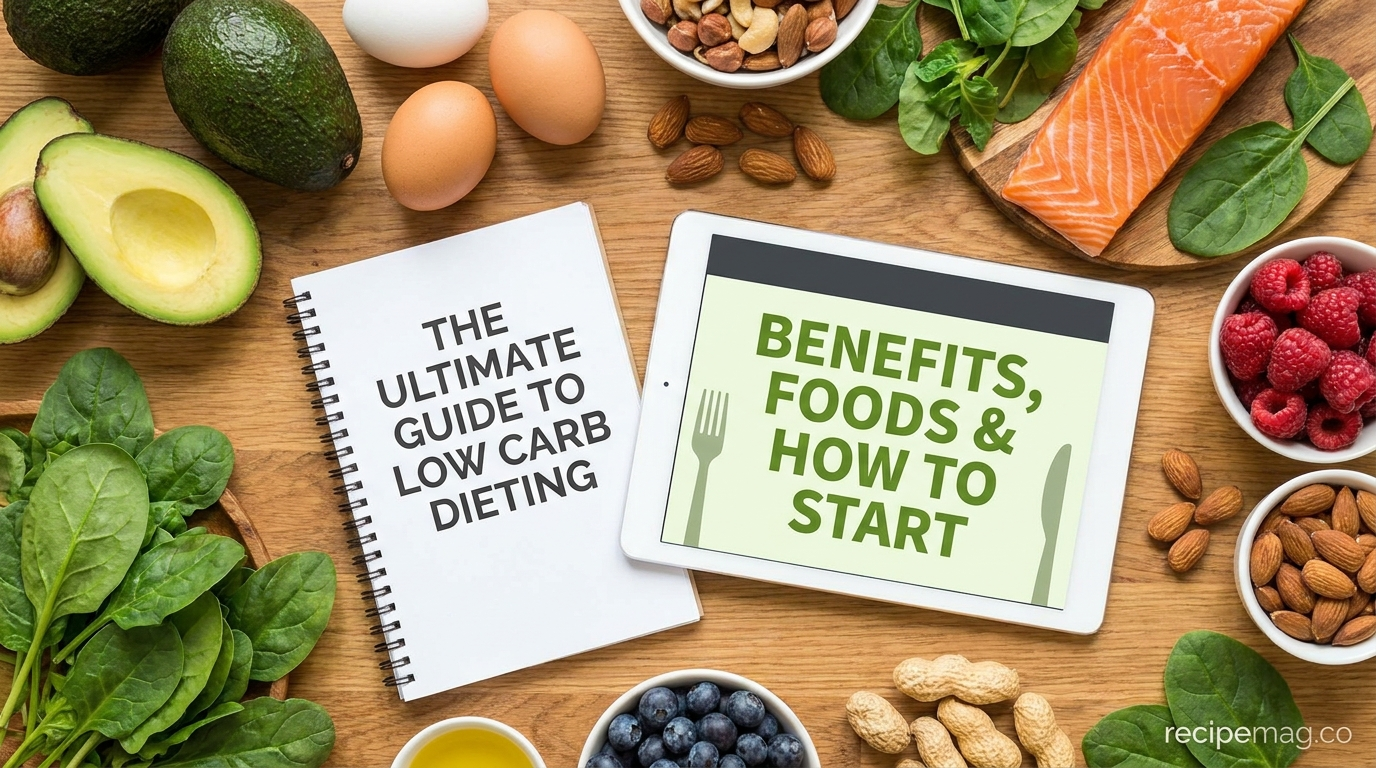
Millions of people try new diets every year, but very few deliver consistent, sustainable results the way low carb eating does. This is The Ultimate Guide to Low Carb Dieting: Benefits, Foods & How to Start, your complete resource to go from curious beginner to confident, consistent low carb eater.
Unlike extreme fad diets that leave you hungry, irritable and bound to quit, low carb dieting works with your body’s natural metabolism. This guide doesn’t just tell you what to eat. It explains why this eating pattern works, who it works best for, and how to build habits that stick long term.
You will learn proven health benefits, exactly which foods to choose, how to avoid common beginner mistakes, and how to adapt this lifestyle to your schedule and budget. No crash diets, no forbidden food guilt, just clear actionable advice.
How Low Carb Dieting Works For Your Body
At its core, low carb dieting simply means reducing your intake of refined sugars, grains, and starchy foods. Instead, you fuel your body with protein, healthy fats, fibre-rich vegetables, and small amounts of whole fruit.
When you eat large amounts of carbohydrates, your body converts these carbs into glucose for energy. This causes regular blood sugar spikes, followed by energy crashes and increased hunger signals.
When you reduce carb intake, your body switches to burning stored fat for energy instead. This metabolic state is why so many people experience steady energy levels and reduced cravings on this eating pattern.
Defining Carb Intake Ranges
There is no single universal number for “low carb”. Most guidelines define low carb as eating between 20 and 150 grams of total carbohydrates per day, depending on your activity level and goals.
It is very important to remember that low carb is not the same as keto. You can read more about the differences in our Low Carb vs. Keto: Understanding the Key Differences guide if you are unsure which style fits you.
Most new beginners start around 100-120 grams of carbs per day, and adjust down or up based on how they feel. You do not need to drop to extreme levels to see benefits.
The Science Behind Low Carb Metabolism
Over 200 randomized controlled trials have confirmed that low carb diets produce equal or better weight loss results compared to low fat diets, according to 2023 research published in the British Medical Journal.
Beyond weight loss, this eating pattern consistently improves markers for insulin sensitivity, blood pressure, and triglyceride levels. For a full breakdown of the research, see our Low Carb Diet Benefits Beyond Weight Loss article.
You don’t need to memorise all the biology. What matters is that this is not a trend. This eating pattern is backed by decades of human nutrition research.
Proven Health Benefits Of Low Carb Dieting
Most people first try low carb eating for weight loss, but that is only one of many benefits people experience. Most regular followers report improvements across almost every area of daily health.
Weight Loss And Appetite Regulation
The most well documented benefit of low carb eating is consistent, sustainable weight loss without constant hunger. Unlike calorie restricted diets, low carb eating naturally reduces appetite by stabilising hunger hormones.
On average, people following a low carb pattern lose 1-2 pounds per week long term, without intentional calorie counting. This is one of the only eating patterns where most people report feeling satisfied while losing weight.
For realistic expectations and how to break through plateaus, check out our dedicated Low Carb for Weight Loss guide.
Metabolic And Blood Sugar Health
Low carb diets are one of the most effective dietary interventions for type 2 diabetes management. Multiple studies show that many people are able to reduce or eliminate diabetes medication under medical supervision when following this eating pattern.
Even for people without diabetes, stabilising blood sugar eliminates mid-afternoon energy crashes, brain fog, and sugar cravings that most people consider normal. This is the single most commonly reported benefit from new low carb followers.
You can learn more about safe implementation in our Low Carb for Diabetes Management comprehensive guide.
Low Carb Foods: What You Should Eat And Avoid
The biggest mistake new beginners make is overcomplicating food choices. Low carb eating is extremely simple once you learn the basic food groups.
You do not need special products, expensive supplements, or fancy ingredients. Almost all good low carb foods are standard items you can find at any regular grocery store.
Approved Low Carb Foods
All low carb meals are built from just a small number of core food groups. You can mix and match these in thousands of different combinations.
- All non-starchy vegetables: leafy greens, broccoli, cauliflower, zucchini, peppers, asparagus
- High quality protein: chicken, fish, eggs, beef, pork, tofu, greek yoghurt
- Healthy fats: avocado, olive oil, butter, nuts, seeds, coconut oil
- Low sugar fruits: berries, lemons, limes, small portions of apple or pear
For the complete printable list including exact carb counts for every common food, visit our Low Carb Food List: What to Eat & What to Avoid page.
Foods To Limit Or Avoid
Almost all foods to avoid are processed refined carbs that have only become common in human diets in the last 100 years.
- Sugary drinks, sweets, cakes, cookies and candy
- White bread, pasta, rice, cereals and most grain products
- Potatoes, corn, and other high starch root vegetables
- Processed low fat diet products that hide added sugar
You do not need to cut these foods 100% forever. For most people, limiting them to 1-2 occasional treat meals per week works perfectly well long term.
Understanding Net Carbs For Beginners
When counting carbs, almost all experienced low carb followers count net carbs rather than total carbs. Net carbs are total carbohydrates minus fibre, which your body cannot digest.
This is one of the most confusing concepts for new beginners. We have a full simple explanation in our Understanding Carb Counts: A Practical Guide to Net Carbs article.
You do not need to count perfectly when you first start. Just focus on eating mostly whole unprocessed foods for the first month, and you will get it right.
How To Start Low Carb Dieting For Absolute Beginners
You don’t need to wait for Monday, you don’t need to empty your pantry, and you don’t need to throw away all the food you already have. You can start making small changes today.
Your First Week Action Plan
For your first week, don’t count anything. Don’t track calories, don’t weigh food. Just follow these three simple rules:
- Build every meal around a palm sized portion of protein
- Fill half your plate with non-starchy vegetables
- Drink water when you are thirsty, avoid all sugary drinks
That is it. 90% of the benefits come from these three simple rules. Most people feel a noticeable difference in energy levels within 48 hours of making this change.
Meal Planning For Busy People
Low carb eating is extremely easy once you have a small number of go-to meals that you can make quickly. Most successful followers only rotate 6-8 regular meals.
For quick morning meals, browse our Easy Low Carb Breakfast Ideas for Busy Mornings collection. For weeknight dinners, we have tested Low Carb Dinner Recipes that take under 30 minutes.
When you need something between meals, our Low Carb Snack Ideas list will keep you full without spiking blood sugar.
For full weekly plans and prep strategies, see our Low Carb Meal Prep for Beginners guide.
Low Carb Diet Style Comparison
| Diet Style | Daily Carb Limit | Best For | Difficulty Level | Average Weekly Weight Loss |
|---|---|---|---|---|
| Moderate Low Carb | 100-150g | Long term maintenance, active people, beginners | Very Easy | 0.5 – 1 lb |
| Standard Low Carb | 50-100g | Steady weight loss, general health | Easy | 1 – 1.5 lb |
| Strict Low Carb | 20-50g | Faster weight loss, diabetes management | Moderate | 1.5 – 2.5 lb |
| Ketogenic Diet | Under 20g | Therapeutic use, very fast fat loss | Hard | 2 – 3 lb (first 2 weeks) |
Pro Tips For Long Term Low Carb Success
These are the tips that separate people who quit after 2 weeks from people who make this a permanent lifestyle. All of these come directly from thousands of real low carb followers.
- Don’t try to be perfect. One bad meal will not ruin your progress. Consistency beats perfection every single time.
- Salt your food properly. When you reduce carbs your body flushes extra water and salt. Most low carb side effects happen from not eating enough salt.
- Drink 3-4 litres of water per day for the first month. Dehydration is the number one cause of the so called “low carb flu”.
- Don’t eat just because the clock says it is meal time. Only eat when you are actually hungry.
- Plan ahead for social events and restaurant meals. Use our Eating Out Low Carb Guide to avoid awkward situations.
- You can absolutely eat low carb without spending extra money. Our Low Carb on a Budget guide will show you exactly how.
- Learn the most common beginner mistakes before you make them. Read our Common Low Carb Mistakes article to save yourself weeks of frustration.
Frequently Asked Questions about The Ultimate Guide to Low Carb Dieting: Benefits, Foods & How to Start
How quickly will I see results on a low carb diet?
Most people notice improved energy and reduced cravings within 2-3 days. Consistent weight loss usually starts after the first week. Most people lose between 3 and 8 pounds in the first month.
Initial weight loss includes water weight, which is normal and not something to worry about. Steady fat loss will continue after this initial period.
Can I eat fruit on a low carb diet?
Yes, you can absolutely eat fruit on a low carb diet. Stick primarily to berries, which are low in sugar and high in fibre. Avoid large portions of high sugar fruits like mango, pineapple and grapes.
One small handful of berries per day is perfectly fine for almost everyone following a low carb eating pattern.
Is low carb dieting safe long term?
Long term studies up to 5 years have found no negative health effects from well formulated low carb diets. This eating pattern is considered safe for almost all adults.
Always consult your doctor before making major dietary changes if you have existing health conditions or take prescription medication.
Do I need to count calories on low carb?
Most people do not need to count calories on a low carb diet. The eating pattern naturally regulates appetite and calorie intake without intentional tracking.
If weight loss stops after several months, you can start tracking calories temporarily. This is not required for most beginners.
What is the low carb flu?
Low carb flu is a temporary set of mild symptoms some people experience in the first week. This includes tiredness, headaches and mild brain fog.
This is almost always caused by dehydration and lack of salt. Drinking extra water and adding a little extra salt to meals will eliminate these symptoms within 24 hours.
Can I build muscle on a low carb diet?
Yes, you can absolutely build muscle on a low carb diet. Ensure you are eating enough protein and total calories, and maintain a consistent resistance training routine.
Very active people and athletes can safely eat up to 150 grams of carbs per day while still getting all low carb benefits.
How much protein should I eat per day?
A good general rule is 0.8 to 1 gram of protein per pound of body weight per day. For most adults this works out to between 120 and 180 grams of protein daily.
Protein is the most important macronutrient on a low carb diet. Always prioritise protein first when building your meals.
Can I drink alcohol on a low carb diet?
You can drink alcohol in moderation on a low carb diet. Stick to dry wine, spirits and hard seltzers. Avoid beer, sweet wine and mixed drinks with added sugar.
Remember that alcohol will temporarily slow fat loss. 1-2 drinks per week will not have any meaningful long term impact.
This is The Ultimate Guide to Low Carb Dieting: Benefits, Foods & How to Start, but this is only the beginning. The most important step is not reading, it is taking one small action today. You don’t need to change everything at once.
Pick one single change from this guide and try it for the next 3 days. If it feels good, keep going. If it doesn’t, adjust. There is no perfect way to eat low carb, only the way that works for you.
