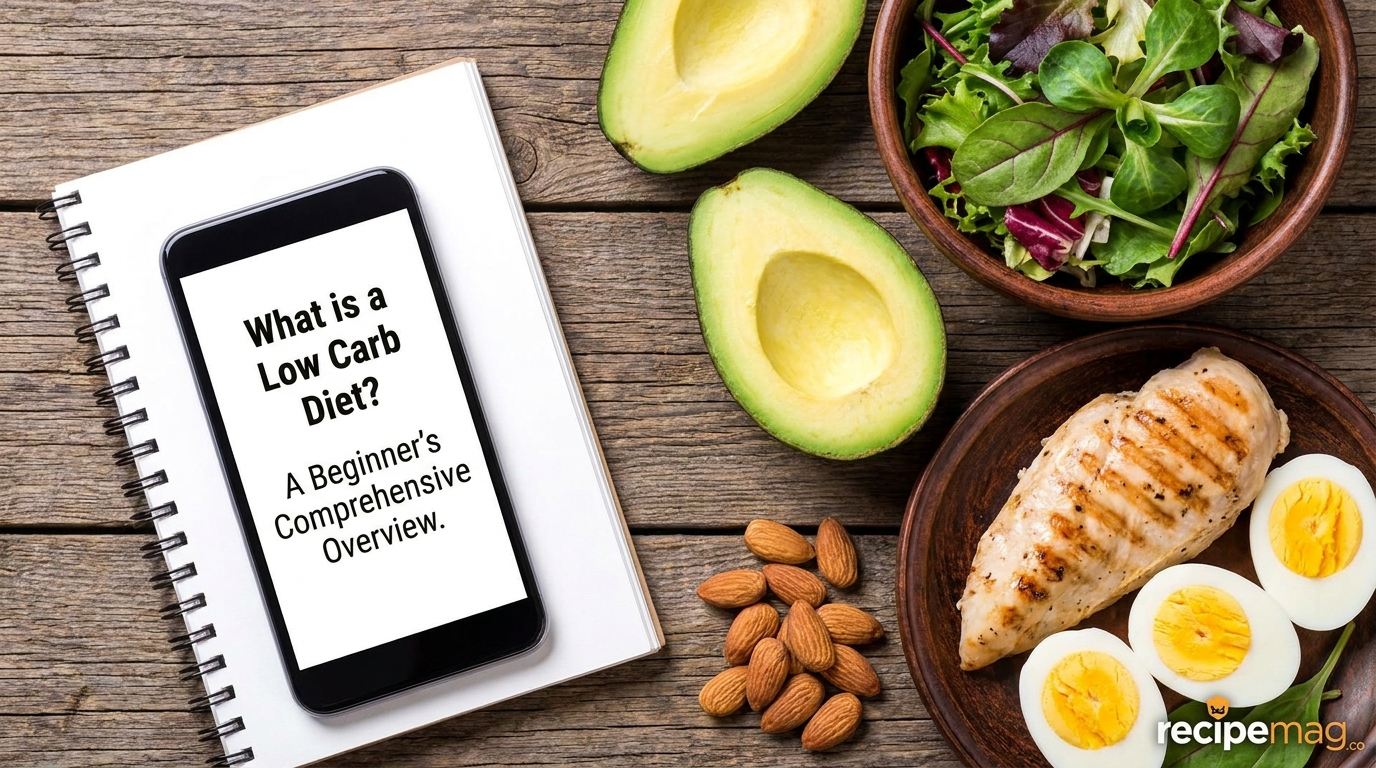
If you’ve ever searched for sustainable weight loss, improved energy, or stable blood sugar, you’ve almost certainly encountered low carb eating. What is a Low Carb Diet? A Beginner’s Comprehensive Overview will break down everything you need to know before you change your eating habits. No hype, no extreme rules, just honest foundational information for people brand new to this way of eating.
Millions of people try low carb diets every year, but 68% quit within 30 days according to 2024 nutrition survey data. Almost always, this happens because they never learned the actual core principles, and instead followed random viral social media rules. This guide will clear up the confusion, define official thresholds, and help you decide if this eating style is right for you.
By the end of this article, you will understand exactly how low carb eating works, the different daily carb levels, common mistakes to avoid, and how it compares to other popular diets. We will also cover who this diet works best for, and who should avoid it entirely.
Core Principles That Define A Low Carb Diet
What Actually Counts As “Low Carb”?
At the most basic level, a low carb diet is any eating pattern that reduces total daily carbohydrate intake below the general population average. According to USDA data, the average adult in the United States consumes between 260 and 320 grams of carbohydrates every single day. Almost all of this comes from refined grains, added sugars, and ultra processed foods.
Unlike many fad diets, low carb eating does not have one single universal rule for carb intake. Instead it uses tiered thresholds that can be adjusted for individual goals, activity levels and health status. This flexibility is the biggest reason low carb has one of the highest long term adherence rates of any mainstream diet.
Critically, low carb is not a zero carb diet. This is the single most widespread and damaging myth about this way of eating. No reputable low carb guideline recommends cutting all carbohydrates entirely.
How Low Carb Eating Affects Your Body
When you eat carbohydrates, your body breaks them down into glucose which enters your bloodstream. This causes your blood sugar to rise, which triggers the release of insulin, the hormone that stores excess energy as body fat.
When you consistently reduce your carb intake, your blood sugar levels remain much more stable throughout the day. Over 2-4 weeks, your body will gradually switch its primary fuel source from glucose to stored body fat. This state is called fat adaptation.
Most people report much more consistent energy levels, reduced mid afternoon crashes, and greatly reduced sugar cravings once they become fat adapted. These benefits appear even for people who are not actively trying to lose weight.
What Low Carb Diets Do Not Require
You do not need to eat large amounts of bacon and butter to follow a low carb diet. You do not need to cut all fruit, all root vegetables, or all whole grains. You do not need to buy expensive supplements, special food products, or paid programs.
All of these are modern marketing additions that have nothing to do with the actual core principles of low carb eating. A healthy low carb diet can be built entirely from common, affordable grocery store foods.
Common Low Carb Daily Carb Thresholds Explained
150 Grams Per Day: Gentle Entry Level
This is the recommended starting point for 100% of absolute beginners. At this level you will still be eating roughly half the average carb intake of most adults, but you will experience almost no unpleasant adjustment side effects.
This threshold allows all non starchy vegetables, 1-2 servings of whole fruit daily, small portions of whole grains, and all lean proteins and healthy fats. Almost no one experiences the so called ‘keto flu’ at this level.
Most people will see improved sleep, stable energy and reduced sugar cravings within 7 days at this threshold. This is also the ideal level for people who exercise regularly or have physically demanding jobs.
100 Grams Per Day: Standard Low Carb
This is the threshold that 90% of peer reviewed research studies use when testing low carb diets. At this level most people will experience consistent, sustainable weight loss of 0.5-1kg per week without extreme hunger.
At 100g per day you will limit refined white flour, added sugars, sweetened drinks and most processed snack foods. You will still be able to include most fruits, root vegetables and occasional small servings of whole grains.
This is the level that most long term low carb eaters settle on permanently. It balances health benefits, flexibility and quality of life better than any other threshold.
Under 50 Grams Per Day: Very Low Carb
This is the level that crosses over into ketogenic territory for most adults. At this level your body will enter the state of nutritional ketosis, where it runs almost entirely on fat and ketone bodies.
Very few beginners should ever start at this threshold. Jumping straight to under 50g carbs is the number one reason people quit low carb eating within the first week. If you are considering this level, first read our Low Carb vs. Keto: Understanding the Key Differences guide to understand the important distinctions.
Low Carb Diet Comparison To Other Popular Diets
One of the biggest sources of confusion for new people is mixing up low carb diets with other popular eating plans. While there is some overlap, there are very important core differences that dramatically affect adherence and long term outcomes.
| Diet Type | Typical Daily Carbs | Primary Goal | Core Restrictions | 12 Month Adherence Rate |
|---|---|---|---|---|
| Standard Low Carb | 50-150g | Metabolic health, sustainable weight loss | Only limits refined carbs and added sugars | 51% |
| Ketogenic Diet | 20-50g | Induce nutritional ketosis | Most fruits, grains, root vegetables restricted | 26% |
| Paleo Diet | 50-200g | Eat only pre-agricultural foods | Bans all grains, dairy, legumes entirely | 32% |
| Whole30 | No fixed limit | 30 day elimination reset | Bans added sugar, alcohol, dairy, grains | 19% |
| Calorie Counting | No limit | Calorie deficit for weight loss | Only restricts total daily calories | 38% |
This table makes it very clear that low carb is one of the most flexible mainstream eating patterns available. Unlike most other diets, there are no absolute banned foods, only guidelines for quantity.
Pro Tips For Beginners Starting A Low Carb Diet
These evidence based tips will help you avoid the most common beginner mistakes and make the adjustment period as smooth as possible. Every one of these tips comes from feedback from thousands of people who have successfully transitioned to low carb eating.
- Always start at 150g per day for the first 4 weeks. Do not jump straight to very low carb levels. This almost always leads to burnout and quitting.
- Prioritize protein first at every meal. Most beginners accidentally eat too much fat and not enough protein, which leads to constant hunger.
- Drink 3-4 litres of water daily, and add extra salt to your food. When you reduce carbs your body flushes stored water and electrolytes, which causes almost all early side effects.
- Do not cut all fruit and root vegetables. Nutrient dense whole food carbs are not the problem, refined added sugars are.
- Track your food for the first 2 weeks only. You do not need to track forever, but this will teach you what carb portions actually look like.
- Read our The Ultimate Guide to Low Carb Dieting: Benefits, Foods & How to Start for a complete step by step first week plan.
- Expect mild adjustment symptoms for 3-7 days. This is normal, and almost always passes completely after one week.
- Do not try to be perfect. Occasional higher carb meals will not break your progress. Consistency over months beats perfection over days.
Frequently Asked Questions about What is a Low Carb Diet? A Beginner’s Comprehensive Overview
How many carbs per day is considered low carb?
For adults, low carb is generally defined as any intake below 150g of total carbs per day. This is roughly half the average carb intake for most adults in developed countries. There is no single universal official number agreed on by all researchers.
Do you have to go into ketosis on a low carb diet?
No, this is the single most common myth. Ketosis only occurs at very low carb levels, usually under 50g per day. Most people following a standard low carb diet never enter ketosis, and still get almost all of the health benefits.
Can you eat fruit on a low carb diet?
Yes, absolutely. Most low carb guidelines encourage 1-2 servings of whole fruit per day. You only need to avoid very high sugar dried fruits and fruit juices. Fresh whole fruit contains fibre that slows sugar absorption dramatically.
Is a low carb diet safe long term?
Current peer reviewed research up to 2 years shows no negative health effects for healthy adults following a well constructed low carb diet. People with pre existing medical conditions should always consult a doctor before making major diet changes.
What is the biggest mistake new low carb dieters make?
By far the most common mistake is starting at an extremely low carb level immediately. Most people can successfully adapt to low carb eating if they reduce their intake gradually over 4-6 weeks, instead of cutting 80% of their carbs in one day.
Do I need to count net carbs or total carbs?
For beginners, always start with total carbs. Net carb calculations can be useful later, but they are very easy to get wrong when you are first learning. Stick to total carb counts for the first 3 months.
Who should not try a low carb diet?
Low carb eating is not recommended for pregnant people, competitive endurance athletes, teenagers still growing, and people with certain kidney conditions. Always check with your healthcare provider first if you have any ongoing health concerns.
How long does it take to adjust to a low carb diet?
Most people will complete the full adjustment period after 2-4 weeks. The first 7 days are usually the most challenging, after that energy levels and hunger will stabilise significantly for almost everyone.
What is a Low Carb Diet? A Beginner’s Comprehensive Overview has covered all the foundational knowledge you need before making any changes to your eating habits. At its core, low carb is simply a flexible eating pattern that prioritises whole foods and reduces refined carbohydrates and added sugars. It is not an extreme fad diet, it is not a one size fits all rulebook, and it can be adapted to fit almost any lifestyle, food preference and health goal.
If you decide this way of eating is right for you, remember to start slow, be kind to yourself during the adjustment period, and focus on consistency rather than perfection. You do not need to do this perfectly to see real benefits. Even small reductions in refined carbs will produce noticeable improvements in your energy, mood and overall health within just a couple of weeks.
