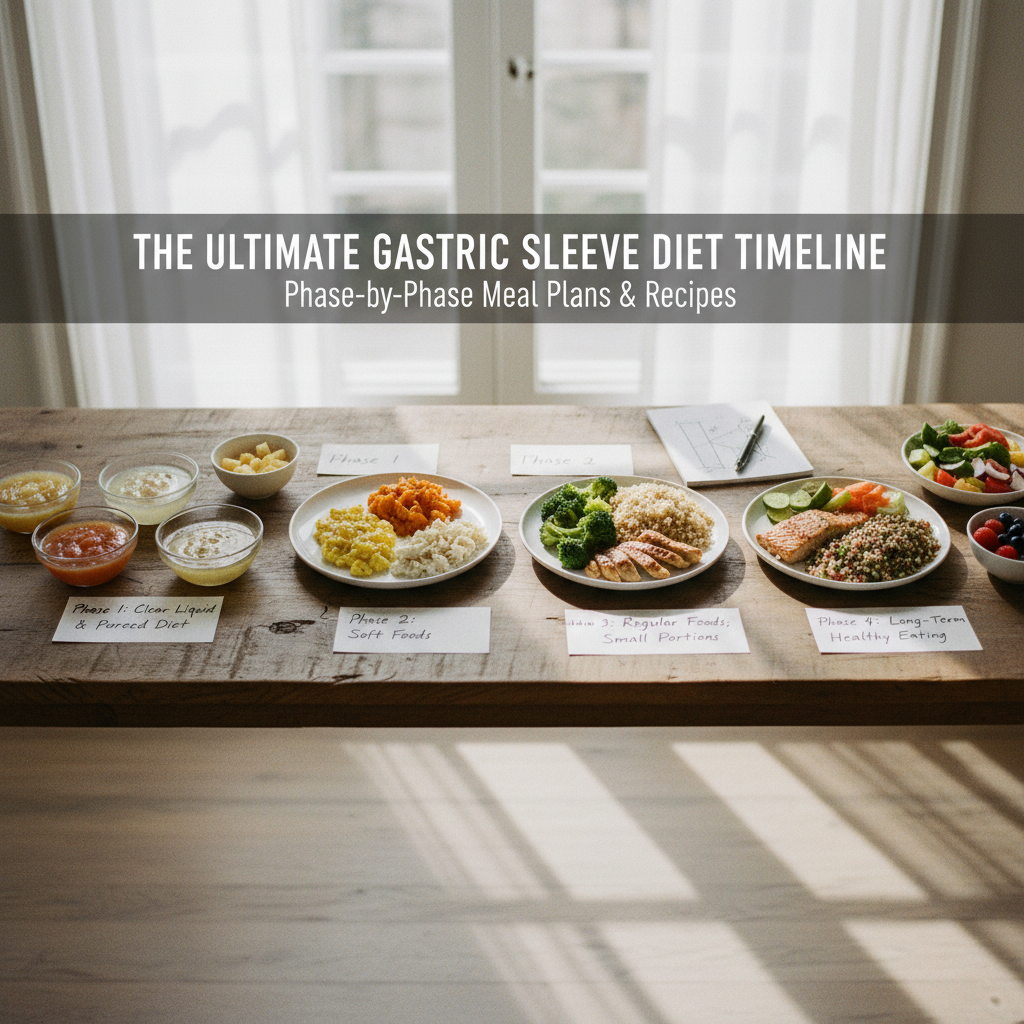
Navigating the gastric sleeve diet timeline is a critical journey after bariatric surgery, designed to promote healing, prevent complications, and establish sustainable eating habits for significant weight loss. This comprehensive guide outlines each phase, from liquids to solids, providing essential meal plans, recipes, and expert advice to ensure your long-term success.
Navigating Your Bariatric Diet Plan After Sleeve Surgery
Undergoing gastric sleeve surgery is a life-changing step towards better health and weight loss. However, the surgery is only one part of the equation; your bariatric diet plan is the cornerstone of your recovery and future well-being. This carefully structured diet timeline, starting immediately post-op, guides your body through essential healing while gradually reintroducing foods. It’s not just about what you eat, but also how you eat, fostering new habits that will support your journey for years to come.
Your Gastric Sleeve Diet Journey
- Phased Approach: The diet progresses through distinct stages: liquids, pureed, soft, and solid foods.
- Protein Priority: High protein intake is crucial for healing and preserving muscle mass.
- Hydration is Key: Consistent, small sips of fluid prevent dehydration.
- Mindful Eating: Focus on slow eating, thorough chewing, and listening to your body’s signals.
- Long-Term Commitment: This is a sustainable lifestyle change, not a temporary diet.
Gastric Sleeve Post Op Diet Timeline Summary
The gastric sleeve post op diet timeline typically spans several weeks, carefully transitioning from clear liquids to a regular, healthy diet. Each phase serves a specific purpose, allowing your stomach to heal and adapt to its new, smaller size. Adhering strictly to these guidelines is paramount for preventing complications and achieving optimal results.
Each phase has a typical duration, though individual healing may vary.
How Long Is Each Gastric Sleeve Diet Phase?
- Phase 1: Clear Liquid Diet: Days 1-3 post-surgery. Focus on hydration and rest.
- Phase 2: Full Liquid Diet: Days 4-14 post-surgery. Introduction of protein shakes and thicker liquids.
- Phase 3: Pureed Foods Diet: Weeks 3-4 post-surgery. Smooth, lump-free foods.
- Phase 4: Soft Foods Diet: Weeks 5-6 post-surgery. Easily mashed and chewed foods.
- Phase 5: Solid Foods Diet: Week 7 onwards. Gradual reintroduction of healthy, regular foods.
Macronutrient Data Breakdown and Portion Size Guidelines
Understanding your macronutrient needs is vital for post-surgical success. Protein takes center stage, supporting tissue repair and muscle maintenance, while carbohydrates and fats are introduced cautiously. Portion sizes will be significantly smaller than pre-surgery, often just a few ounces per meal, emphasizing nutrient density over volume.
To effectively manage your intake, a structured tracking table can be invaluable.
Phase-by-Phase Calorie and Protein Tracking Table
Tracking your intake helps ensure you’re meeting nutritional goals and avoiding overeating. This table provides general guidelines; always consult your bariatric team for personalized recommendations.
| Phase | Duration | Approx. Daily Calories | Approx. Daily Protein (g) | Key Focus |
|---|---|---|---|---|
| Clear Liquid | Days 1-3 | 200-400 | 0-10 | Hydration, healing, minimal stomach activity |
| Full Liquid | Days 4-14 | 400-600 | 60-80 | Protein intake, stomach adaptation |
| Pureed Foods | Weeks 3-4 | 600-800 | 60-80 | Smooth textures, nutrient density |
| Soft Foods | Weeks 5-6 | 800-1000 | 60-80 | Chewing practice, introducing variety |
| Solid Foods | Week 7 onwards | 1000-1200+ | 60-80+ | Balanced nutrition, mindful eating |
Healing and Hydration: The Liquid Diet Stage
The initial liquid diet stage is the most crucial for post-operative healing. It allows your stomach to recover from surgery without the stress of digesting solid foods. This phase is primarily focused on hydration and slowly introducing very thin, easily digestible liquids.
During this initial phase, specific recipes ensure proper healing and hydration.
Gastric Sleeve Liquid Diet Recipes Week 1
During the first week, your intake will be very limited to clear, non-acidic liquids. Focus on staying hydrated with small, frequent sips.
- Clear Broth: Chicken or vegetable broth (fat-free, low sodium).
- Sugar-Free Gelatin: Plain, sugar-free gelatin.
- Decaffeinated Tea: Herbal teas like peppermint or ginger (unsweetened).
- Water: Plain water, sipped constantly.
High-Protein Gastric Sleeve Protein Shake Recipes
As you progress to the full liquid phase, protein shakes become a cornerstone of your diet, providing essential nutrients for healing and muscle preservation. Choose unflavored or lightly flavored protein powders that mix well.
- Basic Protein Boost: 1 scoop unflavored protein powder + 8 oz water or unsweetened almond milk. Blend well.
- Berry Protein Smoothie (Full Liquid): 1 scoop vanilla protein powder + 4 oz unsweetened almond milk + 2-3 ice cubes. Blend until smooth. (Ensure no seeds if introducing later in the phase).
Hydration Rules and Sip Timers
- Hydration* is paramount to prevent dehydration, a common complication after bariatric surgery. You’ll need to develop new habits around drinking.
- Sip Constantly: Aim for 64 ounces (2 liters) of fluid daily, taking tiny sips throughout the day.
- No Gulping: Rapid drinking can cause discomfort or nausea.
- The 30-Minute Rule: Avoid drinking liquids 30 minutes before, during, and 30 minutes after meals. This prevents stomach distension and ensures you have room for nutrient-dense food.
Reintroducing Textures: The Pureed Foods Stage
Around week three, you’ll transition to the pureed foods stage. This phase introduces thicker, smooth, lump-free foods, preparing your stomach for more complex textures. The emphasis remains on protein-rich options to support healing and maintain satiety.
Transitioning to pureed foods requires careful selection of appropriate textures and nutrients.
What to Eat After Gastric Sleeve Surgery Pureed Phase
All foods must be blended to a baby-food consistency, with no chunks or fibrous bits.
- Lean Protein Purees: Blended chicken, fish, or turkey with a small amount of broth.
- Cottage Cheese: Small curd, blended smooth.
- Scrambled Eggs: Blended with a little milk or broth.
- Pureed Soups: Creamy soups (non-chunky, low-fat, low-sodium), blended until smooth.
- Greek Yogurt: Plain, unsweetened, high-protein.
Day-by-Day Pureed Meal Plan and Tracking
Here’s a sample day to guide your pureed phase meals:
- Breakfast: 1/2 cup pureed scrambled eggs or Greek yogurt.
- Mid-morning Snack: 1/2 cup protein shake.
- Lunch: 1/2 cup pureed chicken with broth.
- Afternoon Snack: 1/4 cup blended cottage cheese.
- Dinner: 1/2 cup pureed lentil soup (well-blended).
- Evening Snack: 1/2 cup protein shake.
Remember to track your protein and fluid intake diligently.
Nutrient-Dense Pureed Weight Loss Recipe Ideas
Creating flavorful, nutrient-dense pureed meals is key to satisfaction and continued progress. For more inspiration on delicious and healthy pureed options, consider exploring a variety of weight loss recipe ideas that are easily adaptable to this stage. These recipes prioritize lean protein and soft, non-fibrous vegetables.
- Creamy Salmon Puree: Cooked salmon blended with a tiny bit of low-fat cream cheese and dill.
- Blended Chicken & Sweet Potato: Steamed chicken and sweet potato pureed with chicken broth.
- Ricotta Bake Puree: Ricotta cheese blended with a small amount of marinara sauce and a pinch of Italian herbs.
Building Chewing Habits: The Soft Foods Stage
The soft foods stage, typically weeks 5-6, marks a significant step towards more varied textures. Foods should be soft, moist, and easily mashed with a fork. This phase is crucial for re-learning proper chewing techniques and mindful eating.
This stage introduces a variety of soft foods that facilitate the development of proper chewing habits.
Gastric Sleeve Soft Food Diet Meal Plan
Focus on tender proteins and well-cooked, non-fibrous vegetables.
- Breakfast: Scrambled eggs or plain Greek yogurt with a few berries (mashed).
- Lunch: Flaked baked fish (e.g., cod, tilapia) or soft shredded chicken.
- Dinner: Well-cooked, mashed vegetables (e.g., carrots, green beans) with a small portion of ground turkey or lean beef.
- Snacks: Cottage cheese, soft fruits (banana, avocado, canned peaches in juice), hummus (small amount).
Chewing Techniques and Mindful Eating Practices
Mastering proper chewing is vital to prevent discomfort and ensure adequate digestion.
- Small Bites: Take very small, pea-sized bites of food.
- Chew Thoroughly: Chew each bite 20-30 times, or until it reaches an applesauce consistency.
- Eat Slowly: Put your fork down between bites. A meal should take 20-30 minutes.
- Listen to Your Body: Stop eating at the first sign of fullness to avoid overfilling your pouch.
Flavorful Soft Diet Recipe Inspiration
Flavor doesn’t have to be sacrificed during the soft food phase.
- Tender Turkey Meatloaf: Made with ground turkey, egg, and blended vegetables, baked until very soft.
- Baked Cod with Dill: Flaky cod baked with lemon and fresh dill, served with mashed steamed zucchini.
- Shepherd’s Pie (Soft Version): Ground lean beef or turkey base topped with mashed cauliflower instead of potatoes.
Your New Normal: The Solid Foods Stage
Around week 7, you’ll enter the solid foods stage, which is essentially your new normal. This phase focuses on incorporating a wide variety of healthy, lean proteins, non-starchy vegetables, and small amounts of healthy fats and complex carbohydrates. This is where you truly build your long-term sustainable bariatric diet plan after sleeve surgery.
