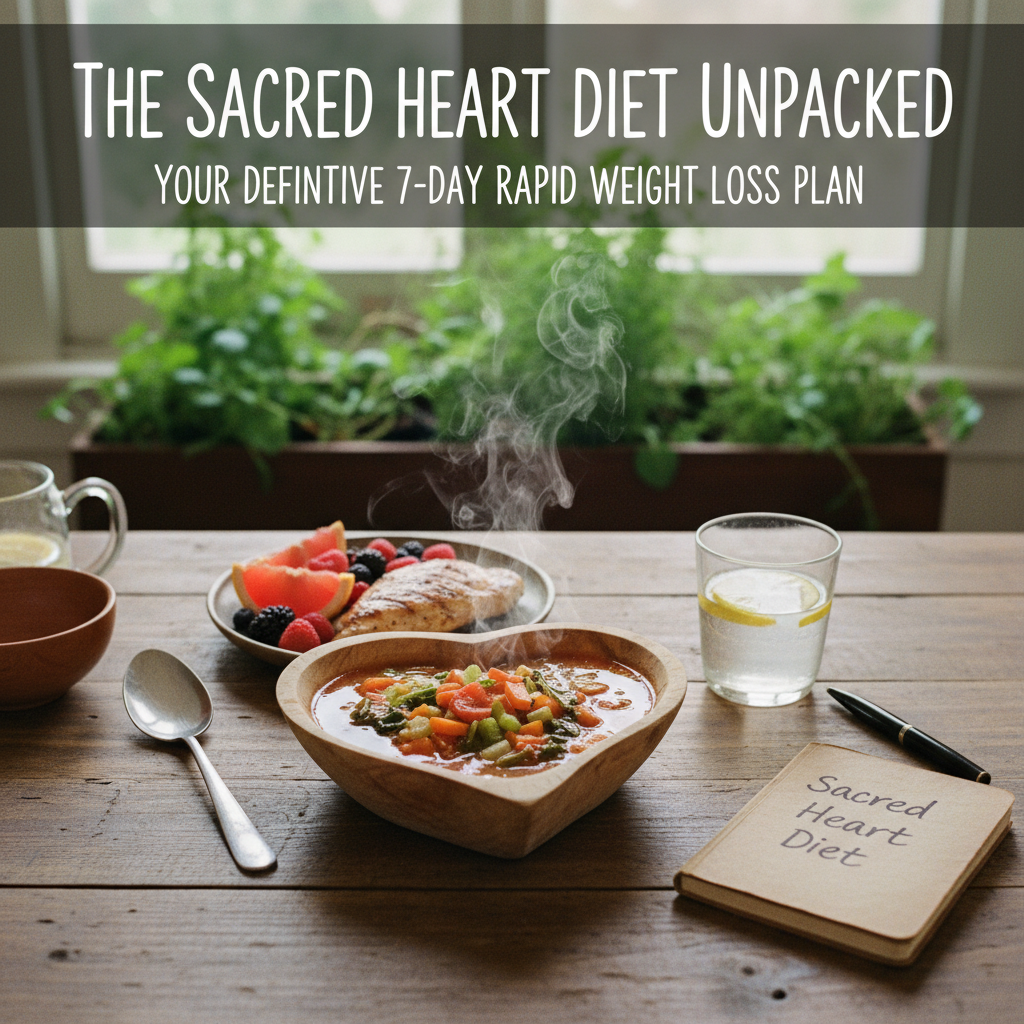
The Sacred Heart Diet is a highly restrictive, very low-calorie eating plan designed for rapid weight loss over a strict 7-day period, primarily centered around consuming a specific “fat-burning” vegetable soup. Often rumored to originate from hospitals for pre-surgery weight reduction, this diet aims to help individuals shed pounds quickly, though much of the initial loss is typically water weight rather than sustained fat reduction.
Unpacking the Sacred Heart Diet
For decades, the allure of rapid weight loss has captivated many, and diets promising quick results often gain significant traction. Among these, the Sacred Heart Diet stands out as a popular, albeit controversial, option. This plan gained notoriety for its promise of substantial weight reduction in just one week, making it a go-to for those seeking a fast metabolism boost or a kickstart to their weight loss journey.
This comprehensive guide will unpack every aspect of the Sacred Heart Diet, from its core definition and official recipe to the daily meal plan, expected outcomes, and expert analysis on its health implications. We’ll provide you with all the details needed to understand this unique approach to short-term dietary change.
What is the Sacred Heart Diet: Core Definition
At its heart, the Sacred Heart Diet is a very low-calorie, restrictive eating plan that revolves around a specific vegetable soup. For seven days, individuals are instructed to eat large quantities of this “fat-burning” soup, supplemented with a limited selection of other foods like fruits, vegetables, beef, and skim milk. The diet’s primary mechanism for achieving rapid results is severe calorie restriction, leading to a significant energy deficit.
The goal is to trigger quick changes in body composition, primarily through the elimination of excess water and glycogen stores, contributing to a noticeable drop on the scale. It is strictly a short-term plan, not intended for long-term adherence due to its nutritional limitations.
Key Takeaways: Fast Facts on the Soup Diet
Understanding the Sacred Heart Diet means grasping its fundamental characteristics. Here are some quick facts about this popular soup-centric plan:
- Origin Story: While often linked to the cardiology department of the Sacred Heart Hospital, there is no official medical endorsement or verifiable connection to any specific institution. It primarily circulates as an urban legend.
- Duration: Strictly a 7-day diet; prolonged use is not recommended.
- Core Component: A specific, low-calorie vegetable soup consumed daily and often multiple times a day.
- Goal: Rapid weight loss (up to 10-17 pounds) in one week.
- Mechanism: Severe calorie restriction, leading to significant water and glycogen loss.
- Sustainability: Not designed for long-term weight management; often leads to rebound weight gain.
- Nutritional Balance: Lacks essential nutrients for sustained health and well-being.
The Official Sacred Heart Diet Soup Recipe
The Sacred Heart Diet soup is the cornerstone of this plan, providing the bulk of the daily caloric intake and nutrients. It’s designed to be low in calories, high in fiber, and can be eaten in unlimited quantities throughout the week.
The preparation of this essential soup is straightforward, requiring readily available ingredients and a simple cooking process.
Ingredients for the Fat-Burning Soup
Here’s what you’ll need to prepare the legendary Sacred Heart Diet soup:
- 2 large cans (28 ounces each) of diced tomatoes
- 1 large head of cabbage, chopped
- 2 green bell peppers, chopped
- 1 bunch of celery, chopped
- 3 carrots, peeled and sliced
- 1-2 large onions, chopped
- 1 packet of Lipton Onion Soup Mix (optional, for flavor)
- Salt and pepper to taste
- Spices like garlic powder, chili powder, or herbs for extra flavor (optional)
- Water or low-sodium vegetable broth to cover
Step-by-Step Cooking Instructions
Preparing the soup is straightforward, requiring minimal culinary skill:
- Wash and chop all vegetables into desired bite-sized pieces.
- In a large pot or Dutch oven, combine all the chopped vegetables.
- Add the diced tomatoes and the Lipton Onion Soup Mix (if using).
- Pour in enough water or vegetable broth to completely cover all the vegetables.
- Bring the mixture to a boil, then reduce heat and simmer.
- Cook until all vegetables are tender, typically 30-45 minutes.
- Season with salt, pepper, and any other desired spices to taste.
- The soup can be stored in the refrigerator for up to 5-7 days or frozen for longer storage.
Nutritional Breakdown and Macros Table
While exact nutritional values can vary based on portion size and specific ingredients, here’s an estimated breakdown for a typical serving of Sacred Heart Diet soup:
| Nutrient | Estimated Value (per serving, ~1.5 cups) |
|---|---|
| Calories | 50-70 kcal |
| Protein | 2-3 g |
| Carbohydrates | 10-15 g |
| Fiber | 3-5 g |
| Sugars | 5-8 g |
| Fat | <1 g |
| Sodium | 150-300 mg (varies greatly with broth/mix) |
Sacred Heart Diet 7-Day Plan: Daily Menu and Guidelines
The Sacred Heart Diet follows a strict daily structure, combining unlimited soup with specific allowed foods each day. Adherence to these guidelines is crucial for the diet’s intended rapid effects.
Day One: Soup and Fruit
- Menu: Eat all the soup you want. Supplement with all types of fruit (fresh or canned without sugar), except bananas.
- Hydration: Drink plenty of water, unsweetened tea, or black coffee.
Day Two: Soup and Vegetables
- Menu: Eat all the soup you want. Supplement with all fresh or canned vegetables (except starchy ones like corn, peas, or potatoes). Avoid dried beans.
- Special Note: For dinner, you may have one large baked potato with a small amount of butter (this is the only time potatoes are allowed).
Day Three: Soup, Fruit, and Vegetables
- Menu: Eat all the soup you want. Combine fruits and vegetables, excluding bananas and baked potatoes.
- Guideline: If you’ve followed the plan correctly for the first three days, you should have lost 5-7 pounds.
Day Four: Soup, Bananas, and Skim Milk
- Menu: Eat all the soup you want. Supplement with up to 8 bananas and drink up to 2-3 glasses of skim milk.
- Purpose: This day is designed to replenish potassium and calcium.
Day Five: Soup, Beef, and Tomatoes
- Menu: Eat all the soup you want. Supplement with 10-20 ounces of beef (or skinless chicken/fish as an alternative) and up to 6 fresh tomatoes.
- Hydration: Drink at least 6-8 glasses of water to flush out uric acid.
Day Six: Soup, Beef, and Vegetables
- Menu: Eat all the soup you want. Supplement with beef (or skinless chicken/fish) and unlimited vegetables (excluding baked potatoes).
- Focus: This day continues the protein and vegetable intake.
Day Seven: Soup, Brown Rice, and Vegetables
- Menu: Eat all the soup you want. Supplement with brown rice, unsweetened fruit juice, and unlimited vegetables.
- Completion: This marks the end of the 7-day plan.
Sacred Heart Diet Menu and Recipes Beyond the Basic Soup
While the Sacred Heart Diet is famously restrictive, the allowance of certain foods each day means there’s a small scope for variety beyond just the soup. For instance, on fruit days, you can enjoy a variety of berries, apples, or oranges. Vegetable days permit steamed greens, salads (without dressing), or roasted non-starchy vegetables. The key is to keep preparations simple and avoid added fats or sugars.
For those looking for more diverse and sustainable weight loss recipe options after the 7-day period, https://recipemag.co offers a wealth of healthy and flavorful dishes to support long-term dietary goals.
Sacred Heart Diet Meal Plan for Rapid Weight Loss: Expectations
Many people turn to the Sacred Heart Diet with high hopes for quick results. It’s important to set realistic expectations and understand what kind of weight loss is truly achievable and sustainable on such a plan.
How Much Weight Can You Lose on the Sacred Heart Diet?
Proponents of the Sacred Heart Diet claim you can lose anywhere from 10 to 17 pounds in just seven days. This rapid initial drop is indeed possible due to the severe calorie restriction and the diuretic effect of the soup and high fluid intake. However, it’s crucial to understand that a significant portion of this initial weight loss is attributed to the reduction of water weight and glycogen stores, rather than actual body fat.
Sacred Heart Diet Results Before and After
Anecdotal evidence frequently showcases impressive “before and after” transformations from the Sacred Heart Diet. Individuals often report feeling lighter, less bloated, and seeing a noticeable difference on the scale. These immediate visual changes can be highly motivating for some, serving as a powerful kickstart. However, without a subsequent shift to a balanced, sustainable eating pattern, these results are often temporary.
Sacred Heart Diet Reviews and Success Stories
Reviews of the Sacred Heart Diet are mixed. Many individuals praise it for its effectiveness in providing a quick initial weight loss, which can be a strong psychological boost. Success stories often highlight the feeling of detoxification and the ease of following a structured, albeit restrictive, plan. Conversely, others criticize it for its monotony, hunger-inducing nature, and the inevitable rebound weight gain that often follows its completion.
Expert Analysis: Is the Sacred Heart Diet Healthy?
From a nutritional standpoint, the Sacred Heart Diet raises several concerns. While it delivers on its promise of rapid weight loss, its health implications warrant careful consideration.
Understanding Water Weight vs. Fat Loss
The rapid weight loss experienced on the Sacred Heart Diet is largely due to a reduction in water weight and depleted glycogen stores. When carbohydrate intake is drastically cut, the body uses up its stored glycogen, which is bound to water. For every gram of glycogen stored, approximately 3-4 grams of water are also stored. As glycogen is used, this water is released, leading to a quick drop on the scale. True fat loss, which is a slower process, occurs only gradually.
Sacred Heart Diet Side Effects and Health Risks
Due to its extremely low-calorie and restrictive nature, the Sacred Heart Diet can lead to several side effects and potential health risks:
- Fatigue and Low Energy: Insufficient calorie intake can cause extreme tiredness and lethargy.
- Dizziness and Headaches: Common symptoms of dehydration and low blood sugar.
- Irritability and Mood Swings: Resulting from nutrient deficiencies and hunger.
- Nutrient Deficiencies: Lacks essential vitamins, minerals, and macronutrients for optimal body function.
- Muscle Loss: Severe calorie restriction can lead to the body breaking down muscle tissue for energy.
- Rebound Weight Gain: The highly restrictive nature makes it difficult to sustain, often leading to a rapid return to old eating habits and subsequent weight regain.
- Metabolic Slowdown: Prolonged severe restriction can potentially slow metabolism.
Scientific Evidence on Rapid Weight Loss Soup Diets
There is little to no scientific evidence to support the Sacred Heart Diet as a healthy or sustainable method for long-term weight management. Medical and nutritional experts generally advise against such crash diets due to their lack of nutritional balance and the high likelihood of adverse health effects and rebound weight. While they can be used under strict medical supervision for specific purposes (like pre-surgery weight loss), they are not recommended for the general public seeking sustainable health improvements.
Sacred Heart Diet vs. Cabbage Soup Diet: Comparison Table
The Sacred Heart Diet is often compared to the Cabbage Soup Diet, another popular restrictive plan. While similar in principle, there are some distinctions:
| Feature | Sacred Heart Diet | Cabbage Soup Diet |
|---|---|---|
| Primary Soup Base | Cabbage, bell peppers, celery, tomatoes, carrots, onions | Primarily cabbage, with other vegetables like onions, peppers, tomatoes |
| Allowed Foods | Specific fruits, vegetables, beef/chicken/fish, bananas, skim milk, brown rice | Specific fruits, vegetables, beef/chicken, skim milk, brown rice (very similar) |
| Duration | Strictly 7 days | Strictly 7 days |
| Typical Weight Loss | 10-17 lbs | 10-15 lbs |
| Nutritional Balance | Very low calorie, nutritionally incomplete | Very low calorie, nutritionally incomplete |
| Sustainability | Very low; high risk of rebound weight gain | Very low; high risk of rebound weight gain |
| Reputation | Often linked to hospitals (unverified) | Similar urban legend origins |
Integrating Healthy Weight Loss Recipes Post-Diet
Successfully navigating a rapid weight loss diet like the Sacred Heart Plan means having a strategy for what comes next. To maintain any losses and foster long-term health, transitioning to a balanced, sustainable eating pattern is paramount. Focus on incorporating whole, unprocessed foods, including lean proteins, a wide variety of fruits and vegetables, and healthy fats.
Exploring diverse and nutritious weight loss recipe options will be key to preventing monotony and ensuring adequate nutrient intake. Websites like https://recipemag.co can be invaluable resources for discovering delicious and healthy meals that support a balanced lifestyle beyond the restrictive 7-day window.
Conclusion: Final Verdict on the Sacred Heart Diet
The Sacred Heart Diet undeniably offers a path to rapid initial weight loss for those seeking a quick fix or a psychological jumpstart. Its strict 7-day structure and reliance on a specific low-calorie soup can lead to impressive numbers on the scale in a short period. However, it is crucial to recognize that this diet is not a sustainable or nutritionally complete solution for long-term health or fat loss.
While it might provide a temporary boost or “reset,” the risks of nutrient deficiencies, side effects, and almost inevitable rebound weight gain outweigh the short-term benefits for most individuals. For genuine, lasting weight loss and improved well-being, a balanced diet, regular physical activity, and sustainable lifestyle changes are always recommended. Always consult with a healthcare professional or a registered dietitian before embarking on any restrictive diet plan.
