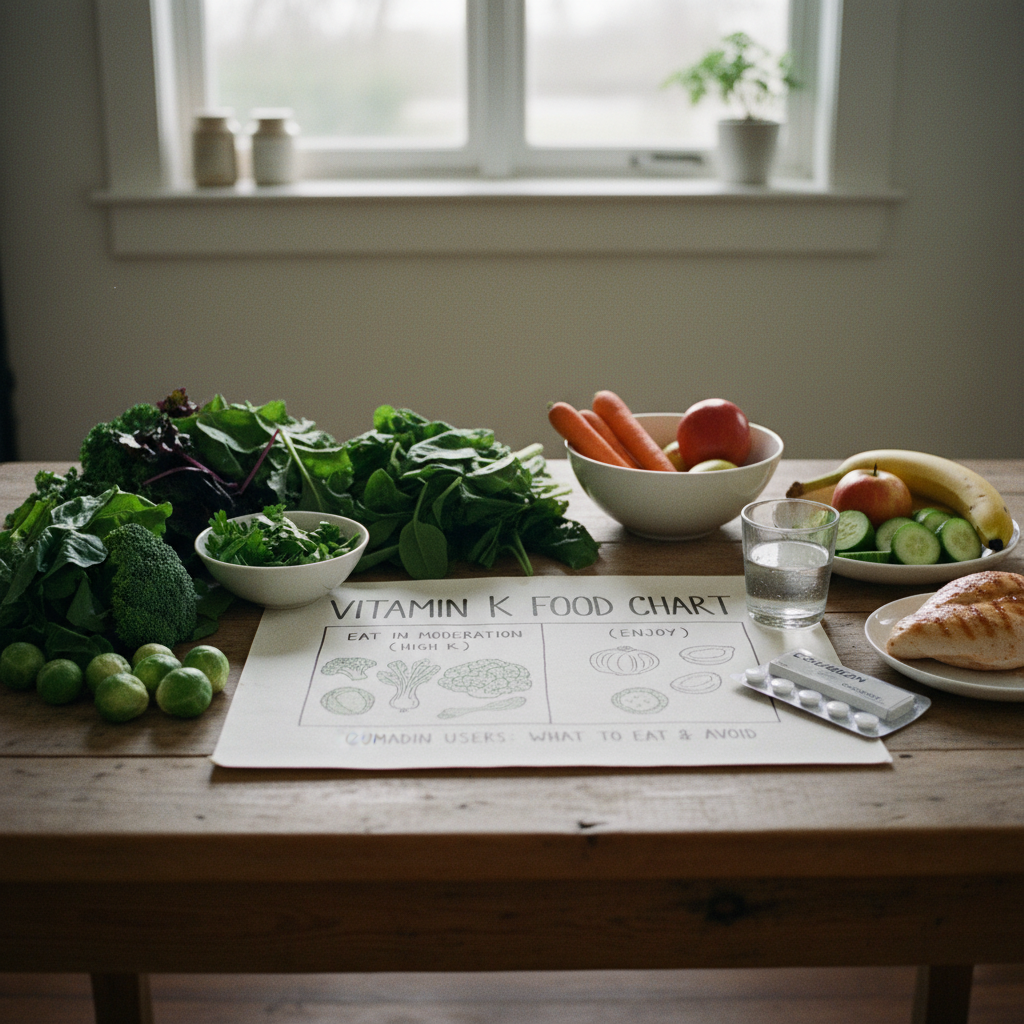
Navigating your diet while on Coumadin (warfarin) primarily involves maintaining a consistent intake of Vitamin K, rather than strictly avoiding it. The key is not to eliminate Vitamin K-rich foods, but to consume similar amounts daily to ensure your medication works effectively and your INR (International Normalized Ratio) remains stable within its therapeutic range.
Navigating Your Diet on Coumadin
Being prescribed Coumadin, also known as warfarin, is a critical step in preventing dangerous blood clots for individuals with conditions like atrial fibrillation, deep vein thrombosis, or artificial heart valves. While this medication is life-saving, it requires careful management, particularly regarding your dietary choices. Understanding the relationship between Coumadin and Vitamin K is paramount for your safety and treatment efficacy.
This comprehensive guide will demystify the complexities of eating on Coumadin, providing you with clear, actionable advice and an ultimate Vitamin K food chart. Our goal is to empower you to make informed food choices, ensuring your medication works optimally without unnecessary dietary restrictions.
The Golden Rule of Vitamin K Consistency
For Coumadin users, the most critical principle regarding Vitamin K is consistency. Fluctuations in your daily Vitamin K intake can directly impact how Coumadin works, leading to your blood becoming either too thin (risk of bleeding) or too thick (risk of clotting).
Think of your Vitamin K intake like a steady rhythm. Your body and your medication adapt to this rhythm. Sudden changes, whether significantly increasing or decreasing Vitamin K, can throw this delicate balance off.
- Consistency is Key: Aim for a similar amount of Vitamin K-rich foods each day.
- No Elimination: You don’t need to cut out all Vitamin K foods; moderation and consistency are more important.
- Regular Monitoring: Always adhere to your doctor’s schedule for INR blood tests.
- Communicate Changes: Inform your healthcare provider about any significant dietary shifts or new supplements.
How Much Vitamin K Can I Have on Coumadin?
There isn’t a universal “magic number” for how much Vitamin K you can have on Coumadin, as it’s highly individualized and depends on your specific dosage and INR goals. However, the general recommendation for adults is to aim for a consistent daily intake, often around 90-120 micrograms (mcg) of Vitamin K. This amount is typically found in a balanced diet.
The emphasis is on maintaining a stable daily intake that your healthcare provider can factor into your Coumadin dosage. Discuss specific Vitamin K targets and dietary strategies with your doctor or a registered dietitian who specializes in anticoagulation therapy.
Does Vitamin K Affect Coumadin Levels?
Yes, Vitamin K significantly affects Coumadin (warfarin) levels and its effectiveness. Coumadin works by interfering with the liver’s ability to use Vitamin K to produce clotting factors (specifically factors II, VII, IX, and X). These factors are essential for blood coagulation.
When you consume Vitamin K, your body uses it to activate these clotting factors. Coumadin’s job is to block this activation. If you consume a lot more Vitamin K than usual, Coumadin has to work harder to counteract it, potentially making your blood thicker and increasing your risk of clots. Conversely, if you suddenly consume much less Vitamin K, Coumadin might thin your blood too much, leading to a higher risk of bleeding. This delicate balance is why consistent Vitamin K intake is so crucial for maintaining a stable INR.
The Ultimate Vitamin K Food Chart for Coumadin Users
Understanding which foods contain varying amounts of Vitamin K is fundamental to maintaining consistency in your diet. This chart breaks down common foods, categorizing them by their Vitamin K content to help you make informed choices. Remember, these are approximate values, and portion sizes significantly impact total intake. Let’s delve into the specific foods and their Vitamin K content to help you navigate your choices.
Foods to Avoid on Warfarin Due to Vitamin K
These foods are generally very high in Vitamin K. While you don’t necessarily need to avoid them entirely, they should be consumed in very small, consistent portions, or discussed with your doctor if you plan to incorporate them regularly.
| Food Item (Common Serving) | Approximate Vitamin K (mcg) | Recommendation for Warfarin Users |
|---|---|---|
| Kale (1 cup, raw) | 500-1100 | Very high; consume rarely/small amounts, if at all. |
| Spinach (1 cup, raw) | 145-300 | High; consistent, small portions only. |
| Collard Greens (1 cup, cooked) | 770 | Very high; consume rarely/small amounts. |
| Swiss Chard (1 cup, cooked) | 570 | Very high; consume rarely/small amounts. |
| Mustard Greens (1 cup, cooked) | 415 | Very high; consume rarely/small amounts. |
| Turnip Greens (1 cup, cooked) | 520 | Very high; consume rarely/small amounts. |
| Parsley (1/2 cup, fresh) | 490 | High; use sparingly as garnish. |
| Broccoli (1 cup, chopped, cooked) | 220 | High; consistent, small portions. |
| Brussels Sprouts (1 cup, cooked) | 200 | High; consistent, small portions. |
| Green Tea (1 cup) | 100-200 | High; avoid or consume very consistently. |
| Natto (fermented soybeans) | 1000+ | Extremely high; generally advised to avoid. |
Fruits High in Vitamin K to Avoid on Warfarin
While most fruits are low in Vitamin K, a few stand out for their higher content. These don’t need to be completely avoided but should be eaten in moderation and consistently.
- Kiwi: Contains a moderate amount of Vitamin K.
- Avocado: While healthy, it has a notable Vitamin K content.
- Blackberries, Blueberries, Grapes: These berries and fruits contain moderate levels.
Low Vitamin K Foods List for Coumadin
Many foods are naturally low in Vitamin K, offering safe and delicious options for Coumadin users. These can be enjoyed more freely, but always remember portion control for overall health.
- Grains: Rice, pasta, bread (white, whole wheat), oats.
- Proteins: Chicken, turkey, fish (most types), eggs, beef, pork.
- Dairy: Milk, yogurt, cheese (most types).
- Oils: Olive oil, canola oil, vegetable oil (contain some, but generally less than high-K foods).
Vegetables Low in Vitamin K for Warfarin Patients
You don’t have to give up vegetables entirely! Many are perfectly safe and offer essential nutrients without significantly impacting your INR.
- Corn
- Cucumbers (peeled)
- Eggplant
- Green Beans
- Mushrooms
- Onions
- Peas
- Potatoes
- Sweet Potatoes
- Tomatoes
- Carrots
- Bell Peppers
- Lettuce (Iceberg)
What Foods Are Safe to Eat With Warfarin? A Complete Guide
Maintaining a balanced and enjoyable diet while on warfarin is entirely possible. Focus on a wide variety of foods that are naturally low in Vitamin K, and remember that moderation is key for those with moderate Vitamin K levels.
Best Snacks for Coumadin Users Low Vitamin K
Snacking can be tricky, but plenty of delicious and safe options exist to keep you fueled throughout the day.
- Fruit: Apples, bananas, oranges, peaches, pears, pineapple, strawberries, melon.
- Vegetables: Carrot sticks, celery sticks, cucumber slices, bell pepper strips (all raw).
- Dairy: Cottage cheese, plain yogurt.
- Grains: Plain crackers, rice cakes, air-popped popcorn.
- Other: Hard-boiled eggs.
Incorporating Low Fat Dairy and Lean Proteins Safely
Dairy products and lean proteins are crucial components of a healthy diet and are generally very safe for Coumadin users. Choosing low fat dairy options like skim milk, yogurt, and cottage cheese can be excellent sources of calcium and protein without significantly impacting your Vitamin K intake. For more information on healthy fat choices, visit our guide on Low fat.
Lean protein sources like skinless chicken breast, turkey, most fish (salmon, tuna, cod), eggs, and lean cuts of beef or pork are also excellent choices. They provide essential amino acids and nutrients without high Vitamin K content. Plant-based proteins such as lentils, beans, and tofu (check processing for Vitamin K content) can also be safely incorporated.
Dangerous Interactions: Beverages and Supplements to Avoid
Beyond food, certain beverages and supplements can have significant and dangerous interactions with Coumadin. It’s vital to be aware of these.
- Alcohol: Can increase Coumadin’s effect, leading to a higher risk of bleeding. Consume in strict moderation, if at all, and only with your doctor’s approval.
- Cranberry Juice/Products: Can significantly increase Coumadin’s effect, potentially causing serious bleeding. Generally advised to avoid.
- Grapefruit Juice: Can interfere with the metabolism of Coumadin, leading to unpredictable INR levels. Best to avoid.
- Herbal Supplements: Many herbs can interact dangerously with Coumadin. Examples include ginseng, ginkgo biloba, St. John’s wort, garlic supplements, dong quai, and feverfew. Always consult your doctor before taking any herbal supplement.
- High-Dose Vitamins: High doses of Vitamin E and Vitamin A can sometimes increase the risk of bleeding. Always discuss any vitamin supplements with your healthcare provider.
Actionable Meal Planning for Warfarin Patients
Successful management of your diet on warfarin hinges on consistent meal planning. This approach helps you maintain a steady Vitamin K intake day after day, making it easier for your medical team to adjust your medication as needed. Don’t leave your diet to chance; plan ahead!
Sample One-Day Menu for Consistent Vitamin K Intake
Here’s an example of a balanced day that provides consistent, moderate Vitamin K while offering variety and nutrition.
- Breakfast:
- 1 cup oatmeal with sliced banana and a sprinkle of cinnamon.
- 1 cup skim milk.
- Lunch:
- Turkey sandwich on whole wheat bread with lettuce (iceberg), tomato, and mayonnaise.
- A small apple.
- Snack:
- A handful of plain crackers or a small bowl of low-fat yogurt.
- Dinner:
- Baked salmon (4-6 oz) with a side of steamed green beans (1/2 cup) and a medium baked potato.
- Small tossed salad with iceberg lettuce, cucumber, bell peppers, and low-fat dressing.
Download Your Printable Vitamin K Food Guide for Coumadin
To make your dietary management even easier, we’ve compiled a handy, printable Vitamin K food guide. This guide summarizes the key information from this post, allowing you to quickly reference low, moderate, and high Vitamin K foods wherever you are. Keep it on your fridge or take it to the grocery store for convenient meal planning.
Frequently Asked Questions About the Warfarin Diet
Here are answers to some common questions Coumadin users have about their diet.
- Can I ever eat spinach or kale? Yes, in very small, consistent amounts if your doctor approves and your INR is stable. The key is to eat the same small amount every time you consume it, not to suddenly add a large portion. Many patients choose to avoid these very high-K foods to simplify consistency.
- Does cooking method affect Vitamin K content? No, cooking methods (steaming, boiling, sautéing) do not significantly alter the Vitamin K content of food.
- Do I need to count every microgram of Vitamin K? While precise counting can be helpful for some, most patients focus on consistent portion sizes of Vitamin K-rich foods rather than exact microgram tracking. Your doctor or dietitian can advise on the best approach for you.
- What if I accidentally eat a lot of Vitamin K? If you consume a significantly larger amount of Vitamin K than usual, contact your doctor. They may recommend an earlier INR check to ensure your blood isn’t becoming too thick. Do not adjust your Coumadin dose on your own.
- Are multivitamins safe? Most standard multivitamins contain Vitamin K. It’s crucial to choose a multivitamin with a consistent amount of Vitamin K and to inform your doctor about it, so they can factor it into your Coumadin dosage. Some multivitamins are specifically formulated without Vitamin K for Coumadin users.
Conclusion: Balancing Your Diet for Optimal Heart Health
Managing your diet while on Coumadin might seem daunting at first, but with the right knowledge and a commitment to consistency, it becomes a manageable part of your daily routine. Remember, the goal is not to eliminate Vitamin K but to maintain a stable intake that works in harmony with your medication. By making informed choices, planning your meals, and maintaining open communication with your healthcare team, you can confidently navigate your diet and ensure optimal heart health. Your proactive approach to diet is a powerful step towards effective anticoagulation and a healthier life.
