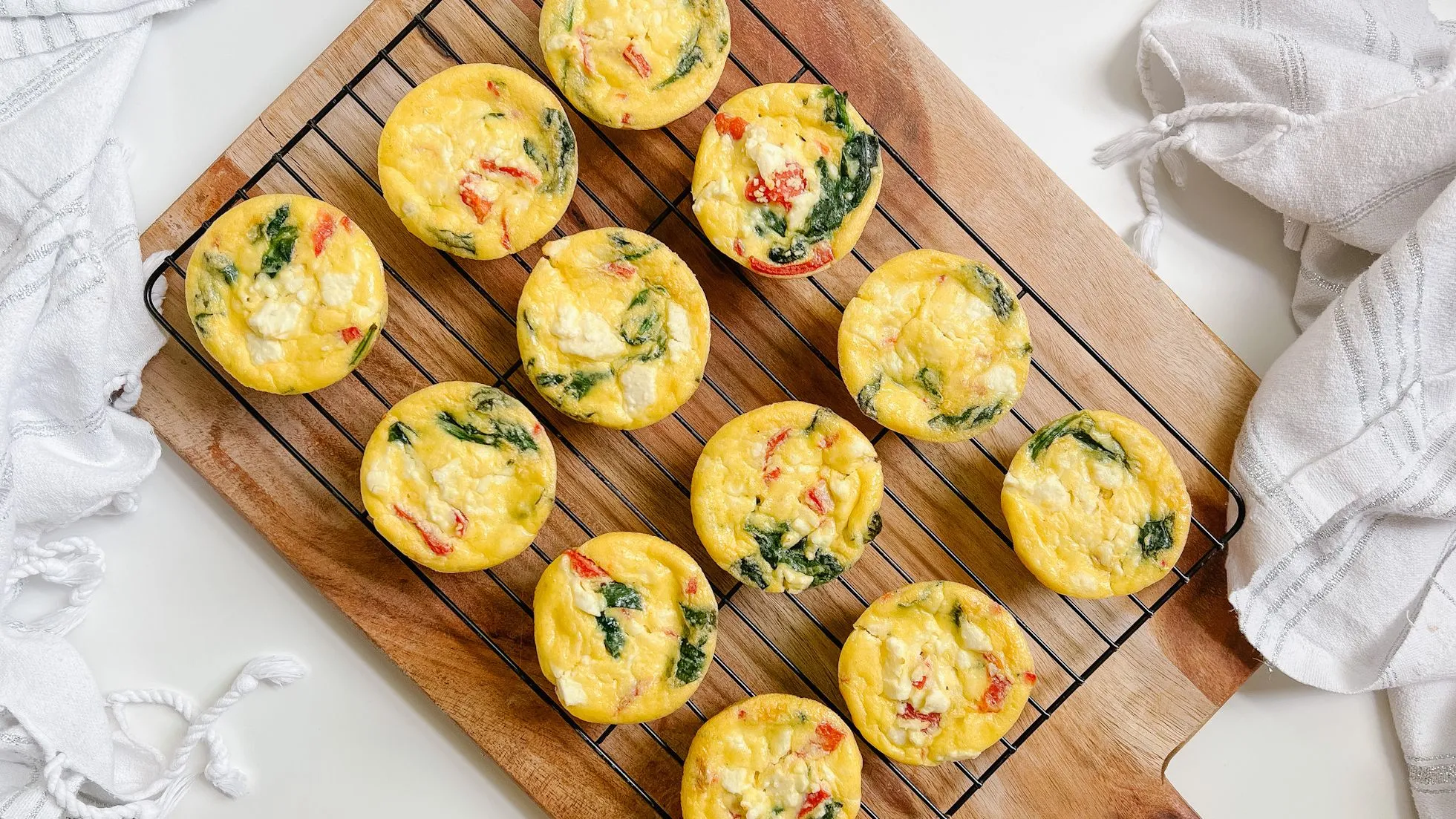
Everyone loves the convenience of grabbing a hot, protein-packed breakfast on the way to work. Those famous egg bites from the coffee shop drive-thru are undeniably delicious, but the daily habit can quickly drain your wallet. What if you could recreate that exact velvety, melt-in-your-mouth texture right in your own kitchen?
Making your own mini crustless quiches at home is surprisingly simple and requires minimal active prep time. This method gives you complete control over the ingredients, allowing you to sneak in extra vegetables or swap out dairy options. Plus, they are the ultimate meal prep solution for a busy week ahead.
In this comprehensive guide, we will explore exactly how to achieve that signature sous-vide texture using just a standard muffin tin and your oven. You will discover the best ingredient ratios, creative flavor variations, and foolproof storing techniques. Get ready to transform your morning routine with a power-packed breakfast that is both nutritious and incredibly satisfying.
Why Homemade Breakfasts Beat the Drive-Thru
Incredible Cost Savings Over Time
Purchasing breakfast from a specialty coffee shop every morning might seem like a small expense at the time. However, spending five or six dollars daily adds up to a substantial amount by the end of the month. Making breakfast at home drastically reduces this financial burden.
When you purchase a carton of eggs, some cheese, and fresh vegetables, you are spending a fraction of the cost per serving. A single homemade batch yields enough food to feed you for an entire workweek. This simple switch leaves more money in your pocket without sacrificing your morning routine.
The initial investment in a good quality muffin tin or silicone mold pays for itself after just one or two batches. You will quickly realize that luxury breakfasts do not have to come with a luxury price tag.
Total Nutritional Control
One of the biggest hidden drawbacks of restaurant breakfasts is the staggering amount of sodium and hidden preservatives. Commercial kitchens often rely on these additives to extend shelf life and enhance flavor. When you cook at home, you know exactly what is going onto your plate.
You hold the power to choose organic eggs, low-sodium cheeses, and farm-fresh vegetables. If you are watching your cholesterol, you can easily swap out some whole eggs for egg whites. This level of customization ensures your morning meal aligns perfectly with your health goals.
Furthermore, you can dial up the protein content by incorporating specific dairy products like cottage cheese or Greek yogurt. This sustained energy helps avoid the dreaded mid-morning blood sugar crash.
Ultimate Meal Prep Convenience
Mornings are chaotic enough without having to cook a full meal from scratch. By dedicating just thirty minutes on a Sunday afternoon, you can secure your breakfasts for the entire week. This seamlessly fits into your 7-day weight loss meal prep strategy.
These protein-rich snacks are incredibly portable and easy to eat on the go. You can simply grab one or two from the fridge, heat them up in seconds, and head out the door. There is no need to dirty a frying pan or spatula before work.
They also make fantastic additions to packed lunches or mid-afternoon snack boxes. Their versatility makes them a staple for any busy professional looking to streamline their nutrition.
Essential Ingredients for the Perfect Texture

Choosing the Right Dairy Base
The secret to that famous, velvety texture lies in the dairy you choose to blend with your eggs. Plain milk or water will result in a traditional, slightly spongy baked egg texture. To achieve a rich, custard-like consistency, you need a thicker dairy component.
Cottage cheese is the absolute best choice for this recipe. When blended until completely smooth, it adds incredible moisture and a significant protein boost. Ricotta cheese also works beautifully, offering a slightly sweeter, creamier profile.
If you are lactose intolerant, you can experiment with plain dairy-free yogurts. Just be sure to choose a brand that is thick and unflavored to avoid altering the taste profile too much.
Fresh Vegetables and Add-Ins
Vegetables are a fantastic way to add color, nutrients, and flavor to your breakfast. However, moisture is the enemy of a firm, well-set mini frittata. Raw vegetables release water as they bake, which can lead to a soggy bottom.
To prevent this, always pre-cook your watery vegetables before adding them to your batter. A quick sauté in a skillet is all it takes for mushrooms, spinach, and bell peppers. Be sure to drain off any excess liquid before folding them into your mixture.
Chop your add-ins finely so they distribute evenly throughout the batter. Large chunks of vegetables will sink to the bottom and make the final product difficult to remove from the pan.
The Magic of the Cheese Factor
Cheese does more than just add delicious savory flavor to your breakfast. It acts as a crucial binder that helps hold the structure together as it bakes. A combination of a soft, melting cheese and a hard, aged cheese yields the best results.
Gruyère and Swiss are classic choices that offer a nutty, sophisticated flavor. Sharp cheddar provides a familiar, comforting taste that pairs perfectly with broccoli or bacon. For a tangy kick, a sprinkle of feta or goat cheese on top works wonders.
Always grate your cheese from a block rather than buying pre-shredded bags. Pre-shredded cheeses are coated in anti-caking agents that prevent them from melting smoothly into the egg batter.
Mastering the Oven-Baked Method
Prepping the Muffin Tin Properly
Even if you are using a high-quality non-stick pan, eggs are notorious for clinging to the sides. Proper preparation of your baking equipment is non-negotiable for easy removal. A generous coating of cooking spray is your first line of defense.
For absolute certainty, you can use a pastry brush to apply melted butter or coconut oil into every crevice of the tin. Silicone muffin liners are also a brilliant investment for this recipe. They allow you to simply pop the finished product out with zero sticking.
If you are using a silicone pan, remember to place it on a sturdy baking sheet before filling it. Silicone is floppy, and trying to transfer a wobbly pan full of liquid egg batter to the oven is a recipe for disaster.
Creating a Steam Environment
The coffee shop version is cooked using a sous-vide machine, which uses a precise water bath to gently cook the eggs. You can easily mimic this humid environment in your standard home oven. The trick is to introduce steam during the baking process.
Simply place a baking dish filled with about an inch of hot water on the bottom rack of your oven. Place your muffin tin on the middle rack directly above it. As the water heats up, it creates a steamy atmosphere that prevents the eggs from drying out.
This gentle cooking method stops the outer edges from browning too quickly. It ensures the center remains soft, delicate, and perfectly cooked throughout.
Timing and Temperature Control
Patience is key when baking these delicate breakfast items. A low and slow approach yields a much better texture than blasting them with high heat. Preheat your oven to a gentle 300°F (150°C) for the best results.
Bake them for approximately 20 to 25 minutes, depending on your oven’s calibration. You will know they are done when the edges are set but the center still has a slight jiggle to it. They will continue to cook slightly from residual heat once removed from the oven.
Resist the urge to overbake them, as this will lead to a rubbery texture. Let them cool in the pan for at least five minutes before attempting to remove them.
Customizing Your Morning Meal Prep
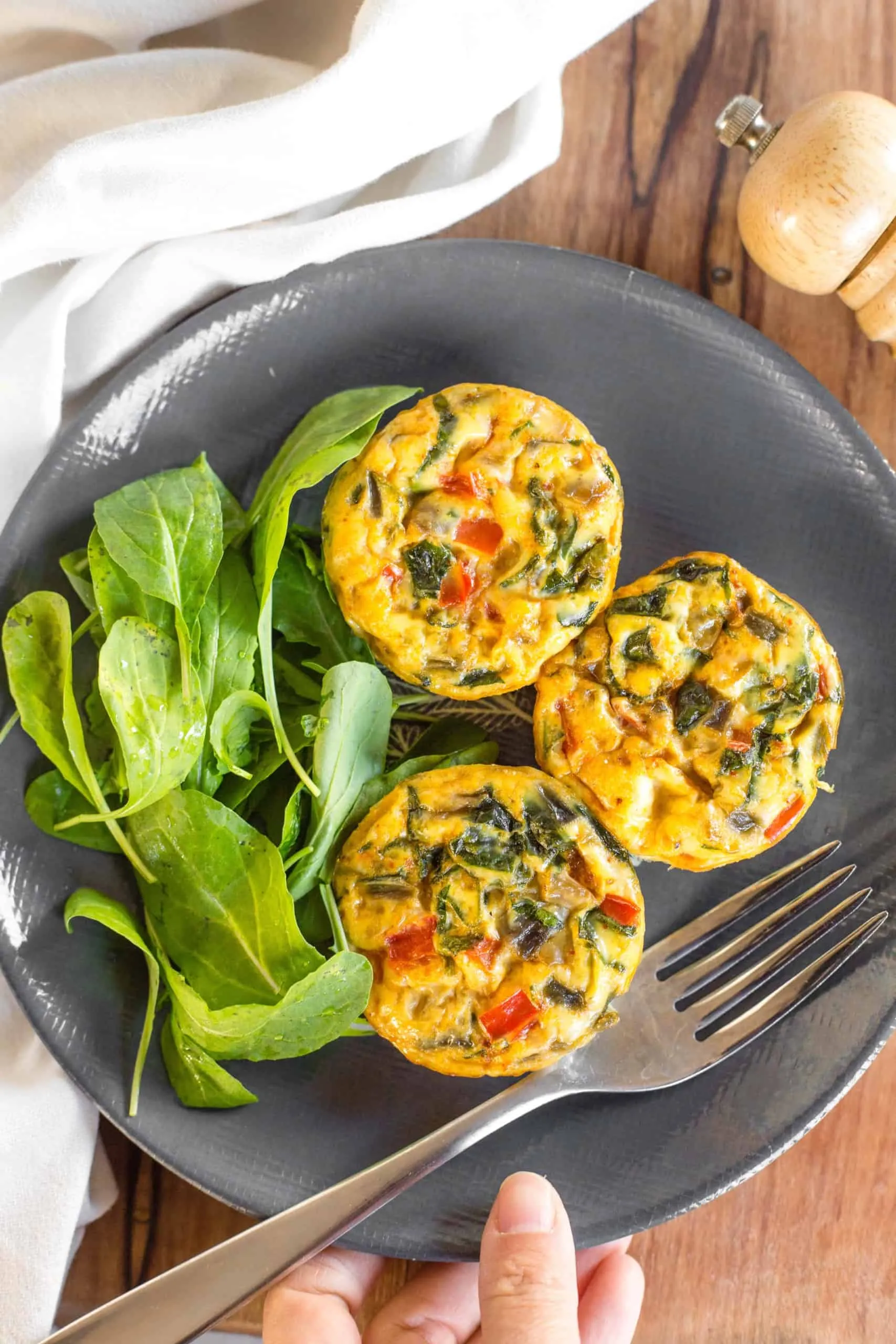
Classic Spinach and Sun-Dried Tomato
This flavor combination is a timeless favorite that feels both healthy and decadent. The earthy notes of fresh spinach pair beautifully with the intense, concentrated sweetness of sun-dried tomatoes. It is a vibrant, colorful option that looks beautiful on any breakfast table.
Be sure to chop the sun-dried tomatoes very finely, as they can be quite chewy in large pieces. If your tomatoes are packed in oil, drain them well and pat them dry with a paper towel. The residual oil can make the batter separate if you use too much.
A crumble of feta cheese adds the perfect salty, briny finish to this variation. This combination makes an elegant addition to Mother’s Day brunch ideas when you want to impress guests.
Hearty Broccoli Cheddar
If you love the comforting flavors of broccoli cheddar soup, this variation is for you. It is hearty, deeply savory, and an excellent way to get a serving of green vegetables first thing in the morning. This is also a fantastic option for picky eaters who love cheese.
Steam your broccoli florets until they are just tender, then chop them into tiny, bite-sized pieces. Squeeze out any excess water before adding them to your muffin tin. Fill the cups halfway with the broccoli, then pour your cheesy egg batter over the top.
You can even serve them alongside a light side salad for quick weeknight dinners. It is a fast, protein-heavy meal that comes together in a flash.
Mushroom and Goat Cheese Elegance
For a slightly more sophisticated palate, earthy mushrooms and creamy goat cheese are a match made in heaven. Cremini or baby bella mushrooms offer a deep, meaty flavor that elevates the dish. The goat cheese melts into little pockets of tangy creaminess.
Sauté your chopped mushrooms in a bit of butter until they release all their moisture and turn golden brown. Do not skip this step, as raw mushrooms act like little sponges and will ruin your texture. Add a pinch of fresh thyme to the pan for an extra layer of flavor.
Distribute the cooked mushrooms into your tin and top with small crumbles of cold goat cheese. Pour the egg mixture over the top and bake to perfection.
Storing and Reheating for Best Results
Refrigerator Storage Guidelines
Once you have baked the perfect batch of egg bites that rival any coffee shop, proper storage is essential. Allow them to cool completely to room temperature on a wire rack. Putting warm food into the fridge creates condensation, which leads to soggy textures.
Store them in an airtight glass or plastic container. For the best results, place a dry paper towel at the bottom of the container to absorb any excess moisture. They will stay fresh and delicious in the refrigerator for up to five days.
Keep them easily accessible at the front of the fridge. This ensures you can grab them quickly during the morning rush without digging through shelves.
Freezing for Long-Term Prep
If you want to prepare several weeks’ worth of breakfasts in one go, these freeze remarkably well. Again, ensure they are entirely cooled before beginning the freezing process. This prevents ice crystals from forming on the surface.
Wrap each piece individually in plastic wrap or parchment paper. Then, place the wrapped pieces into a heavy-duty freezer bag, squeezing out as much air as possible. They will maintain their quality in the freezer for up to two months.
When you are ready to eat them, there is no need to thaw them overnight. You can reheat them directly from frozen with just a minor adjustment to your microwave time.
How to Reheat Without Drying Out
The biggest challenge with reheating cooked eggs is avoiding a rubbery, dry consistency. The microwave is the fastest method, but it requires a gentle touch. Never microwave them on high power for an extended period.
Place your breakfast on a microwave-safe plate and drape a damp paper towel over the top. This creates a mini steam room that keeps the moisture locked inside. Microwave on medium power for 30 to 45 seconds if refrigerated, or 60 to 90 seconds if frozen.
If you have a few extra minutes, reheating them in a toaster oven or air fryer yields a slightly crispy exterior. Heat them at 300°F (150°C) for about five to seven minutes until warmed through.
Comparing Cooking Methods for Mini Quiches
While the oven is the most accessible method for home cooks, there are other ways to prepare this dish. Different appliances yield slightly different textures and require varying amounts of effort. Below is a breakdown of the three most popular cooking methods.
| Cooking Method | Equipment Needed | Texture Result | Prep & Cook Time |
|---|---|---|---|
| Oven-Baked (Water Bath) | Standard muffin tin, baking dish, blender | Fluffy, light, slightly browned on top | 35-40 minutes total |
| Sous-Vide Machine | Immersion circulator, small glass canning jars | Ultra-velvety, custard-like, zero browning | 1.5 hours total |
| Instant Pot (Pressure Cooker) | Instant pot, silicone egg bite mold, trivet | Dense, moist, very soft exterior | 25 minutes total |
Pro Tips for Flawless Mini Frittatas

Achieving culinary perfection often comes down to the smallest details. Keep these expert tips in mind to ensure your breakfast prep is a resounding success every single time. Moreover, these are incredible make-ahead potluck dishes that travel beautifully.
- Blend the batter thoroughly: Do not just whisk your ingredients together. Use a standard or immersion blender to whip the eggs and cottage cheese for a full 30 to 60 seconds. This incorporates air and breaks down the cheese curds for a silky smooth finish.
- Do not overfill the cups: The eggs will puff up significantly in the oven as they bake. Fill your muffin cups only about three-quarters of the way full to prevent them from spilling over the edges and creating a mess.
- Let them rest: Never try to pop them out of the tin immediately after removing them from the oven. Let them rest in the pan for 5 to 10 minutes so they can firm up and pull away from the sides naturally.
- Use a cooling rack: Once removed from the tin, place them on a wire cooling rack rather than a flat plate. This prevents steam from getting trapped underneath, which causes soggy bottoms.
- Season generously: Cold and reheated foods require slightly more seasoning than foods eaten straight from the stove. Do not be shy with your salt, freshly cracked black pepper, and a dash of hot sauce if you like some heat.
Frequently Asked Questions about egg bites
Can I make these without a blender?
While a blender gives you that signature velvety texture, you can absolutely make them without one. Simply whisk the eggs vigorously by hand and use a fine-curd cottage cheese or ricotta. The texture will be slightly more rustic and similar to a traditional mini quiche, but still delicious.
Do I need a silicone mold?
A silicone mold makes removal incredibly easy, but it is not strictly necessary. A standard metal non-stick muffin tin works perfectly well. Just be absolutely certain to grease the metal tin generously with cooking spray or butter to prevent sticking.
How do I prevent my egg bites from sticking?
Generous greasing is the most important step to prevent your egg bites from sticking. If you are using a metal tin, you can also use parchment paper liners for guaranteed easy removal. Allow them to cool slightly before running a thin butter knife around the edges to loosen them.
Can I use egg whites only?
Yes, you can easily adapt this recipe to be entirely egg white based for a lower-fat option. Substitute two cups of liquid egg whites for every six whole eggs the recipe calls for. Keep in mind that the texture will be slightly less rich without the egg yolks.
Why did my egg bites deflate?
It is completely normal for them to puff up in the oven and then deflate slightly as they cool down. However, if they collapse entirely, you likely incorporated too much air by over-blending, or you baked them at too high of a temperature. Stick to a low oven temperature and a water bath.
Are these keto-friendly?
Yes, this recipe is naturally low in carbohydrates and fits perfectly into a ketogenic diet. Eggs, cheese, and low-carb vegetables like spinach and mushrooms are all keto staples. Just avoid using high-sugar add-ins or starchy vegetables like potatoes.
How long do they last in the fridge?
When stored properly in an airtight container, they will last safely in the refrigerator for four to five days. To keep them tasting fresh, place a dry paper towel in the container to absorb ambient moisture. Check for any sour smells or slimy textures before eating if they have been stored longer.
Can I add raw veggies directly to the batter?
It is highly recommended to cook your vegetables before adding them to the batter. Raw vegetables contain a high amount of water that will release during baking, creating a soggy texture. Sautéing them briefly ensures your breakfast remains firm and flavorful.
Whipping up a batch of homemade egg bites is one of the smartest habits you can build for a stress-free morning routine. By mastering the simple blender method and utilizing a water bath in your oven, you can easily replicate that luxurious coffee shop texture at home. The endless customization options mean you will never get bored, whether you prefer classic bacon and cheese or elegant spinach and feta.
Stop settling for expensive, sodium-loaded drive-thru breakfasts and take control of your morning nutrition today. Try making your first batch this Sunday, and experience the joy of having a hot, protein-packed breakfast ready in under a minute. If you loved this guide, be sure to bookmark this page and share your favorite flavor combinations with us in the comments below!
