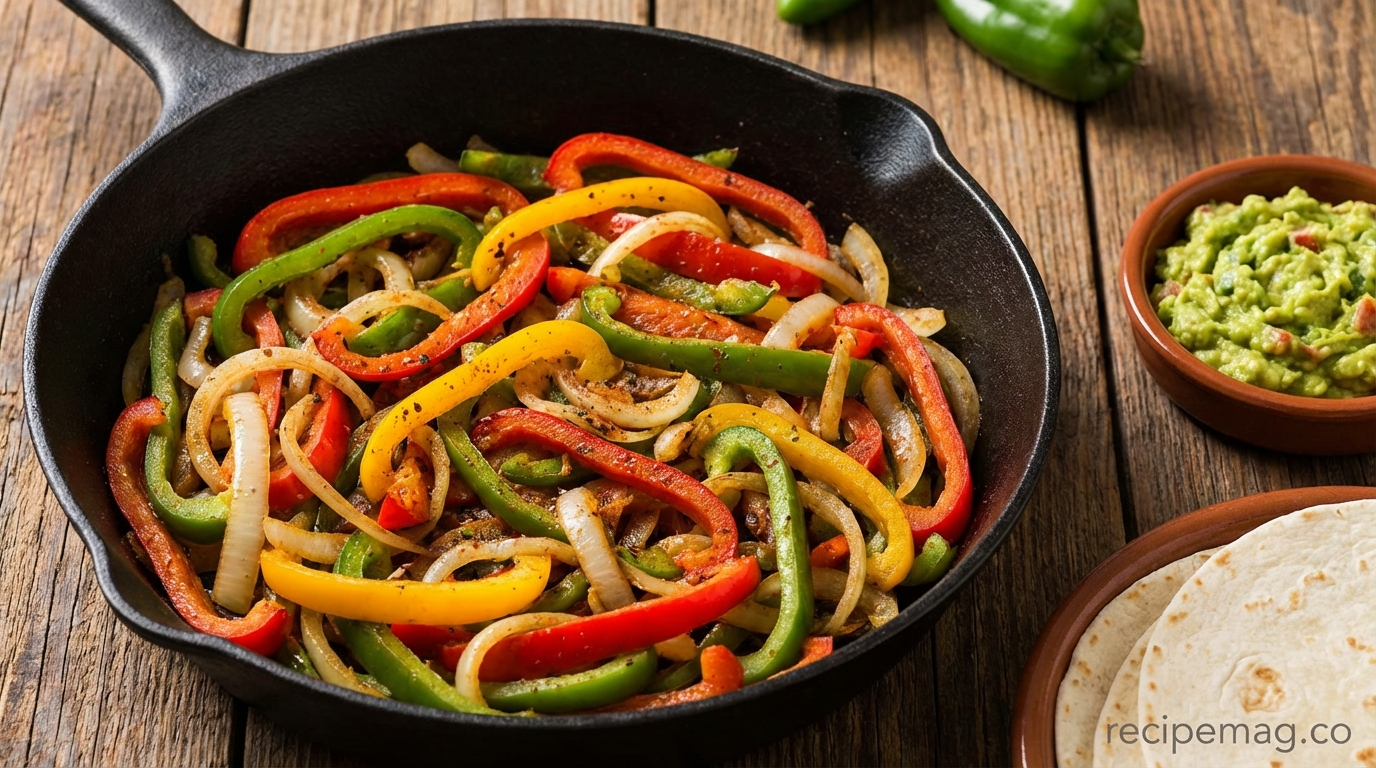
Nothing elevates a homemade Mexican-inspired meal quite like the irresistible aroma of sizzling peppers and onions. If you have ever stood in line at a popular burrito chain, you know that adding a scoop of perfectly charred fajita veggies is the secret to a mouthwatering bowl. These tender, caramelized vegetables pack an incredible amount of flavor into every single bite.
Creating this restaurant-quality side dish at home is surprisingly simple and requires minimal ingredients. You do not need professional kitchen equipment or complicated culinary techniques to achieve those beautiful, slightly blackened edges. With just a few basic produce items, the right heat level, and a touch of patience, you can transform ordinary ingredients into something spectacular.
In this comprehensive guide, you will learn exactly how to master the art of cooking these iconic vegetables. We will cover everything from selecting the freshest bell peppers to achieving that signature smoky sear on your stovetop. Get ready to upgrade your taco nights, burrito bowls, and meal prep routines with this simple yet game-changing recipe.
Crafting the Perfect Sautéed Peppers and Onions
The foundation of any great vegetable dish begins with selecting high-quality produce at your local grocery store or farmer’s market. Because this recipe uses so few ingredients, the flavor and texture of your raw materials matter immensely. Taking the time to pick the right components will ensure your final dish tastes fresh, vibrant, and perfectly balanced.
When you focus on fresh ingredients, you are also setting yourself up for successful meal planning. Adding fresh produce to your weekly routine is a core strategy found in any good budget-friendly meal prep shopping list. This approach keeps your grocery bills low while maximizing your nutrient intake.
Selecting the Right Bell Peppers
For the most visually appealing and flavorful dish, you should use a mix of different colored bell peppers. Red, yellow, and orange bell peppers bring a natural sweetness that intensifies as they cook and caramelize in the pan. Green bell peppers offer a slightly more bitter, earthy flavor that beautifully balances the sweetness of the other colors.
When shopping, look for peppers that feel heavy for their size and have tight, glossy skin without wrinkles. Avoid any peppers that have soft spots or blemishes, as these can turn mushy during the cooking process. Crisp, fresh peppers will hold their shape better when exposed to high heat on the stove.
Choosing the Best Onions
While you can technically use any onion you have on hand, red onions are the traditional choice for this beloved side dish. Red onions provide a sharp, slightly spicy bite when raw, but they transform into sweet, mellow ribbons when sautéed. Their vibrant purple color also adds a beautiful visual contrast to the bright bell peppers.
If you do not have red onions, white onions are an excellent alternative that provide a clean, sharp flavor. Yellow onions will also work in a pinch and offer the highest sugar content, making them caramelize incredibly well. Regardless of the variety, choose onions that are firm and have dry, papery skins.
The Secret to Proper Slicing
How you cut your vegetables drastically impacts how they cook in the skillet. For authentic restaurant-style results, you want to slice both the peppers and onions into uniform strips that are about one-quarter inch thick. If you slice them too thin, they will quickly turn into mush and lose their satisfying bite.
Conversely, if your slices are too thick, the outside will burn before the inside becomes tender. Try to keep all your vegetable strips roughly the same length and width so they cook at an even rate. Taking your time with the knife work ensures every forkful has the perfect texture.
Achieving That Signature Chipotle Flavor
The magic of these famous vegetables lies in their straightforward yet highly effective seasoning profile. Many home cooks make the mistake of overcomplicating the recipe by adding garlic, cumin, or chili powder. The truth is, the most authentic flavor relies on allowing the natural sugars in the vegetables to shine through.
By mimicking the minimalist approach used in commercial kitchens, you can achieve that recognizable taste right on your own stove. This simplicity also makes them incredibly versatile, easily pairing with everything from hearty steak tacos to quick and healthy Mediterranean diet meals. Let us explore the key components that create that iconic flavor.
The Role of High Heat
Heat is arguably the most important “ingredient” in this entire recipe. To get those beautiful, blistered edges without turning the vegetables into a soggy mess, your pan must be smoking hot. High heat triggers the Maillard reaction, a culinary process that browns the food and creates complex, savory flavors.
If you cook the peppers and onions over low or medium heat, they will release their water and steam rather than sear. Steamed vegetables lack the smoky, charred flavor that makes this Tex-Mex favorite so craveable. Do not be afraid to turn up the burner and let the pan get exceptionally hot before adding your ingredients.
Essential Seasonings and Spices
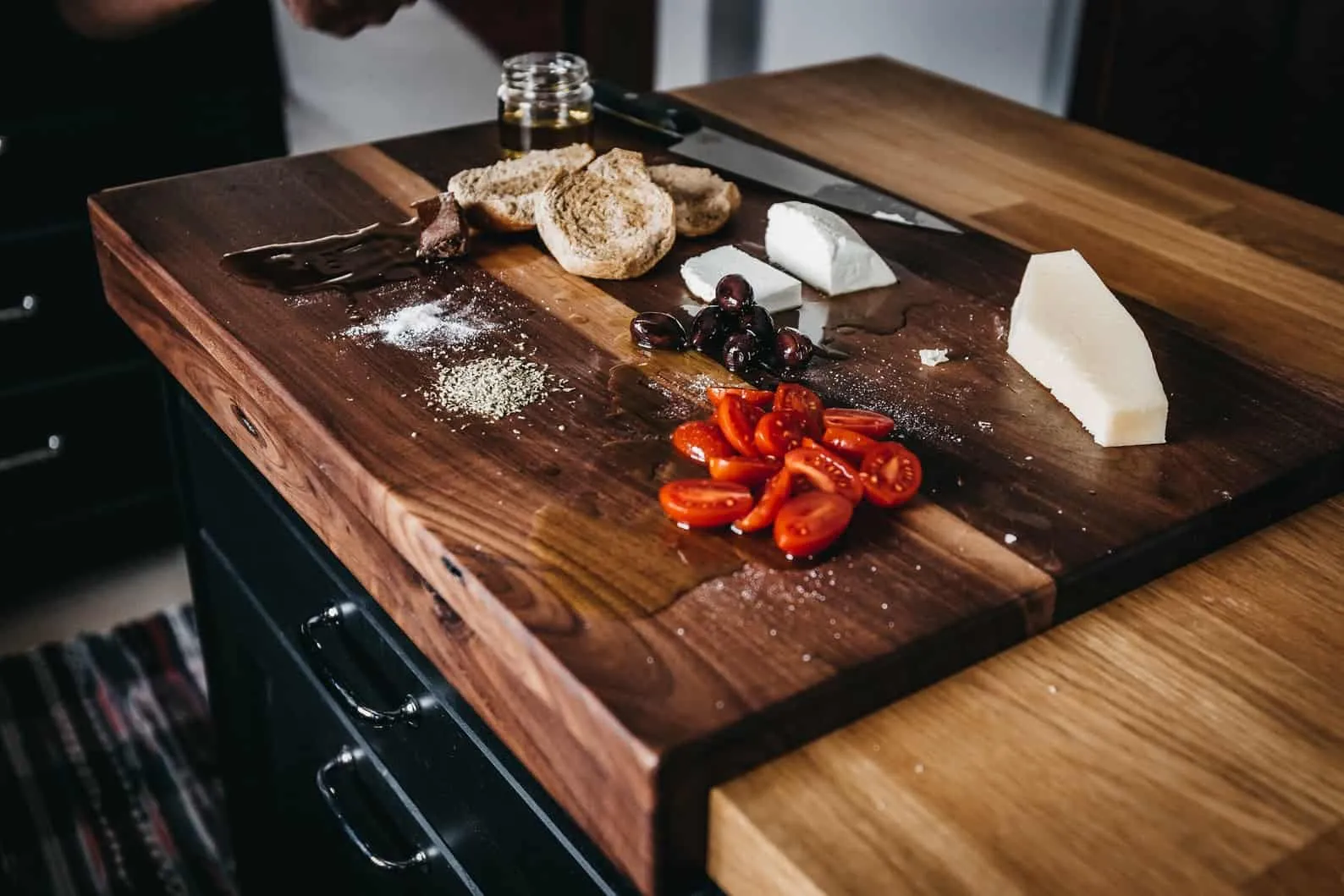
The seasoning blend for authentic fajita veggies is surprisingly simple: just salt and dried oregano. Dried oregano brings a warm, earthy, and slightly floral note that perfectly complements the sweetness of the peppers. Mexican oregano is highly recommended if you can find it, as it has a brighter, more citrusy flavor profile than the Mediterranean variety.
Salt should be used generously, but timing is everything when it comes to adding it to your pan. Do not salt the vegetables right when they hit the heat, as salt draws out moisture and prevents browning. Instead, toss the salt and oregano over the vegetables during the final minute of cooking.
The Importance of Cooking Oil
Because this recipe requires high heat, you must choose a cooking oil with a high smoke point. Olive oil and butter will burn at these temperatures, leaving an acrid, bitter taste on your food. Neutral oils are the best choice for achieving a clean sear without altering the flavor profile.
Avocado oil, sunflower oil, or rice bran oil are all excellent options for this high-heat application. You only need a small amount—about one to two tablespoons—to coat the pan and encourage browning. The oil helps conduct the heat evenly across the surface of the vegetables, resulting in that perfect blistered finish.
Mastering the Cooking Technique
Knowing the ingredients is only half the battle; executing the cooking process correctly is where the real magic happens. Cooking vegetables at a high temperature requires your full attention, as they can go from perfectly charred to burnt in a matter of seconds. It is a fast-paced process that rewards preparation and focus.
Because the cooking time is so brief, this recipe is a fantastic addition to your rotation of quick weeknight dinners. You can have the entire side dish prepped, cooked, and ready to serve in under fifteen minutes. Follow these crucial steps to guarantee success at the stove.
Preparing Your Skillet
A heavy-bottomed skillet is absolutely essential for holding and distributing high heat evenly. Cast iron skillets are the gold standard for this recipe because they retain heat beautifully and create an unmatched sear. If you do not have cast iron, a heavy stainless steel pan or a high-quality hard-anodized aluminum pan will also work.
Place your dry skillet on the stove over medium-high heat and let it warm up for several minutes. You want the pan to be very hot before you even think about adding the oil. Once the pan is properly heated, swirl in your high-smoke-point oil and wait a few more seconds until it shimmers.
Managing the Sizzle and Sear
When you add the sliced produce to the hot pan, you should immediately hear a loud, aggressive sizzle. If it does not sizzle, your pan was not hot enough, and you risk steaming your ingredients. Spread the strips out into an even layer so that as much surface area as possible touches the hot metal.
Here is the hardest part for many home cooks: leave them alone. Do not constantly stir or toss the pan, as the vegetables need uninterrupted contact with the hot surface to develop those blackened spots. Let them sit untouched for about two minutes before giving them a quick toss and spreading them out again.
Knowing When to Remove from Heat
The ideal texture for this dish is crisp-tender, meaning the vegetables are cooked through but still have a slight snap when you bite into them. They should be vibrant in color with distinct, dark charred spots on the edges. Total cooking time usually only takes about five to seven minutes, depending on your stove.
As soon as they reach this perfect stage, immediately remove the pan from the heat source. Add your oregano and salt, give everything one final toss, and transfer the vegetables to a serving dish. Leaving them in the hot cast iron pan will cause them to carryover cook and become overly soft.
How to Serve Your Tex-Mex Vegetables
Once you have mastered cooking these perfect fajita veggies, you will want to add them to almost every meal. Their sweet, smoky, and savory flavor profile makes them an incredibly versatile component in your kitchen. They add bulk, nutrition, and vibrant color to any plate.
They are also a fantastic way to use up produce before it goes bad in the crisper drawer. Incorporating vegetable-heavy sides into your meals is one of the easiest sustainable dishes that cut food waste. Let us explore the best ways to enjoy your freshly cooked creation.
Building the Ultimate Burrito Bowl
The most popular way to enjoy this recipe is by constructing a massive, restaurant-style burrito bowl right at home. Start with a base of warm cilantro-lime rice or quinoa, and add a scoop of seasoned black or pinto beans. Layer on a generous portion of your freshly seared peppers and onions.
Top your bowl with your favorite proteins, such as grilled chicken, steak, or spicy sofritas. Finish it off with fresh tomato salsa, a dollop of sour cream, and a scoop of homemade guacamole. This combination provides a perfect balance of temperatures, textures, and bold Mexican flavors.
Upgrading Your Tacos and Quesadillas
These caramelized strips are the ultimate filling for vegetarian tacos or a hearty addition to meat-based ones. Warm up some corn tortillas, add the charred vegetables, and top with crumbled cotija cheese and fresh cilantro. A squeeze of fresh lime juice right before eating adds a bright acidity that cuts through the savory flavors.
You can also fold these vegetables into a large flour tortilla along with shredded Monterey Jack cheese to make an incredible quesadilla. The sweetness of the peppers pairs beautifully with the rich, melted cheese. Cook the quesadilla until golden brown for a comforting, satisfying meal.
Meal Prep Strategies
If you love preparing food ahead of time, these vegetables store remarkably well in the refrigerator. Cook a large double batch on Sunday and portion them out into airtight containers for the week. They make excellent additions to scrambled eggs, salads, or quick weekday lunches.
When reheating, avoid the microwave if possible, as it can make the vegetables sad and soggy. Instead, toss them back into a hot skillet for a minute or two to revive their texture. Alternatively, you can explore easy sheet pan dinners and roast your prep veggies in the oven for a hands-off approach.
Comparing Bell Pepper Varieties
Choosing the right mix of peppers can dramatically alter the final taste and nutritional profile of your dish. While all bell peppers come from the same plant species, their color indicates their ripeness and sugar content. Green peppers are harvested earliest, while red peppers are fully mature and ripened on the vine.
Understanding these differences allows you to customize your vegetable mix to suit your personal flavor preferences. Use the table below to decide which pepper varieties you want to feature in your next batch.
| Pepper Color | Flavor Profile | Caramelization Level | Nutritional Highlight |
|---|---|---|---|
| Green | Earthy, slightly bitter, crisp | Low (less natural sugar) | High in Vitamin K and Potassium |
| Red | Very sweet, fruity, juicy | High (chars beautifully) | Highest in Vitamin C and Vitamin A |
| Yellow | Mildly sweet, bright, clean | Medium-High | Excellent source of Folate |
| Orange | Tangy, sweet, vibrant | Medium-High | Rich in Beta-carotene |
Pro Tips for Restaurant-Quality Vegetables
Even though this recipe is incredibly straightforward, a few small tweaks can take your dish from good to exceptional. Professional cooks rely on specific habits to ensure consistent, delicious results every single time. Here are the best expert tips for achieving perfection in your home kitchen:
- Slice uniformly: Always cut your vegetables to the exact same thickness. This ensures they finish cooking at the identical moment, preventing a mix of burnt and raw pieces.
- Do not overcrowd the pan: If your pan is too full, the vegetables will steam instead of sear. Cook in batches if necessary to give the strips room to breathe.
- Patience is key: Resist the urge to constantly stir the vegetables. Let them sit undisturbed for 1-2 minutes at a time to develop a proper char.
- Season at the end: Wait until you turn off the heat before adding your salt and oregano. This prevents moisture loss during the searing phase.
- Use a cast iron skillet: Nothing beats cast iron for retaining the intense, high heat needed to blister the skins of the peppers properly.
- Prep in advance: Have your oil, salt, and oregano sitting right next to the stove before you begin. This recipe moves very fast once the food hits the hot pan.
Frequently Asked Questions about fajita veggies
What kind of oil does Chipotle use for their vegetables?
The popular restaurant chain uses sunflower oil to cook their vegetable mix. Sunflower oil has a very high smoke point and a neutral flavor, making it perfect for high-heat searing. You can easily substitute it with avocado oil or canola oil at home.
Can I freeze leftover cooked peppers and onions?
While you can freeze them, it is generally not recommended for the best texture. Freezing and thawing will cause the vegetables to release water, making them mushy when reheated. They are best enjoyed fresh or stored in the refrigerator for a few days.
How long do these keep in the refrigerator?
When stored in an airtight container, they will stay fresh in the fridge for up to four or five days. They make excellent leftovers for meal prep throughout the week. Just be sure to let them cool completely before sealing the container.
What is the best pan for cooking them?
A well-seasoned cast iron skillet is the absolute best tool for this job. It holds high heat incredibly well and provides an even cooking surface that encourages deep browning. If you do not have one, a heavy-bottomed stainless steel pan is your next best option.
Do I need to peel the bell peppers first?
No, you do not need to peel bell peppers before cooking them. The skin provides necessary structure to keep the slices intact over high heat. Additionally, the skin is what blisters and chars, providing that authentic smoky flavor.
Are these vegetables keto-friendly?
Yes, bell peppers and onions are generally considered keto-friendly in moderation. While they do contain natural sugars and carbohydrates, the fiber content helps balance the net carbs. They are an excellent way to add flavor and nutrients to a low-carb diet.
Can I roast them in the oven instead of using a skillet?
Yes, you can toss the sliced vegetables in oil and roast them at 400°F (200°C) for about 20 minutes. While this method is easier and requires less active time, you will not get the same intense char as stovetop cooking. It is a great alternative if you are cooking for a large crowd.
What can I use if I do not have oregano?
If you lack oregano, a tiny pinch of dried thyme or marjoram can provide a similar earthy note. However, the vegetables are still delicious if seasoned purely with salt and a little black pepper. Avoid overpowering spices like cumin if you want the authentic copycat flavor.
How do I prevent the vegetables from getting soggy?
To avoid mushy vegetables, make sure your pan is smoking hot before adding them. Do not overcrowd the skillet, and never salt them until they are completely finished cooking. Cooking them hot and fast is the key to maintaining a crisp-tender bite.
Wrapping Up Your Cooking Journey
Mastering this simple yet satisfying recipe will forever change how you prepare Mexican-inspired meals at home. By selecting fresh produce, utilizing high heat, and trusting the power of minimal seasoning, you can replicate that beloved restaurant flavor in your own kitchen. These fajita veggies prove that you do not need a long list of complicated ingredients to create something truly crave-worthy.
Now that you know the secrets to achieving the perfect sear and crisp-tender bite, it is time to heat up your skillet. Grab some colorful peppers, slice up an onion, and start building the ultimate burrito bowl tonight. We would love to hear how your sizzling vegetables turned out, so be sure to leave a comment below and share this recipe with your fellow home cooks!
