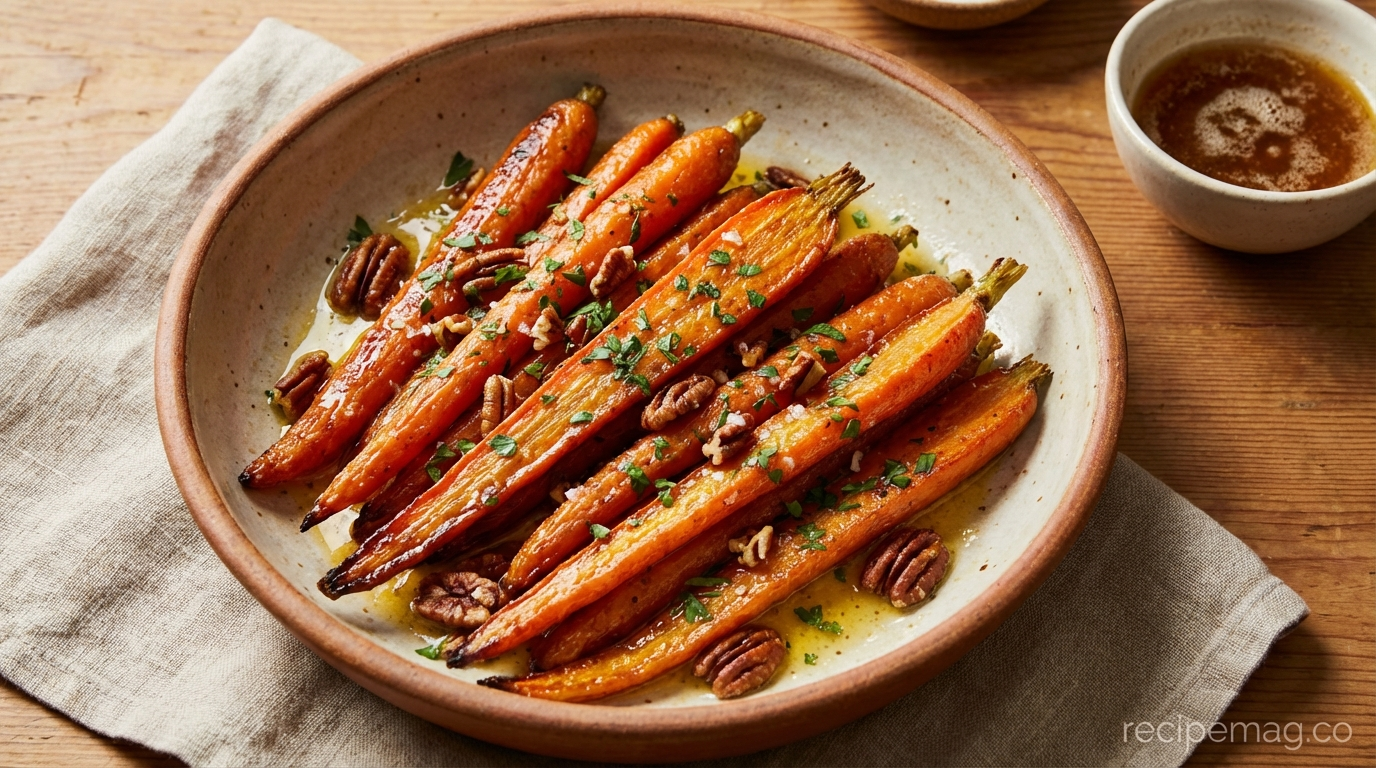
Have you ever tasted a vegetable dish so spectacular that it outshines the main course? If you are looking for that show-stopping recipe, these crunchy brown butter baked carrots will completely change how you view this humble root vegetable. The combination of rich, nutty butter and a satisfyingly crisp topping elevates everyday dinners and holiday feasts alike.
Roasting vegetables is already a fantastic way to coax out their deep, natural sweetness. However, adding toasted milk solids and a savory crust takes the flavor profile to gourmet heights. Whether you are prepping for a simple weeknight or looking for the perfect side for traditional Easter ham recipes, this method guarantees clean plates every single time.
In this comprehensive guide, we will explore exactly how to master this mouthwatering dish from start to finish. You will learn the science behind browning butter, how to achieve the ultimate crispy topping, and expert techniques for even roasting. Get ready to transform your ordinary produce into a culinary masterpiece that your family will request all year long.
The Magic Behind Roasting Carrots with Brown Butter
Elevating Natural Sweetness
Carrots are naturally packed with complex sugars that respond beautifully to dry heat. When you place them in a hot oven, the moisture inside begins to evaporate rapidly. This process concentrates their earthy, sweet flavors into a much denser profile.
As the exterior reaches high temperatures, the natural sugars undergo caramelization. This creates those slightly charred, chewy edges that make roasted vegetables incredibly addictive. The slight bitterness of the char perfectly balances the inherent sweetness of the root vegetable.
Pairing this concentrated sweetness with a rich fat source creates an irresistible flavor dynamic. The fat coats the vegetable, ensuring the heat is distributed evenly across the surface. This leads to a tender, fork-soft interior wrapped in a beautifully caramelized exterior.
The Science of Browning Butter
Brown butter, known in traditional French cooking as beurre noisette, is truly liquid gold. It is created by gently melting regular butter until the water content evaporates completely. Once the water is gone, the milk solids drop to the bottom of the pan and begin to toast.
This toasting process triggers the Maillard reaction, a chemical interaction between amino acids and reducing sugars. The result is a deeply complex, nutty aroma that smells remarkably like toasted hazelnuts. It adds a sophisticated layer of savory depth that regular melted butter simply cannot provide.
Timing is absolutely critical when creating this magical ingredient. The transition from beautifully toasted to tragically burnt happens in mere seconds. Staying at the stove and watching the color change is the key to perfect results.
Creating the Perfect Crunch Factor
Texture is just as important as flavor when designing a memorable side dish. Soft, tender root vegetables are comforting, but they can feel a bit one-dimensional on the palate. Introducing a crispy, crunchy element wakes up your taste buds and makes every bite interesting.
The topping for this dish relies on a mixture of coarse ingredients bound together by the fat. Panko breadcrumbs are excellent because their large, airy flakes stay crispy longer than traditional breadcrumbs. Adding chopped nuts or seeds brings an earthy crunch that complements the nutty sauce.
When baked, this topping absorbs the aromatic fat and crisps up under the oven’s high heat. The resulting crust forms a delightful textural contrast against the yielding, sweet flesh of the vegetable. It is a restaurant-quality technique that is surprisingly easy to replicate at home.
Essential Ingredients for the Best Roasted Carrots
Choosing the Right Root Vegetables
The foundation of this recipe relies on selecting high-quality, fresh produce from your market or garden. Look for medium-sized, firm carrots with smooth skins and a vibrant orange hue. Avoid any that feel rubbery or have deep cracks, as these are signs of age and moisture loss.
While standard orange varieties work perfectly, rainbow carrots make for a stunning presentation. The purple, yellow, and white varieties offer slightly different nutritional profiles and subtle flavor variations. Serving a multi-colored platter instantly makes the meal feel more festive and upscale.
If possible, buy bunches that still have their leafy green tops attached. The tops are a great indicator of freshness, as they wilt very quickly after harvesting. You can even save these greens to make a vibrant, earthy pesto for later in the week.
Crafting the Crunchy Topping
A great textural topping needs a solid, crispy base to hold up in the oven. Panko breadcrumbs are the undisputed champion for this job due to their light, flaky structure. If you need a gluten-free option, crushed almonds or gluten-free rice crumbs work wonderfully.
To build deeper flavor, incorporate freshly grated Parmesan or Pecorino Romano cheese into the mix. The cheese melts slightly before crisping up, creating delicious, salty clusters within the breadcrumbs. Nutritional yeast is a fantastic plant-based alternative that provides a similar cheesy, umami punch.
Finally, consider adding finely chopped nuts for extra crunch and visual appeal. Pecans, walnuts, or pistachios all pair beautifully with the sweet and savory profile of the dish. Make sure they are chopped finely enough to adhere to the vegetables easily.
Flavor Enhancements and Aromatics
To take this side dish to the next level, you need the right blend of aromatics. Fresh thyme and rosemary are classic pairings that bring a woodsy, piney aroma to the kitchen. Strip the leaves from the tough stems and mince them finely before adding them to your fat.
Garlic is another non-negotiable ingredient for building a robust savory profile. Instead of minced garlic, which can easily burn in a hot oven, try smashing whole cloves. Tossing smashed cloves onto the baking sheet infuses the dish with a mellow, sweet garlic flavor.
For a final touch, a hint of spice can beautifully offset the natural sugars. A small pinch of red pepper flakes or a dusting of smoked paprika adds complexity without overwhelming heat. Finish everything with a generous sprinkle of flaky sea salt right before serving.
Step-by-Step Guide to Baking Perfect Carrots
Prepping Your Veggies
Begin by washing your produce thoroughly under cold water to remove any lingering dirt. Peeling is optional, but it generally yields a cleaner presentation and a more uniform texture. If you choose not to peel, scrub the skins vigorously with a vegetable brush.
Cutting the vegetables properly ensures they cook at the exact same rate. Slice them on a sharp diagonal bias, creating pieces that are roughly two inches long. This angled cut exposes more surface area to the hot pan, promoting better caramelization.
Do not throw away your peels and vegetable scraps during the prep phase. Saving these scraps is one of many sustainable dishes that cut food waste in your kitchen. You can toss them in a freezer bag and use them to make a rich homemade vegetable broth later.
Mastering the Brown Butter Sauce
Start with a light-colored skillet, preferably stainless steel or enamel-coated cast iron. A light background allows you to monitor the color of the milk solids accurately as they toast. Dark non-stick pans make it nearly impossible to tell when the fat has properly browned.
Cut your butter into uniform tablespoons so it melts evenly over medium-low heat. As it melts, it will begin to bubble and sputter loudly as the water content cooks off. Swirl the pan continuously to keep the milk solids moving and prevent them from burning.
Once the sputtering subsides, the mixture will foam up significantly. This is your cue to watch closely, as the solids will turn golden-brown within seconds. Immediately remove the pan from the heat and pour the liquid into a heat-proof bowl to stop the cooking process.
Achieving Even Roasting and Caramelization
Preheat your oven to 425 degrees Fahrenheit to create the ideal environment for roasting. High heat is essential for developing those crispy, caramelized edges before the interior turns to mush. A lower temperature will simply steam the vegetables, leaving them limp and unappetizing.
When preparing your crunchy brown butter baked carrots, spreading them evenly is crucial. Line a heavy-duty baking sheet with parchment paper for easy cleanup and consistent browning. Arrange the pieces in a single layer, ensuring they are not touching or overlapping.
Halfway through the cooking time, carefully remove the tray and toss the vegetables with a spatula. This guarantees that all sides get equal exposure to the hot surface of the pan. Rotate the pan before putting it back in the oven to account for any hot spots.
Pairing Suggestions for Holiday Dinners
Serving with Traditional Holiday Mains
This robust side dish is sturdy enough to stand up to heavy, traditional holiday proteins. The caramelized sweetness cuts through the salty richness of a holiday roast beef beautifully. It provides a necessary palate cleanser between bites of heavy meat and gravy.
When serving a classic Thanksgiving or Christmas turkey, these vegetables add a welcome pop of color. The crunchy topping mimics the satisfying texture of traditional stuffing but in a lighter, produce-forward way. The nutty aromas complement traditional poultry herbs like sage and rosemary perfectly.
Pork dishes also benefit immensely from this sweet and savory flavor profile. The rich, toasty notes harmonize flawlessly with mustard glazes or fruit-based reductions often served with pork. It is a versatile side that effortlessly adapts to whatever main course you choose.
Complementing Vegetarian Feasts
For plant-based or vegetarian holiday spreads, side dishes often become the main event. Offering a deeply savory, satisfying vegetable option ensures no one leaves the table hungry. The generous use of rich fats makes this dish incredibly satiating and satisfying.
Pair these roasted treats with a hearty lentil loaf or a wild rice stuffed acorn squash. The crunchy texture provides a brilliant contrast to softer grain and legume-based dishes. It adds a level of gourmet sophistication to any meatless Monday dinner or holiday feast.
To make the meal even more filling, consider serving it alongside a protein-rich grain. A bed of warm quinoa or farro soaks up any leftover nutty sauce perfectly. This combination transforms a simple side into a complete, balanced, and deeply flavorful meal.
Integrating into Weeknight Meals
You do not need a special occasion to enjoy restaurant-quality vegetables at home. The preparation for this dish is straightforward enough for a busy Tuesday evening. The entire process requires minimal active cooking time, letting the oven do the heavy lifting.
Because of its fast prep, it fits perfectly into collections of 30-minute gourmet holiday recipes and quick weeknight dinners. You can even chop the vegetables and mix the dry topping ingredients earlier in the day. When dinner time approaches, simply assemble and bake for a stress-free experience.
For a fun, appetizer-style dinner, serve these alongside other crispy roasted sides. Pairing them with 15+ air fryer potato recipes creates a satisfying, crunch-focused meal. It is a fantastic way to get picky eaters to consume more whole foods with enthusiasm.
Comparing Cooking Fats for Roasted Vegetables
Selecting the right fat for roasting fundamentally changes the flavor and texture of your final dish. While our featured recipe uses a specific method, understanding your options helps you become a better cook. Below is a comparison of popular cooking fats used for high-heat vegetable roasting.
| Cooking Fat Type | Flavor Profile | Smoke Point | Best Application |
|---|---|---|---|
| Brown Butter | Deeply nutty, toasted, rich, caramel-like | Medium (350°F – requires care) | Gourmet sides, holiday meals, root vegetables |
| Extra Virgin Olive Oil | Fruity, peppery, slightly grassy | Medium-High (375°F – 410°F) | Everyday Mediterranean roasting, Mediterranean diets |
| Coconut Oil (Unrefined) | Sweet, tropical, distinct coconut aroma | Medium (350°F) | Tropical-inspired dishes, vegan baking alternatives |
| Ghee (Clarified Butter) | Clean, buttery, slightly nutty | Very High (450°F+) | High-heat searing, deep roasting without burning |
| Avocado Oil | Neutral, very mild, buttery undertones | Very High (520°F) | Ultra high-heat roasting, letting vegetable flavors shine |
Using the chart above, you can see why beurre noisette is prized for its specific flavor contributions. While it requires slightly more care due to its smoke point, the culinary payoff is unmatched. For everyday quick roasting, neutral oils are great, but holiday tables demand something richer.
Expert Tips for Crunchy Brown Butter Baked Carrots
Achieving the perfect balance of tender vegetables and a crispy crust requires a bit of finesse. While the recipe is simple, professional kitchens use specific techniques to ensure consistency every time. Follow these expert tips to guarantee your crunchy brown butter baked carrots turn out flawlessly.
- Dry your vegetables thoroughly: After washing, pat the produce completely dry with a clean kitchen towel. Any residual water will create steam in the oven, preventing the crust from crisping up properly.
- Use a light-colored pan for browning: Always use a stainless steel or light enamel skillet to melt your fat. This allows you to clearly see the milk solids changing color so you do not accidentally burn them.
- Do not skip the toss: Coating the vegetables evenly is critical for flavor distribution. Use your hands to massage the fat and spices into the vegetables before adding the dry topping.
- Pre-toast your panko: For an exceptionally crispy result, lightly toast your breadcrumbs in a dry skillet for two minutes before mixing them with the other topping ingredients.
- Watch the oven temperature: Ensure your oven is fully preheated to 425°F before putting the tray inside. An oven thermometer is highly recommended, as many home ovens run cooler than the display suggests.
- Add fresh herbs at the end: While sturdy herbs like rosemary can handle the oven heat, delicate herbs like parsley or chives should be added right before serving to maintain their vibrant color and flavor.
- Space them out: Give your vegetables room to breathe on the baking sheet. If they are touching, they will trap moisture and become soggy instead of caramelized.
- Finish with an acid: A tiny squeeze of fresh lemon juice or a dash of apple cider vinegar right before serving cuts through the richness and brightens the entire flavor profile.
Frequently Asked Questions about crunchy brown butter baked carrots
Can I prepare this recipe ahead of time?
Yes, you can wash, peel, and chop the vegetables up to two days in advance. Store them in an airtight container in the refrigerator with a slightly damp paper towel. However, for the best texture, make the sauce and bake them right before serving.
How do I reheat leftovers without losing the crunch?
To maintain the crispy texture, avoid using the microwave. Reheat leftovers in an air fryer at 350°F for about 4-5 minutes, or in a standard oven at 375°F until warmed through. This reactivates the fats and crisps the breadcrumbs back up.
What type of carrots work best for this dish?
Standard whole carrots peeled and cut on a bias offer the best surface area for caramelization. Rainbow varieties are excellent for visual appeal and subtle flavor differences. Avoid pre-packaged “baby” varieties, as they hold too much water and rarely roast well.
Can I make this dairy-free or vegan?
Absolutely. You can substitute the dairy with a high-quality vegan butter block that contains protein (like soy or cashew-based options). These vegan alternatives will still brown slightly and provide a rich flavor when mixed with the crispy panko topping.
Why did my butter burn instead of browning?
The transition from browned to burnt happens in a matter of seconds. Cooking over heat that is too high, or leaving the liquid in a hot pan after removing it from the stove, causes burning. Always pour the mixture into a cool bowl immediately after it reaches a golden-amber color.
Do I need to peel the vegetables before baking?
Peeling is a matter of personal preference and presentation. Unpeeled vegetables offer a more rustic look and slightly more fiber, but they must be scrubbed very thoroughly. Peeling ensures a cleaner bite and allows the fatty sauce to adhere directly to the tender flesh.
What herbs pair best with this side dish?
Woody, robust herbs hold up best to high-heat roasting and rich fats. Fresh thyme, rosemary, and sage are classic choices that enhance the savory elements of the dish. A final garnish of fresh parsley or dill after baking adds a nice, fresh contrast.
Can I use baby carrots instead of whole ones?
While you can use them in a pinch, baby carrots are typically wet and lack the deep flavor of mature root vegetables. If you must use them, dry them aggressively with paper towels before tossing them in the fat. Be aware that they may not caramelize as beautifully as hand-cut pieces.
How can I make the topping gluten-free?
To make the crispy element gluten-free, swap the traditional panko for gluten-free panko breadcrumbs. Alternatively, you can use crushed almonds, pumpkin seeds, or gluten-free crushed crackers. Be sure to monitor them closely in the oven, as nuts and seeds can toast faster than breadcrumbs.
The journey to creating the ultimate holiday or weeknight side dish doesn’t have to be complicated. By mastering the art of the Maillard reaction and focusing on contrasting textures, you can elevate the simplest ingredients into something truly memorable. Crunchy brown butter baked carrots deliver that perfect harmony of sweet, savory, tender, and crisp that keeps everyone coming back for seconds.
Don’t let your root vegetables suffer through another boring boiling or steaming session. Grab your favorite skillet, start toasting those milk solids, and experience this gourmet transformation for yourself. Share this recipe with your friends and family, and watch it quickly become the most highly requested dish at your dinner table.
