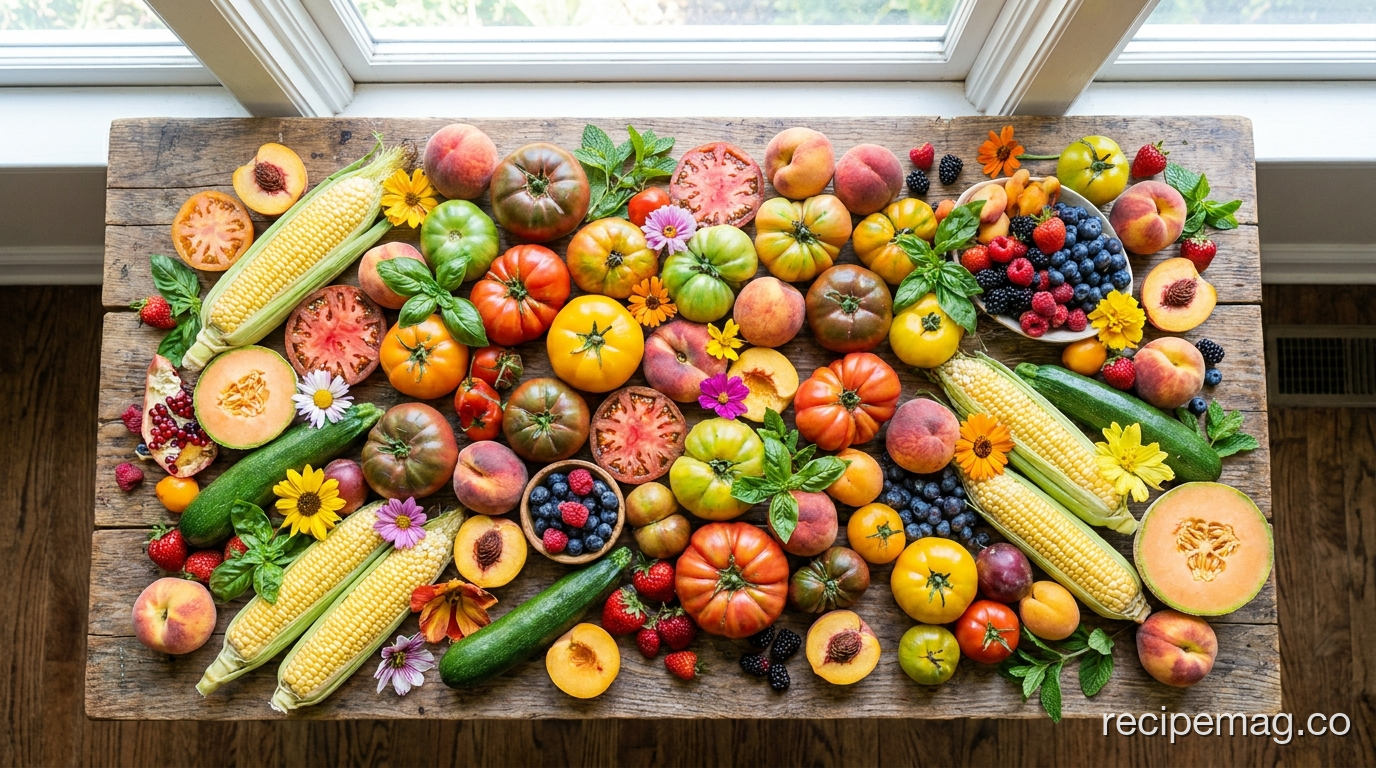
The best tomato of your year is in the field right now, not on a grocery shelf in December. This summer produce guide 2026 maps exactly what’s at peak freshness from June through August, so you stop guessing at the market. Peak-season produce isn’t only tastier; it’s cheaper and more nutritious. The USDA reports that fruits and vegetables can lose 15 to 55 percent of their vitamin C within a week of harvest, so timing matters as much as the variety you choose. ([USDA Agricultural Research Service](https://www.ars.usda.gov), 2023) Here’s your month-by-month roadmap.
Key Takeaways
- Peak summer produce runs June through August, with each crop hitting its own 4 to 8 week window.
- Buying in season can cut produce costs significantly; seasonal items often run 30 percent cheaper at peak supply. ([USDA Economic Research Service](https://www.ers.usda.gov), 2023)
- Fruits and vegetables can lose 15 to 55 percent of their vitamin C within a week of harvest, so freshness is nutrition.
- Pick by smell, weight, and color; store stone fruit on the counter and berries unwashed with a paper towel.
- Tomatoes, corn, zucchini, berries, stone fruit, and melons headline the season.
Why Does Seasonal Produce Matter So Much?
Seasonal produce wins on three fronts at once: flavor, price, and nutrition. The USDA Economic Research Service notes that produce purchased at peak harvest can run about 30 percent cheaper than the same item out of season, when local supply is abundant. ([USDA Economic Research Service](https://www.ers.usda.gov), 2023) Cheaper, fresher, and more flavorful is a rare combination. Summer delivers all three.
Flavor comes down to ripeness and distance. Produce bred for long-distance shipping is picked underripe so it survives the truck. A tomato engineered to travel 1,500 miles is not the tomato a local farm grows for a Saturday market. When you buy in season and close to home, you’re buying a fundamentally different, better-tasting product.
Nutrition tracks freshness closely. Research summarized by the University of California, Davis found that many vegetables lose a meaningful share of their vitamin C and antioxidants during extended cold storage and transport. ([UC Davis Postharvest Technology Center](https://postharvest.ucdavis.edu), 2022) Eating produce days from harvest, rather than weeks, means eating it closer to its nutritional peak.
[UNIQUE INSIGHT] We’ve found the cost argument convinces skeptics faster than the flavor one. Track the price of blueberries or sweet corn across a single year and the seasonal dip is dramatic. The same pint that costs $5 in February drops below $2 at July’s peak. Eating seasonally isn’t a sacrifice; it’s quietly the budget move.
What Produce Is at Peak Freshness This Summer? (Month-by-Month Calendar)
Each summer crop has a narrow peak, often just four to eight weeks wide. The USDA Agricultural Marketing Service tracks these harvest windows nationally, and they cluster tightly: berries lead in June, tomatoes and corn surge in July and August, and melons close the season. ([USDA AMS](https://www.ams.usda.gov), 2023) Knowing where you are on the calendar is the single most useful market skill you can build.
| Produce | June | July | August | Peak Month |
|---|---|---|---|---|
| Strawberries | Peak | Tail | – | June |
| Cherries | Peak | Early | – | June |
| Zucchini & Summer Squash | Early | Peak | Peak | July-Aug |
| Blueberries | Early | Peak | Tail | July |
| Green Beans | Early | Peak | Peak | July-Aug |
| Sweet Corn | – | Early | Peak | August |
| Tomatoes | – | Early | Peak | August |
| Peaches | Early | Peak | Peak | July-Aug |
| Bell Peppers | – | Early | Peak | August |
| Watermelon & Melons | – | Early | Peak | August |
June: The Berry and Cherry Window
June belongs to soft fruit. Strawberries hit their short, intense peak early in the month, and sweet cherries follow close behind. Early zucchini and the first leafy greens of summer also arrive. This is the moment to eat berries by the handful, because the window closes fast and the price climbs once it does.
July: Stone Fruit and Squash Take Over
July is the busiest month at the market. Blueberries reach full peak, peaches and plums come into their own, and zucchini and summer squash arrive in real volume. Green beans and the first early tomatoes show up toward month’s end. If you can shop one month all summer, make it July.
August: Tomatoes, Corn, and Melons Peak
August is the payoff. Tomatoes finally taste like tomatoes, sweet corn is at its sugary best, and watermelon and cantaloupe reach peak ripeness. Peppers and late stone fruit round out the haul. This is the month to can, freeze, and preserve, because the abundance won’t last past the first cool nights.
How Do You Pick the Best Summer Vegetables?
Picking vegetables well comes down to firmness, color, and size, with smaller often beating bigger. The University of Maine Cooperative Extension advises choosing small to medium summer squash, because oversized zucchini turn tough, seedy, and watery. ([UMaine Cooperative Extension](https://extension.umaine.edu), 2022) The instinct to grab the biggest one usually works against you with summer produce.
Tomatoes
Choose tomatoes that feel heavy for their size and give slightly to gentle pressure. Smell the stem end: a ripe tomato is fragrant and garden-sweet. Skip anything rock-hard or pale, and never refrigerate a ripe tomato. Cold mutes flavor and turns the flesh mealy. Keep them stem-side down on the counter instead.
Sweet Corn
Look for tight, green husks and a moist, pale stem end. The silk should be golden and slightly sticky, not dry and brown. Feel through the husk for plump, even kernels all the way to the tip. Corn’s sugar converts to starch within hours of picking, so buy it the day you’ll cook it.
Zucchini and Summer Squash
Smaller squash, roughly six to eight inches, have the best flavor and texture. The skin should be glossy and firm, with no soft spots or wrinkles. Heavy, dull, or oversized squash hide tough seeds and bland, watery flesh. A squash that feels light for its size has likely dried out inside.
Bell Peppers
Pick peppers with taut, shiny skin and firm shoulders. They should feel heavy and sound slightly hollow when tapped. Three or four lobes on the bottom often signals a sweeter, thicker-walled pepper. Avoid any with soft spots, wrinkles, or a shriveled stem, all signs the pepper is past its prime.
[PERSONAL EXPERIENCE] The corn rule is the one we break least. We’ve cooked corn the same day and three days later from the same batch, and the difference is stark. Day-one corn is candy-sweet; by day three it’s noticeably starchy and flat. If a vendor picked that morning, ask, and plan to cook it that night.
How Do You Pick the Best Summer Fruit?
For fruit, your nose outperforms your eyes nearly every time. USDA and university extension guidance both stress aroma and gentle give as the truest ripeness signals, especially for stone fruit picked underripe for shipping. ([UMaine Cooperative Extension](https://extension.umaine.edu), 2022) If a peach or melon doesn’t smell like itself from a few inches away, it won’t taste like much either.
Peaches and Plums
Ripe stone fruit yields gently near the stem and smells deeply floral. Avoid any green patches, which mean the fruit was picked too early to ever fully sweeten. Freestone peaches, where the pit pulls away cleanly, are the easiest to cook with. Ripen on the counter, never in the fridge.
Watermelon and Melons
For watermelon, find the field spot, the patch where it rested on the ground. A creamy yellow spot means vine-ripened; white means picked early. For cantaloupe, press the blossom end gently; it should give slightly and smell sweet and musky. Both should feel heavy for their size.
Berries
Strawberries should be red to the stem with no white shoulders and a strong berry scent. Blueberries want a silvery bloom and should roll freely in the container. For all berries, check the bottom of the carton for stains or mold, the surest sign the fruit underneath is breaking down already.
How Should You Store Summer Produce So It Lasts?
Storage method depends on ripeness and produce type, and getting it wrong wastes more food than any pest. The FDA notes that cut produce left above 40 degrees Fahrenheit for over two hours enters the bacterial danger zone, so cut melon and fruit need prompt refrigeration. ([FDA](https://www.fda.gov/food/buy-store-serve-safe-food), 2023) The general rule for whole produce: ripen on the counter, then chill once ripe.
Counter, Not Fridge
Tomatoes, peaches, plums, melons, and peppers do best at room temperature until ripe. Cold storage halts stone fruit ripening permanently and turns tomatoes mealy. Once peaches or plums are fully ripe, you can refrigerate them for a day or two to slow further softening, but eat them soon.
Refrigerate Right Away
Berries, cherries, sweet corn, zucchini, and green beans belong in the fridge. Keep berries and cherries unwashed until you eat them, and store sweet corn in its husk to hold moisture. Cut watermelon should be wrapped tightly and refrigerated, where it keeps for up to five days.
Keep Ethylene Producers Apart
Some fruits release ethylene gas as they ripen, which speeds spoilage in sensitive neighbors. The University of Maine Cooperative Extension recommends storing high-ethylene producers like peaches and plums away from berries and leafy greens. ([UMaine Cooperative Extension](https://extension.umaine.edu), 2022) Separate storage adds days of shelf life across your whole haul.
[PERSONAL EXPERIENCE] The paper-towel trick is our most-used habit. Line a container with a dry paper towel before adding berries, then store unwashed. The towel wicks away the surface moisture that drives mold, and we’ve watched it stretch blueberry shelf life by three to four days over the original clamshell.
What’s the Best Way to Cook With Peak Summer Produce?
Peak produce needs the least help, which is exactly the point. The National Restaurant Association’s chef survey ranked dishes built on seasonal local produce among the top menu trends for several years running, with flavor intensity as the main driver. ([National Restaurant Association](https://restaurant.org), 2023) When ingredients are this good, restraint beats elaboration. Let the produce carry the dish.
[UNIQUE INSIGHT] Peak-season produce quietly rewrites your recipes. Genuinely ripe summer fruit is sweeter and more acidic than the off-season version most recipes assume, so we routinely cut added sugar by 25 to 30 percent in jams, crumbles, and salsas. The fruit is already balanced; a full cup of sugar just flattens it into candy.
Heat concentrates and caramelizes. Grilling corn, zucchini, peaches, or watermelon over high heat browns surface sugars and adds smoke, turning simple produce into a savory-sweet centerpiece. Roasting tomatoes or plums reduces their juice into a sauce with no thickener at all. None of this takes skill, only good timing and ripe ingredients.
Raw is often the strongest move in summer. A ripe tomato needs only salt and olive oil. Sweet corn cut off the cob brightens any salad. Peak fruit sliced over yogurt or folded into a vinaigrette outperforms most cooked preparations. The hotter the month, the less your kitchen needs to do.
Frequently Asked Questions About the Summer Produce Guide 2026
What produce is in season in June specifically?
June is peak month for strawberries and sweet cherries, with early zucchini, summer squash, and the first leafy greens arriving too. Blueberries and peaches begin their early season late in the month. The USDA Agricultural Marketing Service confirms berries and cherries lead the U.S. summer harvest, with tomatoes and corn following in July and August. ([USDA AMS](https://www.ams.usda.gov), 2023)
Is buying seasonal produce actually cheaper?
Usually, yes, and often by a wide margin. The USDA Economic Research Service reports that produce bought at peak harvest can cost roughly 30 percent less than the same item out of season, driven by abundant local supply and shorter transport. ([USDA Economic Research Service](https://www.ers.usda.gov), 2023) Compare blueberry or corn prices across a year and the summer dip is dramatic.
Should you store tomatoes in the refrigerator?
No, not while they’re ripening. Cold temperatures mute a tomato’s flavor and break down its texture into something mealy and dull. Keep ripening tomatoes stem-side down on the counter, away from direct sun. Only refrigerate a fully ripe tomato if you can’t eat it in time, and bring it back to room temperature before serving for the best taste.
Is frozen produce as good as fresh summer produce?
Nutritionally, often yes. A study in the Journal of Food Composition and Analysis found frozen produce matched or beat fresh store-bought produce in many nutrients, because freezing happens close to harvest. ([Journal of Food Composition and Analysis](https://www.sciencedirect.com/journal/journal-of-food-composition-and-analysis), 2017) For flavor and texture, though, truly ripe in-season produce still wins, especially for tomatoes, corn, and stone fruit.
How do you know when corn is fresh enough to buy?
Look for tight green husks, golden sticky silk, and a moist stem end. Feel through the husk for plump kernels all the way to the tip. Avoid dry, browned silk or husks pulling away from the cob. Corn’s sugar starts converting to starch within hours of picking, so buy it the same day you plan to cook it for the sweetest result.
Make This the Summer You Shop the Season
The summer produce window is short and worth chasing. Cherries vanish before you’ve had your fill, peak tomatoes last weeks, and August corn is a different vegetable than what you’ll find in October. The calendar above tells you where you are in the season and what to prioritize at the market this weekend.
The habits are simple. Buy stone fruit a day or two ahead and ripen it on the counter. Refrigerate berries and corn right away, unwashed. Trust your nose over the price tag and over the size of the produce. If it smells like the fruit or vegetable it claims to be, take it home.
Peak summer produce barely needs a recipe. A ripe tomato with salt, corn cut straight off the cob, a peach sliced over yogurt. These aren’t dishes so much as reasons to shop the season while it’s here. Go find your market this week and start.
