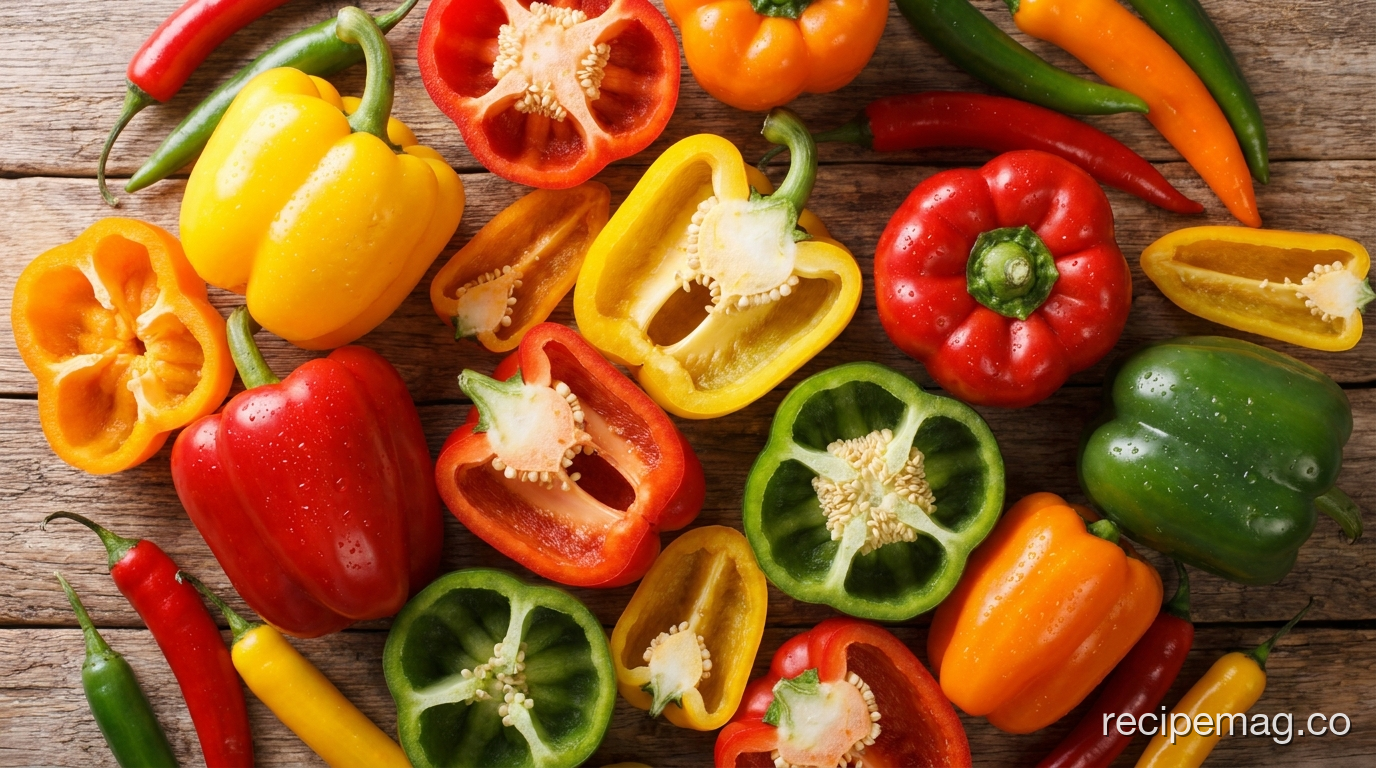
A pepper glut is the best kind of kitchen problem. One medium red bell pepper carries about 152 mg of vitamin C, roughly 169% of the daily value and more than you would get from a whole orange (USDA FoodData Central, 2023). When the plants keep producing and the crisper drawer overflows, the fix is a short list of reliable techniques. Here are nine ways to use a summer pepper surplus before a single one goes soft.
If tomatoes are the ones taking over the counter instead, see 8 Ways to Use a Glut of Summer Tomatoes.
Key Takeaways
- Bell peppers freeze well without blanching, one of the few vegetables that can (National Center for Home Food Preservation, 2023).
- Roasting and freezing is the highest-value move: it concentrates flavor and buys you months of storage.
- Quick pickles are ready in 24 hours, while hot sauce and dried flakes preserve a glut for a year or more.
- One medium red bell pepper supplies about 169% of the daily value for vitamin C (USDA FoodData Central, 2023).
- Sweet and hot peppers respond to the same methods, but handle the hot ones with gloves.
Why Do You End Up With a Pepper Glut?
Peppers are among the most generous plants in a summer garden. A single healthy pepper plant can set anywhere from 5 to 10 fruits at once, and most gardeners grow several plants, so the harvest arrives all at the same time in mid to late summer (University of Minnesota Extension, 2023). Add a good week at the farmers market, and suddenly you have far more peppers than any weeknight can absorb.
The good news is that peppers are forgiving. They take heat, cold, acid, and salt without complaint. Sweet bell peppers, banana peppers, poblanos, jalapeños, and shishitos all preserve well using the same handful of techniques. So the surplus is never wasted. It just needs a plan.
One more reason to act quickly: peppers are nutritional workhorses. Red and orange peppers, in particular, are loaded with vitamin C and beta-carotene, and both nutrients degrade the longer the fruit sits. Preserving at peak ripeness locks in the most flavor and the most nutrition.
The 9 Best Ways to Use a Glut of Summer Peppers
Each method below solves a different storage problem. Some are ready tonight, others fill your freezer or pantry for winter. Pick two or three that match how you actually cook, and the glut disappears fast.
1. Roast and Freeze Them
This is the single highest-value move for a big surplus. Halve and seed the peppers, then broil or grill them skin-side up until the skins blister black. Steam them in a covered bowl for ten minutes, slip off the skins, and you have silky roasted peppers. Charring drives the Maillard reaction that deepens flavor far beyond the raw fruit (Serious Eats, 2022). Pack them in oil for the fridge, or freeze them flat in bags for up to six months.
2. Make a Batch of Quick Pickled Peppers
Quick pickles turn a glut into a bright, tangy condiment in about a day. Slice the peppers into rings, pack them into jars, and pour over a hot brine of equal parts vinegar and water with salt and sugar. For safe home pickling, use vinegar with at least 5% acidity, the standard the USDA recommends for its tested recipes (National Center for Home Food Preservation, 2023). Refrigerator pickles keep for about a month and land on everything from tacos to sandwiches.
3. Simmer a Pot of Homemade Hot Sauce
Got a glut of hot peppers instead of sweet? Turn them into sauce. Simmer chopped chilies with garlic, vinegar, and salt, then blend until smooth. The heat comes from capsaicin, the compound measured on the Scoville scale that gives peppers their kick and their well-documented metabolism-nudging effects (Chile Pepper Institute, New Mexico State University, 2022). Wear gloves. A single batch of hot sauce keeps in the fridge for months and uses up peppers by the dozen.
4. Stuff and Bake Them
Whole bell peppers are natural little bowls. Hollow them out, fill them with rice, herbs, beans, or ground meat, and bake until tender. It is one of the most satisfying ways to eat several peppers in a single meal, and the filling stretches the harvest even further. Stuffed peppers also reheat beautifully, so they double as next-day lunch.
5. Blend a Batch of Romesco Sauce
Romesco is a Spanish sauce built on roasted red peppers, toasted almonds, garlic, and a splash of vinegar. Blend it smooth and it becomes a versatile partner for grilled vegetables, fish, chicken, or crusty bread. It comes together in ten minutes once your peppers are roasted, and it freezes well in small portions. If you already roasted a big tray for method one, romesco is the obvious next step.
6. Build a Pepper-Loaded Shakshuka
Shakshuka poaches eggs in a spiced tomato and pepper sauce, and it happily absorbs a lot of chopped peppers. Sauté onions and sliced peppers until soft, add tomatoes and smoked paprika, then crack eggs into the simmering sauce. It works for breakfast, lunch, or a fast dinner, and a single skillet uses up three or four peppers without anyone noticing they are eating a surplus.
7. Char Them for Fajitas and Stir-Fries
High, fast heat is a pepper glut’s best friend on a busy night. Slice peppers into strips and sear them hard in a screaming-hot skillet or wok with onions. The edges blacken, the centers stay crisp-tender, and the whole thing is done in minutes. Pile them into fajitas, fold them through fried rice, or spoon them over noodles. This is the fastest way to eat peppers by the panful.
8. Dry Them into Flakes and Powder
Drying is the ultimate long-term fix, and it shrinks a mountain of peppers into a jar. Thin-slice the peppers and dehydrate them at 125 to 135°F until brittle, then grind them into flakes or powder (Penn State Extension, 2023). Sweet red peppers become homemade paprika. Hot peppers become chili flakes. Stored airtight in a dark cupboard, dried peppers hold their color and heat for a year.
9. Cook a Roasted Red Pepper Soup or Gazpacho
Peppers make a gorgeous soup, hot or cold. Blend roasted red peppers with tomatoes, garlic, and stock, then warm it through for a velvety bowl. Or, for the hottest days, skip the heat entirely and blend raw peppers, cucumbers, and tomatoes into a chilled gazpacho. Both freeze well, so a summer glut becomes a comforting lunch in November. A drizzle of good olive oil finishes either version.
How Do You Store a Pepper Surplus?
Smart storage buys you time to work through the list above. Fresh whole peppers last one to two weeks in the crisper drawer, stored dry and unwashed. For longer keeping, the freezer is your ally: bell peppers are one of the rare vegetables you can freeze raw, no blanching required, because their low starch content resists mushiness (National Center for Home Food Preservation, 2023). Slice, spread on a tray to freeze solid, then bag.
Quick Storage Rules
- Fridge: Store whole peppers dry and unwashed in the crisper for 1 to 2 weeks. Wash only before use.
- Freezer (raw): Slice, tray-freeze, then bag. Raw sliced peppers keep for about 6 months and go straight into cooked dishes.
- Freezer (roasted): Peel, then freeze flat in oil or plain for 6 months. Best texture of any storage method.
- Pantry (dried): Fully dried flakes and powder last about a year in an airtight jar away from light.
Sweet vs. Hot Peppers: Should You Treat Them Differently?
The methods overlap almost completely, but the handling differs. Sweet peppers, bells, banana peppers, and shishitos, need no special caution and roast, pickle, freeze, and stuff exactly as described. Hot peppers use the same techniques but demand respect. Capsaicin sits in the white pith and seeds, and it transfers to skin and eyes with ease (Chile Pepper Institute, New Mexico State University, 2022). Wear gloves, work in a ventilated kitchen, and keep your hands away from your face.
One practical tip from years of putting up peppers: label everything with the variety and the date. A frozen bag of poblano strips looks a lot like a bag of jalapeños once the color fades, and the difference matters at dinner. A quick marker note saves a lot of surprise heat in January.
Frequently Asked Questions About Summer Pepper Recipes
Can you freeze bell peppers without blanching?
Yes, and this is one of their best features. Bell peppers are among the few vegetables the National Center for Home Food Preservation clears for raw freezing, because their low starch content keeps them from turning mushy (NCHFP, 2023). Just slice, freeze on a tray, and bag. They lose some crispness, so use frozen peppers in cooked dishes like stir-fries, soups, and sauces rather than raw salads.
How long do quick pickled peppers last?
Refrigerator pickled peppers keep for about a month in a sealed jar. The brine needs vinegar with at least 5% acidity to stay safe, the standard the USDA uses in its tested recipes (National Center for Home Food Preservation, 2023). These are quick pickles, not shelf-stable canned goods, so keep them refrigerated the whole time. For pantry storage, you would need a tested water-bath canning recipe instead.
Which peppers are best for making hot sauce?
It depends on the heat you want. Jalapeños and serranos make a bright, medium sauce, while habaneros and Thai chilies push it much hotter. Mixing sweet red peppers with a few hot ones gives body and color without scorching heat. Whatever you choose, wear gloves: capsaicin transfers easily to skin and eyes (Chile Pepper Institute, 2022). Vinegar and salt do the preserving, so keep both in the recipe.
Do peppers lose nutrients when cooked?
Some, but not as many as people fear. Vitamin C is heat-sensitive and drops with long cooking, yet quick roasting or a fast sear preserves plenty of it. Cooking actually makes other nutrients, like beta-carotene, easier for your body to absorb. Since one medium red pepper starts with about 169% of the daily value for vitamin C (USDA FoodData Central, 2023), even a cooked pepper delivers a solid dose.
What is the fastest way to use a lot of peppers at once?
A hard sear is the quickest. Slice peppers into strips and cook them fast in a very hot skillet or wok with onions until the edges char. One large pan easily uses four or five peppers in under ten minutes, ready for fajitas, fried rice, or noodles. If you have even more, roast two full trays under the broiler at once, then freeze what you do not eat.
Put Your Pepper Glut to Work This Week
A summer pepper surplus is a gift, not a burden. The trick is matching the method to your week. Roast and freeze a tray on Sunday, pickle a jar for the fridge, and sear a fast skillet on the nights you are short on time. Three moves, and the crisper drawer is under control.
Start with the roast-and-freeze method if you only do one. It concentrates the most flavor, stores the longest, and feeds straight into romesco, soup, and sauces down the line. From there, let the rest of the list follow your cravings.
Peppers reward the cook who plans ahead. Put a little effort in now, at peak season, and you will be pulling summer flavor out of the freezer long after the plants have given up for the year.
