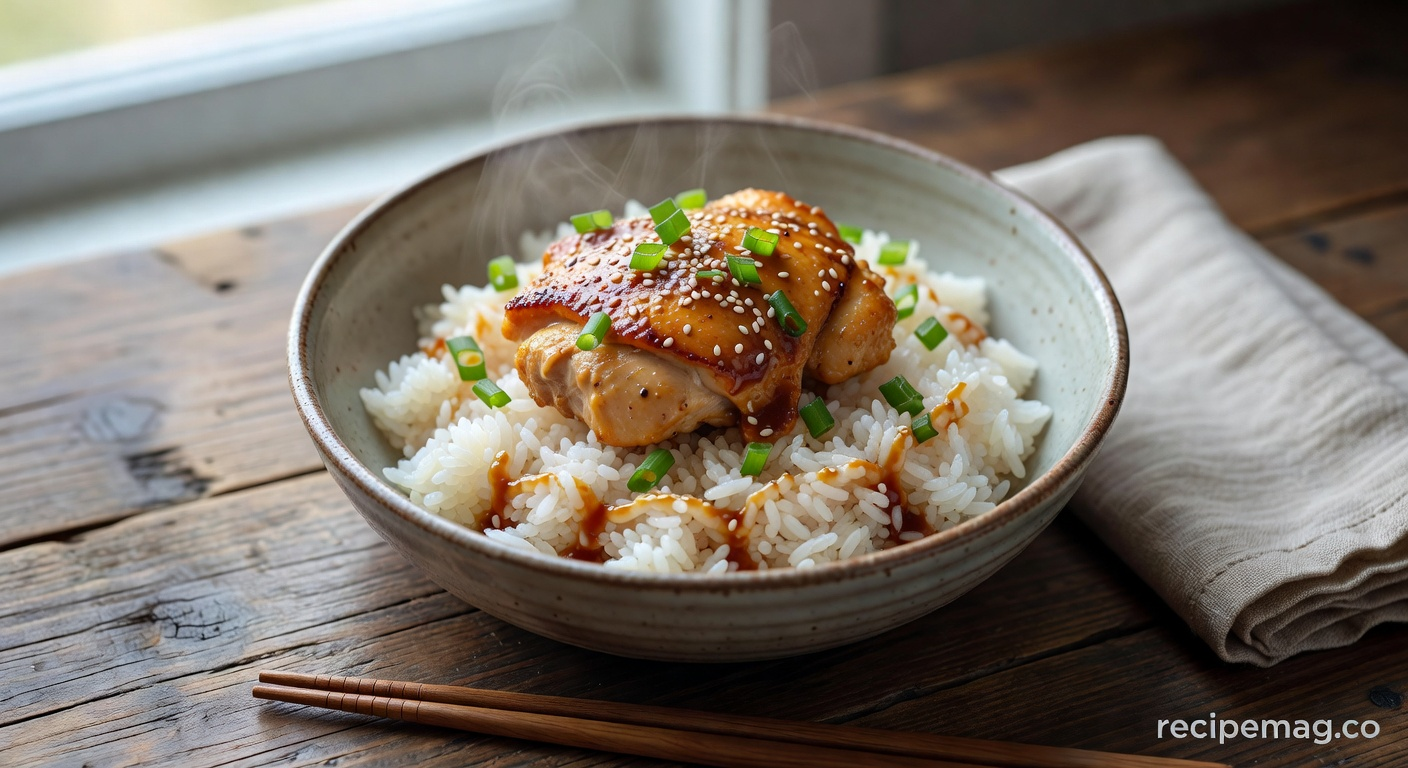
Finding a dinner that is both deeply comforting and surprisingly simple can feel like a culinary victory. When the evening rush hits, most of us just want a hot, satisfying meal without spending hours standing over a stove. That is exactly where this incredible miso chicken and rice recipe saves the day. It combines crispy, savory protein with perfectly fluffy grains to create a deeply satisfying plate that feels gourmet.
If you love umami-packed Japanese-inspired dishes, this recipe will quickly become a staple in your household rotation. The rich, salty-sweet glaze caramelizes beautifully in the pan, coating every single bite with unforgettable flavor. Plus, you can easily add this to your list of quick weeknight dinners for busy evenings when time is short. It requires minimal prep work, cooks in a single pan, and delivers maximum satisfaction.
Keep reading to discover how a simple spoonful of fermented bean paste can transform your standard poultry dinner into a restaurant-quality feast. You will learn the best techniques for achieving a flawless pan-sear and perfectly cooked grains. By the end of this guide, you will have all the knowledge needed to master this mouthwatering staple.
Why You Will Love This Savory Dish
The Magic of Umami Flavors
The secret weapon in this recipe is undoubtedly the magical power of umami. Known scientifically as the fifth basic taste, umami provides a deep, complex savoriness that completely transforms ordinary ingredients. Miso hits those distinct savory notes on your palate that make a dish feel hearty, earthy, and complete. When combined with soy sauce and toasted sesame oil, the flavor profile becomes completely irresistible.
Unlike heavy cream-based sauces, this glaze delivers massive flavor without feeling overly rich or greasy. The natural fermentation process of the soybeans creates unique amino acids that naturally enhance the taste of the meat. Every mouthful of this miso chicken and rice offers a perfect balance of salty, sweet, and savory notes. You will find yourself craving this specific flavor combination long after the dinner plates are cleared.
Furthermore, umami has a wonderful lingering quality that makes food taste incredibly fulfilling. It elevates the natural juices of the poultry, creating a pan sauce that is practically drinkable. This depth of flavor is exactly why Japanese cuisine is celebrated globally for its subtle yet powerful culinary techniques.
Perfect for Meal Prep Routines
Busy professionals and active parents know the immense value of a reliable meal prep recipe. This dish holds up incredibly well in the refrigerator, making it an ideal candidate for your weekend cooking sessions. The chicken actually continues to absorb the savory flavors as it sits. This means your Tuesday afternoon lunch might actually taste even better than your Monday night dinner.
You can easily portion the sliced protein and fluffy grains into separate airtight glass containers for easy grab-and-go meals. If you are looking to streamline your cooking habits, this is a phenomenal addition to any 7-day weight loss meal prep routine. The balanced macronutrients keep you full and energized without causing a sluggish mid-afternoon crash.
When it is time to eat, simply pop your container in the microwave with a damp paper towel over the top. The steam will rehydrate the grains and warm the meat without drying it out. You get a hot, nutritious, homemade meal in mere minutes, completely eliminating the temptation to order expensive takeout.
Budget-Friendly and Accessible Ingredients
Cooking spectacular meals at home does not require expensive trips to high-end specialty grocery stores. The core components of this recipe are highly affordable and accessible at almost any local neighborhood supermarket. A single tub of fermented bean paste might cost a few dollars, but it lasts for months in the refrigerator. That one tub can season dozens of future meals, making it a highly cost-effective pantry staple.
Chicken thighs and bulk bags of rice are famously economical staples that stretch your grocery budget much further. By focusing on flavor-enhancing pantry ingredients, you can keep your weekly food costs surprisingly low. In fact, this meal perfectly aligns with strategies found in a sustainable budget-friendly weekly meal plan. You get maximum culinary satisfaction for a fraction of what you would pay at a local restaurant.
Essential Ingredients for the Perfect Glaze
Choosing the Right Miso Paste
Navigating the different types of fermented bean paste can be slightly intimidating for beginners browsing the international aisle. For this specific recipe, white miso (often labeled as shiro miso) is highly recommended. It possesses a mild, slightly sweet flavor because it is fermented for a much shorter period of time. This delicate balance prevents the pungent marinade from overpowering the natural taste of the poultry.
If you only have red miso on hand, you can certainly still use it, but you will need to adjust the quantities. Red miso is fermented longer, making it much stronger, darker, and significantly saltier. Consider cutting the amount by a third and adding a pinch of brown sugar to balance the intense saltiness. Yellow miso is another excellent middle-ground option that works beautifully in savory pan glazes.
Ultimately, the quality of your fermented paste will dictate the success of your final dish. Look for brands that contain simple, recognizable ingredients: water, soybeans, rice or barley, and salt. Avoid pastes that are loaded with artificial preservatives, MSG, or excessive amounts of added corn syrup.
Selecting Quality Chicken Cuts
The culinary debate between light and dark meat is easily settled when preparing this particular skillet dish. Boneless, skinless chicken thighs are the absolute best choice for achieving a juicy, foolproof result. Dark meat contains a slightly higher fat content, which acts as a protective barrier against high heat. This prevents the meat from drying out under the intense temperature of a hot skillet or broiler.
The rich, inherent flavor of the dark meat pairs flawlessly with the robust umami profile of the glaze. However, chicken breasts can certainly be used if you prefer a leaner source of protein for your diet. If you choose to use breasts, consider pounding them to a uniform thickness before applying the marinade. This crucial step ensures they cook evenly and remain pleasantly tender throughout the searing process.
Leaving the skin on your poultry can also provide a delightfully crispy textural element to the final plate. The skin crisps up beautifully in a hot pan, rendering its fat and adding extra flavor to the skillet. Keep in mind that leaving the skin intact will naturally increase the overall calorie and fat count of the meal.
The Best Rice Varieties to Use
A great bowl of miso chicken and rice relies heavily on the quality of the grains served underneath the protein. Short-grain Japanese sushi rice is the traditional and most authentic choice for this style of cooking. It offers a delightfully sticky texture that clumps together perfectly, making it incredibly easy to eat with chopsticks. Most importantly, these sticky grains absorb the dripping savory juices from the meat beautifully.
If traditional short-grain is unavailable at your local store, jasmine rice is a fantastic aromatic alternative. It brings a subtle, almost floral note to the meal that contrasts nicely with the earthy glaze. Basmati can work in an absolute pinch, but its dry, separate grains do not absorb sauces quite as well as stickier varieties.
Whatever grain variety you ultimately choose to serve, be sure to rinse it thoroughly under cold running water before cooking. This essential step removes excess surface starch that causes the grains to become excessively gummy. Continue rinsing until the water runs completely clear for the fluffiest, most perfect side dish.
Step-by-Step Cooking Process
Preparing the Savory Marinade
Creating a balanced marinade is the most crucial step in building complex flavor for this recipe. In a medium-sized mixing bowl, briskly whisk together your white miso paste, low-sodium soy sauce, freshly grated ginger, and minced garlic. Adding a splash of mirin—a sweet Japanese cooking wine—balances the highly salty elements with a subtle, refined sweetness. A dash of unseasoned rice vinegar introduces just enough acidity to brighten the entire mixture.
Whisk everything vigorously until the thick paste is completely dissolved and the liquid mixture is entirely smooth. Once your marinade is ready, generously coat your poultry pieces, ensuring every single crevice is covered in the sauce. Do not rush this step; massaging the marinade into the meat guarantees flavor in every bite.
For optimal flavor development, let the meat rest securely in the refrigerator for at least thirty minutes. If you have the time to plan ahead, leaving it to marinate overnight will yield profoundly deep, restaurant-quality flavors. The active enzymes present in the fermented bean paste will actually help tenderize the muscle fibers while it rests in the fridge.
Searing the Chicken Perfectly
Achieving a gorgeous, deeply caramelized crust requires the right type of pan and precise temperature control. A well-seasoned cast-iron skillet or a heavy-bottomed stainless steel pan is ideal for this specific job. Heat a high-smoke-point neutral cooking oil, like canola or avocado oil, over medium-high heat until it visibly shimmers. The high sugar content naturally present in the marinade means it can burn quickly, so careful heat management is vital.
Place the thighs gently into the hot skillet, smooth side down, and let them sear undisturbed for about five to six minutes. You are looking for a deep, golden-brown char that signifies the magical Maillard reaction has successfully occurred. This chemical reaction between amino acids and reducing sugars is what creates that highly desirable, savory crust.
Flip the pieces carefully using tongs, and immediately reduce the stovetop heat to medium-low. Allow the meat to cook through entirely without blackening the outside further. A reliable digital meat thermometer should register an internal temperature of exactly 165 degrees Fahrenheit when the poultry is safe to eat.
Cooking Fluffy Grains
While your savory protein is either marinating or searing on the stove, you can focus on preparing the perfect bed of grains. Using a dedicated countertop rice cooker is the absolute easiest way to guarantee consistently fluffy results every single time. Simply add your freshly rinsed grains and the appropriate ratio of water, press the start button, and walk away.
If you are cooking traditionally on the stovetop, use a heavy-bottomed pot with a tight-fitting glass lid to trap the escaping steam. Bring the water to a rapid boil, then immediately drop the heat to the lowest possible burner setting. Let the pot simmer completely undisturbed for about eighteen minutes. Resist the overwhelming urge to peek under the lid, as this releases the trapped steam necessary for cooking.
Once all the water is fully absorbed, remove the covered pot from the heat source and let it rest for ten full minutes. This crucial resting period allows the internal moisture to redistribute evenly throughout the pot. Finally, fluff the grains gently with a wooden spoon or fork, ensuring perfectly tender grains for your miso chicken and rice.
Serving Suggestions and Pairings
Fresh Vegetable Sides
To turn this delicious protein and carb duo into a nutritionally complete, balanced meal, you will want to add some vibrant green vegetables. Steamed baby bok choy drizzled with a touch of toasted sesame oil is a classic, effortless pairing. The slight, pleasant bitterness of the leafy greens cuts right through the rich, salty glaze of the main dish perfectly.
Roasted broccoli florets or grilled asparagus spears are also excellent choices that add a much-needed textural crunch to the plate. If you are planning to serve this during the warmer growing months, take inspiration from fresh, seasonal produce. You can explore easy spring vegetable recipes by tossing some fresh, crisp snap peas straight into the hot skillet. Simply add them during the final two minutes of cooking to blister them slightly.
Steamed edamame pods lightly sprinkled with coarse flaky sea salt also make a fantastic appetizer or complementary side dish. The ultimate goal is to introduce bright, fresh flavors that complement rather than compete with the umami-heavy main course. Fresh vegetables provide visual contrast and essential dietary fiber to round out your dinner.
Garnishes that Elevate the Dish
Never underestimate the transformative power of a good garnish to elevate a standard homemade meal to restaurant-level status. Thinly sliced fresh scallions (green onions) are absolutely mandatory for this recipe. They provide a sharp, peppery, fresh bite that instantly brightens the entire flavor profile of the plate.
Toasted white or black sesame seeds add a delicate, earthy nutty flavor alongside a beautiful visual contrast. A quick sprinkle of these tiny seeds instantly makes the bowl look professionally plated and appetizing. For those who enjoy a bit of heat, a light dusting of shichimi togarashi (a traditional Japanese seven-spice blend) works wonders.
You could also offer a small, fresh wedge of lemon or lime on the side of each serving bowl. A quick squeeze of fresh citrus juice right before eating adds a bright acidity that wakes up the deeply savory flavors. These simple, inexpensive finishing touches take your miso chicken and rice from consistently good to truly extraordinary.
Miso Glaze vs Teriyaki Sauce
Many home cooks frequently confuse various Japanese-inspired pan glazes, particularly when it comes to quick weeknight poultry dishes. While both are undeniably delicious and popular worldwide, they rely on completely different foundational flavor profiles. Understanding these fundamental differences will help you confidently choose the right recipe for your specific dinner cravings.
Teriyaki leans heavily into sweet and sticky territory, utilizing larger amounts of refined sugar or honey. In contrast, miso provides an earthy, complex depth that feels significantly more savory. Here is a detailed breakdown of how these two highly popular styles compare in the home kitchen.
| Feature | Miso Glaze | Teriyaki Sauce |
|---|---|---|
| Primary Base Ingredient | Fermented soybean paste | Soy sauce combined with sugar or honey |
| Overall Flavor Profile | Deeply savory, earthy, complex umami, slightly salty | Distinctly sweet, salty, glossy, and highly caramelized |
| Visual Texture | Thick, slightly creamy, with a rich textured paste finish | Thin initially, reducing to a syrupy, sticky, smooth coating |
| Sugar Content | Generally low (relies mostly on mirin for mild sweetness) | High (requires added white or brown sugar to thicken properly) |
| Best Cooking Method | Best baked, broiled, or carefully pan-seared over medium heat | Often boiled down to a thick reduction or tossed in stir-fries |
Pro Tips for Restaurant-Quality Results
Elevating your daily home cooking often comes down to mastering a few small, critical details in the kitchen. These expert culinary tips will ensure your savory meal turns out flawlessly cooked every single time. Keep these essential guidelines in mind when you step up to the stove to prepare this magnificent dish.
- Pat the meat entirely dry: Always use clean paper towels to dry your raw poultry thoroughly before applying the wet marinade. Removing surface moisture helps the paste adhere significantly better and promotes a much crispier sear in the pan.
- Watch the pan heat carefully: Because fermented bean paste contains natural sugars and is often paired with sweet mirin, it burns incredibly fast. Keep your heavy skillet strictly at a medium heat and do not walk away while searing the meat.
- Reserve some raw marinade: Set aside a single tablespoon of the clean, raw marinade before adding it to the raw poultry. You can easily mix this reserved portion with a little warm water to create a quick, flavorful finishing sauce to drizzle over the final bowl.
- Let the cooked meat rest: Just like a premium cut of steak, chicken drastically needs to rest after cooking. Wait at least five full minutes before slicing to ensure the hot, savory juices redistribute properly throughout the meat fibers.
- Thin the thick paste first: Straight from the tub, this paste can be incredibly thick and stubborn to mix evenly. Use a small whisk and a quick splash of warm water or rice vinegar to smooth it out completely before adding the other liquid ingredients.
Frequently Asked Questions about miso chicken and rice
Can I use chicken breasts instead of thighs?
Yes, you can easily substitute boneless, skinless breasts for thighs if you prefer leaner cuts in this recipe. However, because breasts contain much less fat, they can dry out remarkably fast if overcooked. Be sure to pound them to an even thickness and monitor the internal temperature closely with a meat thermometer.
What type of miso paste works best?
White miso (shiro miso) is definitely the preferred and most popular choice for this specific dish. It has a milder, sweeter flavor profile that will not aggressively overpower the delicate taste of the poultry. Red miso is much stronger and saltier, so use it very sparingly if it is your only available option.
How long should I marinate the meat?
For the absolute best culinary results, aim for at least 30 minutes to allow the complex flavors to penetrate the meat. If you are preparing dinner ahead of time, marinating overnight in the refrigerator is highly recommended. The natural active enzymes in the paste will also help tenderize the meat beautifully as it sits.
Can I freeze miso chicken and rice?
While you can certainly freeze the cooked poultry, freezing cooked grains often alters their delicate texture, making them slightly mushy upon thawing. It is best to freeze the cooked, glazed meat entirely separately in an airtight container for up to three months. When you are ready to eat, simply thaw the meat and serve it hot over a fresh batch of grains.
Is miso paste gluten-free?
Most traditional white and red varieties are made strictly from fermented soybeans and rice, making them naturally gluten-free. However, some specific regional varieties (like mugi miso) are fermented using barley, which actively contains gluten. Always double-check the ingredient label on your specific brand if you have a severe gluten sensitivity or celiac disease.
What can I substitute for mirin?
If you do not have a bottle of mirin in your pantry, you can easily create a simple substitute using common ingredients. Mix a single tablespoon of dry sherry or dry white wine with a half-teaspoon of regular white sugar. Alternatively, a quick splash of unseasoned rice vinegar mixed with a tiny bit of honey also works incredibly well.
How do I prevent the glaze from burning?
The high natural sugar content in the marinade makes it highly susceptible to burning quickly in a hot skillet. To prevent bitter, burnt flavors, cook the meat slowly over medium or medium-low heat rather than blasting it on high heat. If the pan starts smoking heavily, immediately lower the temperature and add a tiny splash of water to cool the surface.
How long do leftovers last in the fridge?
When stored properly in a sealed, airtight glass or plastic container, leftovers will remain remarkably fresh in the refrigerator for three to four days. To reheat successfully, sprinkle a few drops of clean water over the grains to create steam before microwaving. This simple trick prevents the entire meal from drying out during the rapid reheating process.
Final Thoughts on This Savory Dish
Mastering this deeply comforting bowl of miso chicken and rice is a complete game-changer for your weekly dinner routine. The incredibly complex umami flavors taste like they took multiple hours to carefully develop, yet the entire dish comes together with minimal active effort. By utilizing simple, highly affordable ingredients like fermented bean paste and standard poultry cuts, you can consistently deliver a high-end, restaurant-quality experience right at your own dining table. It perfectly balances savory, sweet, and earthy flavor notes in a spectacular way that will undoubtedly leave your family eagerly asking for second helpings.
Whether you are desperately looking for a highly reliable weekly meal prep option or just need a quick, foolproof dinner to save your chaotic Tuesday night, this recipe delivers flawlessly on all fronts. Do not be afraid to experiment boldly with different seasonal vegetable sides or fun, crunchy garnishes to make the dish entirely your own. If you loved the robust, deeply savory profile of this recipe, be sure to bookmark this page and browse our other fantastic weeknight meal solutions. Grab your favorite heavy skillet, pick up some fresh white miso on your next grocery run, and get ready to thoroughly enjoy your brand new favorite homemade dinner!
