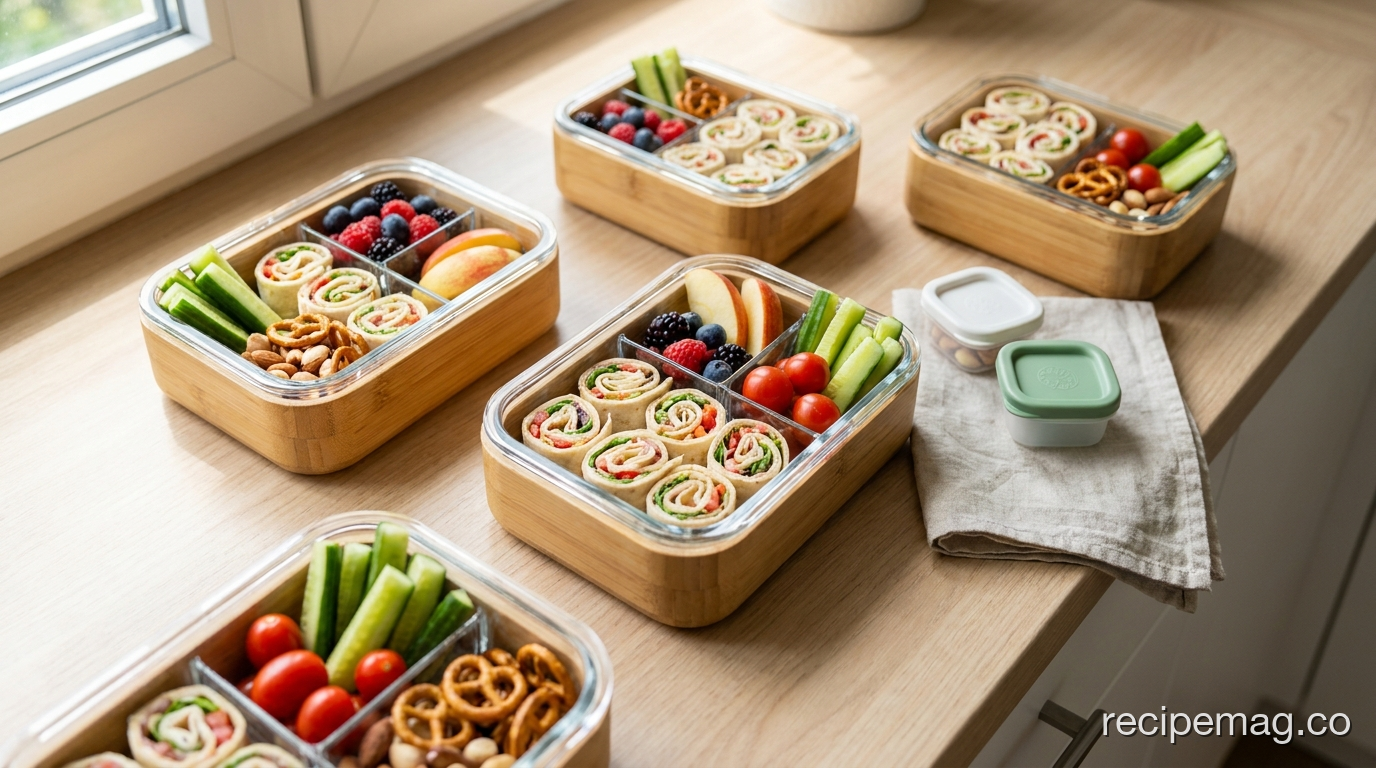
Make-ahead lunches are the single best fix for the 7:30 a.m. scramble, because a lunch you build on Sunday is a lunch you never build again. That matters for safety, too: a study of 705 packed preschool lunches found more than 90% were sitting at unsafe temperatures by mealtime (Pediatrics, UT Health Science Center, 2011). The 20 ideas below prep ahead, pack cold, and hold their texture until the bell rings.
Key Takeaways
- Prepping lunches ahead turns a stressful morning task into a five-minute grab-and-go.
- Perishable food left above 40°F for more than two hours enters the bacterial danger zone, so pack at least two ice packs. ([FDA](https://www.fda.gov/food/buy-store-serve-safe-food), 2023)
- These 20 lunches span wraps, bento boxes, jar salads, thermos meals, and no-cook protein boxes.
- Keep wet and dry components separate to stop sogginess before it starts.
- One hour of Sunday prep can cover a full school week for the whole family.
Why Do Make-Ahead Lunches Make Back to School Easier?
Make-ahead lunches work because they move the effort to a calmer moment. A 2023 survey found that 58% of Americans batch-cook at least one meal each week specifically to save weekday time (International Food Information Council, 2023). Doing that on a Sunday afternoon, when nobody is rushing to the bus, means mornings become assembly, not cooking.
There’s a nutrition payoff, too. When you plan ahead, you pack protein, fruit, and something crunchy on purpose instead of grabbing whatever’s fast. In our experience, the fridge full of ready components is what actually gets vegetables into a lunchbox. A hurried parent reaches for chips. A prepped parent reaches for the cut carrots already sitting in a container.
Cost drops as well. Buying deli meat, cheese, and produce in bulk and portioning it yourself runs cheaper than single-serve pouches. You control the sugar, the salt, and the plastic. That adds up fast across 180 school days.
How Do You Keep a Packed Lunch Safe Until Noon?
Cold packs are not optional. The FDA warns that perishable food held above 40°F for more than two hours enters the danger zone where bacteria multiply quickly (FDA, 2023). An insulated lunch bag with two ice packs, one on top and one on the bottom, keeps sandwiches and dairy safe from breakfast until lunch.
Simple rules that keep food safe
- Pack it cold. Chill lunches overnight so they start the day at fridge temperature, not room temperature.
- Use two cold sources. The USDA recommends more than one ice pack for a fuller box, plus a frozen water bottle or juice that thaws by noon (USDA FSIS, 2023).
- Go insulated. A soft insulated bag holds cold far better than a paper sack.
- Keep hot food hot. For thermos meals, food needs to stay above 140°F, so preheat the thermos first.
Make-Ahead Sandwiches and Wraps (1 to 5)
Wraps and roll-ups are the workhorses of a packed lunch. They travel well, slice into fun shapes, and most freeze beautifully. The trick is a moisture barrier: spread cream cheese, hummus, or mustard edge to edge so it seals the bread against wet fillings.
1. Turkey Pesto Pinwheels
Roll a tortilla with pesto cream cheese, deli turkey, and baby spinach, then slice into spirals. They prep the night before and stay tidy in a container. Pinwheels are the number-one lunchbox request in our house, and they take under 15 minutes.
2. Baked Ham and Cheese Sliders
Sweet Hawaiian rolls layered with ham and Swiss, baked with a butter glaze, then cooled and wrapped. Make a full tray Sunday and freeze in pairs. They thaw in the lunch bag by noon and taste like a treat.
3. Sunbutter and Banana Roll-Ups
A nut-free classic for schools with allergy rules. Spread sunflower-seed butter on a soft tortilla, add banana slices and a drizzle of honey, then roll and slice. The wrap holds the banana in place so it never browns into mush.
4. Chicken Caesar Wraps
Shredded rotisserie chicken, romaine, and parmesan in a wrap, with the dressing packed in a tiny separate container. Dress it at the table and the greens stay crisp. This one turns a leftover chicken into three days of lunches.
5. Hummus and Veggie Pita Pockets
Whole-wheat pita halves stuffed with hummus, shredded carrot, cucumber, and cherry tomatoes. The hummus acts as glue and moisture barrier at once. Fully vegetarian, fiber-rich, and sturdy enough to survive a backpack.
Bento Boxes and Snack Plates (6 to 10)
Bento-style boxes win over picky eaters because nothing touches. A divided container lets you mix protein, fruit, and a crunchy element without any single item going soggy. These come together in minutes from prepped parts.
6. Build-Your-Own Cracker Stackers
Whole-grain crackers, sliced cheddar, and rounds of deli turkey in three compartments. It’s the homemade version of a store-bought lunch kit, with less sodium and no mystery ingredients. Kids assemble each bite themselves.
7. Protein Power Bento
Hard-boiled eggs, cheese cubes, grapes, and a few pretzels. Boil a dozen eggs on Sunday and this box takes 90 seconds to fill. Eggs deliver about 6 grams of complete protein each to keep afternoon energy steady (USDA FoodData Central, 2023).
8. Cheese and Fruit Snack Plate
Sliced apple, cubed cheese, and a handful of whole-grain crackers. Toss the apple in a splash of lemon juice to stop browning. Light, fast, and endlessly swappable with whatever fruit is in season.
9. Bagel and Cream Cheese Bento
A mini bagel, a small tub of cream cheese, and berries on the side. Pack the bagel pre-sliced but keep the cream cheese separate so the bread never turns gummy. Add cucumber coins for crunch.
10. Pinwheel and Veggie Combo Box
Leftover pinwheels from idea one, plus ranch and cut vegetables. Two components you already prepped become a brand-new lunch. This is how make-ahead cooking quietly doubles your output.
Mason Jar and Container Salads (11 to 14)
Layered jars keep salads crisp for days because the dressing sits safely at the bottom, away from the greens. According to USDA guidance, sealed cooked grains and cut vegetables held at 40°F stay fresh for three to four days, which is exactly a school week’s worth (USDA FSIS, 2023). Build four jars at once.
11. Mason Jar Pasta Salad
Cooked rotini, cherry tomatoes, mozzarella pearls, and Italian dressing. Pasta salad actually improves after a day as the flavors settle. Make a big batch Sunday and portion it straight into jars or containers.
12. Cobb Salad Jar
Dressing on the bottom, then chicken, egg, tomato, and greens on top. Shake it into a bowl at lunch and everything coats evenly. The layering keeps lettuce from wilting for up to four days.
13. Chickpea and Cucumber Salad
Chickpeas, diced cucumber, feta, and lemon dressing. No leaves means nothing wilts, so it holds for the whole week. High in plant protein and genuinely better cold on day three.
14. Overnight Noodle Jar
Cooked soba or ramen noodles, shredded carrot, edamame, and a sesame soy dressing. Assemble the night before and the noodles soak up the sauce. Served cold, no reheating required.
Hot Thermos Lunches (15 to 17)
A good thermos turns last night’s dinner into today’s hot lunch. The key is heat retention: the USDA recommends filling the thermos with boiling water for a few minutes first, then draining and adding food heated above 140°F so it stays safely hot until noon (USDA FSIS, 2023). Preheating is the whole secret.
15. Thermos Mac and Cheese
Creamy stovetop mac reheated and packed hot. Add a splash of milk before sealing so it stays saucy instead of drying out. A warm, comforting lunch that reheats from leftovers in minutes.
16. Thermos Taco Pasta
A scoop of one-pot taco pasta goes straight from the fridge to a hot thermos. It’s saucy, cheesy, and holds heat well, which makes it ideal thermos food. Make it for dinner, pack the leftovers.
17. Thermos Tomato or Chicken Noodle Soup
Soup is the easiest thermos lunch there is. Heat until steaming, pour into a preheated thermos, and pack crackers on the side. A cup of soup plus a roll makes a warm, filling cold-weather lunch.
No-Cook Protein Boxes and Leftover Lunches (18 to 20)
Some of the best make-ahead lunches involve zero cooking at all. Meal planning is linked to better eating overall: a 2017 study found that people who plan meals ate a more varied diet and were less likely to be obese (International Journal of Behavioral Nutrition and Physical Activity, 2017). These three lean on smart assembly and leftovers.
18. Breakfast-for-Lunch Box
A yogurt parfait cup, a homemade muffin, and fresh fruit. Kids love breakfast food at midday, and Greek yogurt brings the protein. Layer the granola separately so it stays crunchy until the lid comes off.
19. Leftover Grain Bowl
Last night’s rice, roasted veggies, and a protein, packed cold or thermos-hot. Cooking a little extra at dinner is the laziest, most effective lunch prep there is. One pan feeds two meals.
20. Egg Bite and Cheese Box
Muffin-tin egg bites, cheese, grapes, and whole-grain crackers. Bake a dozen egg bites Sunday and they carry the week. High protein, no bread, and satisfying enough to skip the afternoon slump.
How to Batch-Prep a Week of Lunches in Under an Hour
The whole system works because of one Sunday session. In our experience, an hour of focused prep, boiling eggs, roasting a tray of vegetables, rolling wraps, and portioning fruit, covers five days for two kids. Set out five containers and fill them assembly-line style. Then mornings are just ice packs and a lid.
Start with anything that keeps longest: boil the eggs, cook the pasta, wash and cut the sturdy vegetables like carrots and peppers. Roll wraps and slice pinwheels next, since they hold two to three days. Save delicate items, apple slices, dressed greens, for the night before or morning of.
Label containers by day so nobody debates at 7 a.m. Keep a running list on the fridge of what’s prepped and what’s running low. It sounds fussy. It saves your entire week.
Frequently Asked Questions About Make-Ahead Lunches
How far in advance can I make school lunches?
Most components hold three to four days refrigerated, per USDA guidance for cooked foods stored at or below 40°F (USDA FSIS, 2023). Wraps, jar salads, and protein boxes are best assembled up to two days ahead. Prep pinwheels and hard-boiled eggs Sunday, then add delicate items like apple slices or dressed greens the night before.
How do I keep lunches cold without a fridge at school?
Use an insulated lunch bag with at least two cold sources. The FDA notes perishable food must stay below 40°F to avoid the danger zone (FDA, 2023). Place one ice pack on top and one on the bottom, and freeze a water bottle to double as a cold source that thaws into a drink by lunchtime.
Which make-ahead lunches don’t get soggy?
Keep wet and dry components separate. Pack dressing and sauces in tiny containers, layer jar salads with dressing at the bottom, and use a spread like cream cheese or hummus as a moisture barrier inside wraps. Bento boxes with divided compartments are the most reliable choice for foods that shouldn’t touch.
Are packed lunches healthier than school lunches?
They can be, but only when planned. Packing at home lets you control portion size, sodium, and added sugar. The advantage disappears if lunch becomes chips and cookies. Aim for a protein, a fruit or vegetable, and a whole grain in every box. Prepping ahead is what makes that balance realistic on a school morning.
How do I get picky eaters to eat a packed lunch?
Give them control and keep foods separate. Bento boxes and build-your-own kits like cracker stackers let kids assemble each bite, which raises the odds they actually eat it. Let them pick two of the week’s lunches themselves. Familiar shapes, like pinwheels cut into spirals, also help far more than you’d expect.
Pack Smarter Starting This Week
Make-ahead lunches aren’t about elaborate cooking. They’re about moving 15 minutes of work off a chaotic morning and onto a calm Sunday. Start with three or four ideas from this list, build them into your weekend rhythm, and let the fridge do the remembering for you.
Pick one wrap, one bento, one jar salad, and one thermos meal to rotate. That’s variety enough to keep lunch interesting and structure enough to make prep fast. Add two ice packs, and you’ve solved both the morning rush and food safety in one move.
The school year is long. A good lunch system makes it feel a lot shorter.
