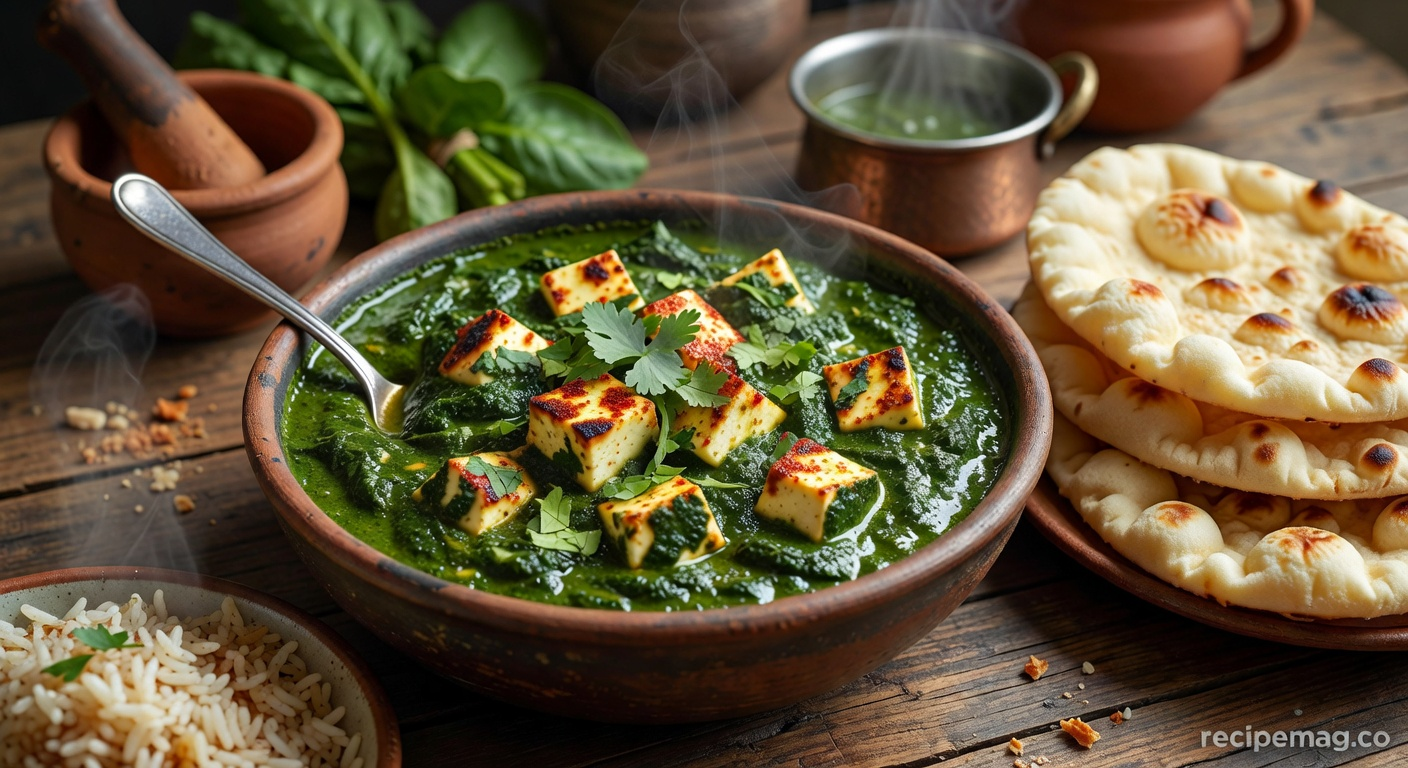
There is something undeniably magical about recreating your favorite restaurant meals in your own kitchen. If you love Indian cuisine, learning how to make a classic palak paneer will completely transform your dinner routine. This vibrant, comforting dish features tender cubes of Indian cottage cheese swimming in a warmly spiced, creamy spinach sauce. It is the kind of satisfying meal that feels incredibly indulgent while packing a serious nutritional punch.
Many home cooks are intimidated by traditional Indian recipes, assuming they require hours of labor and complex techniques. However, this delightful green curry comes together surprisingly fast. In fact, once you gather your ingredients, the entire cooking process is straightforward and manageable for any skill level. It easily rivals the convenience of other 30+ quick weeknight dinners you might already have in your rotation.
In this comprehensive guide, we will walk you through exactly how to master this beloved vegetarian classic. You will learn the secrets to keeping your spinach gorgeously green, the best ways to prepare your cheese, and the exact spices needed for that signature restaurant flavor. By the end of this article, you will have the confidence to whip up this magnificent dish whenever the craving strikes.
Why Make This Authentic Palak Paneer Recipe
A Quick and Nutritious Meal
Spinach is widely celebrated as a nutritional powerhouse, and this recipe uses it in abundance. A single serving provides a massive dose of iron, folate, and vitamins A and C. When paired with the protein-rich cottage cheese, you get a wonderfully balanced meal. It provides enough sustained energy to keep you full and satisfied throughout the evening.
Beyond its health benefits, this is a remarkably fast meal to prepare. Unlike heavy meat-based curries that need hours to tenderize, these ingredients cook quickly. The greens only require a brief blanching, and the cheese does not need to be cooked through like raw poultry or beef. This makes it a brilliant option for busy weeknights when you want something nourishing but lack the time for extensive prep work.
Restaurant Quality Flavor at Home
Eating out frequently can take a massive toll on your budget. By learning to cook this classic dish at home, you save money while controlling exactly what goes into your food. Restaurant versions often rely heavily on excessive butter or heavy cream to achieve their rich texture. When you make it yourself, you can achieve that same luxurious mouthfeel using lighter, healthier methods.
The secret to that authentic restaurant taste lies in blooming your spices properly. Taking just a few extra minutes to toast your aromatics in hot oil unlocks incredible depth. You will quickly discover that your homemade version tastes fresher, brighter, and more vibrant than takeout. It is a deeply rewarding culinary experience that will impress both your family and any dinner guests.
Customizable to Your Dietary Needs
One of the greatest advantages of cooking at home is total control over the ingredients. Traditional recipes use ghee and heavy cream, but these can easily be swapped. If you are watching your saturated fat intake, a swirl of plain yogurt makes a fantastic, tangy alternative to cream. You can also adjust the heat level perfectly to suit your family’s preferences.
This recipe is also a brilliant way to be more eco-friendly in your kitchen. If you have large bags of wilting greens in your fridge, blending them into this spiced sauce is the perfect solution. It is a fantastic addition to your repertoire of sustainable dishes that cut food waste. Nobody will ever guess that those slightly tired greens were transformed into such a spectacular dinner.
Essential Ingredients for Traditional Palak Paneer
Choosing the Best Spinach
The foundation of this dish is, unsurprisingly, the spinach. The Hindi word “palak” literally translates to spinach, so the quality of this ingredient is paramount. Fresh, mature spinach leaves are the traditional choice for the most authentic, earthy flavor. They provide a robust backbone that holds up beautifully to strong Indian spices.
Baby spinach is an incredibly popular modern alternative. It requires less prep work because the stems are tender enough to blend directly into the sauce. If you decide to use mature leaves, be sure to trim away any tough, fibrous stems before cooking. This ensures your final sauce is perfectly silky rather than stringy or gritty.
Frozen spinach is also a completely viable option when fresh is unavailable. It is usually flash-frozen at peak ripeness, locking in both nutrients and flavor. If you go this route, make sure to thaw it completely and squeeze out all excess water before blending. This prevents your delicious curry from becoming watered down and bland.
Sourcing the Perfect Paneer Cheese
Paneer is a fresh, acid-set Indian cottage cheese that does not melt when heated. This unique characteristic makes it the perfect protein for simmering in hot, spiced gravies. You can find blocks of it in the specialty dairy aisle of most major supermarkets or at your local Asian grocer. Look for a firm block that feels slightly springy to the touch.
If you are feeling adventurous, making this cheese from scratch is remarkably simple. It only requires whole milk and an acidic agent like lemon juice or vinegar. Homemade cheese has a beautifully delicate texture that soaks up flavors far better than store-bought varieties. However, store-bought is perfectly acceptable and makes this recipe much more accessible for busy nights.
The Magic of Indian Spices
The complex flavor profile of this dish comes from a careful blend of foundational Indian spices. You will need a mix of whole and ground spices to build those deep, warming notes. Cumin seeds, ground coriander, turmeric, and Kashmiri red chili powder are absolutely essential. Kashmiri chili is prized for its vibrant red hue and mild heat, adding beautiful color without overpowering the dish.
Garam masala is the finishing touch that brings everything together. This aromatic spice blend translates to “warm spices” and typically contains cinnamon, cardamom, cloves, and nutmeg. Because these volatile oils dissipate quickly during cooking, garam masala is almost always stirred in at the very end. This preserves its floral, fragrant qualities and gives the sauce a beautiful aromatic lift.
Step-by-Step Guide to Perfect Spinach Curry
Blanching and Pureeing the Greens
The first crucial step is preparing your vibrant green base. To maintain that beautiful, bright emerald color, you must blanch the leaves quickly. Bring a large pot of salted water to a rolling boil and submerge the greens for just one to two minutes. They should wilt completely but remain vividly green.
Immediately use tongs or a slotted spoon to transfer the hot leaves into a bowl of ice water. This process, known as “shocking,” instantly halts the cooking process and locks in the color. If you skip this step, the residual heat will continue to cook the leaves, turning your final sauce an unappetizing muddy brown.
Once the leaves are completely cool, drain them well and transfer them to a blender. Add a splash of water, a fresh green chili, and a small knob of ginger. Blend the mixture until it is completely smooth and silky. Set this glorious green puree aside while you build the flavor base in your skillet.
Building the Flavor Base
A great curry starts with a highly aromatic foundation. Heat a few tablespoons of neutral oil or ghee in a large skillet over medium heat. Toss in your cumin seeds and let them sizzle for just a few seconds until they become fragrant. This technique, known as tempering, infuses the fat with incredible depth of flavor.
Next, add finely diced onions and cook them patiently until they turn golden brown. Do not rush this step, as deeply caramelized onions provide a crucial underlying sweetness to the savory dish. Once the onions are ready, stir in your minced garlic and cook for another minute until the raw garlic smell mellows out.
Now it is time to add your ground spices and a small amount of finely chopped tomatoes. The acid from the tomatoes helps break down the onions into a thick, cohesive paste. Cook this mixture until the tomatoes have completely softened and you see small droplets of oil separating from the edges of the pan. This visual cue tells you the spices are perfectly cooked.
Adding the Cheese and Simmering
With your flavor base established, gently pour your reserved green puree into the skillet. Stir everything together until the onion and tomato mixture is fully incorporated into the sauce. Let the mixture come to a very gentle simmer. Avoid boiling the sauce vigorously, as intense heat can cause the beautiful green color to dull and fade.
Carefully fold in your cubed cheese, ensuring each piece is coated in the luxurious sauce. You can use the cheese completely raw, or you can pan-fry the cubes briefly beforehand for a slightly chewier texture. Let the cheese simmer in the gravy for about five minutes so it can absorb all those wonderful, warming spices.
Finish the dish by turning off the heat and stirring in your garam masala and a splash of heavy cream. The cream tempers the spices and adds a gorgeous, velvety finish to the mouthfeel. If you love discovering bold flavors from around the world, this satisfying meal might inspire you to try other comforting classics, like an incredible butter chicken lasagna.
Palak Paneer vs Saag Paneer: Understanding the Differences
If you frequent Indian restaurants, you have likely seen both of these green curries on the menu. To the untrained eye, they look almost identical. They both feature chunks of mild cheese enveloped in a warmly spiced, verdant sauce. However, there is a distinct difference between the two that comes down entirely to the greens used.
“Palak” is the specific Hindi word for spinach, meaning this dish is made exclusively with spinach leaves. This gives it a relatively mild, sweet, and straightforward flavor profile. The texture is usually blended to a very smooth, silky consistency. Because spinach cooks down so quickly, it is generally considered the faster of the two recipes to prepare.
“Saag,” on the other hand, is a catch-all term for any leafy green vegetable. A traditional saag recipe uses a mixture of hearty greens like mustard greens, collard greens, fenugreek leaves, and sometimes a little spinach. Mustard greens give saag a distinctly pungent, slightly bitter, and deeply earthy flavor. It is often cooked longer and left with a slightly chunkier, more rustic texture compared to its smoother cousin.
| Feature | Palak Paneer | Saag Paneer |
|---|---|---|
| Primary Greens | 100% Spinach | Mixed greens (Mustard, collards, fenugreek, spinach) |
| Flavor Profile | Mild, slightly sweet, straightforward | Earthy, pungent, slightly bitter and complex |
| Texture | Smooth, silky, and finely pureed | Rustic, thicker, and slightly chunky |
| Color | Bright, vibrant emerald green | Darker, deeper olive green |
| Prep Time | Fast (greens are delicate and blanch quickly) | Slower (hearty greens require longer cooking times) |
Expert Tips for Restaurant-Quality Results
Achieving that perfect, professional-level curry at home comes down to a few small details. While the basic recipe is foolproof, incorporating these pro techniques will elevate your dish from good to absolutely spectacular. These are the secrets used in traditional Indian kitchens to maximize flavor and texture.
* Do not overcook the greens: The most common mistake home cooks make is boiling the greens for too long. Blanch them for a maximum of two minutes, then immediately transfer them to an ice bath to lock in that vibrant emerald hue.
* Pan-fry the cheese (optional): While traditionally added raw, pan-frying your cheese cubes in a little ghee until golden brown adds an incredible layer of flavor. It also gives the cheese a firmer texture that holds up beautifully in the gravy.
* Soak store-bought cheese: If you are using a commercially packaged block, soak the cubes in warm water for 15-20 minutes before adding them to the sauce. This softens the protein and ensures it melts in your mouth.
* Use fresh spices: Spices lose their potency as they sit in your pantry. If your ground cumin or coriander has been gathering dust for over a year, replace them. Freshly ground spices will drastically improve the final aroma of your dish.
* Add a pinch of sugar: Spinach can sometimes carry a very mild bitter note. Adding just a tiny half-teaspoon of white sugar or honey while simmering perfectly balances the acidity of the tomatoes and the earthiness of the greens.
* Finish with Kasuri Methi: If you can find dried fenugreek leaves (kasuri methi) at an Indian market, crush a small pinch between your palms and stir it in at the end. It is the definitive secret ingredient that gives restaurant curries their distinctive, savory aroma.
* Swirl the cream off the heat: Always turn your stove burner completely off before stirring in your heavy cream or yogurt. Adding dairy to a boiling pot can cause it to curdle and split, ruining the silky texture of your sauce.
Frequently Asked Questions About Palak Paneer
Can I use frozen spinach instead of fresh?
Yes, frozen spinach works perfectly and is a great time-saver. Simply thaw it completely and squeeze out as much excess water as possible before blending. This ensures your curry remains thick and flavorful rather than watery.
Why did my spinach sauce turn dark brown?
A dark or muddy sauce usually happens when the greens are overcooked. To prevent this, blanch them briefly and shock them in ice water. Additionally, avoid covering the pan with a lid while simmering the final sauce.
Is this authentic recipe gluten-free?
Yes, this traditional recipe is naturally 100% gluten-free. Just make sure to serve it with basmati rice rather than wheat-based naan if you are preparing it for someone with a strict gluten allergy.
How can I make this recipe vegan?
You can easily make a vegan version by substituting the cheese with extra-firm tofu that has been pressed and cubed. Swap the ghee for coconut oil, and replace the heavy cream with cashew cream or full-fat coconut milk.
Do I absolutely have to pan-fry the cheese?
No, pan-frying is completely optional and comes down to personal preference. Adding the cheese completely raw is actually the most traditional method, resulting in an incredibly soft, melt-in-your-mouth texture.
How long does this dish last in the fridge?
Stored in an airtight container, it will stay fresh in the refrigerator for up to 3 to 4 days. In fact, the flavors often deepen and improve the next day, making it a fantastic option for meal prep.
What should I serve with this curry?
It is traditionally served with warm, buttery naan bread or hot parathas for scooping up the thick sauce. Fluffy steamed basmati rice or jeera (cumin) rice also makes an excellent, comforting side dish.
Can I freeze the leftover curry?
While you can freeze the spinach sauce successfully for up to 3 months, the cheese texture can become slightly crumbly when thawed. It is best to freeze the pureed base alone and add fresh cheese when reheating.
Why is my homemade sauce slightly bitter?
Bitterness can result from using very mature, older spinach leaves or accidentally burning your dry spices. Adding a small splash of cream and a tiny pinch of sugar will easily counteract and balance any bitter notes.
Can I use chicken instead of cheese?
Absolutely. If you swap out the cheese for bite-sized pieces of chicken breast or thighs, the dish becomes known as Palak Chicken (or Saag Murgh). You will just need to simmer the chicken until it is fully cooked through.
Conclusion
Mastering this delightful Indian classic is a culinary triumph that will forever change how you view homemade weeknight dinners. With its incredibly vibrant color, rich blend of warming spices, and delightfully tender cubes of cheese, it is a dish that delivers comfort in every single bite. By utilizing the simple techniques of blanching your greens and properly blooming your aromatics, you can achieve a restaurant-quality meal right in your own kitchen without any unnecessary stress.
Now that you know exactly how to create an authentic palak paneer, it is time to gather your ingredients and get cooking! Don’t be afraid to experiment with the spice levels and dairy alternatives until you find the exact balance that makes your tastebuds sing. If you enjoyed this guide, be sure to bookmark this recipe and share it with your fellow food-loving friends who are looking to expand their home cooking repertoire.
