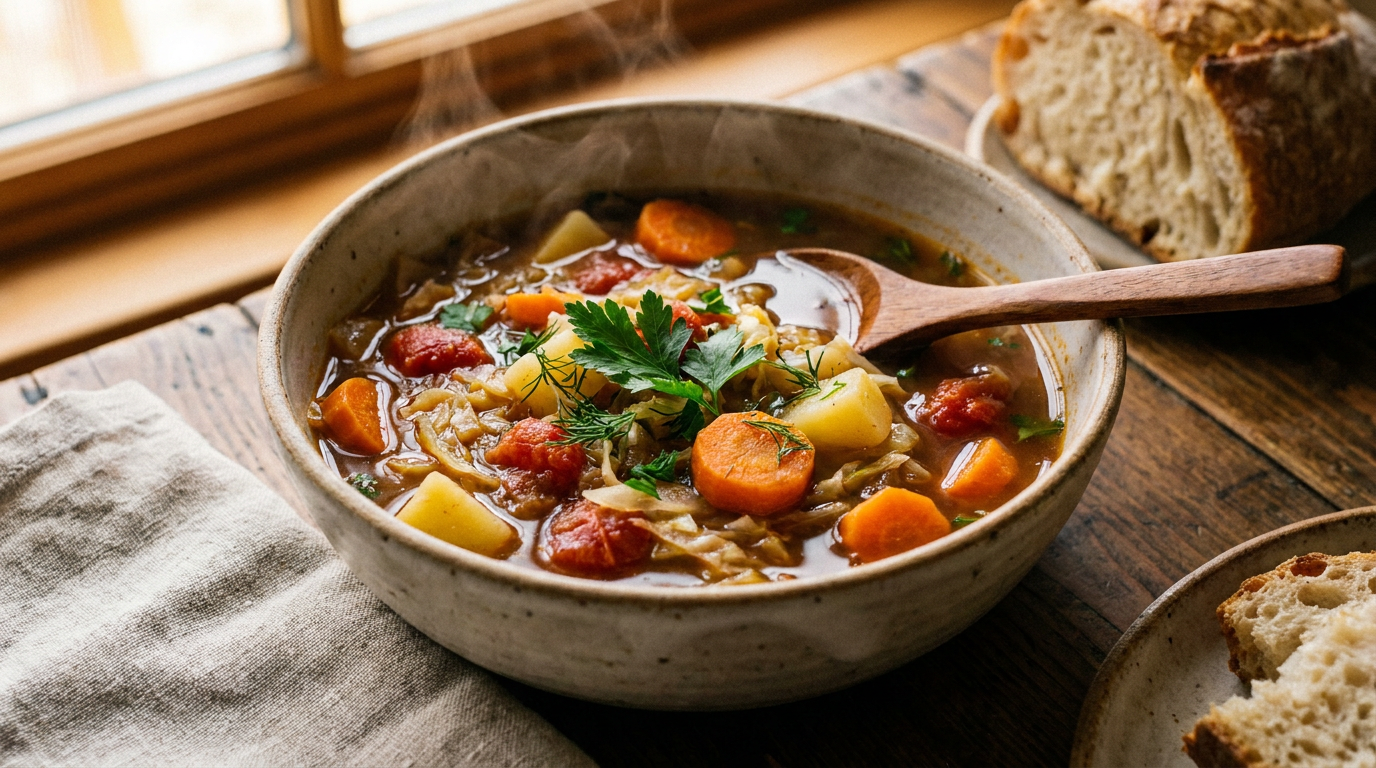
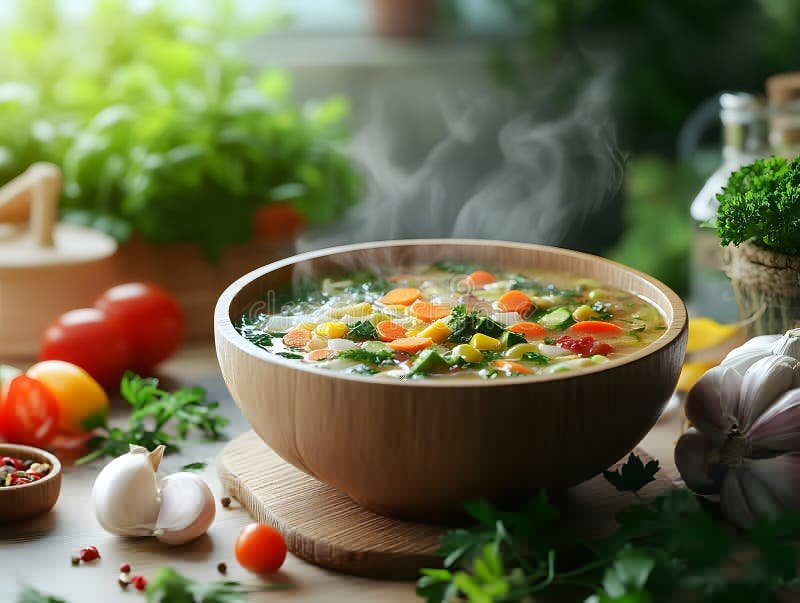
There is nothing quite as comforting on a chilly evening as a steaming bowl of homemade goodness. If you are looking for a meal that warms you from the inside out, a classic cabbage vegetable soup is exactly what you need. This vibrant dish is packed with wholesome ingredients that nourish your body without weighing you down.
We all have days when we want something nutritious but do not want to spend hours standing in the kitchen. Learning how to master this simple recipe will give you a reliable, deeply satisfying meal that comes together quickly. Best of all, it is highly customizable based on whatever fresh produce you happen to have sitting in your crisper drawer.
In this comprehensive guide, we will explore everything you need to know about crafting the ultimate pot of soup. From selecting the crispest greens to mastering essential flavor-building techniques, you will soon be a home-cooking expert. Let us dive into the culinary secrets of creating a vibrant, nutrient-dense meal that your whole family will love.
Why You Will Love This Hearty Meal
Making a wholesome pot of soup offers incredible benefits that extend far beyond simple comfort. This recipe is a nutritional powerhouse that supports your immune system during the colder months. It is also remarkably forgiving, making it perfect for beginner cooks and seasoned chefs alike.
Many families struggle to consume their daily recommended servings of vegetables. Blending a diverse array of colorful produce into a single, savory broth is an effortless way to boost your daily nutrient intake. The savory flavors mask the bitterness of certain greens, making it a hit even with picky eaters.
Incredible Health Benefits of Cabbage
Cruciferous vegetables are celebrated in the nutrition world for their incredible health-promoting properties. Cabbage is exceptionally rich in Vitamin C, which is essential for collagen production and immune defense. Just one serving can provide a significant portion of your daily requirement.
Beyond vitamins, this leafy green is packed with dietary fiber that supports healthy digestion. High-fiber meals keep you feeling fuller for longer, which can prevent mindless snacking between meals. This is why many people turn to a definitive 7-day rapid weight loss plan that heavily features vegetable-based broths.
Additionally, the high water content in this soup contributes significantly to your daily fluid intake. Staying hydrated is vital for metabolic function and energy levels. If you are interested in exploring this further, looking into hydration-focused recipes and strategies can provide excellent dietary insights.
Budget-Friendly and Accessible Ingredients
Eating healthy does not require spending a fortune at specialty grocery stores. The ingredients for this dish are incredibly economical and can be found at any local supermarket. A single large head of cabbage costs very little but yields an enormous amount of food.
By relying on staple pantry items like canned tomatoes and dried herbs, you keep your grocery bills remarkably low. You can easily feed a family of four for multiple days on a single batch. This makes it an ideal staple recipe for those looking to stretch their household budget.
Furthermore, making soup is a fantastic way to clean out your refrigerator and utilize vegetables before they spoil. Throwing wilting carrots or soft celery into the pot is an excellent way to practice sustainable cooking. Discovering more sustainable dishes that cut food waste is a great step toward an eco-friendly kitchen.
Perfect for Meal Prep and Freezing
One of the greatest advantages of this recipe is its outstanding shelf life. Soups generally taste better on the second or third day as the herbs and spices have more time to meld. This makes it a perfect candidate for your Sunday meal preparation routine.
You can easily double the recipe and store individual portions in airtight containers for the week. Grabbing a pre-portioned container on your way to work ensures you have a healthy lunch ready to heat and eat. It eliminates the temptation to rely on expensive, processed takeout options.
If you have too much leftover, this broth freezes beautifully for long-term storage. Simply cool the liquid completely before transferring it to freezer-safe bags or jars. Having a stash of healthy meals in your freezer is a lifesaver on busy, exhausting evenings.

Essential Ingredients for the Best Flavor
The secret to an unforgettable pot of soup lies in the quality and combination of your ingredients. While the recipe is highly flexible, certain foundational elements are required to build a complex, savory flavor profile. Selecting the right components ensures your broth is deeply satisfying rather than bland or watery.
You do not need complicated or exotic spices to make this dish shine. Traditional aromatics, high-quality stock, and fresh produce are all it takes to create culinary magic. Let us break down the essential building blocks for your grocery list.
The Best Cabbage Varieties to Use
Standard green cabbage is the most popular and widely available option for home cooking. It holds its shape incredibly well when simmered, providing a pleasant textural contrast in the bowl. It also boasts a mild, slightly sweet flavor that pairs beautifully with acidic tomatoes.
Savoy cabbage is a fantastic alternative if you prefer a more delicate texture. Its crinkled leaves are tender and absorb the surrounding broth very quickly, resulting in a melt-in-your-mouth experience. It has an earthier flavor profile that adds wonderful depth to rustic dishes.
Napa cabbage can also be used, though it cooks much faster than traditional varieties. If you choose to use Napa, add it during the last ten minutes of cooking to prevent it from becoming mushy. Avoid using red cabbage unless you are okay with your entire pot turning a striking, unconventional purple hue.
Aromatic Base Vegetables and Herbs
Every great soup begins with a classic mirepoix: a mixture of diced onions, carrots, and celery. Gently sweating these vegetables in olive oil releases their natural sugars and creates a fragrant flavor foundation. Do not rush this step, as it is critical for establishing a robust taste.
Garlic is another non-negotiable ingredient for adding pungency and warmth. Freshly minced cloves will always provide a superior flavor compared to jarred or powdered alternatives. Add the garlic just as the onions turn translucent to prevent it from burning and becoming bitter.
For herbal notes, a combination of dried oregano, basil, and thyme works wonderfully. Dried herbs are actually preferred in long-simmering liquids because they hold their flavor better than fresh herbs under sustained heat. A bay leaf tossed into the simmering pot will also add a subtle, complex background note.
Choosing the Right Broth or Stock
The liquid you choose dictates the overall richness of your final dish. A high-quality vegetable broth is the standard choice for keeping the meal entirely plant-based and vegetarian. Look for low-sodium varieties so you can control the saltiness of the final product yourself.
If you are not strictly vegetarian, a rich chicken bone broth adds incredible body and a silky mouthfeel. The natural gelatin in bone broth gives the liquid a slightly thicker consistency that coats a spoon beautifully. It also introduces additional protein to your meal.
Adding a can of diced tomatoes with their juices provides necessary acidity to balance the sweetness of the carrots and cabbage. The tomatoes break down during the simmering process, enriching the broth with a vibrant red hue and tangy flavor.
Step-by-Step Cooking Instructions
Cooking this dish is a straightforward, relaxing process that fills your home with incredible aromas. The method is entirely foolproof as long as you follow the proper sequence of adding ingredients. Building flavor in layers is the key to elevating simple vegetables into a gourmet meal.
Whether you are a novice or an expert, mastering the stovetop method is a valuable culinary skill. If you frequently rely on quick weeknight dinners, you will appreciate how effortlessly this comes together. Follow these simple steps for guaranteed success.
Prepping Your Vegetables Perfectly
Begin by washing all of your produce thoroughly under cold water. Chop your onions, carrots, and celery into uniform, bite-sized pieces so they cook evenly. Consistent chopping not only looks professional but ensures every spoonful has a balanced mix of textures.
To prepare the main attraction, remove the tough outer leaves of the cabbage head. Cut the head into quarters, slice out the dense white core, and shred the leaves into rough bite-sized ribbons. Do not shred the pieces too finely, or they will dissolve completely into the broth.
Measure out your spices, mince your garlic, and open your canned tomatoes before turning on the stove. Having all your ingredients prepped and ready—a practice known as mise en place—makes the cooking process smooth and stress-free.
Building Deep Flavor in the Pot
Place a large, heavy-bottomed Dutch oven or stockpot over medium heat. Add two tablespoons of high-quality extra virgin olive oil and let it shimmer. Add the diced onions, carrots, and celery to the hot oil, stirring occasionally.
Sauté the vegetables for about seven to eight minutes until the onions are soft and translucent. This process softens the harsh raw flavors and coaxes out the natural sweetness of the carrots. Next, stir in the minced garlic and dried herbs, cooking for just one more minute until highly fragrant.
Blooming the dried herbs in the hot oil before adding liquid helps release their essential oils. This simple chef’s trick creates a significantly more robust and aromatic base than simply dumping herbs into cold water.
Simmering to Tender Perfection
Once your aromatics are ready, pour in the diced tomatoes, vegetable broth, and shredded greens. Stir everything together gently to ensure the vegetables are fully submerged in the liquid. Bring the pot to a rolling boil over medium-high heat.
As soon as it boils, reduce the heat to low, cover the pot with a tight-fitting lid, and let it gently simmer. Allow the mixture to cook for about 25 to 30 minutes. You want the greens to be completely tender but not entirely devoid of texture.
In the final five minutes of cooking, remove the lid and taste the broth carefully. Adjust the seasoning by adding kosher salt and freshly cracked black pepper to your preference. Stir in a splash of fresh lemon juice or apple cider vinegar right before serving to brighten all the flavors.

Customizing Your Soup Pot
Once you understand the basic formula, this recipe becomes a blank canvas for your culinary creativity. You can alter the flavor profile entirely just by swapping out a few pantry staples. This versatility ensures you will never grow bored of eating it.
Customization is also a great way to meet specific dietary goals or macro-nutrient requirements. Whether you need more protein or crave a spicier kick, adapting the pot is incredibly easy. Here are some of the best ways to upgrade your bowl.
Adding Plant-Based Proteins
To transform this light side dish into a filling main course, consider adding a source of plant-based protein. Cannellini beans, chickpeas, or kidney beans are excellent additions that blend seamlessly into the tomato broth. Simply rinse a can of beans and stir them in during the last ten minutes of simmering.
Cubed firm tofu is another fantastic option for boosting the protein content without altering the classic flavor. Tofu acts like a sponge, soaking up the savory broth and herbs beautifully. It is an incredibly healthy addition that keeps the meal entirely vegan.
If you enjoy lentils, brown or green lentils make a wonderful addition. However, keep in mind that dried lentils will require additional broth and a longer simmering time to cook through. They will also thicken the broth significantly, creating a stew-like consistency.
Spicing It Up for Extra Warmth
If you love spicy food, this broth is the perfect vehicle for bold, fiery flavors. A generous pinch of crushed red pepper flakes added during the sautéing phase will infuse the entire pot with a pleasant, lingering heat. You can also drizzle chili oil over individual bowls right before serving.
For a smoky undertone, substitute the standard paprika with high-quality smoked Spanish paprika. A dash of ground cumin and a pinch of cayenne pepper can give the dish a wonderful Southwestern flair. These warm spices are particularly comforting on freezing winter nights.
Freshly grated ginger and a splash of low-sodium soy sauce can completely change the dish’s identity. This Asian-inspired twist pairs wonderfully with the shredded greens and creates a complex, umami-rich broth. Garnish this version with sliced scallions and toasted sesame oil.
Incorporating Wholesome Grains
For those who want a denser, more carbohydrate-rich meal, adding grains is a brilliant solution. Stirring cooked brown rice, quinoa, or farro into your cabbage vegetable soup transforms it into a hearty, stick-to-your-ribs dinner. It is a fantastic way to utilize leftover grains from the night before.
Small pasta shapes like ditalini, macaroni, or orzo also make delightful additions. If you plan to add pasta, it is best to cook it separately and add it directly to individual bowls. Cooking pasta directly in the main pot can cause it to absorb too much liquid and become mushy overnight.
Diced potatoes or sweet potatoes can also be simmered right alongside the carrots. The starches from the potatoes will naturally thicken the broth as they cook down. Just ensure you cut the potatoes into small, uniform cubes so they cook at the same rate as the other ingredients.
Comparing Cooking Methods for Cabbage Soup
While the traditional stovetop method is a classic, modern kitchen appliances offer fantastic alternative ways to prepare this dish. Depending on your schedule and texture preferences, you might choose to utilize a slow cooker or a pressure cooker instead. Each method yields slightly different but equally delicious results.
Understanding the pros and cons of each cooking method helps you plan your meal prep effectively. Below is a detailed comparison to help you choose the best approach for your specific needs.
| Cooking Method | Estimated Cook Time | Flavor Depth | Hands-On Time | Best For |
|---|---|---|---|---|
| Stovetop (Dutch Oven) | 45 Minutes | High (Excellent caramelization of aromatics) | 15 Minutes | Traditionalists who want precise control over vegetable texture. |
| Slow Cooker (Crockpot) | 4 to 8 Hours | Medium-High (Flavors meld beautifully over time) | 10 Minutes | Busy professionals wanting a “set it and forget it” meal. |
| Pressure Cooker (Instant Pot) | 25 Minutes (including pressurizing) | High (Pressure locks in intense flavor) | 10 Minutes | Last-minute dinners needing rapid flavor development. |
Expert Tips for Flawless Soup Every Time
Even the simplest recipes can be elevated with a few professional culinary techniques. To ensure your cabbage vegetable soup is nothing short of spectacular, keep these crucial guidelines in mind during your next cooking session.
- Do Not Skimp on the Sauté: Take the full time to sweat your onions, carrots, and celery. This crucial step develops the sweet, complex flavor base that prevents the final broth from tasting like watery boiled vegetables.
- Cut Uniform Pieces: Take care to chop your vegetables into similarly sized pieces. This ensures everything cooks at the exact same rate, preventing you from having mushy carrots and crunchy celery in the same bite.
- Wait to Salt: While you should lightly salt your mirepoix, wait until the very end of cooking to do your final seasoning. As the broth simmers and reduces, the salt concentration intensifies naturally.
- Use Fresh Herbs at the End: While dried herbs are great for simmering, stirring in fresh chopped parsley or dill off the heat adds a vibrant, fresh pop of flavor that cannot be replicated.
- Add an Acidic Finish: A tiny splash of lemon juice, white wine vinegar, or apple cider vinegar stirred in right before serving balances the savory flavors and brightens the entire pot.
- Store Pasta Separately: If you decide to add noodles or grains, store them in a separate container in the fridge. Combine them with the hot liquid only when you are ready to eat to prevent a mushy texture.
- Let it Rest: If you have the patience, let the pot sit off the heat for 20 minutes before serving. This brief resting period allows the boiling liquid to settle and the complex flavors to marry perfectly.
Frequently Asked Questions about Cabbage Vegetable Soup
Even with a straightforward recipe, questions often arise regarding storage, ingredient substitutions, and dietary concerns. Below are detailed answers to the most common inquiries to help you achieve the best possible culinary results.
Can I freeze cabbage vegetable soup?
Yes, this recipe freezes exceptionally well for up to three months. Allow the liquid to cool completely before transferring it to freezer-safe containers or heavy-duty freezer bags. Leave about an inch of space at the top of the container to allow for liquid expansion as it freezes.
How long does this soup last in the fridge?
When stored properly in an airtight container, it will stay fresh in the refrigerator for four to five days. In fact, many people find that the flavor actually improves on the second and third days as the herbs fully infuse the broth. Always reheat portions gently on the stove or in the microwave.
What is the best cabbage to use for soup?
Standard green cabbage is the most reliable and popular choice because it holds its texture wonderfully when boiled. Savoy is an excellent alternative if you prefer softer, more delicate leaves. Red cabbage is generally avoided for this recipe simply because it bleeds and turns the entire broth an unappetizing purple color.
Does cabbage soup help with weight loss?
This dish is incredibly nutrient-dense, low in calories, and high in fiber, making it an excellent addition to a healthy weight management plan. The high fiber and water content help keep you feeling full and satisfied, which reduces overall caloric intake. However, it should be consumed as part of a balanced diet rather than as a restrictive sole source of nutrition.
Can I make this soup in a slow cooker?
Absolutely. To adapt this for a slow cooker, add all your chopped vegetables, herbs, and broth directly to the pot. Cook on the low setting for six to eight hours, or on the high setting for three to four hours. For the best flavor, briefly sauté the onions and garlic in a pan before adding them to the slow cooker.
Why is my cabbage soup bland?
A bland broth is usually the result of under-seasoning or skipping the initial vegetable sauté. Ensure you are using enough salt and pepper, and consider adding an acidic element like a splash of lemon juice or a dash of hot sauce. Using a high-quality vegetable or chicken broth instead of plain water also makes a massive difference.
Are there too many carbs in cabbage soup?
This meal is naturally low in carbohydrates, making it suitable for many low-carb dietary preferences. The primary source of carbohydrates comes from the carrots and the natural sugars in the tomatoes and onions. If you are strictly monitoring carbs, you can reduce the amount of carrots and increase the leafy greens.
Can I add meat to this recipe?
Yes, it is incredibly easy to incorporate meat for a heartier dish. Browned ground turkey, spicy Italian sausage, or shredded rotisserie chicken are all excellent additions. Cook raw ground meats in the pot first, drain any excess fat, and then proceed with sautéing your vegetables in the same pot.
Should I cover the pot while simmering?
Yes, you should keep the pot covered with a tight-fitting lid while it simmers on the stove. Covering the pot traps the steam, which gently cooks the vegetables from the top down and prevents your savory broth from evaporating too quickly. You can remove the lid for the final five minutes if you wish to reduce and thicken the liquid slightly.
What sides pair well with this healthy soup?
A thick slice of crusty sourdough bread or a warm baguette is the ultimate pairing for dipping into the savory broth. If you are keeping things light, a crisp green salad with a sharp vinaigrette offers a wonderful temperature and texture contrast. Grilled cheese sandwiches are also a classic, comforting side dish that kids absolutely love.
Conclusion
Mastering a vibrant, nutritious cabbage vegetable soup is a fantastic way to bring warmth and wellness into your weekly meal rotation. With its incredibly forgiving nature, budget-friendly ingredients, and wealth of health benefits, it is truly a recipe that deserves a permanent spot in your culinary repertoire. Whether you follow the classic stovetop method or customize it with bold new spices, the resulting bowl is guaranteed to soothe your soul and satisfy your hunger.
Do not be afraid to experiment with different aromatic herbs, wholesome grains, and plant-based proteins to make this recipe entirely your own. Gather your fresh vegetables, set your pot on the stove, and experience the comforting magic of homemade broth today. If you loved learning how to perfect this comforting dish, be sure to share this recipe with your friends and explore our other delicious, healthy dinner ideas!
Video : Cabbage Vegetable Soup: The Ultimate Healthy Comfort Bowl
