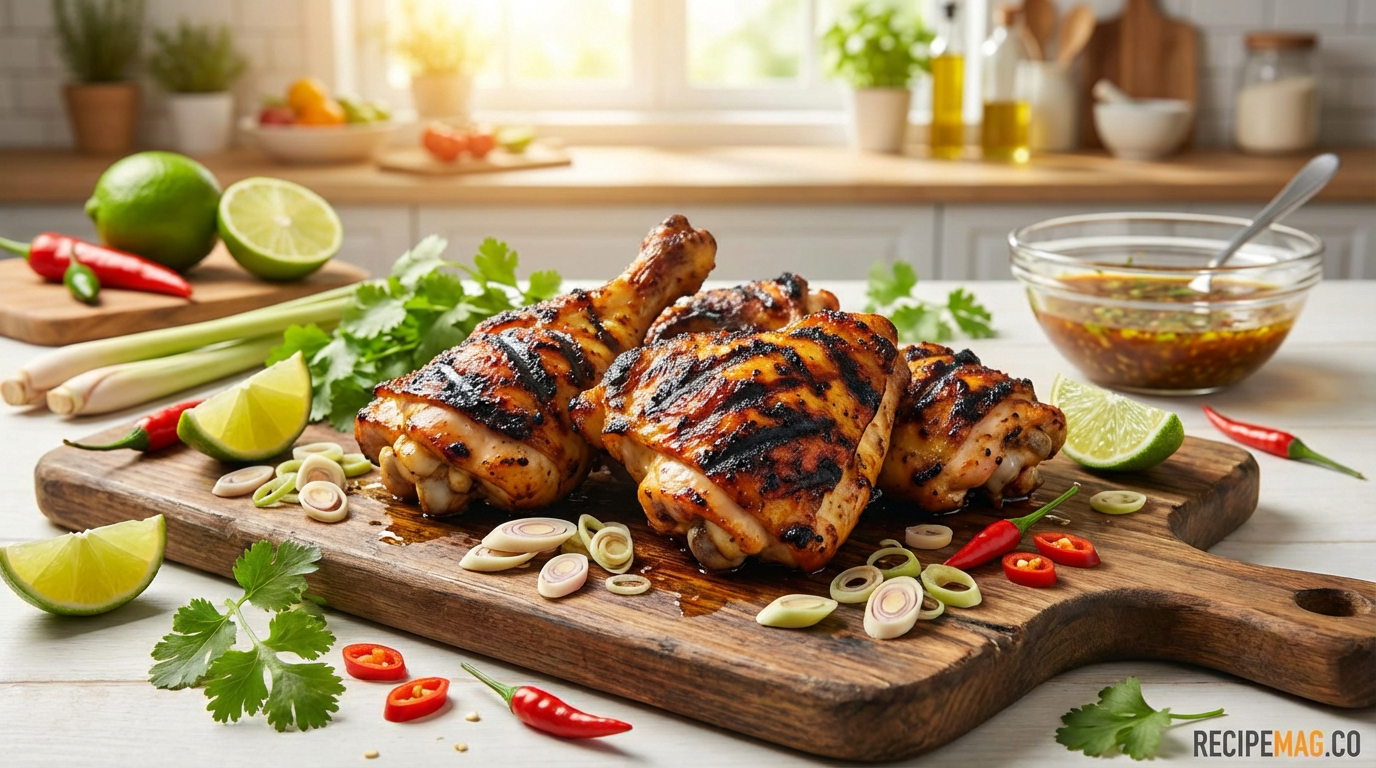
Sizzling sounds and aromatic citrus notes instantly transport you to your favorite Southeast Asian restaurant. There is nothing quite like the savory, sweet, and fragrant bite of fresh lemongrass marinated chicken thighs hot off the grill. This incredible dish combines affordable dark meat poultry with bold, vibrant herbs to create a dinner masterpiece. It is the perfect balance of savory umami flavors and bright citrus undertones.
Many home cooks feel intimidated by preparing raw lemongrass stalks from scratch. However, unlocking their incredible flavor is surprisingly simple with the right technique. Mastering this aromatic herb elevates standard poultry from boring to extraordinary with just a few minutes of prep work. You will soon discover why this citrus herb chicken is an absolute staple in Vietnamese cuisine.
In this comprehensive guide, we will walk you through everything needed to master this flavorful protein. From selecting the best dark meat cuts to achieving that restaurant-quality char, you are completely covered. Get ready to transform your weeknight dinner rotation with these juicy, flavor-packed chicken thighs. Let us dive into the secrets of perfect Southeast Asian poultry.
Why Choose Dark Meat for Vietnamese Style Chicken
The Moisture Advantage of Thighs
When cooking with highly acidic or salty marinades, the cut of poultry matters immensely. Dark meat contains a higher percentage of intramuscular fat compared to lean chicken breasts. This rich fat marbling acts as an internal basting system while the meat cooks over high heat. The result is a consistently tender bite that rarely dries out, even if slightly overcooked.
Furthermore, boneless skinless chicken thighs offer an uneven surface area full of nooks and crannies. These textural variations are perfect for catching and holding onto thick herb pastes. The extra fat content also provides a vital buffer against the aggressive tenderizing properties of the citrus. This ensures the meat retains a satisfying chew rather than turning mushy.
Balancing Bold Flavor Profiles
Authentic Southeast Asian marinades are famous for their intense, pungent ingredients. Fish sauce, raw garlic, and spicy chilies can easily overpower delicate cuts of white meat. Chicken thighs boast a robust, naturally savory flavor that stands up perfectly to these strong additions. The dark meat creates a harmonious balance rather than getting lost in the background.
The richer flavor of the thigh meat actively complements the bright, floral notes of the herbs. As the natural chicken fat renders down during cooking, it mixes directly with the marinade. This creates a deeply savory glaze that coats every single bite of the poultry. It is a beautiful synergy of rich meat and vibrant, zesty aromatics.
Perfecting the Sear and Char
Achieving a beautiful, caramelized crust is essential for authentic Vietnamese grilled chicken. The natural sugars in the marinade require high heat to develop those slightly bitter, smoky edges. Chicken thighs can withstand this intense heat without immediately drying out in the center. This allows you to push the searing time longer to develop a superior crust.
That sticky, blackened char is where a massive portion of the flavor lives. The rendering fat from the dark meat hits the hot pan or grill grates, creating flavorful smoke. This smoke wafts back up into the meat, adding an authentic street-food quality to the dish. You simply cannot replicate this complex flavor profile using leaner cuts of poultry.
Crafting the Ultimate Lemongrass Herb Marinade
Preparing Your Stalks Properly
The secret to incredible fresh lemongrass marinated chicken thighs lies in properly processing the raw stalks. You must first trim away the stiff, grassy tops and the hard root base. Only the tender, pale yellow lower third of the stalk should be used for cooking. The outer layers are extremely fibrous and must be peeled away to reveal the softer core.
Once you reach the tender core, bruising the herb is a mandatory step. Use the back of a heavy chef’s knife or a meat mallet to smash the stalk repeatedly. This physical bruising ruptures the tough cell walls and releases the essential aromatic oils. After smashing, mince the herb as finely as possible to avoid woody textures in your final dish.
Essential Asian Pantry Ingredients
A phenomenal marinade relies on a careful balance of salty, sweet, and umami elements. High-quality fish sauce is non-negotiable, acting as the savory backbone of the entire recipe. Do not let the strong smell deter you; it mellows out completely during the cooking process. Soy sauce adds beautiful color and a secondary layer of earthier saltiness.
Sweetness is equally important to balance the sharp, salty flavors and encourage caramelization. Brown sugar or traditional palm sugar are the preferred choices for their deep molasses notes. Freshly minced garlic, shallots, and a splash of neutral cooking oil round out the mixture. The oil helps carry the fat-soluble flavors deep into the chicken fibers.
Ideal Marination Times for Maximum Flavor
Patience is a crucial ingredient when working with dark meat poultry and robust herbs. For the absolute best results, aim for a minimum marinating time of four to six hours. This window allows the salt to penetrate the meat while the aromatics work on the surface. Anything less than two hours will result in a superficial flavor that washes away during cooking.
If your schedule allows, an overnight soak in the refrigerator yields the most spectacular outcome. The extended time lets the sugar break down slightly, ensuring a more uniform caramelization later. However, avoid pushing the marination past the 24-hour mark. The salty fish sauce can eventually begin to cure the meat, negatively altering its texture.
Best Cooking Methods for Citrus Herb Chicken
Grilling for That Authentic Smoky Finish
Outdoor grilling is the most traditional and flavorful way to prepare fresh lemongrass marinated chicken thighs. Preheat your gas or charcoal grill to a medium-high temperature, aiming for around 400 degrees Fahrenheit. Ensure your grates are meticulously clean and lightly oiled to prevent the sugary marinade from sticking. Place the thighs directly over the heat source.
Cook the meat for about six to eight minutes per side, depending on the thickness. You want to see beautiful grill marks and slight charring around the thinner edges. Keep a close eye on the grill, as the sugars can transition from caramelized to burnt quickly. Move the chicken to a cooler zone if the flare-ups become too aggressive.
Pan-Searing in a Cast Iron Skillet
When cooking indoors, a heavy cast iron skillet is your best tool for replicating a grill’s intense heat. Heat the skillet over medium-high heat until it is nearly smoking, then add a high-heat cooking oil. Wipe excess marinade off the chicken before placing it in the pan to reduce smoking. The heavy bottom of the cast iron ensures an even, golden-brown crust.
Resist the urge to move the chicken around once it hits the hot metal. Let it sear undisturbed for at least five minutes to develop a proper crust. Once it releases naturally from the pan, flip it and finish cooking the other side. You can add a splash of water and cover the skillet briefly to ensure the centers cook through.
Baking and Air Frying Options
For a hands-off approach, baking or air frying offers excellent convenience with minimal cleanup. If using an air fryer, preheat the device to 380 degrees Fahrenheit for optimal results. Lay the thighs in a single layer, ensuring they do not overlap, which prevents proper browning. This method is incredibly fast and perfect for 30+ Quick Weeknight Dinners Under 30 Minutes.
Air fry for about 12-15 minutes, flipping halfway through the cooking cycle. The circulating hot air mimics a convection oven, crisping the edges beautifully. If using a traditional oven, bake at 425 degrees Fahrenheit on a wire rack set over a baking sheet. This allows the hot air to circulate under the meat, preventing a soggy bottom.
Meal Prep and Serving Suggestions
Building Nutrient-Dense Rice Bowls
Fresh lemongrass marinated chicken thighs shine brightest when served over a fluffy bed of jasmine rice. The fragrant, slightly sticky rice perfectly absorbs the flavorful juices running off the sliced meat. To build a balanced bowl, add a generous handful of crisp, fresh vegetables. Sliced cucumbers, cherry tomatoes, and shredded lettuce offer a refreshing, crunchy contrast.
To elevate your rice bowl to restaurant standards, incorporate traditional Vietnamese pickled carrots and daikon. The bright, acidic crunch of the pickles cuts through the rich, savory fat of the dark meat perfectly. Finish the bowl with a sprinkle of crushed roasted peanuts and fresh cilantro leaves. A drizzle of scallion oil over the top ties the entire meal together beautifully.
Storing and Reheating Leftovers
This recipe is an absolute champion for weekly meal planning and batch cooking. Cooked chicken thighs store perfectly in an airtight glass container in the refrigerator for up to four days. The flavors often deepen and intensify on the second day, making leftovers highly anticipated. This makes it an ideal protein choice for a 7-Day Weight Loss Meal Prep routine.
When it is time to reheat, skip the microwave if you want to preserve the crispy edges. Instead, warm the sliced chicken gently in a skillet over medium-low heat with a splash of water. The steam helps revive the meat’s moisture without drying it out. You can also utilize an air fryer for three minutes to bring back that freshly-cooked sizzle.
Complementary Side Dishes
If you prefer to serve the poultry as a main course, pair it with simple, vibrant sides. A cold vermicelli noodle salad dressed with a classic nuoc cham sauce is incredibly authentic. The chilled, slippery noodles contrast beautifully with the hot, charred meat. You can toss in fresh mint and Thai basil for an extra herbaceous punch.
Steamed bok choy or garlic-sautéed morning glory also make fantastic vegetable companions. Their slightly bitter, earthy profiles balance the sweetness of the caramelized chicken glaze. For a heartier meal, serve alongside crispy vegetable spring rolls or a green papaya salad. These traditional accompaniments ensure a well-rounded and deeply satisfying dinner experience.
Ingredient Comparison: Sourcing the Best Flavors
Choosing the right form of aromatic herbs can significantly impact your final dish. While fresh ingredients are always the gold standard, modern pantries offer several convenient alternatives. Understanding the strengths and weaknesses of each option will help you make the best choice for your schedule. Below is a detailed breakdown comparing the three most common ways to source this crucial ingredient for your kitchen.
| Ingredient Format | Flavor Intensity | Prep Required | Shelf Life | Best Used For |
|---|---|---|---|---|
| Fresh Stalks | Very High – Bright, floral, and highly aromatic | High – Requires peeling, bruising, and fine mincing | 2-3 weeks in the crisper drawer | Authentic marinades, grilling, and weekend cooking |
| Prepared Paste (Tubes) | Medium – Slightly muted but very convenient | None – Ready to squeeze directly from the tube | Months in the refrigerator once opened | Quick weeknight dinners and fast meal prep |
| Dried/Powdered | Low – Earthy and lacks the fresh floral notes | Low – Needs to be rehydrated in liquids | Up to a year in a dark, cool pantry | Soups, curries, and dry spice rubs (not ideal for marinades) |
Pro Tips for Restaurant-Quality Poultry
- Pound the Meat Evenly: Use a meat mallet to gently pound the thicker parts of the thigh. Even thickness guarantees uniform cooking, preventing dry edges while you wait for the center to finish.
- Score the Smooth Side: Make shallow, diagonal cuts across the smooth side of the chicken thigh. This technique allows the flavorful marinade to penetrate much deeper into the muscle fibers.
- Dry the Meat First: Always pat your raw poultry completely dry with paper towels before adding the wet marinade. Excess surface moisture dilutes the flavors and prevents the oil from clinging to the meat.
- Reserve Some Marinade: Set aside two tablespoons of the untouched marinade before adding raw meat. Mix this reserved portion with a little oil to brush over the chicken during the final minutes of cooking.
- Let the Meat Rest: Never slice into hot poultry immediately after pulling it from the pan or grill. Let the thighs rest on a cutting board for five minutes so the savory juices redistribute internally.
- Toast Your Sugar: If you have an extra minute, gently warm your sugar and fish sauce in a pan first. Dissolving the sugar completely ensures a smoother marinade that won’t leave gritty, burnt patches on the grill.
Frequently Asked Questions about fresh lemongrass marinated chicken thighs
Can I use chicken breasts instead of thighs?
Yes, you can substitute chicken breasts, but you must adjust your cooking technique. Breasts are much leaner and will dry out quickly over the high heat required for caramelization. We recommend pounding the breasts very thin and reducing the cooking time by a few minutes.
How long should fresh lemongrass marinated chicken thighs sit in the fridge?
For the best flavor development, let the meat marinate for a minimum of four hours. An overnight soak of 12 to 24 hours yields the absolute most flavorful and tender results. Do not exceed 24 hours, as the salt content will begin to negatively alter the meat’s texture.
What part of the lemongrass stalk is edible?
Only the bottom third of the stalk, specifically the pale yellow and white core, is tender enough to eat. You must peel away the tough, woody outer green layers first. Even the tender core must be minced very finely to ensure a pleasant texture in your mouth.
Can I freeze the chicken directly in the marinade?
Yes, freezing the raw meat directly in the marinade is a fantastic meal prep hack. As the meat thaws safely in the refrigerator overnight, it will actively absorb the flavors. The frozen mixture will maintain its best quality for up to three months in a deep freezer.
Why is my lemongrass stringy and tough?
Stringy textures occur when you use the upper green portions of the stalk or fail to mince it properly. It can also happen if you skip the crucial step of bruising and smashing the stalk before chopping. Always ensure you are only utilizing the soft inner core for raw marinades.
Do I need a food processor for the marinade?
A food processor is not strictly necessary, but it makes the preparation significantly faster and smoother. If you do not have one, a sharp chef’s knife and careful, fine mincing will work perfectly. A traditional mortar and pestle is also excellent for pounding the aromatics into a fragrant paste.
What is a good substitute for fish sauce?
If you cannot use fish sauce, a mixture of soy sauce and a splash of lime juice works reasonably well. Coconut aminos mixed with a pinch of salt is a great soy-free and fish-free alternative. However, you will miss out on the deep, authentic umami funk that traditional fish sauce provides.
How do I know when the chicken thighs are fully cooked?
The safest and most accurate method is to use an instant-read meat thermometer inserted into the thickest part. Dark meat is safe to eat at 165 degrees Fahrenheit, but it actually tastes better when cooked to 175 degrees. At this higher temperature, the connective tissues break down, resulting in a much more tender bite.
Mastering fresh lemongrass marinated chicken thighs is a guaranteed way to elevate your home cooking repertoire. The combination of juicy dark meat, complex aromatics, and a sweet-savory glaze creates an unforgettable dining experience. By following these preparation techniques and cooking methods, you can easily replicate restaurant-quality Southeast Asian flavors in your own kitchen.
Do not let unfamiliar ingredients keep you from trying this spectacular, crowd-pleasing recipe. Grab some fresh stalks on your next grocery run, gather your pantry staples, and fire up the grill or skillet. Serve this vibrant dish over a bed of steaming jasmine rice, and watch it become an instant family favorite. Happy cooking, and enjoy your delicious culinary journey!
