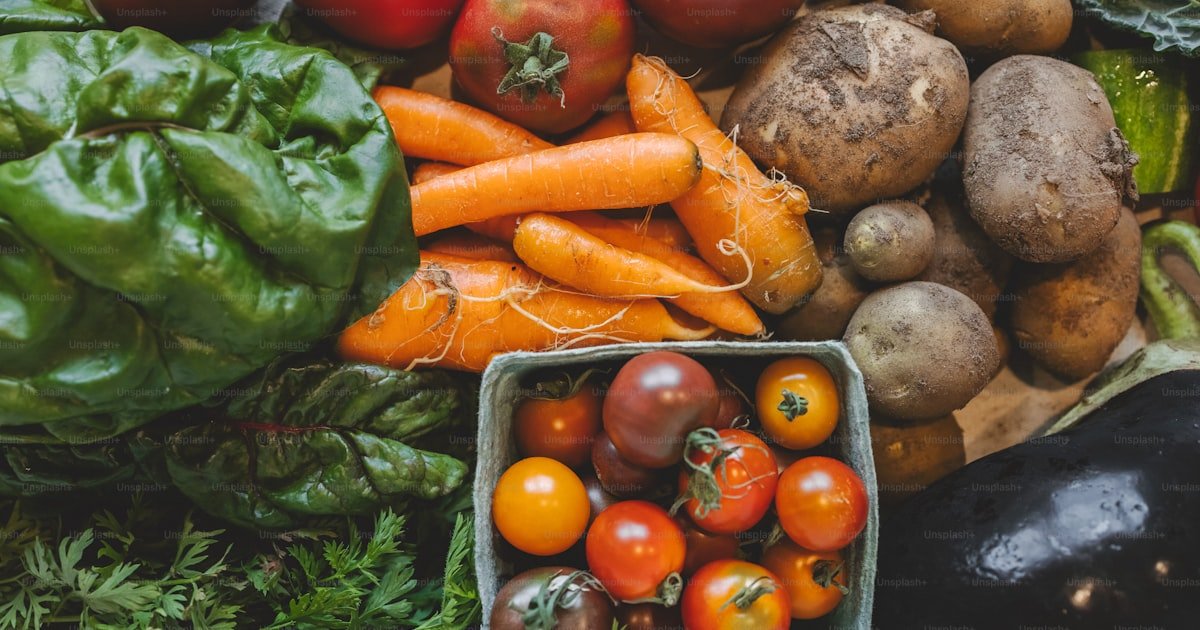
Every April 22, Earth Day reminds us that small changes add up. Here’s a number that should grab your attention: 29% of all food in the U.S. went unsold or uneaten in 2024, according to food waste nonprofit ReFED’s latest analysis (ReFED, 2025).
For the average American family of four, that translates to nearly $3,000 per year spent on food that ends up in the trash (EPA, 2026). The environmental cost? Food waste accounts for 6% of total global greenhouse gas emissions—more than the entire aviation industry.
This Earth Day, you can cook delicious meals while shrinking your carbon footprint. The 12 recipes below use zero-waste techniques, peak spring produce, and plant-forward ingredients that taste great and do good.
Why Does Sustainable Cooking Matter for Earth Day?
Food production consumes enormous resources—70% of global freshwater withdrawals and half of the world’s habitable land go to agriculture (Our World in Data, 2022). When we throw away food, we’re also discarding all the water, land, and energy used to grow, transport, and store it.
The FDA estimates that 30-40% of the U.S. food supply is wasted annually, making food the single largest category of material in municipal landfills (FDA, 2024). As this food decomposes, it releases methane—a greenhouse gas 25 times more potent than carbon dioxide.
Cooking sustainably doesn’t mean sacrificing flavor or spending hours in the kitchen. It means using what you have, choosing ingredients wisely, and treating food as the valuable resource it is.
For more strategies to reduce waste, see our complete guide to weekly meal prep with batch-cooking techniques.
Which Foods Get Wasted Most?
Understanding what ends up in the trash helps you shop and cook smarter. The EPA’s food waste hierarchy shows that households account for 43% of all food waste—more than restaurants (40%) or grocery stores (17%) combined.
Fruits and vegetables top the waste list. Their short shelf life and our tendency to overbuy fresh produce create a perfect storm for spoilage. The good news? These are also the easiest foods to preserve, cook with, or compost.
Most wasted foods in American kitchens:
- Leafy greens — wilt before use
- Fresh herbs — bought for one recipe, forgotten
- Fruits — overripe bananas, soft berries
- Vegetables — especially celery, carrots, lettuce
- Dairy — sour milk, moldy cheese
- Bread — stale before finished
The recipes below specifically target these trouble spots. You’ll use carrot tops, vegetable peels, and herb stems that normally hit the trash.
What Spring Produce Is in Season for Earth Day?
Eating seasonally reduces your carbon footprint by cutting transportation emissions and supporting local agriculture. For Earth Day (April 22), these spring vegetables are at their peak:
April Peak Vegetables:
- Asparagus — the quintessential spring vegetable
- Peas (snap, snow, garden)
- Spring onions and scallions
- Radishes — with edible greens
- Spinach — tender and sweet
- Artichokes — use hearts and stems
- Spring garlic — milder than mature bulbs
May Peak Vegetables:
- Asparagus and peas continue
- Lettuce and salad greens
- Rhubarb — for sweet and savory dishes
- New potatoes — thin skins, no peeling needed
- Spring cabbage — tender and sweet
- Baby carrots — with tops attached
Seasonal produce isn’t just eco-friendly—it tastes better too. Vegetables harvested at peak ripeness have more flavor and nutrients than those shipped unripe from halfway around the world.
For more spring cooking inspiration, try our spring sheet pan dinners featuring asparagus and peas.
4 Zero-Waste Soup Recipes (Using Stems, Peels & Scraps)
Vegetable scraps that normally hit the compost bin can become rich, flavorful soups. These four recipes transform stems, peels, and trimmings into satisfying meals.
1. Asparagus Stem Soup
Those woody ends you snap off asparagus? They’re packed with flavor. This velvety soup uses every bit of the stalk.
Ingredients:
- Asparagus ends (from 2 bunches)
- 1 onion, chopped
- 2 cups vegetable broth
- ½ cup heavy cream
- Salt, pepper, lemon juice
Instructions:
- Sauté onion in butter until soft (5 minutes)
- Add asparagus ends and broth; simmer 20 minutes
- Blend until smooth; strain for silky texture
- Stir in cream; season with lemon, salt, pepper
Yield: 4 servings | Waste saved: 100% of asparagus
2. Carrot Top Pesto Soup
Carrot greens are perfectly edible and slightly bitter—similar to parsley. This vibrant soup uses the entire carrot.
Ingredients:
- 1 lb carrots with tops
- 4 cups vegetable broth
- ½ cup carrot top pesto (carrot greens, walnuts, parmesan, olive oil)
- 1 potato, cubed
Instructions:
- Sauté diced carrots and potato in olive oil
- Add broth; simmer until vegetables are tender (20 minutes)
- Blend with half the pesto
- Swirl remaining pesto on top
Yield: 4 servings | Waste saved: Carrot tops (usually discarded)
3. Potato Peel Chowder
Crispy potato skins aren’t just for restaurant appetizers. This hearty chowder uses peels and ends for maximum flavor.
Ingredients:
- Potato peels (from 3 lbs potatoes)
- 2 strips bacon, diced
- 1 onion, diced
- 2 cups milk
- 1 cup corn kernels
Instructions:
- Sauté bacon and onion until crispy
- Add potato peels and enough water to cover
- Simmer 30 minutes until peels are tender
- Add milk and corn; simmer 10 more minutes
- Blend half for thickness
Yield: 4 servings | Waste saved: Potato peels and ends
4. Spring Onion Green Soup
Those dark green tops of scallions and spring onions? They add mild onion flavor to this bright, fresh soup.
Ingredients:
- Spring onion greens (from 2 bunches)
- 2 cups spinach
- 3 cups vegetable broth
- ½ cup sour cream
Instructions:
- Sauté onion greens in butter until soft
- Add broth and spinach; simmer 5 minutes
- Blend until smooth
- Stir in sour cream; season with salt
Yield: 4 servings | Waste saved: Spring onion tops
By using vegetable scraps for soups and broths, home cooks can reduce their kitchen waste by up to 25% while creating nutrient-rich meals from ingredients that typically end up in landfills.
4 Spring Vegetable Recipes (Using 100% of Each Vegetable)
These recipes embrace whole-vegetable cooking—using leaves, stems, and all. You’ll get more nutrition and less waste.
1. Whole Roasted Radishes with Greens
Radish greens are peppery and nutritious, similar to arugula. This simple roast uses both root and leaf.
Ingredients:
- 2 bunches radishes with greens
- 2 tbsp olive oil
- 2 cloves garlic, minced
- Salt, pepper, lemon
Instructions:
- Separate radishes from greens; halve radishes
- Toss radishes in oil; roast at 425°F for 20 minutes
- Sauté greens with garlic in remaining oil (2 minutes)
- Serve radishes over wilted greens; squeeze lemon
Yield: 4 servings | Waste saved: Radish greens
2. Braised Artichokes with Stem
Most artichoke stems get trimmed away, but they’re as tender as the heart when cooked properly.
Ingredients:
- 4 artichokes with stems
- ½ cup white wine
- 2 cups vegetable broth
- Lemon, garlic, thyme
Instructions:
- Peel outer leaves and fuzzy choke; keep stems attached
- Peel fibrous outer layer of stems
- Braise in wine, broth, lemon, garlic for 30-40 minutes
- Serve with melted butter or aioli
Yield: 4 servings | Waste saved: Artichoke stems
3. Sugar Snap Pea Stir-Fry (Pods and All)
Sugar snap peas are entirely edible—no shelling required. This quick stir-fry preserves their crunch.
Ingredients:
- 1 lb sugar snap peas
- 2 tbsp soy sauce
- 1 tbsp sesame oil
- 1 clove garlic, ginger
Instructions:
- Heat sesame oil; sauté garlic and ginger (30 seconds)
- Add snap peas; stir-fry 2-3 minutes
- Add soy sauce; toss to coat
- Serve immediately while crisp
Yield: 4 servings | Waste saved: None (entire pea is edible)
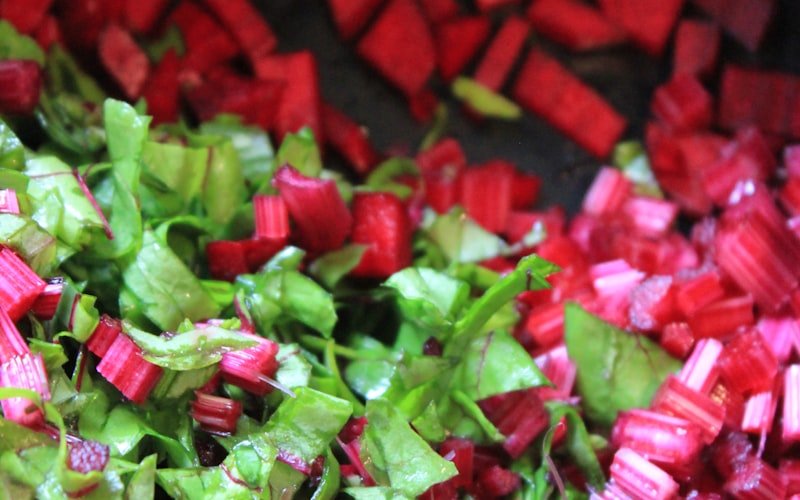
4. Beet Root and Greens Salad
Beets give you two vegetables in one: the sweet root and the earthy greens (similar to Swiss chard).
Ingredients:
- 2 bunches beets with greens
- 4 cups mixed greens
- ½ cup walnuts
- ¼ cup goat cheese
- Balsamic vinaigrette
Instructions:
- Roast beets at 400°F for 45 minutes; peel and slice
- Sauté beet greens until wilted (3 minutes)
- Arrange greens on plates; top with beets, walnuts, cheese
- Drizzle with vinaigrette
Yield: 4 servings | Waste saved: Beet greens
Whole-vegetable cooking isn’t new—our grandparents used every part because they had to. Today we do it because it’s smart economics and better for the planet.
4 Plant-Forward Mains (Lower Carbon Footprint)
Plant-based meals produce about half the carbon emissions of meat-centered dishes, according to Our World in Data analysis. These satisfying mains celebrate spring produce without requiring animal protein.
1. Spring Pea and Asparagus Risotto
Creamy risotto needs no meat when spring vegetables are this fresh.
Ingredients:
- 1 cup Arborio rice
- 1 cup fresh peas
- 1 bunch asparagus, cut into pieces
- 4 cups vegetable broth
- ½ cup parmesan
- Lemon zest
Instructions:
- Toast rice in butter; add wine and simmer
- Add warm broth one ladle at a time, stirring constantly
- After 15 minutes, add asparagus and peas
- Cook 5 more minutes; finish with parmesan and lemon
Yield: 4 servings | Prep time: 35 minutes
2. Spinach and Chickpea Curry
Dried chickpeas cooked from scratch cost pennies and create a protein-rich base for spring spinach.
Ingredients:
- 2 cans chickpeas (or 1 cup dried, cooked)
- 4 cups fresh spinach
- 1 can coconut milk
- 2 tbsp curry paste
- Onion, garlic, ginger
Instructions:
- Sauté onion, garlic, ginger in coconut oil
- Add curry paste; bloom 1 minute
- Add chickpeas and coconut milk; simmer 15 minutes
- Stir in spinach until wilted; serve over rice
Yield: 4 servings | Prep time: 25 minutes
3. New Potato and Spring Cabbage Hash
New potatoes have thin skins—no peeling required. Spring cabbage adds sweetness and crunch.
Ingredients:
- 2 lbs new potatoes, cubed
- ½ head spring cabbage, shredded
- 1 onion, diced
- 4 eggs (optional)
Instructions:
- Boil potatoes until just tender; drain
- Sauté onion and cabbage in large skillet (10 minutes)
- Add potatoes; cook until crispy
- Top with fried eggs if desired
Yield: 4 servings | Prep time: 30 minutes
4. Fava Bean and Herb Salad
Fava beans require some prep work but deliver buttery texture and protein. Fresh herbs make this salad sing.
Ingredients:
- 2 cups fava beans (shelled)
- ½ cup each: mint, parsley, dill
- ½ cup feta cheese
- Lemon-olive oil dressing
Instructions:
- Blanch fava beans 2 minutes; remove outer skins
- Toss with chopped herbs and crumbled feta
- Drizzle with lemon juice and olive oil
- Season with salt and pepper
Yield: 4 servings | Prep time: 20 minutes
Research from Our World in Data shows that plant-based meals produce 1.2-1.7 kg of CO₂ per meal, compared to 6.0 kg for beef-centered dishes—a 75-80% reduction.
For more quick dinner ideas, see our 30+ weeknight dinners under 30 minutes.
How to Store Spring Produce to Reduce Waste
Proper storage extends shelf life dramatically, giving you more time to use what you buy. These techniques can double or triple how long your spring vegetables stay fresh.
Asparagus: Stand stems in a jar with 1 inch of water; refrigerate. Lasts 1-2 weeks instead of 2-3 days.
Spring peas: Keep in their pods until ready to use; store in a paper bag in the crisper. Lasts 5-7 days.
Radishes: Remove greens (they draw moisture from the root); store roots in water in the refrigerator. Greens can be stored separately like lettuce.
Spinach and greens: Wrap loosely in paper towels; store in a sealed container. The paper towels absorb excess moisture that causes sliming.
Spring onions: Place roots in a glass of water on the counter; they’ll continue growing. Change water every 2-3 days.
Fresh herbs: Treat like flowers—trim stems and place in water. Cover loosely with a plastic bag; refrigerate.
Composting what you can’t use:
When scraps truly can’t be eaten (corn cobs, avocado pits, citrus rinds), composting returns nutrients to the soil instead of sending them to landfill where they produce methane. Many cities now offer curbside composting, or you can start a simple bin in your backyard.
Frequently Asked Questions
What is sustainable cooking?
Sustainable cooking means preparing food in ways that minimize environmental impact—reducing food waste, using seasonal and local ingredients, choosing plant-forward options, and properly storing food to extend its life. The EPA estimates that households waste 43% of all discarded food, so individual cooking choices add up to significant environmental impact.
How much money can I save by reducing food waste?
The average American family of four wastes nearly $3,000 per year on food that goes uneaten, according to EPA data. By meal planning, proper storage, and using leftovers creatively, most households can cut their food waste by 25-50%, saving $750-1,500 annually while reducing their environmental footprint.
What are the best vegetables for zero-waste cooking?
Vegetables where you can eat multiple parts offer the most waste-reduction potential: beets (roots and greens), radishes (roots and greens), carrots (roots and tops), celery (stalks and leaves), broccoli (florets and stems), and herbs (leaves and stems). These give you two or more ingredients from one purchase.
How do I start composting food scraps?
Start with a simple bin system: collect fruit and vegetable scraps, coffee grounds, and eggshells in a countertop container. Transfer to an outdoor bin or municipal composting service. Avoid meat, dairy, and oily foods in home compost systems. Finished compost takes 2-6 months and creates nutrient-rich soil for gardens.
Is eating locally better for the environment?
Eating locally reduces transportation emissions, but research shows that what you eat matters more than where it comes from. Transportation accounts for only 6% of food emissions, while production methods (especially for meat and dairy) dominate. A plant-based meal shipped from another continent still has a lower carbon footprint than local beef.
Your Earth Day Cooking Action Plan
Cooking sustainably doesn’t require a complete kitchen overhaul. Start with one change this Earth Day and build from there.
Key takeaways:
- Plan meals around what you have — check your fridge before shopping
- Store produce properly — extend shelf life 2-3x with correct techniques
- Use the whole vegetable — stems, peels, and greens add flavor and nutrition
- Try one plant-forward meal — cut your carbon footprint by 50-80%
- Compost what you can’t use — return nutrients to soil instead of landfill
The 12 recipes above give you a full Earth Day menu: zero-waste soups, whole-vegetable sides, and plant-forward mains. Even cooking one of these this April 22 makes a difference.
Ready to plan your sustainable cooking week? Check out our complete guide to weekly meal prep for batch-cooking strategies that save time, money, and reduce waste.
