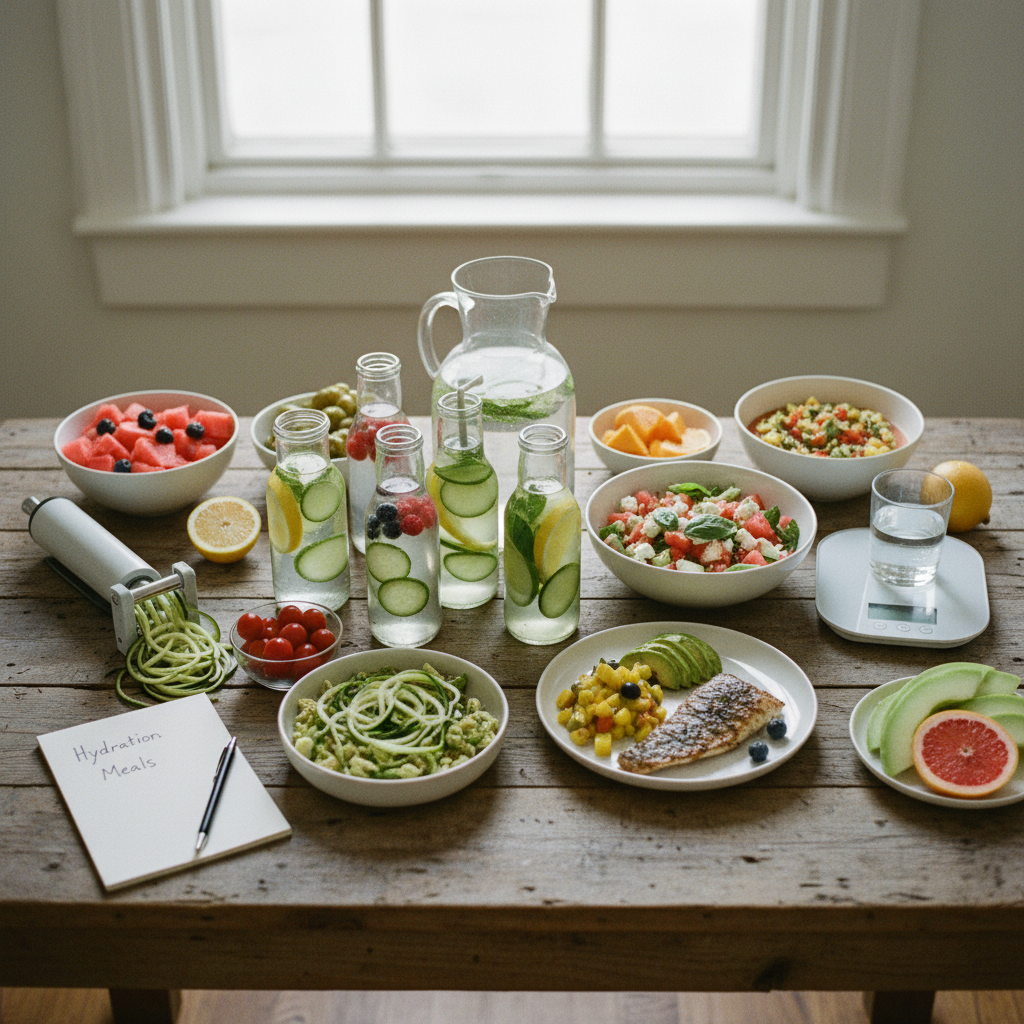
A water diet meal plan for sustainable weight loss focuses on incorporating water-rich foods and strategic hydration to support metabolic function, curb appetite, and promote overall well-being, moving beyond mere calorie restriction for lasting health benefits. This approach emphasizes consuming foods with high water content, such as fruits and vegetables, alongside adequate fluid intake to optimize bodily processes crucial for effective weight management.
The Power of Hydration in Sustainable Weight Management
Hydration is a cornerstone of overall health, yet its profound impact on sustainable weight management is often underestimated. Beyond simply quenching thirst, strategic water intake and consumption of water-rich foods play a vital role in metabolism, satiety, and detoxification. This approach moves beyond fad diets, advocating for a lifestyle change that prioritizes the body’s fundamental need for water.
What Is a Water Diet Meal Plan for Sustainable Weight Loss?
A water diet meal plan isn’t about solely drinking water or extreme fasting; rather, it’s a comprehensive strategy that integrates high-water content foods into daily meals. This approach aims to naturally reduce calorie intake by filling the stomach with nutrient-dense, low-energy-density options, while simultaneously enhancing metabolic efficiency and supporting digestive health. It’s designed for gradual, sustainable results, focusing on nourishing the body from within.
Essential Principles of a Hydration-Focused Diet
Embracing a hydration-focused diet involves several core principles that contribute to its effectiveness. These guidelines help ensure that your approach to eating and drinking supports your health and weight goals without deprivation.
- Prioritize Water-Rich Foods: Make fruits and vegetables the stars of your plate, as they provide essential nutrients and fiber alongside their hydrating properties.
- Strategic Fluid Intake: Drink water throughout the day, especially before meals, to promote fullness and aid digestion.
- Avoid Sugary Drinks: Opt for plain water, herbal teas, or naturally infused waters over sodas and juices which add empty calories.
- Balance Macronutrients: Ensure your meals still provide adequate protein, healthy fats, and complex carbohydrates for energy and muscle maintenance.
- Listen to Your Body: Differentiate between thirst and hunger, and adjust your intake based on activity levels and environmental factors.
Benefits of a Water Diet for Long-Term Health
Experts widely recognize the multifaceted benefits of a hydration-focused diet, extending far beyond the scale. This dietary approach supports systemic health, contributing to improved energy levels, better skin health, and enhanced cognitive function.
Adequate hydration aids in nutrient transport, temperature regulation, and joint lubrication, all vital for a healthy, active lifestyle. By prioritizing water-rich foods, individuals naturally consume more fiber, which is crucial for digestive health and can help manage blood sugar levels, reducing the risk of chronic diseases.
Water-Rich Foods List for Diet Planning
Incorporating foods with high water content is fundamental to this diet plan. These foods not only hydrate but also deliver a wealth of vitamins, minerals, and fiber, making them incredibly filling yet low in calories.
To help you plan your meals, here’s a detailed look at vegetables and fruits with the highest water content.
Vegetables with the Highest Water Content
Many vegetables are excellent sources of water, contributing significantly to your daily hydration goals. They are also packed with essential nutrients and fiber.
- Cucumber: 95% water
- Lettuce (Iceberg, Romaine): 95% water
- Celery: 95% water
- Radishes: 95% water
- Tomatoes: 94% water
- Bell Peppers: 92% water
- Spinach: 91% water
- Broccoli: 90% water
Fruits for Optimal Hydration and Nutrition
Fruits offer a sweet and refreshing way to increase your water intake while providing natural sugars, antioxidants, and vitamins.
| Fruit | Water Content (%) | Key Nutrients |
|---|---|---|
| Watermelon | 92 | Lycopene, Vitamin C, Vitamin A |
| Strawberries | 91 | Vitamin C, Manganese, Antioxidants |
| Grapefruit | 91 | Vitamin C, Potassium, Antioxidants |
| Cantaloupe | 90 | Vitamin A, Vitamin C, Potassium |
| Peaches | 89 | Vitamin C, Vitamin A, Potassium |
| Oranges | 87 | Vitamin C, Folate, Potassium |
| Pineapple | 86 | Vitamin C, Manganese, Bromelain |
| Blueberries | 84 | Vitamin C, Vitamin K, Manganese, Antioxidants |
How Much Water Should I Drink Daily for Weight Loss Meal Planning?
While the general recommendation is eight glasses a day, the optimal water intake for weight loss meal planning can vary based on individual factors like activity level, climate, and body weight. A good starting point is often half your body weight in ounces, though listening to your body’s thirst cues is paramount. Regular, consistent sips throughout the day are more effective than gulping large amounts at once.
Consider incorporating specific hydration practices into your routine, such as the Japanese Water Diet.
The Japanese Water Diet Principle: Timing Your Intake
The Japanese Water Diet emphasizes consuming water at specific times to optimize digestion and metabolism. This principle suggests drinking several glasses of room-temperature water immediately upon waking, before brushing teeth, and waiting 45 minutes before eating breakfast. Additionally, it advises against drinking water for 30 minutes before and after meals to prevent dilution of digestive enzymes. This structured approach can help kickstart metabolism and promote satiety.
How to Create a Hydrating Meal Plan for Weight Loss?
Crafting a hydrating meal plan involves thoughtful food choices and strategic timing to maximize both satiety and nutritional intake. The goal is to feel full and energized without relying on calorie-dense, processed foods.
It’s important to understand the distinctions between different hydration strategies, especially when considering safety and sustainability.
Avoiding Extreme Fasting: Why Food-Based Hydration is Safer
Unlike extreme fasting methods, a water diet meal plan prioritizes consistent nourishment through food-based hydration. This approach is significantly safer and more sustainable, preventing nutrient deficiencies, muscle loss, and metabolic slowdown often associated with prolonged fasting. By focusing on whole, water-rich foods, you provide your body with essential vitamins, minerals, and fiber, supporting healthy bodily functions rather than stressing them.
Integrating the Loss Weight Diet with Water-Rich Foods
To effectively integrate a loss weight diet with water-rich foods, focus on creating balanced meals where fruits and vegetables constitute a significant portion. Start by replacing processed snacks with hydrating alternatives like cucumber slices or berries. For main meals, build around lean proteins and then generously add non-starchy, high-water vegetables. This strategy naturally lowers the calorie density of your meals while boosting nutrient intake and satiety, making the weight loss journey more manageable and enjoyable.
Hydration Focused Recipes for Healthy Eating
Cooking delicious, hydrating meals doesn’t have to be complicated. Simple recipes that emphasize fresh, whole ingredients can be incredibly satisfying and beneficial for your weight management goals.
Here are some easy recipes to get you started on your hydration-focused eating journey.
Easy Hydration Recipes for Weight Management
- Cucumber & Mint Infused Water: Add sliced cucumber and fresh mint leaves to a pitcher of water. Let it infuse for an hour in the fridge for a refreshing, calorie-free drink.
- Gazpacho (Cold Tomato Soup): Blend ripe tomatoes, cucumber, bell peppers, onion, garlic, a splash of olive oil, and a dash of vinegar. Serve chilled for a nutrient-packed, hydrating meal.
- Watermelon & Feta Salad: Combine diced watermelon, crumbled feta cheese, fresh mint leaves, and a squeeze of lime juice. A perfect light lunch or side dish.
- Berry Smoothie: Blend mixed berries (strawberries, blueberries), spinach, a scoop of protein powder, and unsweetened almond milk or water.
Nutritional Breakdown of Hydrating Meals
These recipes are not only hydrating but also provide a good balance of macronutrients and micronutrients. For instance, gazpacho offers lycopene from tomatoes and Vitamin C from peppers, while the watermelon and feta salad provides electrolytes and protein. Smoothies can be tailored to be rich in fiber, vitamins, and protein, making them a complete meal replacement.
Sustainable Water Diet Meal Plan Ideas
Structuring your day with hydrating meals ensures consistent energy and satiety. Here’s a framework for a typical day.
Let’s explore some specific meal ideas to integrate these principles.
Morning: Water-Rich Breakfasts and Smoothies
Start your day by rehydrating your body after hours of sleep.
- Option 1: A large glass of water with lemon, followed by a Berry & Spinach Smoothie (berries, spinach, water/almond milk, protein powder).
- Option 2: Oatmeal cooked with water, topped with sliced peaches or strawberries, and a side of herbal tea.
Midday: Hydrating Soups and Salads
Lunch is an excellent opportunity to load up on vegetables.
- Option 1: A large bowl of Gazpacho or a clear vegetable broth-based soup with plenty of diced vegetables.
- Option 2: A mixed green salad with cucumber, cherry tomatoes, bell peppers, grilled chicken breast or chickpeas, and a light vinaigrette.
Evening: Lean Proteins with High-Water Vegetables
Keep dinners light but satisfying, focusing on lean protein and nutrient-dense vegetables.
- Option 1: Baked salmon served with steamed asparagus and a large portion of mixed green salad.
- Option 2: Grilled chicken breast with a side of sautéed zucchini and bell peppers, along with a small portion of quinoa.
Hydrating Snacks for a Healthy Diet
Snacks are crucial for bridging meals and preventing overeating, especially when they are hydrating and nutrient-dense.
- Apple slices with a sprinkle of cinnamon: Provides fiber and natural sweetness.
- Cucumber sticks with hummus: Refreshing and offers healthy fats and protein.
- Small bowl of melon (cantaloupe, honeydew, watermelon): Sweet, hydrating, and packed with vitamins.
- Plain Greek yogurt with a handful of blueberries: Protein-rich and hydrating.
- Celery sticks with a tablespoon of natural peanut butter: A classic, satisfying combination.
Meal Prep Strategies for a Water-Based Diet
Effective meal prepping can make adhering to a water-based diet much easier and more enjoyable, ensuring you always have healthy, hydrating options readily available.
To maximize efficiency and freshness, consider these meal prep tips.
Batch Cooking Broths and Soups
Prepare large batches of clear vegetable broths or light soups at the beginning of the week. These can be stored in individual portions and used as a base for meals or consumed as a hydrating snack. Broths are excellent for flavor and warmth without adding significant calories.
Storing Water-Rich Produce for Maximum Freshness
Proper storage is key to maintaining the freshness and integrity of water-rich fruits and vegetables.
- Lettuce and leafy greens: Wash, dry thoroughly, and store in airtight containers with a paper towel to absorb excess moisture.
- Cucumbers, bell peppers, celery: Store in the crisper drawer of your refrigerator.
- Berries: Wash just before eating. Store unwashed in the refrigerator in their original containers or a breathable container.
- Melons: Store whole at room temperature until ripe, then refrigerate cut pieces in an airtight container.
Achieving Lasting Results Through Mindful Hydration
Embracing a water diet meal plan is a holistic approach to wellness, offering a sustainable path to weight management and improved health. By prioritizing hydration through both strategic fluid intake and the consumption of water-rich foods, individuals can nourish their bodies, enhance metabolic function, and cultivate a deeper connection to their physical well-being. This isn’t just a diet; it’s a mindful lifestyle shift that promises lasting results and a more vibrant, energized you.
