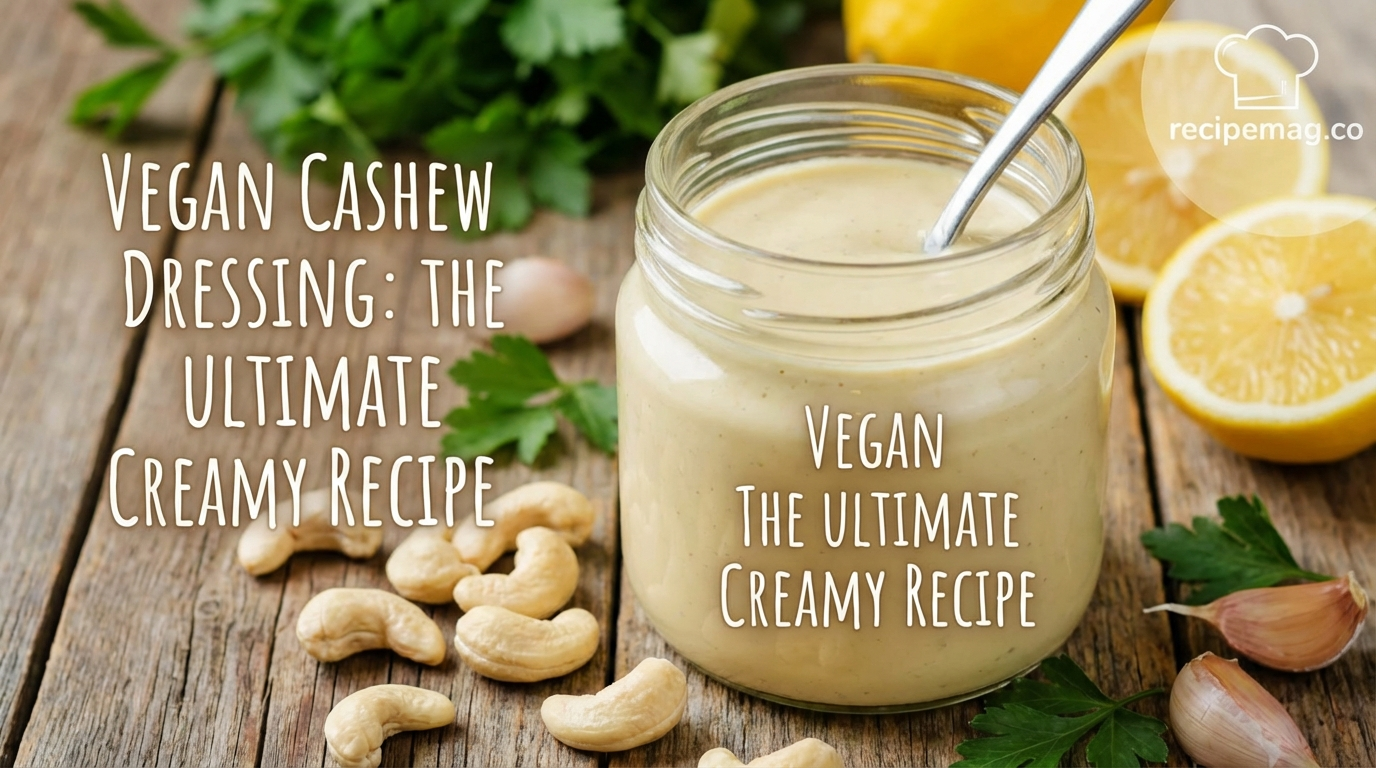
Finding a rich, satisfying salad topper that does not rely on heavy dairy can often feel like an impossible task. Many store-bought alternatives lack the luxurious mouthfeel and bold flavor profiles we crave in a good sauce. Fortunately, you can whip up a flawless vegan cashew dressing right in your own kitchen with just a handful of simple ingredients.
This zesty, cheesy jalapeño sauce is a game-changer for plant-based eaters and flexitarians alike. It requires only five minutes of active prep time and a reliable blender to transform raw nuts into a velvety masterpiece. The combination of savory nutritional yeast, vibrant lime juice, and a kick of fresh spice creates a condiment you will want to pour over everything.
In this comprehensive guide, we will explore the science behind blending raw nuts and share the exact steps to achieve a perfectly smooth consistency. You will learn how to customize the heat level, store your creations, and discover exciting new ways to use this versatile sauce. Let us dive into the wonderful world of homemade dairy-free dressings.
Why Cashews Make the Best Plant-Based Dressings
When transitioning to a plant-based lifestyle, replicating the richness of dairy is often the biggest hurdle. Cashews stand out from other nuts because of their unique macronutrient profile and mild, buttery flavor. They serve as the perfect blank canvas for absorbing savory spices and tangy citrus notes.
Unlike almonds or walnuts, cashews contain a higher proportion of starch, which allows them to emulsify beautifully when blended with water. This creates an incredibly smooth base for any vegan cashew dressing because it mimics the heavy cream or mayonnaise used in traditional recipes. The result is a sauce that coats your greens perfectly without leaving a greasy residue.
The Magic of Soaked Cashews
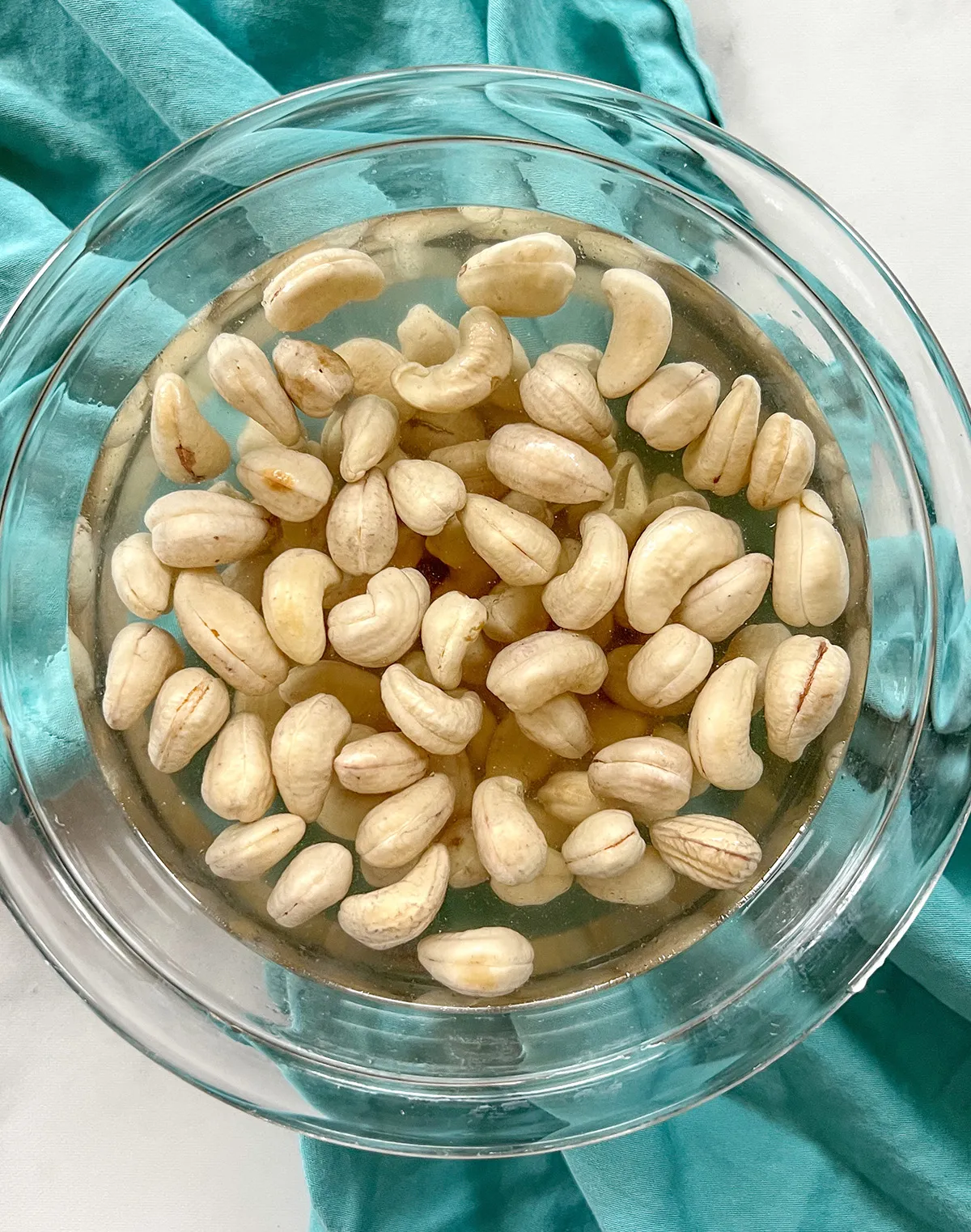
Soaking your cashews is the single most important step for achieving a silky texture. When raw nuts absorb water, they plump up and soften significantly, making them much easier for your blender’s blades to break down. This simple preparation step eliminates any gritty or chalky textures from the final product.
If you have the time, soaking them in cool filtered water overnight yields the best results. However, if you are in a rush, you can perform a quick-soak by pouring boiling water over the nuts and letting them sit for twenty minutes. Both methods ensure your dressing will turn out incredibly smooth and creamy.
Achieving the Perfect Texture
The texture of your dressing can be easily manipulated to suit your specific culinary needs. A higher ratio of nuts to water will yield a thick, hearty dip perfect for raw vegetables or tortilla chips. If you prefer a thinner consistency for drizzling over delicate salad greens, simply add more water a tablespoon at a time.
It is always best to start with less liquid when blending your ingredients initially. You can easily thin out a thick sauce, but thickening a watery dressing requires soaking more nuts, which slows down your prep time. Taking it slow ensures you have complete control over the final viscosity.
Health Benefits of Raw Nuts
Using raw cashews as the foundation of your dressing provides a massive nutritional upgrade over processed oils and heavy creams. Cashews are packed with heart-healthy monounsaturated fats that help keep you satiated throughout the day. They also offer a solid dose of plant-based protein to fuel your active lifestyle.
Additionally, these versatile nuts are an excellent source of essential minerals like magnesium, copper, and zinc. By making your own dressing from scratch, you avoid the artificial preservatives, excess sodium, and hidden sugars commonly found in bottled salad dressings. It is a simple swap that significantly boosts the nutrient density of your meals.
Essential Ingredients for Cheesy Jalapeño Flavor
Creating a robust flavor profile without relying on real cheese requires a clever combination of savory and acidic ingredients. The beauty of this recipe lies in its simplicity, utilizing just nine everyday pantry staples and fresh produce items. When blended together, these components create a complex taste that hits every note on your palate.
Balancing salt, fat, acid, and heat is the secret to a memorable condiment. We achieve this by layering the buttery richness of the nuts with sharp citrus, pungent garlic, and a hint of chili pepper. Let us break down the star ingredients that bring this zesty sauce to life.
The Nutritional Yeast Secret
Nutritional yeast, affectionately known as “nooch” in the plant-based community, is the powerhouse ingredient behind the cheesy flavor. These golden flakes are inactive yeast grown on molasses, boasting a deeply savory, umami-rich taste that perfectly mimics aged cheddar or parmesan. It is a non-negotiable ingredient for achieving that classic savory depth.
Beyond its incredible flavor, nutritional yeast is a nutritional powerhouse. It is often fortified with B-vitamins, including B12, which is essential for energy production in plant-based diets. Just a few tablespoons transform a bland nut puree into a vibrant, savory sensation.
Balancing Heat with Fresh Jalapeños
Fresh jalapeños provide a bright, grassy heat that cuts through the richness of the blended nuts. Using fresh peppers rather than dried powder adds a wonderful vibrancy and a beautiful pale green hue to the final dressing. The moisture in the fresh pepper also helps the ingredients blend more smoothly.
You have total control over the spice level based on how you prep the pepper. For a mild, family-friendly sauce, completely remove the ribs and seeds before adding the jalapeño to your blender. If you love a fiery kick, toss the whole pepper in—seeds and all—for maximum heat.
Acidity and Seasoning Staples
Acid is crucial in any dressing to brighten the flavors and prevent the sauce from tasting flat or overly heavy. Freshly squeezed lime juice is the ideal choice here, as its tropical zing pairs beautifully with the jalapeño. If you do not have limes on hand, apple cider vinegar makes a fantastic, fruity substitute.
Garlic and sea salt round out the flavor profile by amplifying the savory notes. One or two fresh garlic cloves provide a spicy, aromatic bite that deepens as the dressing sits in the fridge. A generous pinch of high-quality sea salt enhances all the individual ingredients, bringing the entire recipe into perfect harmony.
Step-by-Step Guide to the Perfect Blend
Making your own dressing at home is incredibly straightforward, especially when you have a reliable food processor or blender. The process requires minimal hands-on effort, making it ideal for busy meal prep sessions. With the right technique, you can achieve a commercial-quality sauce in just a few minutes.
The order in which you add your ingredients and how you operate your blender can greatly impact the final result. Understanding these small mechanical details ensures you will never end up with a chunky or separated dressing. Follow these easy steps for guaranteed blending success.
Preparing Your Base Ingredients
Begin by thoroughly draining and rinsing your soaked cashews under cold water. This removes any phytic acid released during the soaking process, which can sometimes impart a slightly bitter taste. Shake off the excess water to ensure you are accurately measuring the fresh liquids added to the recipe.
Next, prep your aromatics by peeling the garlic and slicing the top off your jalapeño. Roughly chopping the pepper and garlic before throwing them into the blender helps the blades catch them faster. Measure out your nutritional yeast, salt, and freshly squeezed lime juice so everything is ready to go.
Blending for Maximum Creaminess
Place your liquid ingredients—the water and lime juice—into the blender pitcher first. Adding liquids at the bottom creates a vortex that immediately pulls the solid nuts and vegetables down into the spinning blades. Dump the rinsed cashews, nutritional yeast, garlic, jalapeño, and salt directly on top of the liquids.
Start your blender on a low speed to gently break down the larger pieces. Once the mixture begins to circulate, gradually increase the speed to high and let it run continuously for about two minutes. You want to see a completely uniform, pale green liquid with no visible specks of unblended nuts.
Adjusting Consistency and Flavor
Stop the blender halfway through the process to scrape down the sides with a rubber spatula. This ensures that any stubborn cashew pieces stuck to the walls get incorporated into the smooth dressing. Once fully blended, dip a spoon in and taste the mixture to check your seasoning levels.
This is the moment to customize the sauce to your specific preferences. If it needs more zing, add an extra squeeze of lime; for more umami, sprinkle in another teaspoon of nutritional yeast. If creating the ultimate vegan cashew dressing requires a thinner texture for your salad, blend in an extra tablespoon of water until it reaches your desired consistency.
Serving Suggestions and Creative Pairings
The true beauty of this dairy-free condiment is its incredible versatility across a wide variety of meals. While it is undeniably perfect for coating crisp lettuce, limiting it strictly to salads would be a disservice to its bold flavor. Think of this sauce as a multi-purpose flavor enhancer for your entire weekly menu.
Because it boasts such a robust, cheesy taste, it can easily replace sour cream, queso, or traditional ranch in your favorite recipes. It pairs exceptionally well with Mexican-inspired dishes, roasted winter squash, and hearty legumes. Here are some of our favorite ways to put this delicious concoction to use.
Drizzling Over Hearty Salads
This thick, creamy sauce is robust enough to stand up to heavy, crunchy vegetables like kale, cabbage, and shredded carrots. Massaging the dressing into sturdy greens helps break down their tough fibers, resulting in a much more enjoyable chewing experience. It also binds beautifully with quinoa or brown rice in loaded grain bowls.
Try pairing this sauce with a sweet potato and black bean taco salad for a filling, nutrient-dense lunch. The spicy kick of the jalapeño perfectly balances the natural sweetness of roasted root vegetables. It is sure to become a staple in your weekly meal rotation.
Dipping and Dunking Snacks
If you reduce the water content slightly during the blending process, you are left with an outstanding party dip. Serve it chilled alongside a colorful platter of raw bell peppers, celery sticks, and cucumber slices for a healthy appetizer. It also makes a fantastic vegan alternative to traditional warm cheese dips when paired with salty tortilla chips.
Because this sauce holds up beautifully in the fridge, it is one of our favorite additions to make-ahead potluck dishes. It does not wilt or separate during transit, ensuring your party contributions look and taste spectacular upon arrival. Your guests won’t even realize it is entirely plant-based.
Elevating Quick Weeknight Dinners
A flavorful sauce is often the missing element that ties a haphazard dinner together. You can easily use this recipe to elevate your favorite quick weeknight dinners without spending extra hours in the kitchen. Just a quick drizzle can transform plain roasted vegetables and canned beans into a gourmet experience.
Try using it as a creamy finishing sauce for stuffed bell peppers, or spread it generously inside a warm wrap loaded with crispy tofu. You can even thin it out with a splash of vegetable broth to create a quick, cheesy pasta sauce. The culinary possibilities are truly endless when you have a jar of this waiting in the fridge.
Comparing Plant-Based Dressing Bases
While cashews are our top choice for this specific recipe, the plant-based culinary world offers several great alternatives for creamy sauces. Understanding how different bases perform can help you improvise in the kitchen when you are out of certain ingredients. Below is a detailed breakdown of popular dairy-free dressing foundations.
| Dressing Base | Creaminess Level | Flavor Profile | Best Uses |
|---|---|---|---|
| Raw Cashews | Very High (Thick & Velvety) | Mild, buttery, slightly sweet | Cheesy sauces, heavy dips, ranch alternatives |
| Silken Tofu | High (Light & Airy) | Neutral, easily absorbs flavors | Low-fat dressings, creamy vinaigrettes |
| Tahini (Sesame) | Medium (Rich & Sticky) | Earthy, nutty, slightly bitter | Mediterranean bowls, lemon-garlic drizzles |
| Avocado | High (Dense & Smooth) | Rich, grassy, fresh | Cilantro-lime sauces, quick taco toppings |
| Hemp Hearts | Medium (Slightly textured) | Earthy, grassy, savory | Nut-free Caesar dressings, pesto alternatives |
Expert Tips for Flawless Vegan Dressings
Mastering the art of making vegan cashew dressing at home requires knowing a few professional kitchen secrets. Even the simplest recipes benefit from proper technique and smart ingredient handling. Follow these expert tips to ensure your sauces turn out perfectly every single time.
- Always use raw, unsalted nuts: Roasted cashews have a distinct, overpowering flavor and a harder texture that will ruin the delicate balance and smoothness of your dressing.
- Employ the hot water hack: If you forget to soak your nuts overnight, boil water and pour it over the raw cashews. Let them sit covered for 15-20 minutes, and they will be perfectly soft for blending.
- Start with less liquid: It is much easier to thin out a thick dressing by adding water a tablespoon at a time than it is to thicken a watery one.
- Invest in a high-speed blender: While standard food processors work, machines like a Vitamix or Ninja will pulverize the nuts on a microscopic level, yielding a truly commercial-grade silkiness.
- Let the flavors marry: While the dressing is delicious immediately, storing it in the fridge for 2 hours before serving allows the garlic and jalapeño to infuse deeply into the creamy base.
- Revive chilled dressing: Cashew sauces naturally thicken when refrigerated. Simply stir in a teaspoon of warm water or lime juice to bring it back to a pourable consistency before serving.
Frequently Asked Questions about vegan cashew dressing
Do I absolutely have to soak the cashews?
If you have a high-powered, professional-grade blender (like a Vitamix), you can often skip the soaking step and still achieve a smooth result. However, for standard blenders, soaking is mandatory to prevent a gritty, unpleasant texture. We always recommend soaking for at least 20 minutes in hot water for the best creamy mouthfeel.
How long does this dairy-free dressing last in the fridge?
When stored in an airtight glass jar or container, this sauce will stay fresh in the refrigerator for 5 to 7 days. Because it contains no dairy preservatives, you may notice slight separation or thickening over time. Simply give it a vigorous stir or shake before using it again.
Can I freeze cashew-based sauces?
Yes, cashew dressings freeze surprisingly well for up to 3 months. Store the sauce in a freezer-safe container, leaving an inch of space at the top for expansion. To thaw, leave it in the refrigerator overnight and run it through the blender quickly if the texture separates.
What if my blender is not very powerful?
If your blender struggles with nuts, ensure you soak the cashews overnight to make them as soft as possible. You should also blend the mixture in short bursts, pausing to scrape down the sides frequently to avoid burning out the motor. Adding your liquids first helps create a vortex to pull the nuts into the blades.
Can I substitute the jalapeño to make it less spicy?
Absolutely. If you want the beautiful green color and fresh flavor without the heat, you can substitute a quarter of a green bell pepper. Alternatively, just remove all the seeds and white ribs from the jalapeño, as that is where 90% of the capsaicin (heat) resides.
Is this dressing naturally gluten-free?
Yes, this recipe is naturally 100% gluten-free, dairy-free, and vegan as written. However, if you have celiac disease, always check the labels on your nutritional yeast and spices to ensure they are certified gluten-free and processed in a safe facility.
Why did my dressing turn out too thick?
Cashews are highly starchy, meaning they absorb water quickly and will naturally thicken, especially when chilled. If your sauce is too thick right out of the blender, just add water or lime juice one tablespoon at a time until it reaches a pourable state. If it thickens in the fridge, let it sit at room temperature for ten minutes and stir in a splash of water.
What is the best substitute for nutritional yeast?
Nutritional yeast is difficult to replace because of its unique cheesy flavor, but a teaspoon of white miso paste or a splash of tamari can provide a similar savory umami depth. Keep in mind that using these alternatives will alter the flavor profile and color slightly, though the result will still be delicious.
Can I use roasted or salted cashews instead of raw?
It is highly recommended to avoid roasted or salted nuts for this recipe. Roasted nuts impart a strong, toasted flavor that competes with the jalapeño and lime, and they do not blend into a smooth cream as easily. If you must use salted nuts, be sure to omit any extra salt from the recipe and rinse them thoroughly.
Creating vibrant, dairy-free sauces at home does not have to be a complicated or time-consuming chore. By harnessing the buttery texture of soaked nuts and the bold flavors of nutritional yeast and fresh peppers, you can easily replicate the richness of traditional creamy dressings. The entire process takes merely minutes, yet the result is a gourmet condiment that effortlessly elevates your daily meals from ordinary to extraordinary.
Now that you know the secrets to achieving the perfect blend, it is time to grab your blender and start experimenting. Try to incorporate this vegan cashew dressing into your meal prep routine this week, whether you drizzle it over a crisp taco salad or serve it as a vibrant party dip. Once you experience how fresh and flavorful homemade plant-based sauces can be, you will never want to go back to the bottled store-bought versions again.
