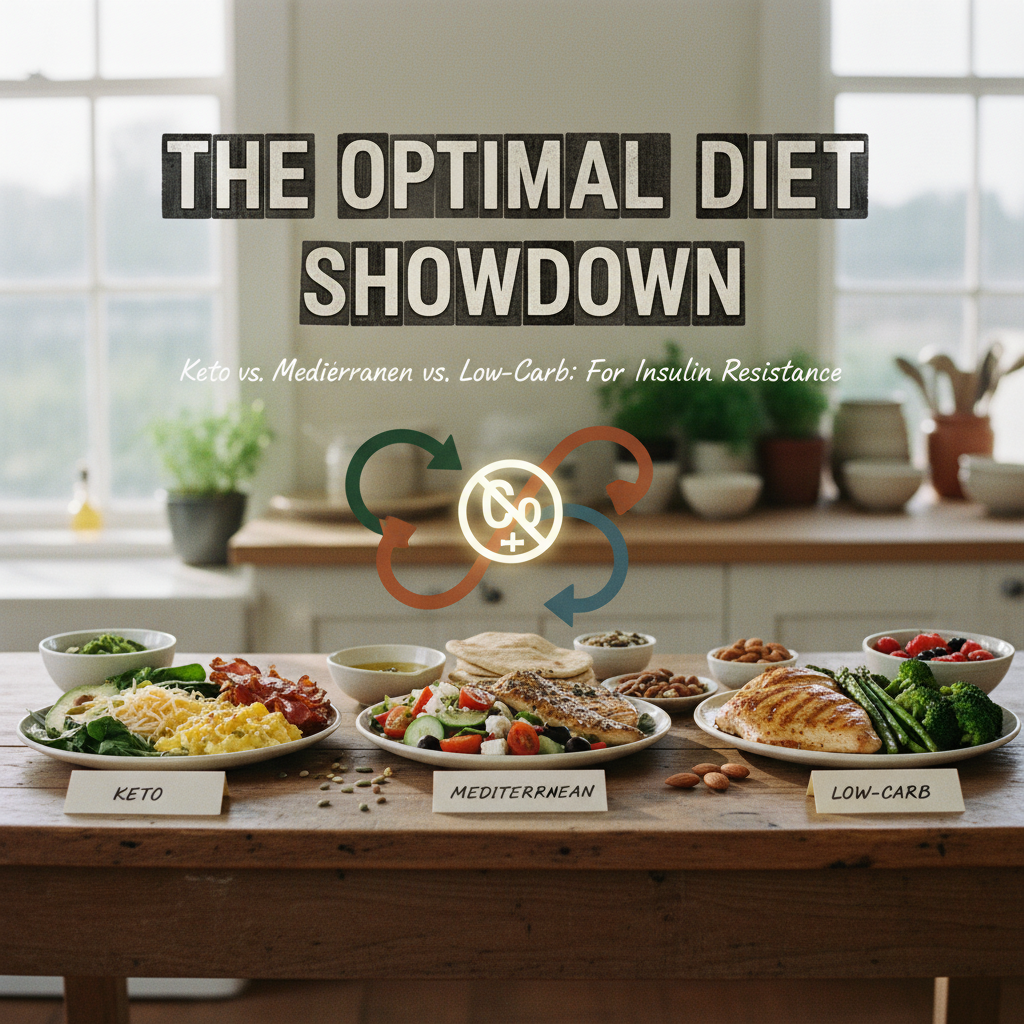
When it comes to managing or reversing insulin resistance, there isn’t a single “best” diet; rather, the optimal approach is highly individualized, often blending principles from the ketogenic, low-carb, and Mediterranean diets to create a sustainable and effective eating pattern. Each strategy offers unique benefits for improving metabolic health, primarily by regulating blood sugar and reducing the demand on insulin production.
The Short Answer: What Is the Best Diet for Insulin Resistance?
The most effective diet for insulin resistance is the one you can adhere to consistently while achieving significant improvements in blood glucose control, weight management, and overall metabolic markers. While very low-carb approaches like keto and general low-carb diets offer rapid reductions in blood sugar and insulin levels, the Mediterranean diet provides a robust framework for long-term health with strong anti-inflammatory benefits. Ultimately, a personalized approach, often incorporating elements from all three, tends to yield the best and most sustainable results.
Key Takeaways for Metabolic Health
- Carbohydrate Control: Reducing refined carbohydrates and sugars is paramount for all effective diets targeting insulin resistance.
- Whole Foods Focus: Prioritizing unprocessed, nutrient-dense foods is a shared principle across all beneficial dietary patterns.
- Healthy Fats: Incorporating monounsaturated and polyunsaturated fats plays a crucial role in improving insulin sensitivity and satiety.
- Fiber Intake: High fiber from vegetables, nuts, and seeds helps slow glucose absorption and supports gut health.
- Sustainability: The long-term viability of a diet is more critical than its short-term efficacy for lasting metabolic improvements.
Understanding Insulin Resistance and Dietary Interventions
Insulin resistance occurs when your body’s cells don’t respond effectively to insulin, leading to higher blood sugar levels and the pancreas working overtime to produce more insulin. Over time, this can contribute to prediabetes, type 2 diabetes, heart disease, and other chronic conditions. Dietary interventions are the cornerstone of managing and potentially reversing this metabolic dysfunction.
By strategically altering macronutrient intake, especially carbohydrates, and focusing on nutrient-dense whole foods, we can significantly impact how our bodies produce and utilize insulin. The goal is to reduce the constant demand for insulin, allowing cells to regain their sensitivity.
How Do Keto and Low-Carb Diets Affect Insulin Resistance?
Keto and low-carb diets primarily tackle insulin resistance by drastically reducing carbohydrate intake. This minimizes the post-meal glucose spike, thereby lowering the need for insulin production. When fewer carbohydrates are consumed, the body shifts to burning fat for energy, which can improve insulin sensitivity over time and promote weight loss, a key factor in reversing insulin resistance.
Can the Mediterranean Diet Reverse Insulin Resistance?
Yes, the Mediterranean diet can effectively improve and even reverse insulin resistance, though through different mechanisms than very low-carb approaches. It focuses on whole, unprocessed foods, healthy fats, lean proteins, and ample fiber, which together reduce inflammation, improve cellular insulin signaling, and promote healthy weight management. Its emphasis on antioxidants and complex carbohydrates from vegetables also contributes to stable blood sugar levels.
The Ketogenic Diet Deep Dive
The ketogenic diet is a very low-carbohydrate, high-fat eating plan that pushes the body into a metabolic state called ketosis. In ketosis, the body burns fat for fuel instead of glucose, producing ketones that can be used by the brain and other organs.
This metabolic shift has profound implications for insulin regulation. By severely restricting carbohydrates, the diet dramatically lowers blood glucose levels and, consequently, insulin levels, giving the pancreas a much-needed break.
The Keto Diet: Foundation and Metabolic Impact
The foundation of the keto diet involves consuming approximately 70-75% of calories from fat, 20-25% from protein, and a mere 5-10% from carbohydrates, typically under 20-50 grams per day. This macronutrient ratio forces the body to switch from glucose metabolism to fat metabolism, entering ketosis. For more in-depth information on its principles and how to get started, explore our comprehensive guide on the Keto Diet (/).
Keto Diet Benefits for Insulin Resistance
- Rapid Blood Sugar Reduction: The most immediate benefit is a significant drop in blood glucose levels due to minimal carbohydrate intake.
- Lower Insulin Levels: Sustained low carbohydrate intake leads to consistently lower circulating insulin, improving insulin sensitivity.
- Weight Loss: Keto is highly effective for weight loss, which is a critical factor in reversing insulin resistance for many individuals.
- Reduced Cravings: Many report decreased hunger and cravings due to stable blood sugar and the satiating effect of fats and protein.
Side Effects of Keto Diet for Insulin Resistance
- Keto Flu: Initial adaptation can lead to symptoms like headache, fatigue, nausea, and irritability.
- Nutrient Deficiencies: Restricting certain food groups can lead to inadequate intake of some vitamins and minerals.
- Sustainability Challenges: The strictness of the diet can make long-term adherence difficult for some individuals.
- Digestive Issues: Changes in fiber intake can sometimes lead to constipation or other digestive discomforts.
The Low-Carb Approach
The low-carb diet is a broader category than the ketogenic diet, characterized by a reduced intake of carbohydrates compared to standard dietary recommendations, but not necessarily strict enough to induce ketosis. It offers a more flexible alternative while still focusing on the core principle of carbohydrate reduction for metabolic health.
This approach allows for a wider variety of foods, making it potentially easier to sustain for many individuals while still delivering significant benefits for insulin resistance.
Low Carb vs Keto for Insulin Resistance
The primary difference lies in the carbohydrate limit. While keto typically restricts carbs to under 50g per day, a low-carb diet might allow anywhere from 50-150g daily. This greater flexibility means you might not always be in ketosis, but you still benefit from reduced blood sugar spikes and lower insulin demand. Low-carb diets can be a great stepping stone to keto or a sustainable long-term solution for those who find keto too restrictive.
Low Carb Diet Plan for Reversing Insulin Resistance
A low-carb diet plan for insulin resistance prioritizes:
- Non-starchy vegetables: Leafy greens, broccoli, cauliflower, bell peppers.
- Lean proteins: Chicken, fish, eggs, tofu.
- Healthy fats: Avocados, olive oil, nuts, seeds.
- Limited fruits: Berries in moderation.
- Avoiding: Sugary drinks, refined grains, processed snacks, starchy vegetables like potatoes and corn.
The Mediterranean Diet Approach
The Mediterranean diet is renowned for its health benefits, including its positive impact on cardiovascular health and longevity. It emphasizes whole, unprocessed foods, healthy fats, and a rich array of plant-based ingredients, making it an excellent strategy for combating insulin resistance.
This dietary pattern offers a holistic approach, addressing not only blood sugar control but also systemic inflammation, which is closely linked to insulin dysfunction.
Improving Cellular Insulin Signaling and Reducing Inflammation
The Mediterranean diet’s strength against insulin resistance lies in its abundant antioxidants from fruits and vegetables, anti-inflammatory omega-3 fatty acids from fish and olive oil, and high fiber content. These components work synergistically to reduce oxidative stress, improve the integrity of cell membranes, and enhance the sensitivity of insulin receptors. This helps cells respond more efficiently to insulin, reducing the overall insulin load on the body.
Mediterranean Diet for Insulin Resistance Meal Plan
- Breakfast: Greek yogurt with berries, nuts, and a drizzle of honey; or scrambled eggs with spinach and olive oil.
- Lunch: Large salad with mixed greens, grilled chicken or chickpeas, olives, feta cheese, and an olive oil-based dressing.
- Dinner: Baked salmon with roasted vegetables (zucchini, bell peppers, eggplant) and a small serving of quinoa or whole-grain bread.
- Snacks: A handful of almonds, an apple, or hummus with vegetable sticks.
Data Breakdown: Comparing Keto Mediterranean and Low Carb for Metabolic Health
Comparing these three diets reveals distinct strengths and approaches to managing insulin resistance. While all aim for improved metabolic health, their macronutrient profiles and underlying mechanisms differ significantly.
Understanding these differences is key to choosing the most appropriate path for an individual’s specific needs and health goals.
Head-to-Head Comparison Matrix
| Feature | Ketogenic Diet | Low-Carb Diet | Mediterranean Diet |
|---|---|---|---|
| Carbohydrate Intake | Very Low (<50g/day) | Low (50-150g/day) | Moderate (from whole, unprocessed sources) |
| Primary Focus | Induce ketosis, fat burning | Reduce carb intake, stabilize blood sugar | Whole foods, healthy fats, anti-inflammatory |
| Key Macronutrients | High Fat, Moderate Protein, Very Low Carb | Moderate Fat, Moderate Protein, Low Carb | Moderate Fat, Moderate Protein, Moderate Carb |
| Benefits for IR | Rapid blood sugar/insulin reduction, weight loss | Stable blood sugar, weight management, improved sensitivity | Reduced inflammation, improved cellular signaling, long-term health |
| Challenges | Strict adherence, “keto flu,” nutrient balance | Less restrictive than keto, still requires mindful eating | May require careful portioning of some carbs for IR |
| Sustainability | Moderate to Low (due to strictness) | Moderate to High | High |
| Typical Foods | Meats, fish, eggs, oils, avocado, non-starchy veg | Meats, fish, eggs, nuts, seeds, non-starchy veg, some fruits/legumes | Fruits, vegetables, whole grains, legumes, nuts, seeds, olive oil, fish, poultry |
Keto vs Mediterranean Diet for Insulin Resistance: The Adherence Factor
The choice between keto and Mediterranean often boils down to the adherence factor. The ketogenic diet can offer quicker, more dramatic results for blood sugar and insulin due to its strict carbohydrate restriction. However, its restrictive nature can make it challenging to maintain long-term, potentially leading to burnout or rebound weight gain.
The Mediterranean diet, while potentially slower in its immediate impact on blood sugar, is generally easier to adhere to for life. Its emphasis on variety, cultural enjoyment of food, and less restrictive approach to whole carbohydrates makes it highly sustainable. For insulin resistance, the best diet is ultimately the one that can become a consistent lifestyle.
Expert Analysis: Bridging Clinical Data with Daily Habits
Clinical research consistently highlights the benefits of all three dietary approaches for improving insulin sensitivity and metabolic health. However, translating these findings into sustainable daily habits requires a nuanced understanding of individual physiology, lifestyle, and preferences. No single diet is a panacea, and what works for one person may not work for another.
The key is to draw upon the strengths of each diet to craft a personalized eating plan. This might mean starting with a more restrictive low-carb or keto phase to achieve rapid metabolic improvements, then transitioning to a more flexible Mediterranean-style approach for long-term maintenance.
Balancing Immediate Glycemic Control with Long-Term Sustainability
For individuals with severe insulin resistance or type 2 diabetes, the immediate and profound glycemic control offered by ketogenic or very low-carb diets can be invaluable. These diets quickly reduce the physiological burden on the pancreas. However, for long-term health and prevention, the Mediterranean diet’s emphasis on whole, unprocessed foods, healthy fats, and anti-inflammatory components provides a robust framework that is often easier to maintain and promotes overall well-being beyond just blood sugar control. A balanced approach often involves using low-carb principles for initial impact and then integrating Mediterranean principles for sustainable healthy living.
Practical Application: Building Your Optimal Plate
Regardless of which diet you lean towards, the core principles for combating insulin resistance remain: minimize processed foods, reduce refined sugars and starches, prioritize whole proteins, healthy fats, and fiber-rich vegetables. Building your optimal plate means making conscious choices at every meal.
This section provides lay-friendly examples, demonstrating how these dietary philosophies translate into everyday eating.
Lay-Friendly Daily Meal Comparisons
Here’s how a typical day might look for each approach:
- Keto Plate:
- Breakfast: Scrambled eggs with cheese, avocado, and a side of spinach cooked in butter.
- Lunch: Large salad with grilled chicken, olive oil dressing, olives, and feta.
- Dinner: Salmon baked with asparagus and broccoli, drizzled with olive oil.
- Low-Carb Plate:
- Breakfast: Greek yogurt (full-fat, plain) with a small handful of berries and walnuts.
- Lunch: Turkey and avocado lettuce wraps with a side of mixed greens.
- Dinner: Lean steak with a generous portion of roasted Brussels sprouts and a small baked sweet potato.
- Mediterranean Plate:
- Breakfast: Oatmeal (steel-cut) with berries, flax seeds, and a few almonds.
- Lunch: Lentil soup with a whole-grain roll and a side salad.
- Dinner: Grilled cod with a medley of colorful roasted vegetables (bell peppers, zucchini, onions) and a small serving of brown rice.
Frequently Asked Questions
- Can I combine elements of these diets?
Yes, absolutely. Many find success by adopting a “Mediterranean-keto” or “low-carb Mediterranean” approach, focusing on whole, unprocessed foods, healthy fats, and emphasizing vegetables while being mindful of carbohydrate intake.
- How long does it take to reverse insulin resistance?
The timeline varies greatly depending on the individual’s starting point, adherence to the diet, and other lifestyle factors like exercise. Significant improvements can often be seen within weeks to a few months.
- Do I need to count calories on these diets?
While calorie counting isn’t always strictly necessary, especially on keto and low-carb due to their satiating nature, being mindful of portion sizes is always beneficial for weight management, which is crucial for insulin resistance.
- Should I consult a doctor or dietitian before starting?
Always. Especially if you have pre-existing conditions, are on medication, or have significant health concerns, professional guidance is essential to ensure safety and effectiveness.
Conclusion: Choosing Your Path to Insulin Sensitivity
The showdown between keto, Mediterranean, and low-carb diets for insulin resistance doesn’t yield a single victor, but rather highlights a spectrum of powerful tools. Each diet offers distinct advantages, from the rapid glycemic control of very low-carb approaches to the comprehensive, anti-inflammatory benefits of the Mediterranean pattern. The optimal choice is deeply personal, influenced by individual health status, lifestyle, and the ability to sustain the dietary changes long-term.
Ultimately, the most successful path to insulin sensitivity will be one that is sustainable, enjoyable, and tailored to your unique needs, ideally guided by a healthcare professional. By focusing on whole, unprocessed foods, managing carbohydrate intake, and prioritizing healthy fats, you can build a dietary foundation that empowers your body to regain its metabolic balance and improve your overall health.
