Transforming ordinary produce into extraordinary meals is the secret weapon of every great home cook. Far too often, vegetables are treated as an afterthought, hastily steamed and served with a mere sprinkle of salt. However, elevating your vegetable side dishes can completely redefine your dining experience. A well-executed vegetable dish adds essential colors, varied textures, and vibrant flavors that complement any main course perfectly.
Whether you are planning an elaborate holiday feast or just throwing together quick weeknight dinners, the right side dish bridges the gap between a good meal and a great one. The beauty of these recipes lies in their incredible versatility and nutritional value. By exploring different cooking techniques, you will uncover the natural sweetness of root vegetables and the savory depth of leafy greens.
In this comprehensive guide, you will discover an incredible variety of recipes that will make you fall in love with vegetables all over again. We will explore everything from crispy roasted classics and quick stovetop creations to refreshing salads and comforting mashed alternatives. Get ready to upgrade your culinary repertoire and leave those boring, mushy vegetables in the past.
Mastering Roasted Vegetable Recipes for Dinner
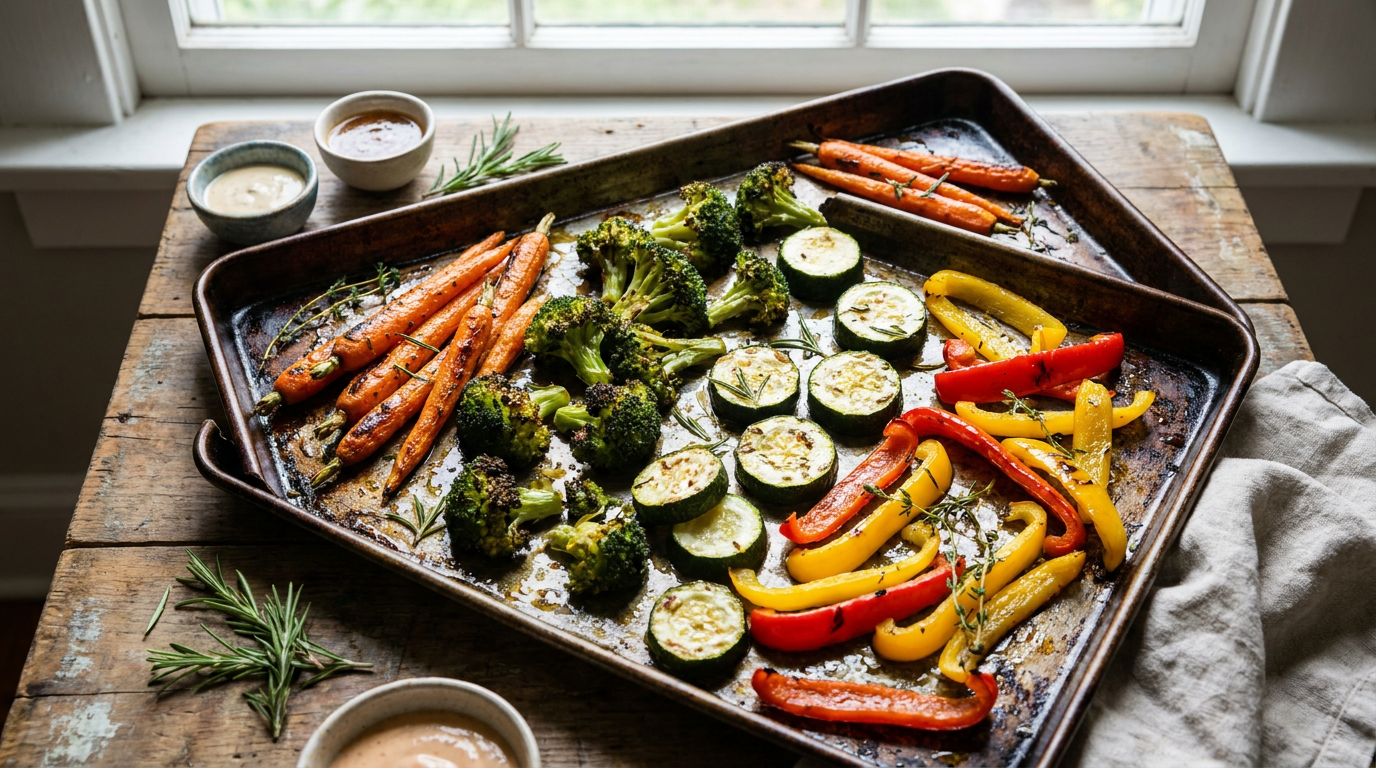
Oven-roasting is arguably the most transformative cooking method for fresh produce. The dry heat of the oven evaporates excess moisture, concentrating the natural sugars within the plants. This process, known as caramelization, turns even the most bitter vegetables into irresistible, savory-sweet treats.
When you roast vegetables, you create a delightful contrast between crispy exteriors and tender, melting interiors. From hearty root vegetables to delicate summer squash, the oven brings out complex flavor profiles that boiling simply washes away. Mastering this technique requires just a few basic principles.
Choosing the Best Oils and Seasonings
The foundation of any great roasted vegetable starts with the right fat. Extra virgin olive oil is the gold standard for roasting at moderate temperatures around 400°F. It imparts a beautiful, fruity flavor that pairs naturally with Mediterranean favorites like ratatouille and roasted tomatoes. For higher heat roasting, avocado oil offers a superior smoke point without altering the dish’s flavor.
Seasoning should be generous but balanced. Beyond the essential kosher salt and freshly cracked black pepper, consider adding dried herbs before roasting to infuse flavor. Woody herbs like rosemary and thyme work wonders with potatoes and carrots. Wait to add delicate fresh herbs like parsley or cilantro until the vegetables emerge from the oven to preserve their bright colors.
The Secret to Crispy Textures
Achieving that coveted crunch requires careful attention to moisture control. Vegetables must be completely dry before they hit the pan. If you wash your broccoli florets right before cooking, take the extra time to spin them dry or pat them down thoroughly. Residual water creates steam, leading to soggy, unappetizing results.
Equally important is how you cut your produce. Slicing vegetables into uniform pieces ensures they cook at exactly the same rate. For items like Brussels sprouts or thick carrots, placing the flat, cut side directly against the hot metal pan maximizes the surface area exposed to heat. This direct contact is what creates those deeply browned, flavorful crusts.
Sheet Pan Tips for Even Cooking
Overcrowding is the number one mistake home cooks make when preparing oven-baked sides. When vegetables are piled on top of each other, they release steam that gets trapped in the pile. Give your spring sheet pan dinners plenty of breathing room to guarantee proper browning. If necessary, divide your batch across two large baking sheets rather than squeezing them onto one.
Parchment paper makes cleanup a breeze, but cooking directly on a bare metal pan yields the crispest results. If you want the best of both worlds, use heavy-duty aluminum foil coated lightly with oil. Don’t forget to toss your vegetables halfway through the cooking time to ensure they brown evenly on all sides.
Quick Stovetop Vegetable Creations
When time is short and the oven is occupied, your stovetop becomes the ultimate tool for fast, flavorful sides. High-heat searing and quick-steaming methods preserve the vibrant colors and essential nutrients of your produce. Stovetop cooking gives you precise control, allowing you to stop the cooking process at the exact moment of perfect tenderness.
These techniques are particularly effective for delicate greens and tender spring vegetables that require minimal cooking time. By utilizing a hot skillet, you can develop rich, savory notes in a fraction of the time it takes to heat up the oven. Let’s explore some incredibly fast stovetop methods.
Sautéing Greens and Asparagus
Sautéing is the perfect technique for quick-cooking greens like Swiss chard, spinach, and kale. The secret is to start with a hot pan and a small amount of flavorful fat, like garlic-infused olive oil or a pat of butter. Toss the greens continuously so they wilt evenly without burning the delicate leaves. A quick splash of apple cider vinegar or lemon juice at the end brightens the earthy flavors significantly.
For sturdy asparagus spears, a quick pan-fry over medium-high heat yields fantastic results. Roll the spears in the hot pan until they are bright green and slightly blistered. Finish them with a sprinkle of toasted almonds and crumbled feta cheese for an elegant side dish that takes less than ten minutes from fridge to table.
Blistering Beans and Corn
Cast iron skillets are your best friend when you want to blister vegetables. Fresh green beans and sweet summer corn kernels transform beautifully when exposed to aggressive dry heat. Let the vegetables sit undisturbed in the hot skillet for a minute or two to develop a deep, charred exterior. This technique mirrors the smoky flavors of an outdoor grill right in your kitchen.
Once you achieve that perfect char, you can layer on additional flavors. Try tossing blistered corn with chili powder, lime juice, and cotija cheese for a Mexican street corn-inspired side. For green beans, a simple glaze of soy sauce, ginger, and garlic turns a basic vegetable into an irresistible, sticky-sweet masterpiece.
Creamy Mashed Alternatives
Mashing isn’t just for heavy potatoes anymore. Stovetop simmering allows you to create luscious, creamy purées from lighter vegetables like cauliflower and celery root. Simply boil the florets or chunks in vegetable broth until fork-tender, then drain them thoroughly. Pressing out the excess water is crucial for a thick, satisfying texture.
Use an immersion blender or food processor to achieve a silky smooth consistency. Enhance the richness by blending in a dollop of Greek yogurt, roasted garlic, or a handful of sharp parmesan cheese. These vegetable mashes offer all the comfort of traditional sides with a lighter, nutrient-dense profile.
Vibrant Salads and Fresh Veggie Sides
Not all side dishes need to be served piping hot. Fresh, raw, or lightly blanched vegetable salads bring a necessary acidic crunch to balance rich main courses. Moving beyond basic lettuce mixes opens up a world of texture and bold flavor combinations. These vibrant creations showcase the natural beauty of seasonal produce.
Cold vegetable dishes are fantastic for meal prep because their flavors often improve as they marinate. They provide an energetic, refreshing contrast to heavy winter stews or slow-cooked meats. By focusing on robust vegetables, you can create salads that won’t wilt the moment they touch dressing.

Building a Balanced Slaw
A great slaw is all about the crunch factor. Start with a base of shredded cabbage, hearty kale, or shaved Brussels sprouts. These sturdy greens hold up beautifully to dressings and won’t turn soggy overnight. To build complexity, add julienned carrots, thinly sliced radishes, or crisp green apples for a touch of natural sweetness.
The dressing is what ties a slaw together. Instead of heavy mayonnaise, try a tangy honey-mustard vinaigrette or a creamy tahini-lemon drizzle. Toss the vegetables in the dressing at least thirty minutes before serving to soften the hearty greens slightly while maintaining their satisfying snap.
Tomato and Cucumber Combinations
When summer produce peaks, simple assemblies are often the most impressive. An easy tomato and cucumber salad relies entirely on the quality of its ingredients. Cut ripe heirloom tomatoes into chunky wedges and slice cucumbers thickly for substantial bites. Red onions soaked briefly in cold water lose their harsh bite while keeping their vibrant color and crunch.
Dress these juicy vegetables simply with high-quality olive oil, red wine vinegar, and fresh oregano. The natural juices from the tomatoes mix with the vinaigrette to create an incredibly flavorful broth at the bottom of the bowl. Serve this alongside crusty bread so your guests can soak up every last drop.
Incorporating Grains like Quinoa
Adding whole grains transforms a light vegetable side into a more substantial dish. Quinoa, bulgur, and farro provide an earthy, nutty base that absorbs dressings beautifully. When planning make-ahead potluck dishes, grain-based vegetable salads are incredibly reliable because they travel well and hold their texture at room temperature.
Try folding roasted root vegetables or blistered corn into fluffy quinoa. Add a generous handful of chopped fresh herbs like parsley and mint to keep the flavor profile bright and fresh. A squeeze of fresh lemon juice just before serving wakes up the entire dish, creating a perfectly balanced flavor profile.
Cozy Comfort: Root Vegetables and Squash
When the weather turns cool, we naturally crave heavier, more comforting sides. Root vegetables and winter squashes are nutritional powerhouses that store beautifully and provide deep, satisfying flavors. Their dense textures make them incredibly versatile, capable of being baked, roasted, or pureed into velvety smooth concoctions.
These hearty vegetables are the backbone of holiday dinners and Sunday roasts. They bring a natural, earthy sweetness that pairs beautifully with savory herbs and warm spices. Let’s look at how to maximize the comforting potential of these durable pantry staples.
Mastering the Baked Sweet Potato
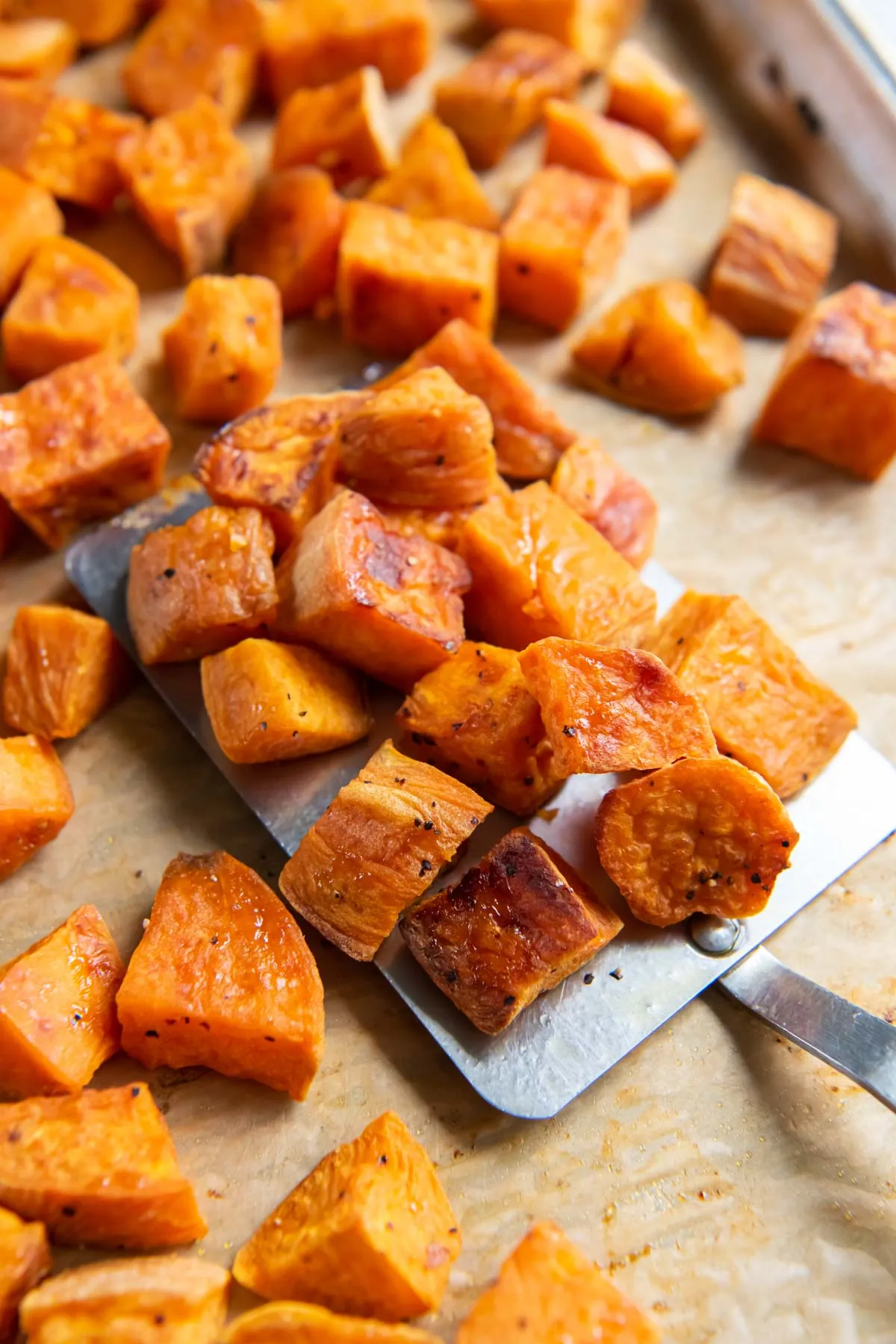
A perfectly baked sweet potato is a culinary triumph that requires minimal effort. The goal is to achieve a fluffy, steaming interior encased in a slightly caramelized, edible skin. Scrub the potatoes clean, prick them several times with a fork to release steam, and rub the skins with a tiny amount of olive oil and coarse salt.
Bake them at a high temperature, around 425°F, until they yield completely to a gentle squeeze. They should be so tender that they practically fall open when sliced. Serve them savory with a dollop of sour cream and chives, or lean into their sweetness with a touch of maple syrup and toasted pecans.
Creamy Soups and Casseroles
Sometimes the best vegetable side is served in a bowl. Roasted butternut squash or creamy cauliflower soups function brilliantly as warm, inviting starters or rich side dishes. Roasting the vegetables prior to blending them with broth adds an incomparable depth of smoky, caramelized flavor that boiling cannot match.
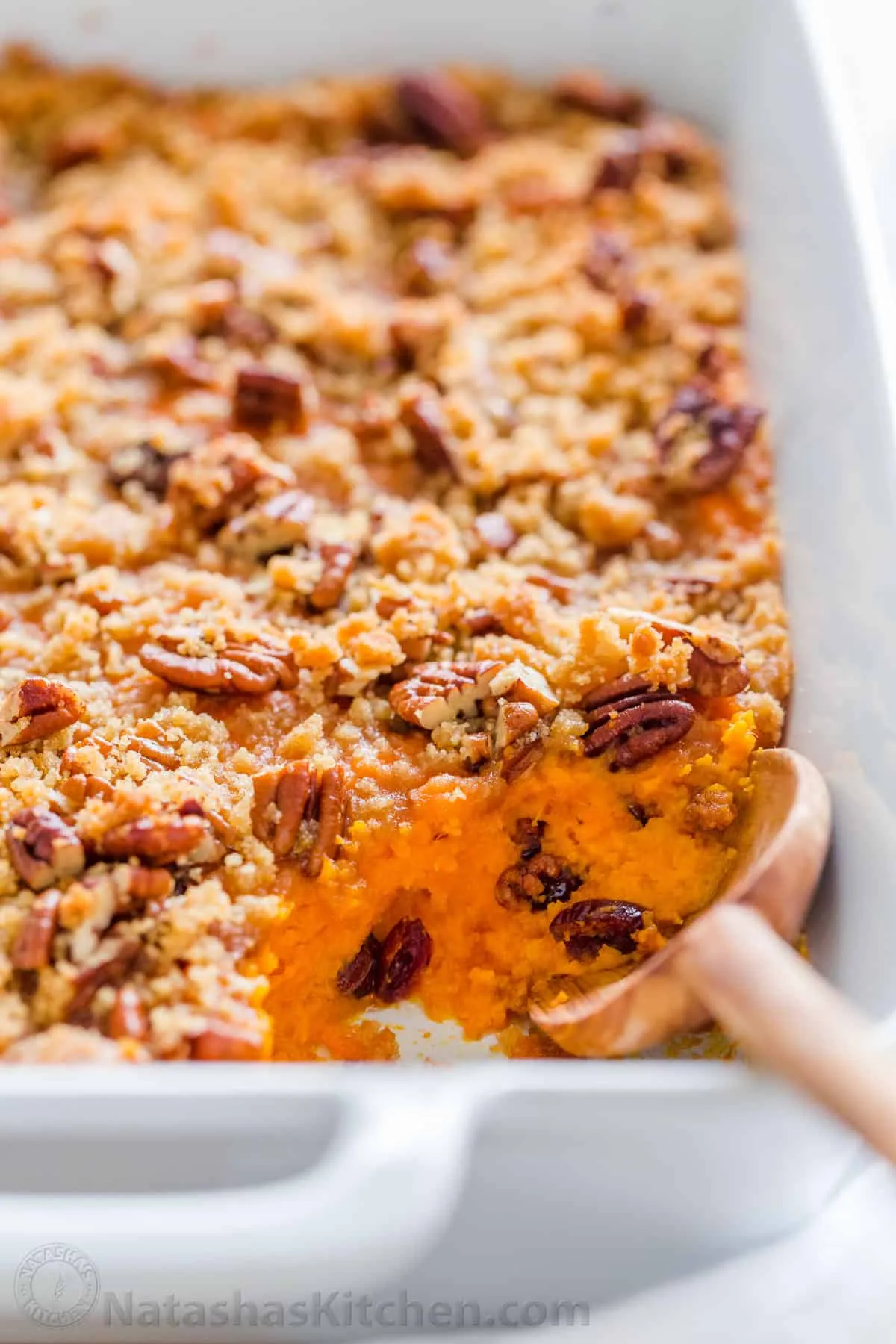
For holiday gatherings, casseroles are the ultimate comfort food. You can modernize the classic sweet potato casserole by skipping the marshmallows and opting for a savory pecan-herb crust. Layering thinly sliced root vegetables in a creamy gratin is another surefire way to impress your guests with minimal active cooking time.
Classic Potato Variations
No side dish list is complete without mentioning the beloved potato. While traditional mashing is always a hit, experimenting with new shapes and methods keeps things exciting. Hasselback potatoes, sliced thinly but left intact at the base, fan out beautifully in the oven and provide maximum surface area for crispy edges.
If you want restaurant-quality crunch with less oil, exploring air fryer potato recipes is a game-changer. The rapid air circulation creates perfectly golden fries and crispy roasted wedges in record time. Tossing warm potatoes with fresh dill and a light vinaigrette also makes a fantastic, mayo-free potato salad alternative.
Choosing Between Cooking Methods for Vegetable Side Dishes
Selecting the right cooking method is crucial for bringing out the best qualities of your fresh produce. Some vegetables thrive under high heat, while others require gentle steaming to preserve their delicate structures. Understanding these techniques helps you plan meals more efficiently.
Use the comparison table below to determine which cooking technique suits your chosen ingredients. This quick reference guide highlights the flavor profiles and optimal cooking times for various preparations, ensuring perfect results every single time.
| Cooking Method | Best Vegetables | Time Required | Resulting Flavor Profile |
|---|---|---|---|
| Oven-Roasting | Broccoli, Carrots, Cauliflower, Potatoes | 25 – 45 minutes | Deeply caramelized, sweet, nutty, and savory |
| Sautéing | Spinach, Kale, Asparagus, Mushrooms | 5 – 10 minutes | Bright, savory, slightly earthy, and vibrant |
| Blistering | Green Beans, Corn, Shishito Peppers | 10 – 15 minutes | Smoky, charred, sweet, and robust |
| Raw/Salad | Cucumbers, Tomatoes, Cabbage, Radishes | 10 mins (plus marinating) | Crisp, acidic, refreshing, and snappy |
| Mashing/Pureeing | Sweet Potatoes, Cauliflower, Celery Root | 20 – 30 minutes | Rich, creamy, smooth, and comforting |
Expert Tips for Foolproof Vegetable Sides
Even the most beautifully written recipes require good technique to execute perfectly. Mastering vegetable side dishes comes down to understanding a few fundamental kitchen principles. By adopting these professional habits, you will dramatically improve the texture and flavor of your side items.
Here are several expert techniques to elevate your vegetable preparation:
- Cut uniform pieces: Always chop your vegetables into identical sizes. If your carrot chunks vary wildly in size, the smaller pieces will burn to a crisp while the larger chunks remain unpleasantly raw in the center.
- Salt early and often: Don’t wait until the vegetables are on the plate to add salt. Seasoning raw vegetables before cooking draws out excess moisture and allows the salt to penetrate deeply, enhancing the natural flavors from the inside out.
- Embrace acid: If a cooked vegetable dish tastes flat or heavy, it probably lacks acidity. A quick squeeze of fresh lemon juice or a dash of red wine vinegar just before serving instantly wakes up the flavors and brightens the entire dish.
- Reduce kitchen waste: Implementing sustainable cooking habits saves money and adds flavor. Don’t throw away broccoli stems; peel the tough outer layer and roast the tender core. Save clean vegetable peels and ends in a freezer bag to create rich, homemade vegetable broth later.
- Preheat your pans: Whether you are roasting in the oven or sautéing on the stove, hot metal is essential. Putting cold vegetables onto a cold pan guarantees a soggy, steamed result instead of a crispy, golden-brown sear.
Frequently Asked Questions about vegetable side dishes
How far in advance can I chop vegetables for a side dish?
Most hardy vegetables like carrots, broccoli, and potatoes can be chopped up to two days in advance. Store them in airtight containers in the refrigerator to maintain freshness. However, store cut potatoes in a bowl of cold water to prevent them from oxidizing and turning brown.
Why do my roasted vegetables always turn out soggy?
Soggy roasted vegetables are usually the result of overcrowding the baking sheet or failing to dry the produce after washing. Ensure there is visible space between your vegetable pieces on the pan. Additionally, make sure your oven is fully preheated to a high temperature, typically around 400°F.
What are the healthiest cooking methods for vegetables?
Steaming, microwaving, and quick-sautéing are excellent for preserving water-soluble vitamins like Vitamin C. Roasting is also quite healthy, provided you use heart-healthy oils like olive or avocado oil in moderation. Eating a mix of raw and cooked vegetables is the best way to maximize your overall nutrient intake.
How can I make vegetable side dishes appealing to picky eaters?
Start by pairing vegetables with familiar, beloved flavors like a sprinkle of parmesan cheese, a drizzle of honey, or a crispy breadcrumb topping. Roasting vegetables rather than boiling them drastically reduces bitterness and brings out natural sweetness. Cutting vegetables into fun, smaller shapes can also make them less intimidating.
Can I freeze leftover cooked vegetable sides?
Yes, but the texture will change significantly upon thawing. Hearty preparations like mashed sweet potatoes, pureed soups, and casseroles freeze beautifully. However, crispy roasted vegetables or fresh slaws will become mushy if frozen, so it is best to enjoy those fresh.
What is the best way to reheat roasted vegetables?
To restore their crispy texture, reheat roasted vegetables in an air fryer at 350°F for 3-5 minutes, or in an oven at 400°F for about 10 minutes. Avoid using the microwave if possible. Microwaves trap steam and will instantly turn your beautifully roasted crusts into a soggy mess.
How much vegetable side dish should I portion per person?
A good rule of thumb is to prepare about 4 to 6 ounces of raw vegetables per person. This translates to roughly half a cup to one full cup of cooked vegetables per serving. When hosting a dinner party, it is always safer to round up, as hearty vegetable sides often go fast.
Are frozen vegetables as good as fresh for side dishes?
Frozen vegetables are flash-frozen at peak ripeness, meaning they are incredibly nutrient-dense and excellent for cooking. They work perfectly in soups, casseroles, and mashes where texture is less critical. However, for crispy roasted sides or fresh salads, raw, fresh produce will always yield superior results.
Wrapping Up Your Vegetable Menu
Creating extraordinary vegetable side dishes doesn’t require a culinary degree or hours of complicated prep work. By understanding the basics of high-heat roasting, quick stovetop searing, and balancing flavors with fresh acids and herbs, you can completely transform your weekly dinner routine. The key is to treat your produce with the same care and seasoning you would apply to your main proteins.
Incorporating these healthy vegetable side dishes into your meal planning will bring vibrant colors, robust nutrition, and exciting new textures to your dining table. Don’t be afraid to experiment with the combinations and techniques shared in this guide. Grab a sheet pan, toss your favorite seasonal veggies in some high-quality olive oil, and watch them become the true stars of your next homemade meal.
