Source www.kitchenmomy.com
There is something universally comforting about a plate of fresh homemade ravioli. However, the tedious process of mixing, resting, and rolling pasta dough often deters even the most enthusiastic home cooks. If you love the rich, creamy filling of traditional stuffed pasta but hate the demanding prep work, you need to learn how to make these delightful Italian dumplings. They deliver all the luxurious flavor of a high-end restaurant dish without the need for specialized equipment or hours of intense labor.
Enter the brilliant culinary invention known as gnudi. Making perfect spinach and ricotta gnudi at home is surprisingly accessible, relying more on patience and ingredient quality than advanced technical skills. These pillowy, melt-in-your-mouth dumplings are essentially ravioli filling that has been liberated from its pasta shell. When executed correctly, they are so delicate and fluffy that they practically dissolve on your tongue, leaving behind the rich flavors of sweet milk, earthy greens, and nutty parmesan.
In this comprehensive guide, we will break down the science and technique behind this classic Tuscan dish. You will discover exactly how to manage moisture, which ingredients are non-negotiable, and how to create the magical semolina crust that holds everything together. Whether you are planning an elegant dinner party or looking to expand your culinary repertoire, mastering these naked dumplings will completely change how you think about homemade pasta.
What Makes Authentic Italian Gnudi Different
The Meaning Behind Naked Ravioli
The word “gnudi” literally translates to “naked” in the traditional Tuscan dialect. This humorous and highly descriptive name perfectly captures the essence of the dish. Instead of hiding a beautiful ricotta and spinach mixture inside a pocket of egg dough, the filling is left completely exposed. It is a brilliant celebration of the ingredients themselves.
Tuscan cooking is historically rooted in the philosophy of “cucina povera,” or poor-house cooking. This culinary tradition emphasizes making the most out of simple, high-quality, and readily available ingredients. By stripping away the pasta shell, early Italian cooks created a lighter, more cheese-forward dish that required fewer ingredients and less overall effort.
Today, these naked dumplings are prized in modern gastronomy for their incredible texture. A perfectly executed dumpling should feel like a small, savory cloud. It offers a delicate, creamy mouthfeel that stands in stark contrast to the firm chew of traditional extruded pastas.
Gnudi vs Gnocchi Explained
It is incredibly common for home cooks to confuse these ricotta dumplings with traditional potato gnocchi. While they share a similar shape and are both boiled until they float, the base ingredients create completely different culinary experiences. Gnocchi relies heavily on starchy potatoes and wheat flour to create structure and a satisfying, chewy bite.
In contrast, our naked ravioli uses fresh dairy as its primary structural component. Because milk proteins behave differently than potato starches, the resulting texture is significantly lighter and creamier. If you have ever been disappointed by dense, heavy, or gummy gnocchi, switching to a ricotta base might be the perfect solution.
Furthermore, gnocchi dough is mixed and cooked almost immediately. The ricotta version requires a lengthy resting period to develop its unique exterior. This fundamental difference in preparation methods means the two dishes cannot be treated identically in the kitchen.
Why Semolina Coating is Crucial
The true magic of this recipe lies in the use of semolina flour. Semolina is a coarse, pale-yellow flour milled from hard durum wheat. Instead of mixing the flour directly into the cheese mixture, the soft dumplings are completely buried in a deep bed of semolina and left to rest in the refrigerator.
During this resting period, a fascinating scientific process occurs. The dry semolina slowly absorbs the ambient moisture from the exterior of the ricotta cheese spheres. As it hydrates, it naturally forms a micro-thin, pasta-like skin around the soft filling.
This natural casing is what holds the delicate dumpling together when it hits the boiling water. Without this crucial semolina resting phase, the cheese mixture would simply dissolve into a cloudy mess the moment it entered the pot. It is a completely hands-off process that yields spectacular results.
Essential Ingredients for Perfect Dumplings
Choosing the Right Ricotta Cheese
When sourcing ingredients for spinach and ricotta gnudi, quality is everything. The ricotta is the undisputed star of the show, providing both flavor and structural integrity. You must use whole-milk ricotta; part-skim varieties lack the necessary fat content and will result in a grainy, watery dumpling.
If possible, seek out fresh ricotta from a local Italian deli or cheese shop. Fresh dairy has a naturally sweet, clean flavor that mass-produced brands simply cannot match. If supermarket brands are your only option, look for tubs that list only milk, salt, and an acid or starter culture in their ingredients.
Avoid any ricotta that contains gums, stabilizers, or thickeners. These artificial additives trap water inside the cheese, making it nearly impossible to drain properly. Excessive moisture will completely ruin the delicate texture we are striving to achieve.
Preparing the Spinach Correctly
Spinach provides the beautiful green speckles and earthy flavor profile that balances the rich dairy. You can use either fresh baby spinach or frozen chopped spinach for this recipe. If you choose frozen, you are actually saving a step, as the cooking and wilting have already been done for you.
If you are looking to create sustainable dishes that cut food waste, this is an excellent way to use up fresh spinach that is starting to wilt in your crisper drawer. Simply blanch the fresh greens in boiling water for thirty seconds, then immediately shock them in ice water to lock in the vibrant green color.
Regardless of whether you use fresh or frozen, the spinach must be aggressively dried before mixing. Any residual water hiding in the leaves will throw off the hydration of the dough. We will cover the specific drying technique in the preparation section, as it is absolutely vital to your success.
The Role of Parmigiano-Reggiano
While ricotta provides the creamy base, Parmigiano-Reggiano delivers the crucial savory punch. This aged Italian cheese is packed with glutamates, which provide a deep, complex umami flavor. It prevents the dumplings from tasting flat or overly milky.
You must use freshly grated cheese from a solid block for this recipe. Pre-grated cheeses are coated in anti-caking agents like cellulose, which prevent them from melting smoothly into the delicate dough. A microplane grater is the perfect tool for creating fluffy, snow-like mounds of parmesan that will incorporate seamlessly.
Beyond flavor, the hard cheese acts as a secondary binder. As the dumplings cook, the parmesan melts and helps hold the softer ricotta proteins together. Never skimp on this ingredient; it is the secret to a professional-tasting final product.
Step-by-Step Cooking Technique
Draining the Moisture
The single most common reason home cooks fail at making these dumplings is excess moisture. Begin by placing your ricotta in a fine-mesh sieve lined with cheesecloth or sturdy paper towels. Set this over a bowl and let it drain in the refrigerator for at least a few hours, or ideally overnight.
For the spinach, draining in a colander is simply not enough. You must place the cooked or thawed spinach into a clean kitchen towel. Roll the towel up and twist the ends in opposite directions, wringing the spinach as tightly as humanly possible.
You will be shocked at how much dark green liquid pours out of the towel. Keep twisting until your hands hurt and not a single drop remains. The spinach should emerge looking like a dense, dry, green hockey puck before you chop it finely to fold into the cheese.
Shaping the Dumplings
The process of shaping spinach and ricotta gnudi requires a delicate touch. Once your drained cheese, dry spinach, egg yolks, parmesan, and a pinch of nutmeg are gently folded together, it is time to form the spheres. Do not overmix the dough; fold it just until the ingredients are evenly distributed to maintain a fluffy texture.
Using a small cookie scoop or two spoons, portion the mixture into balls roughly the size of a whole walnut. Gently roll each portion between your damp palms to smooth the edges. If the mixture is sticking excessively to your hands, chill the bowl in the fridge for twenty minutes before continuing.
Once formed, place the delicate spheres directly into a baking dish generously dusted with a thick layer of semolina flour. Sift more semolina completely over the top until the dumplings vanish beneath the golden flour. Now, they must rest uncovered in the refrigerator for 12 to 24 hours to form their crucial protective skin.
Boiling to Perfection
When the resting period is over, carefully unearth your dumplings from the semolina using a slotted spoon. Gently brush away the excess loose flour with your fingers. You will notice that they have developed a firm, dry exterior while remaining squishy on the inside.
Bring a large, wide pot of generously salted water to a gentle simmer. Do not use a furious, rolling boil, as the violent bubbles can tear the fragile skins apart. Carefully lower the dumplings into the water in small batches so you don’t crowd the pot.
They will initially sink to the bottom. After about three to four minutes, they will magically bob to the surface. Once they float, let them cook for just 30 seconds more, then immediately remove them with a slotted spoon or spider skimmer.
Best Sauces and Serving Suggestions
Classic Brown Butter and Sage
The traditional Tuscan way to serve these delicate pillows is with a simple “burro e salvia” sauce. The rich, nutty notes of browned butter perfectly complement the sweet, milky flavors of the cheese. Frying fresh sage leaves in the butter infuses the fat with an earthy, aromatic quality that pairs beautifully with the spinach.
To make this classic sauce, melt high-quality unsalted butter in a wide skillet over medium heat. Once it foams, toss in a handful of fresh sage leaves. Swirl the pan continuously until the milk solids in the butter turn the color of toasted hazelnuts and emit a distinct, nutty aroma.
Immediately remove the pan from the heat and gently transfer your freshly boiled dumplings directly into the warm butter. Toss them carefully to coat, ensuring the delicate skins are slicked with the golden fat. Serve immediately with a generous shower of grated parmesan on top.
Simple Pomodoro Tomato Sauce
If you prefer a brighter, more acidic contrast to the rich dairy, a simple pomodoro sauce is an exceptional alternative. The vibrant tang of sweet San Marzano tomatoes cuts right through the creamy filling, creating a perfectly balanced bite. Keep the tomato sauce light and smooth rather than chunky.
Avoid serving these delicate dumplings with heavy, aggressive sauces like a thick meaty bolognese or an overly spicy arrabbiata. The robust flavors of a heavy ragu will completely overpower the subtle nuances of the ricotta. The sauce should act as a complementary backdrop, not the main attraction.
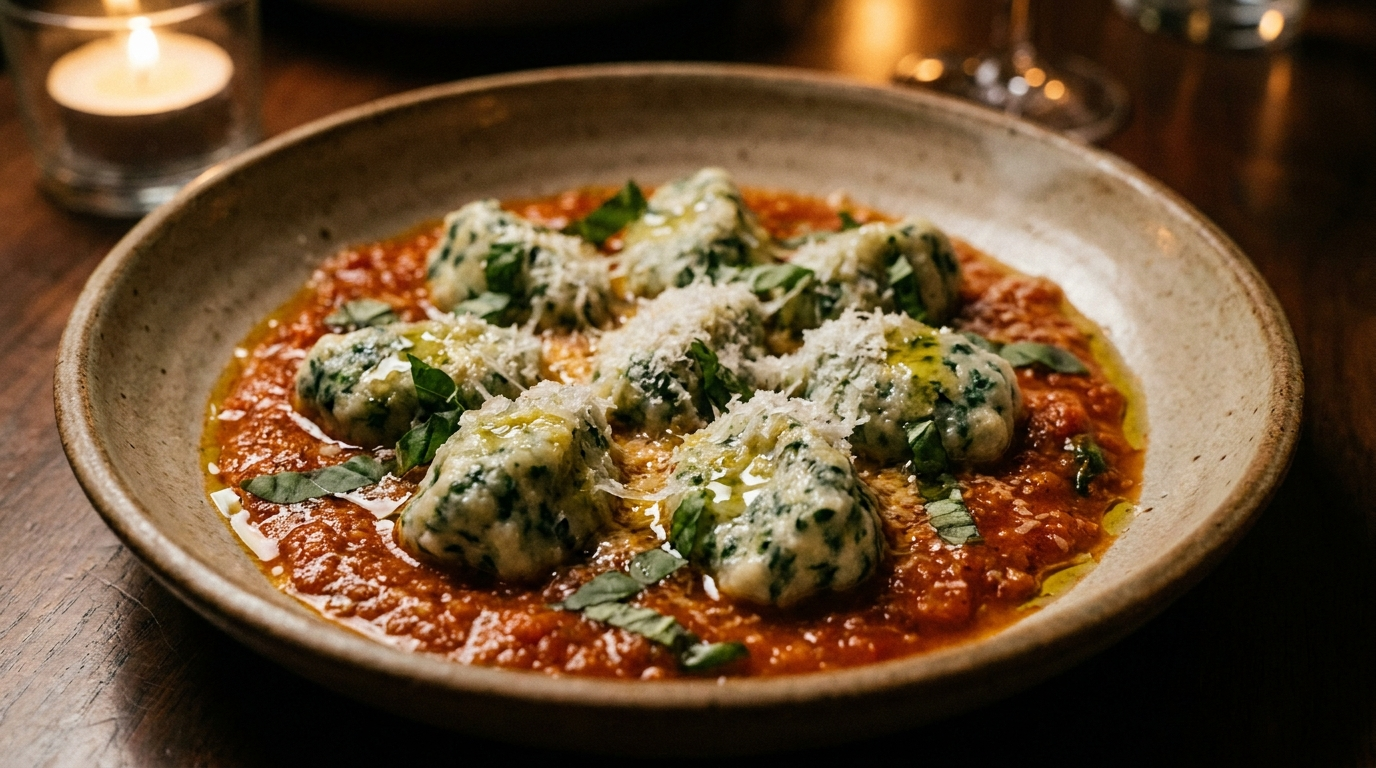
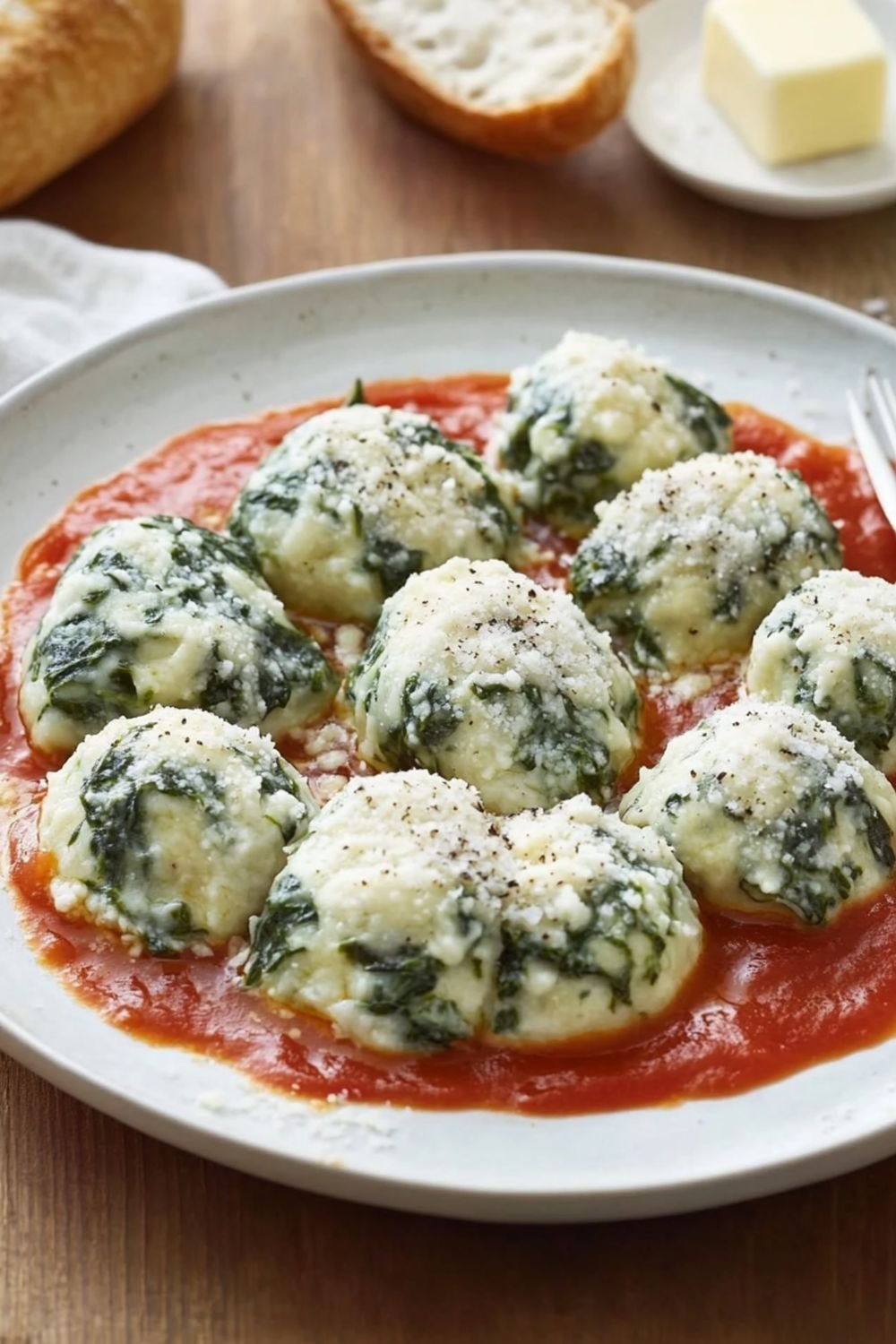
To serve with pomodoro, spoon a shallow pool of warm tomato sauce into the bottom of a wide pasta bowl. Gently arrange the hot, freshly cooked dumplings on top of the sauce rather than tossing them aggressively in the pan. Finish with a drizzle of premium olive oil and a few torn basil leaves.
Pairing with Side Dishes
Because this dish is quite rich and satisfying, it requires thoughtful side dishes to complete the meal. A crisp, acidic salad is the perfect accompaniment to cleanse the palate between creamy bites. Bitter greens like radicchio, endive, or arugula dressed with a sharp lemon vinaigrette work exceptionally well.
These beautiful dumplings are remarkably versatile for entertaining. They make a stunning addition to Mother’s Day brunch ideas, offering an elegant, savory option alongside traditional egg dishes and pastries. Because the prep work is entirely done the day before, you only need five minutes of active cooking time before serving your guests.
You can serve them as a hearty vegetarian main course or as a traditional Italian “primo” (first course) preceding a lighter meat dish. Add some crusty artisan bread to sop up the leftover brown butter or tomato sauce, and you have a complete, restaurant-quality dining experience.
Comparing Gnudi to Other Italian Pasta Types
Before you make your first batch of spinach and ricotta gnudi, it helps to understand exactly where they fit into the broader family tree of Italian pasta and dumplings. While they share characteristics with several popular dishes, their specific preparation method puts them in a category of their own.
The table below breaks down the fundamental differences between the most common types of Italian dumplings and stuffed pastas. Understanding these structural differences will help you choose the right dish for your specific culinary goals.
| Dish Name | Primary Base Ingredient | Flour / Structural Component | Texture Profile | Traditional Origin |
|---|---|---|---|---|
| Gnudi | Whole milk ricotta cheese | Semolina flour (exterior casing only) | Ultra-soft, creamy, melt-in-the-mouth | Tuscany |
| Gnocchi | Starchy baking potatoes | All-purpose or “00” flour (mixed into dough) | Chewy, pillowy, satisfying bite | Northern Italy / Campania |
| Ravioli | Various (cheese, meat, squash) | Egg pasta dough (encasing the filling) | Firm exterior chew with soft interior | Lombardy / General Italy |
| Malfatti | Ricotta and leafy greens | Wheat flour (mixed directly into dough) | Slightly denser and firmer than gnudi | Lombardy / Siena |
| Cavatelli | None (no filling or base puree) | Semolina flour and warm water | Very firm, chewy, rustic texture | Puglia / Southern Italy |
As the table illustrates, the defining characteristic of our featured dumpling is the exclusive use of semolina as an exterior coating rather than an integrated dough ingredient. This unique approach is entirely responsible for the famous, cloud-like texture that makes this dish so highly sought after.
Expert Tips for Foolproof Dumplings
Mastering spinach and ricotta gnudi comes down to moisture control and temperature management. While the recipe is straightforward, paying attention to minor details will elevate your final dish from good to extraordinary. Follow these professional tips to ensure your dumplings turn out perfectly every single time.
- The Towel Trick: Squeezing spinach in a colander leaves too much water behind. Always wrap the cooked spinach in a clean, lint-free kitchen towel and twist the ends aggressively until no more liquid drips out.
- The Overnight Drain: Never skip draining the ricotta. Even high-quality brands contain whey that will ruin the dough. Let it drain in a sieve lined with cheesecloth over a bowl in the fridge for at least 8 hours.
- Be Generous with Semolina: Do not just lightly dust the baking dish. You need a thick, deep bed of semolina flour to completely bury the dumplings. You can sift and reuse the leftover semolina for future pasta making.
- Respect the Resting Time: The 12 to 24-hour resting period is not a suggestion; it is a chemical necessity. This is the time required for the semolina to absorb moisture and create the protective outer skin.
- The Gentle Simmer Test: Before cooking the whole batch, test one dumpling in the water. If it disintegrates, your water might be boiling too aggressively, or your dough may have been too wet. Adjust the heat to a gentle simmer.
- Use a Spider Skimmer: Standard slotted spoons can sometimes cut into the delicate skins. A wire spider skimmer provides a wider, gentler surface area for lifting the tender dumplings out of the water.
- Prep for Quick Meals: Because they must rest overnight, this dish is the ultimate make-ahead meal. Once rested, they cook faster than most quick weeknight dinners, going from fridge to plate in under 10 minutes.
Frequently Asked Questions about spinach and ricotta gnudi
Can I freeze gnudi before cooking?
Yes, you can freeze them, but you must complete the 24-hour semolina resting process first. Once they have developed their protective skin, transfer them to an airtight container with layers of parchment paper. Boil them directly from frozen, adding an extra minute or two to the cooking time.
Why did my gnudi fall apart in the water?
Dumplings usually disintegrate for one of three reasons: the ricotta was too wet, the water was boiling too violently, or they did not rest long enough in the semolina. Always ensure your ingredients are thoroughly drained and keep your water at a gentle simmer.
Can I use frozen spinach instead of fresh?
Absolutely. Frozen chopped spinach is highly convenient and works perfectly in this recipe since it is already wilted. Just be sure to thaw it completely and aggressively wring out all the excess water in a kitchen towel before using.
Do I really need to wait 24 hours to cook them?
While 12 hours is the absolute minimum resting time, a full 24 hours provides the best results. The resting period is mandatory because it allows the semolina to hydrate and form the pasta-like casing that prevents the dumplings from dissolving in the water.
Is it possible to make this dish gluten-free?
Unfortunately, it is very difficult to make authentic gnudi gluten-free because the unique hydration properties of durum wheat semolina are required to form the skin. Gluten-free flours do not absorb moisture or bind in the same way, often resulting in a messy boil.
What is the difference between gnudi and malfatti?
While both are ricotta and spinach dumplings from Tuscany, malfatti translates to “badly made” and incorporates a small amount of regular flour directly into the dough mixture. Gnudi rely exclusively on the exterior coating of semolina for their structure, making them lighter and softer.
Can I use part-skim ricotta cheese?
It is highly recommended to avoid part-skim ricotta for this specific recipe. Part-skim versions have a higher water content and lower fat ratio, which leads to a grainy texture and structural instability when boiling the delicate dumplings.
How long will leftover cooked gnudi last?
Leftover cooked dumplings can be stored in an airtight container in the refrigerator for up to 3 days. To reheat, gently warm them in a pan with a little butter or sauce over medium-low heat until heated through; do not re-boil them.
What equipment do I need to make these dumplings?
You only need basic kitchen tools: a fine-mesh sieve or cheesecloth for draining, a clean kitchen towel for squeezing spinach, a mixing bowl, and a large baking dish for the semolina bed. A wire spider skimmer is helpful but not strictly necessary for removing them from the boiling water.
Conclusion
Serving spinach and ricotta gnudi to your family and friends is guaranteed to elicit impressed reactions. The sheer delicacy of these naked dumplings feels wonderfully refined and luxurious, masking the fact that the actual hands-on preparation is remarkably simple. By prioritizing moisture control, sourcing quality ricotta, and exercising patience during the crucial semolina resting phase, you can effortlessly master this traditional Tuscan treasure in your own kitchen.
Once you experience the cloud-like texture of a perfectly executed dumpling coated in nutty brown butter and crispy sage, it is hard to go back to store-bought stuffed pastas. We encourage you to embrace the process and make these beautiful dumplings the centerpiece of your next dinner gathering. If you try this recipe, please leave a comment below and share your experience, or tag us in your beautiful culinary photos on social media!
Video : Spinach and Ricotta Gnudi: Easy Naked Ravioli Recipe
