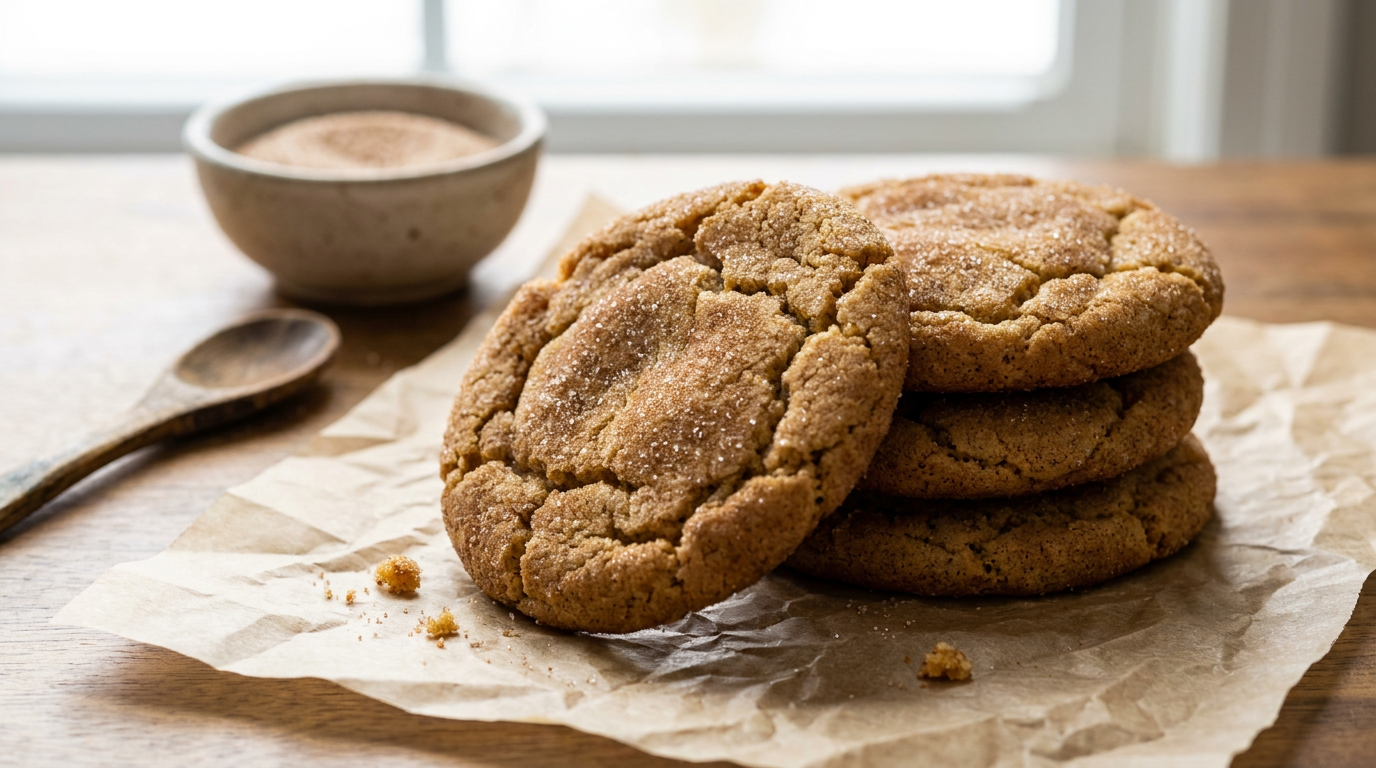
There is an undeniable magic that happens when the nostalgic scent of cinnamon sugar meets the rich, nutty aroma of toasted butter. Classic snickerdoodles have always been a reliable favorite, known for their pillowy centers and signature tangy finish. However, swapping out standard softened butter for a deeply caramelized version elevates this traditional treat into something entirely new. Creating brown butter snickerdoodles is the ultimate way to upgrade your baking repertoire without needing complex techniques or obscure ingredients.
This simple twist transforms a standard cookie into a sophisticated dessert with layers of flavor. As the butter cooks, its milk solids toast, releasing notes of toffee, hazelnut, and caramel that pair perfectly with warm spices. This process also evaporates excess water from the butter, which changes the structure of the final dough. The result is a cookie with crispy, crinkly edges and a deeply chewy, tender center that outshines any bakery display.
Whether you are baking for a holiday cookie exchange, a cozy weekend at home, or searching for the perfect addition to a springtime gathering, these treats are guaranteed to disappear quickly. In this comprehensive guide, we will explore the science behind the perfect dough, how to troubleshoot common baking errors, and the exact steps to achieve flawless brown butter snickerdoodles every single time. Get your mixing bowls ready, because this is about to become your new favorite recipe.
Why Browning Butter Changes Everything
Taking the extra five minutes to brown your butter is the single most important step in this recipe. While it might seem like a small adjustment, the chemical changes that occur in the pan are profound. When you melt butter over heat, it goes through several distinct phases before reaching that liquid gold stage. Understanding these phases helps you control the final flavor and texture of your baked goods.
Standard butter contains butterfat, milk solids, and about twenty percent water. When you use softened butter, that water content contributes to the spread and rise of the cookie in the oven. By browning the butter, you are fundamentally altering this ratio. This culinary technique is prized by professional pastry chefs, but it is incredibly easy to master in a home kitchen.
The Maillard Reaction Explained
The secret behind that incredible, nutty flavor is the Maillard reaction. This is the same chemical process that gives seared steak its crust and baked bread its golden exterior. As the butter heats up, the amino acids and reducing sugars in the milk solids begin to react with one another. This creates hundreds of new flavor compounds that simply do not exist in raw butter.
These complex compounds introduce savory, caramel, and butterscotch notes to your cookies. The aroma alone is enough to make your mouth water. In a cookie that relies heavily on a simple cinnamon-sugar profile, these extra dimensions of flavor prevent the treat from tasting one-dimensionally sweet.
Moisture Loss and Cookie Texture
As butter browns, it hisses and pops in the pan. That sound is the water content evaporating into steam. Removing this water is a game-changer for the physical texture of your cookies. Less water in the dough means less gluten development when you add your flour.
With less gluten formed, the cookies bake up incredibly tender and chewy rather than cakey. Furthermore, the concentrated fat results in a richer mouthfeel. It is a slight adjustment to the dough’s chemistry that produces a markedly superior, bakery-style chewiness.
Flavor Profile Enhancement
The marriage of brown butter and cinnamon is a match made in heaven. Standard snickerdoodles can sometimes taste a bit flat, relying solely on the exterior sugar coating for character. The toasted milk solids in the browned butter act as a bridge between the spicy cinnamon and the sweet dough.
This enriched flavor profile makes these cookies versatile enough for casual snacking or elegant entertaining. In fact, if you are planning a special morning event, these cookies make a fantastic sweet addition to any spread. You can easily pair them with other elegant dishes by exploring our 20+ Mother’s Day Brunch Ideas That Feel Fancy But Are Easy to Pull Off.
Essential Ingredients for Perfect Cookies
Baking is a science, and the success of any recipe relies on the quality and specific function of its ingredients. While the ingredient list for this recipe is relatively short, each component plays a critical role. Gathering high-quality pantry staples will ensure your cookies taste exactly as they should.
You do not need fancy equipment, but paying attention to the details of your ingredients makes a noticeable difference. From the freshness of your spices to the specific type of leavening agent used, every choice impacts the final bake. Let us break down the non-negotiable items for your grocery list.
The Role of Cream of Tartar
You cannot make an authentic snickerdoodle without cream of tartar. This fine white powder is a byproduct of the winemaking process and acts as an acidic ingredient in baking. Its primary function is to prevent sugar from crystallizing, which is what gives the cookie its distinctively soft, chewy texture.
Additionally, cream of tartar provides that classic, slightly tangy flavor that separates a snickerdoodle from a standard sugar cookie. When combined with baking soda, it creates a chemical reaction that helps the cookies rise and then fall. This rising and falling action creates the beloved crinkled tops we all look for.
Choosing the Right Cinnamon
Since cinnamon is the star spice here, the variety you choose matters. Most grocery stores carry Cassia cinnamon, which is warm, spicy, and perfectly fine for everyday baking. However, if you want to elevate your cookies, seek out Saigon cinnamon.
Saigon cinnamon has a higher volatile oil content, meaning it packs a stronger, sweeter, and more robust punch. Ceylon cinnamon is another excellent option, offering a milder, more floral flavor. Whichever you choose, ensure it is fresh; ground spices lose their potency after about six months in the pantry.
Flour and Sugar Balances
The ratio of flour to sugar dictates how much your cookies will spread. Using all-purpose flour provides the perfect middle ground between tender and structured. Measuring your flour with a kitchen scale is highly recommended to avoid dense, dry dough.
For the sugars, a mix of granulated and light brown sugar works best alongside the browned butter. The molasses in the brown sugar adds moisture and depth. If you are curious about modifying baking staples for dietary reasons, you might find our guide on The Low-Sugar Baker’s Pantry: 10 Essential Ingredients & How to Use Them Effectively to be a helpful resource.
Step-by-Step Baking Process
Once you have your ingredients prepped, the baking process moves quite quickly. The most crucial phase is handling the butter properly. Because browned butter retains a lot of residual heat, the timing of when you mix your dough is highly important to prevent a greasy mess.
Patience is required here. You cannot rush the cooling of the butter, nor should you rush the chilling of the dough. Following these sequential steps will guarantee a perfectly baked batch of brown butter snickerdoodles with that coveted crinkly texture.
Preparing the Browned Butter
Start by slicing your unsalted butter into even pieces so it melts uniformly. Place it in a light-colored saucepan over medium heat, which allows you to monitor the color changes easily. Stir the butter constantly with a heat-proof spatula or wooden spoon as it melts and begins to bubble.
The butter will foam up significantly, making it hard to see the bottom of the pan. Keep stirring and watch closely. Once the foam subsides, you will see little brown flecks forming, and the kitchen will smell incredibly nutty. Immediately remove the pan from the heat and pour the butter—including all the toasted brown bits—into a heat-safe bowl to stop the cooking process.
Mixing the Dough Perfectly
Allow the browned butter to cool for at least 20 to 30 minutes. It should be warm to the touch but not piping hot. If you add your sugars and eggs to boiling hot butter, the sugar will melt prematurely, and the eggs could scramble, resulting in a disastrous dough.
Whisk your granulated and brown sugars into the cooled butter until smooth. Beat in the egg and vanilla extract until the mixture lightens in color. Finally, fold in your dry ingredients—flour, baking soda, salt, and cream of tartar—mixing just until no streaks of flour remain to keep the cookies tender.
Rolling in Cinnamon Sugar
Before rolling, chill the dough in the refrigerator for at least 30 minutes. This chilling period hydrates the flour and solidifies the butter, which prevents the cookies from spreading into thin puddles in the oven. While it chills, whisk together your cinnamon and granulated sugar in a shallow bowl.
Scoop the chilled dough into uniform balls, about one and a half tablespoons each. Roll each ball generously in the cinnamon-sugar mixture, ensuring they are completely coated. Place them on a parchment-lined baking sheet, leaving about two inches of space between each cookie to allow for spreading.
Troubleshooting Common Cookie Issues
Even experienced bakers run into issues from time to time. Cookies can be surprisingly temperamental depending on the humidity in your kitchen, the exact temperature of your oven, and how you measured your flour. Fortunately, most common baking mistakes are easily fixable.
If your first batch does not turn out exactly right, do not panic. Small adjustments to your technique or ingredient temperatures usually solve the problem. Here is how to diagnose and fix the most frequent snickerdoodle struggles.
Why Are My Cookies Flat?
Flat, spreading cookies are almost always a temperature issue. If your browned butter was still hot when you mixed the dough, the fat will melt too quickly in the oven. Always let the butter cool until it is just warm or room temperature before starting your mix.
Another culprit is skipping the chilling time. The dough must be chilled so the butter can firm up again. If your kitchen is particularly warm, you may need to chill the dough for an hour rather than thirty minutes.
Fixing Dry or Crumbly Dough
If your dough feels like sand and won’t come together into a ball, there is likely too much flour in the mix. This happens frequently when bakers scoop flour directly from the bag with a measuring cup, which packs the flour down tightly. Always use a kitchen scale or the spoon-and-level method for accuracy.
Another reason for dry dough is over-browning the butter. If you let it boil too long, you evaporate too much moisture. If you find your dough is too crumbly, try adding a tiny splash of milk (a teaspoon at a time) until it holds together when squeezed.
Achieving the Perfect Crinkled Top
A classic snickerdoodle must have a beautifully cracked, crinkly surface. If yours are coming out perfectly smooth, check the expiration date on your baking soda and cream of tartar. These leavening agents lose their chemical power over time and will fail to lift the dough properly.
Baking temperature also plays a role. The oven needs to be hot enough (usually 350°F or 375°F) to set the edges of the cookie quickly while the center continues to rise and expand. This expansion causes the set surface to pull apart, creating those gorgeous cracks.
Storing and Freezing Your Dough
One of the best things about cookie dough is how perfectly it lends itself to meal prep. You can easily make a double batch of this recipe and save half for a rainy day. Storing the dough correctly ensures that you can have fresh, warm cookies at a moment’s notice.
Baked cookies also store wonderfully if kept away from air and humidity. Whether you are prepping for a party or just want to maintain a personal stash of sweets, follow these storage guidelines for maximum freshness and flavor.
Room Temperature Storage Rules
Once baked, allow the cookies to cool completely on a wire rack. Storing warm cookies in a container creates condensation, which will make them soggy and ruin the crisp cinnamon-sugar exterior. Once cool, transfer them to an airtight container.
They will stay soft and fresh at room temperature for up to four days. To keep them extra chewy, you can place a small piece of plain white bread in the container with them. The cookies will absorb the moisture from the bread, keeping them perfectly soft.
Freezing Unbaked Cookie Balls
Freezing dough is highly recommended for ultimate convenience. Scoop the dough into balls and roll them in the cinnamon-sugar mixture as directed. Place the coated balls on a baking sheet and freeze them for one hour until they are completely solid.
Once frozen, transfer the dough balls into a heavy-duty zip-top freezer bag, pressing out as much air as possible. They will keep in the freezer for up to three months. When you are ready to bake, you do not even need to thaw them; just add one or two minutes to the baking time.
Reviving Day-Old Cookies
If your baked cookies have started to go a little stale, do not throw them away. You can easily revive them to their former glory with a quick blast of heat. Simply place a cookie on a microwave-safe plate with a damp paper towel lightly draped over it.
Microwave on medium power for 10 to 15 seconds. The moisture from the towel creates steam, which softens the sugars in the cookie and makes it taste like it just came out of the oven. Alternatively, a few minutes in a 300°F oven works wonders.
Comparing Snickerdoodle Variations
While the classic recipe is timeless, variations can offer exciting new flavor profiles. Browning the butter is just one way to upgrade the standard cookie. Let us look at how different styles of snickerdoodles compare in terms of preparation, texture, and flavor impact.
| Cookie Type | Prep Time | Key Flavor Profile | Texture Notes | Complexity |
|---|---|---|---|---|
| Classic Snickerdoodle | 15 mins | Sweet cinnamon, tangy vanilla | Soft, cake-like, smooth edges | Beginner |
| Brown Butter Snickerdoodle | 25 mins | Toffee, caramel, robust cinnamon | Chewy center, crisp crinkled edges | Intermediate |
| Chai Spiced Snickerdoodle | 20 mins | Cardamom, ginger, clove, cinnamon | Dense, highly spiced, chewy | Beginner |
| Stuffed Snickerdoodle | 35 mins | Cream cheese or caramel core | Thick, gooey center, crisp shell | Advanced |
Expert Tips for Baking Success
Achieving bakery-level results at home comes down to a few professional habits. Follow these expert tips to ensure your batch turns out flawlessly every time.
- Use a light-colored pan: When browning butter, dark non-stick pans make it impossible to see the milk solids changing color. Always use stainless steel or white enamel to avoid burning the fat.
- Measure by weight: Invest in a digital kitchen scale. Measuring flour in grams rather than cups prevents heavy, dry dough and guarantees consistency.
- Don’t skip the scrape: When you pour the browned butter into a cooling bowl, use a rubber spatula to scrape every single brown speck from the bottom of the pan. That is where all the flavor lives.
- Underbake slightly: For the chewiest texture, pull the cookies from the oven when the edges are set but the centers still look slightly doughy and pale. They will continue to cook on the hot baking sheet as they cool.
- Double-coat the sugar: For an exceptionally crunchy exterior, roll your dough balls in the cinnamon sugar, wait five minutes, and roll them a second time before baking.
Frequently Asked Questions about brown butter snickerdoodles
Can I skip the cream of tartar?
Technically yes, but the result will be a standard cinnamon-sugar cookie, not a true snickerdoodle. Cream of tartar provides the signature tang and chewy texture. If you must substitute, use two teaspoons of fresh lemon juice or white vinegar for every half teaspoon of cream of tartar.
Why did my butter burn?
Butter goes from browned to burned in a matter of seconds. If you walk away from the stove or use heat higher than medium, the milk solids will quickly blacken and turn bitter. Always stand by the stove and stir continuously.
Do I absolutely have to chill the dough?
Yes, chilling is mandatory for this specific recipe. Because melted browned butter is used instead of softened butter, the dough is incredibly soft initially. Chilling prevents the cookies from spreading into flat puddles in the oven.
Can I use salted butter instead of unsalted?
You can use salted butter, but you must adjust the added salt in the recipe. Omit the extra salt entirely to avoid an overly salty cookie. However, unsalted butter is preferred because salt content varies drastically between brands.
How long do these cookies last?
When stored in an airtight container at room temperature, they will stay fresh and chewy for 3 to 4 days. If they begin to dry out, add a slice of plain bread to the container to restore their moisture.
Can I freeze the baked cookies?
Yes, fully baked cookies freeze exceptionally well. Let them cool completely, then stack them in an airtight container with parchment paper between the layers. They will keep in the freezer for up to two months.
Why didn’t my cookies flatten out?
If your cookies stayed in tall domes, your dough might have been too cold or you added too much flour. Try pressing the dough balls down slightly with the palm of your hand before baking to encourage spreading.
What is the best cinnamon to use?
While standard grocery store Cassia cinnamon works fine, Saigon cinnamon is highly recommended. It has a higher oil content and a stronger, sweeter flavor that pairs beautifully with the rich brown butter.
Can I make the browned butter ahead of time?
Yes, you can brown the butter up to a week in advance and store it in the refrigerator. When you are ready to bake, let it sit at room temperature until it reaches a soft, scoopable consistency before mixing.
Why are my cookies too dark on the bottom?
Dark cookie bottoms usually result from using dark-colored baking sheets, which conduct heat too aggressively. Switch to heavy-duty, light-colored aluminum baking sheets and always line them with parchment paper.
Taking the time to master brown butter snickerdoodles is a baking endeavor you will never regret. The simple act of toasting the butter transforms a basic pantry recipe into a sophisticated, highly aromatic treat. With their perfectly crinkled cinnamon-sugar crusts and intensely chewy, caramel-noted centers, these cookies are bound to become a staple in your kitchen.
Whether you are a novice baker looking to impress your friends or an experienced home chef wanting to refine your cookie game, this recipe delivers on all fronts. Grab your whisk, keep a close eye on that butter, and get ready to enjoy the most comforting cookie you will ever bake. Do not forget to share your beautifully baked creations with us in the comments below!
