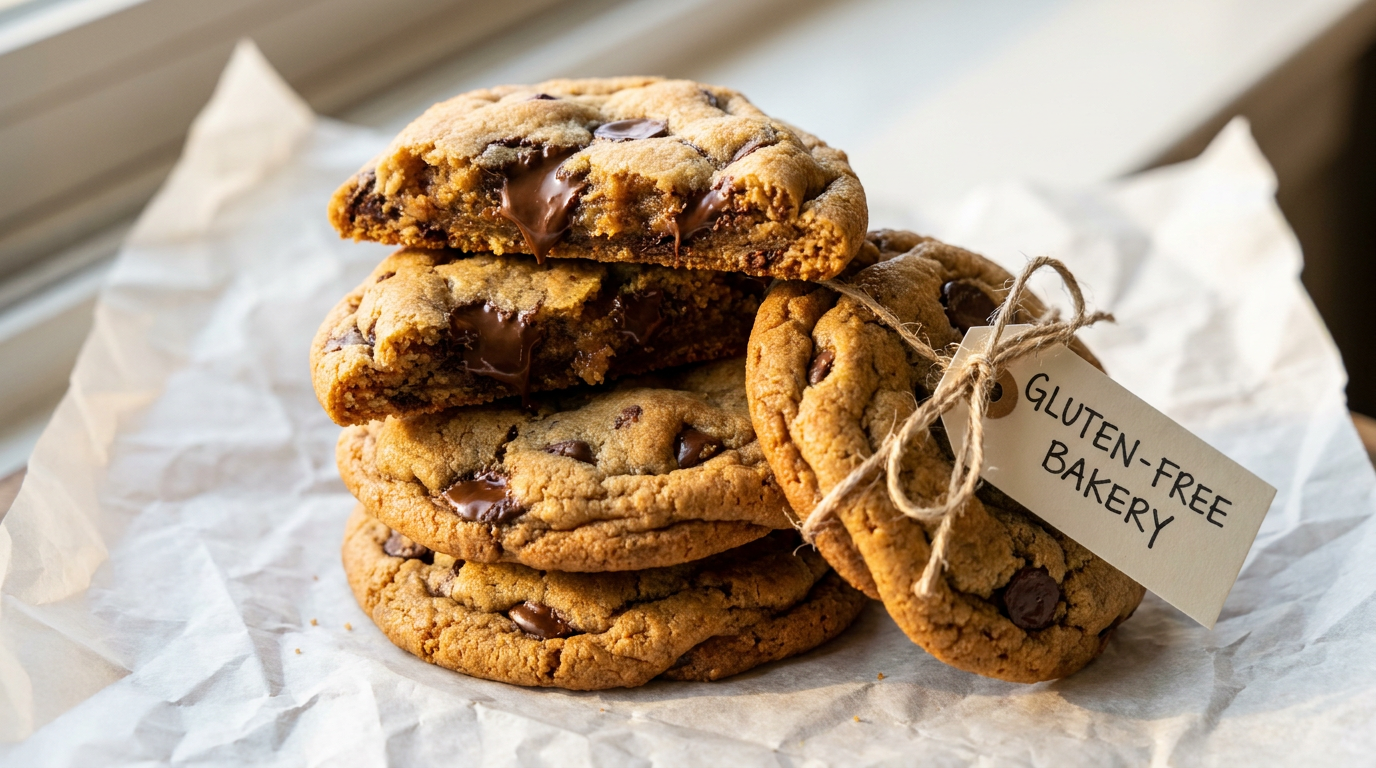

Finding a truly delicious dessert that satisfies dietary restrictions without sacrificing texture can feel like an impossible task. But this gluten free chocolate chip cookies recipe is about to change everything you know about wheat-free baking. You no longer have to settle for gritty, dry, or tasteless desserts just because you avoid gluten in your diet.
This incredible recipe utilizes simple, wholesome ingredients to deliver a soft, chewy, and deeply flavorful cookie. Best of all, it requires no fancy equipment, no heavy stand mixer, and absolutely zero mandatory dough chilling time. Whether you are baking for a friend with celiac disease or simply exploring healthier dessert options, these cookies will become an instant favorite in your household.
Get ready to discover the culinary magic of almond flour and how it fundamentally transforms standard baking. We will walk you through the essential ingredients, foolproof step-by-step instructions, and expert tips to ensure your cookies turn out perfectly golden brown every single time. Grab your favorite mixing bowl, preheat your oven, and let us dive into the best batch of cookies you will ever make.
Why Almond Flour Elevates Your Baking Experience
Incredible Flavor Profile
Almond flour brings a rich, nutty flavor that traditional all-purpose wheat flour simply cannot match. It adds an incredible depth and warmth to your baked goods from the very first bite. The subtle roasted notes of the almonds elevate the entire flavor profile of the cookie.
When paired with pure vanilla extract and dark chocolate, these roasted notes shine through beautifully. This natural richness means your cookies taste incredibly decadent and gourmet. Guests will likely not even realize they are eating a gluten-free dessert because the flavor is so robust.
Naturally Lower in Sugar
Because almonds possess a very subtle natural sweetness, you can significantly reduce the added sugar in your dough. This makes for a healthier, more balanced treat that still perfectly hits the sweet spot. You avoid the sudden sugar crash often associated with traditional bakery cookies.
If you want to dive deeper into healthier baking techniques, check out our comprehensive guide on the low-sugar baker’s pantry. It brilliantly explains how to balance flavors while keeping sugar content in check. You will learn how alternative ingredients interact to mimic the structure and moisture of standard sugar.
Fuss-Free Preparation
Unlike standard wheat flour, almond flour does not contain any gluten proteins whatsoever. This means you literally cannot overmix the dough, no matter how hard you stir. Overworking wheat dough leads to tough, bread-like cookies, but that risk is completely eliminated here.
You can mix everything vigorously by hand without worrying about yielding tough or rubbery cookies. This makes this gluten free chocolate chip cookies recipe incredibly beginner-friendly and stress-free. Even novice bakers can achieve spectacular, bakery-quality results on their very first attempt.
Plus, the naturally high fat content found in almonds keeps the cookies incredibly moist for days after baking. You will never have to deal with the crumbly, sandy texture often associated with subpar gluten-free baked goods.
Key Ingredients for the Perfect Batch
Choosing the Right Almond Flour
The foundational secret to this exceptional gluten free chocolate chip cookies recipe is using finely ground, blanched almond flour. Blanched simply means the dark almond skins were removed before the nuts were ground into powder. This creates a light, uniform flour that beautifully mimics the texture of all-purpose flour.
You must avoid using almond meal, which is much coarser and contains the fibrous brown skins. Using almond meal will make your cookies extremely gritty and drastically alter how they spread during the baking process. Always double-check your packaging to ensure it clearly says “super-fine blanched almond flour.”
When measuring your almond flour, gently scoop it into the measuring cup and level it off with a butter knife. Tightly packing the flour into the cup will result in too much dry ingredient, leading to dense cookies. For the absolute best results, we highly recommend using a digital kitchen scale to weigh your ingredients.
Selecting the Best Chocolate Chips
A truly great cookie deserves high-quality, delicious chocolate to balance the sweet dough. Semi-sweet chocolate chips provide the perfect ratio of cocoa to sweetness for this specific recipe. They melt beautifully in the oven but still retain their satisfying shape once cooled.
For a more rustic, artisan bakery look, try using chocolate chunks or roughly chopped high-quality dark chocolate bars. Chopping your own chocolate creates a wonderful variety of sizes, resulting in beautiful, gooey pools of melted chocolate throughout the baked cookie.
If you are catering to dairy allergies or vegan diets, always double-check your chocolate ingredient labels carefully. Many fantastic dairy-free and vegan chocolate chip brands, such as Enjoy Life, are readily available at standard grocery stores today.
Binders and Sweeteners Explained
To successfully hold these gluten-free cookies together, we rely on a touch of melted coconut oil and a single large egg. The coconut oil provides lovely, crispy outer edges while keeping the center incredibly soft and chewy. If you do not care for the flavor of coconut, refined coconut oil is completely flavorless and works perfectly.
For the ideal sweetness, pure maple syrup or coconut sugar are excellent, unrefined choices. They add a slight caramel undertone to the dough that mimics traditional packed brown sugar flawlessly. Liquid sweeteners also add extra moisture, which helps bind the almond flour together.
A generous dash of pure vanilla extract and fine sea salt are absolutely non-negotiable for flavor. The salt wonderfully enhances the deep chocolate notes and balances the overall sweetness of the cookie. Do not skip the salt, as it is the secret ingredient that takes these cookies from good to extraordinary.
Step-by-Step Baking Guide
Preparing Your Dough
Start your baking process by preheating your oven to exactly 350 degrees Fahrenheit. It is crucial to line a large, heavy-duty baking sheet with high-quality parchment paper to prevent sticking. Avoid using dark coated pans if possible, as they can cause the bottoms of your cookies to burn quickly.
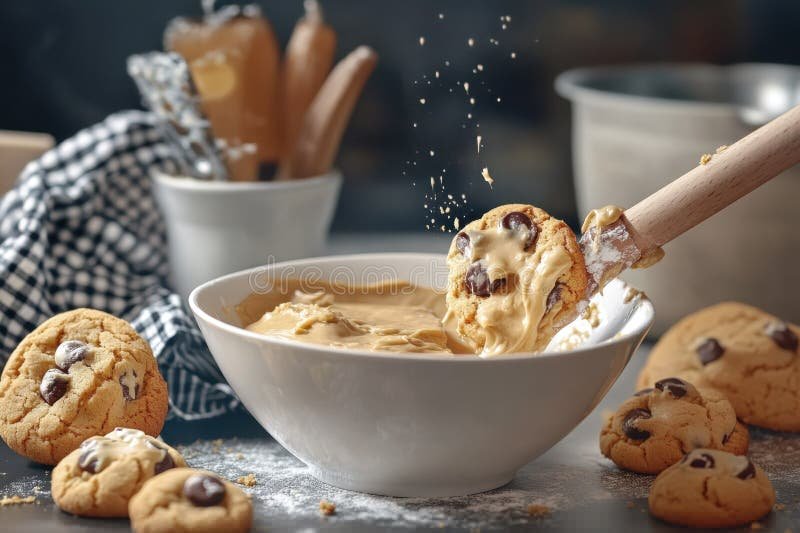
In a large mixing bowl, aggressively whisk together your wet ingredients until they are completely smooth and emulsified. This mixture includes your melted coconut oil, chosen sweetener, room temperature egg, and vanilla extract. Whisking the wet ingredients thoroughly ensures an even distribution of flavors throughout the entire batch.
Next, carefully fold in the dry ingredients: your blanched almond flour, baking soda, and fine sea salt. Use a sturdy wooden spoon or silicone spatula to stir the mixture until a thick, uniform dough forms. Finally, gently fold in your chocolate chips, ensuring they are evenly dispersed throughout the sticky dough.
Shaping and Spacing
Using a standard, spring-loaded cookie scoop guarantees that all your cookies are exactly the same size. Uniform size promotes perfectly even baking across the entire pan, preventing some cookies from burning while others remain raw. A one-and-a-half tablespoon scoop is the perfect size for this recipe.
Scoop the dough and gently roll it into smooth, round balls between your clean palms. Place the dough balls roughly two inches apart on your parchment-lined baking sheet to allow for slight spreading. Because almond flour lacks gluten, the dough is slightly stickier than traditional dough, so damp hands can help with rolling.
Since almond flour cookies do not naturally spread as much as traditional wheat cookies, you must gently flatten each ball. Use your fingers or the back of a spoon to press them into thick disks before they go into the oven. The shape you create before baking is very close to the shape they will maintain once fully baked.
These delightful treats are absolutely perfect for special occasions, holidays, or casual family gatherings. If you need more inspiration for hosting friends and family, explore our creative ideas for laid-back celebration food.
Baking to Golden Perfection
Bake the prepared cookies on the middle rack of your preheated oven for 11 to 13 minutes. You want the outer edges to turn a lovely, light golden brown while the centers remain slightly soft and puffed up. Keep a close eye on them during the final two minutes, as almond flour can brown very quickly.
It is vital that you do not overbake them, or they will lose their signature chewy, tender texture. Remember that the cookies will continue to bake and firm up as they cool on the hot pan outside the oven. Removing them when they look just slightly underdone in the center is the ultimate baker’s secret.
Let the cookies rest undisturbed on the hot baking sheet for at least 10 to 15 minutes before moving them. Transferring them to a cooling rack too early will almost certainly cause them to break or fall apart. Patience during this crucial resting period ensures structurally sound, perfectly chewy cookies.

Comparing Gluten-Free Flours for Cookies
When embarking on your baking journey, choosing the right base flour is absolutely critical for success. Different gluten-free flours yield vastly different textures, moisture levels, and overall flavor profiles. Understanding how they uniquely behave helps you achieve professional, bakery-quality results right in your own kitchen.
Blanched almond flour is consistently our top choice for its rich taste and exceptionally soft texture. However, it is highly helpful to know how it stacks up against other popular wheat alternatives on the market. Below is a detailed comparison of the most common gluten-free flours used in modern cookie baking.
| Flour Type | Texture Profile | Flavor Profile | Moisture Level | Best Baking Use Case |
|---|---|---|---|---|
| Blanched Almond Flour | Soft, chewy, tender crumb | Rich, nutty, slightly sweet | High (retains moisture well) | Chewy chocolate chip cookies, French macaroons |
| Oat Flour (Certified GF) | Dense, hearty, slightly crumbly | Earthy, wholesome, toasted | Medium (absorbs liquid quickly) | Peanut butter cookies, oatmeal raisin cookies |
| White Rice Flour | Crispy, light, occasionally sandy | Neutral, very mild | Low (can easily dry out baked goods) | Shortbread, crispy wafer cookies |
| 1-to-1 GF Blend | Similar to standard wheat flour | Neutral to slightly starchy | Medium (heavily depends on xanthan gum) | Direct replacement in classic family recipes |
| Coconut Flour | Spongy, dense, very dry | Distinctly coconut, sweet | Extremely Low (acts like a sponge) | Low-carb brownies, specific keto recipes |
As the comparison table clearly shows, almond flour completely dominates when you want a rich, moist, and chewy cookie. Unlike white rice flour or tapioca starch, it will not leave an unpleasant gritty residue in your mouth. Its high fat content perfectly mimics the tenderizing effect that gluten normally provides in traditional recipes.
While commercial 1-to-1 gluten-free blends are highly convenient, they often contain heavily processed starches and gums. Baking with pure almond flour keeps your ingredient list short, wholesome, and incredibly nutrient-dense. It is the purest way to enjoy a classic dessert without unnecessary additives.
Expert Tips for Flawless Gluten-Free Cookies
Mastering the ultimate gluten free chocolate chip cookies recipe is remarkably easy when you know a few professional baker’s secrets. Even without the structural support of gluten, you can easily achieve that highly sought-after bakery texture. Follow these tried-and-true pro tips to permanently elevate your home baking game.
- Use Room Temperature Ingredients: Ensure your egg is at room temperature before you begin mixing. If the egg is too cold, it will cause the melted coconut oil to instantly solidify and create unpleasant clumps in your dough.
- Sift Your Almond Flour: Almond flour frequently clumps together while sitting in the bag. Sifting it through a fine-mesh strainer before adding it to your wet ingredients ensures a perfectly smooth, uniform dough.
- Measure by Weight: For the most precise and consistent results, use a digital kitchen scale. Measuring your almond flour in grams completely eliminates the vast inconsistency of volume-based cup measurements.
- Check Your Baking Soda: Baking soda loses its leavening power over time, which can lead to flat cookies. Always verify that your baking soda is fresh and has not been sitting open in the pantry for more than six months.
- Press Extra Chocolate on Top: Right before baking, gently press a few extra chocolate chips into the tops of your flattened dough balls. This incredibly simple trick gives the finished cookies a stunning, professional bakery-style appearance.
- Sprinkle with Flaky Sea Salt: Adding a tiny pinch of flaky Maldon sea salt on top of warm cookies is a complete game-changer. The salt beautifully cuts through the richness and powerfully enhances the dark chocolate flavor.
- Invest in an Oven Thermometer: Home ovens are notoriously inaccurate and can run significantly hotter or cooler than the dial suggests. A cheap oven thermometer ensures you are baking at exactly 350 degrees, preventing burnt edges.
- Store in an Airtight Container: Keep your completely cooled baked cookies fresh by storing them at room temperature in a tightly sealed container. They will remain wonderfully soft and chewy for up to four full days.

Frequently Asked Questions about gluten free chocolate chip cookies recipe
Can I substitute coconut flour for almond flour?
No, coconut flour absolutely cannot be substituted for almond flour at a one-to-one ratio in any recipe. Coconut flour is highly absorbent and requires significantly more liquid and eggs to function properly. Using it as a direct swap in this recipe will result in an unworkable, dry, and crumbly mess.
How do I make this gluten free chocolate chip cookies recipe vegan?
To easily make these cookies vegan-friendly, simply swap the regular chicken egg for a standard flax egg. Mix one tablespoon of ground flaxseed with three tablespoons of warm water and let it sit for five minutes to thicken. Additionally, ensure you are using a certified dairy-free and vegan chocolate chip brand.
Why did my cookies spread too much in the oven?
Cookies usually spread too much if the melted coconut oil was still too hot when mixed into the dough. It can also happen if the dough lacked enough almond flour due to improper measuring. To prevent this, let your melted oil cool slightly, and consider chilling the dough for 15 minutes before baking.
Do I really need to chill the dough before baking?
One of the absolute best things about this specific recipe is that chilling the dough is entirely optional. You can mix the dough and bake it immediately for incredibly excellent results. However, chilling the dough for 30 minutes can deepen the flavor profile and create a slightly thicker, denser cookie.
Can I freeze the cookie dough for later?
Yes, this almond flour cookie dough freezes beautifully for advanced meal prep. Scoop the dough into uniform balls, freeze them solid on a baking sheet, and then transfer them to a heavy-duty freezer bag. You can bake them straight from frozen by simply adding one or two extra minutes to the total baking time.
What is the best way to store baked gluten-free cookies?
Store your completely cooled cookies in an airtight container at room temperature for up to four days. If you want to keep them fresh longer, place the container in the refrigerator for up to a full week. Fully baked cookies can also be frozen for up to three months and thawed at room temperature.
Why are my almond flour cookies crumbly and falling apart?
Crumbly cookies usually result from overbaking or not letting them cool completely on the hot baking pan. Gluten-free treats lack the strong structural protein of wheat, making them incredibly fragile when hot. Always let them rest undisturbed on the baking sheet for at least ten minutes before attempting to move them.
Can I use standard butter instead of coconut oil?
Absolutely, regular unsalted butter is a fantastic substitute if you do not need the cookies to be dairy-free. Melt the butter and let it cool slightly before mixing it with your sweetener and egg. Using browned butter will add an even deeper, more indulgent caramel flavor profile to the finished cookie.
Are all chocolate chips naturally gluten-free?
Most pure chocolate chips are naturally gluten-free, but cross-contamination during the manufacturing process is incredibly common. If you have celiac disease or severe gluten sensitivities, always look for brands with a certified gluten-free label. Popular and safe allergy-friendly options include Enjoy Life, Guittard, and Pascha.
Wrapping Up Your Baking Journey
Mastering this gluten free chocolate chip cookies recipe is a fantastic way to enjoy classic, comforting desserts without compromising your dietary needs. By utilizing wholesome blanched almond flour, high-quality dark chocolate, and a few simple preparation techniques, you can easily create a treat that rivals any traditional bakery offering. The rich, nutty flavor and incredibly soft, chewy texture will have absolutely everyone reaching for seconds, whether they eat a gluten-free diet or not. You will never have to settle for subpar, chalky, store-bought alternatives ever again.
Now it is your turn to preheat the oven, grab your mixing bowls, and start baking these truly irresistible cookies! Gather your wholesome ingredients, follow the step-by-step guide carefully, and do not forget to share your delicious results with family and friends. If you loved baking this treat, please leave a comment below and share the recipe with your fellow baking enthusiasts. Your exciting journey into delicious, fuss-free, allergy-friendly baking is just beginning, and the sweet possibilities are endless.
