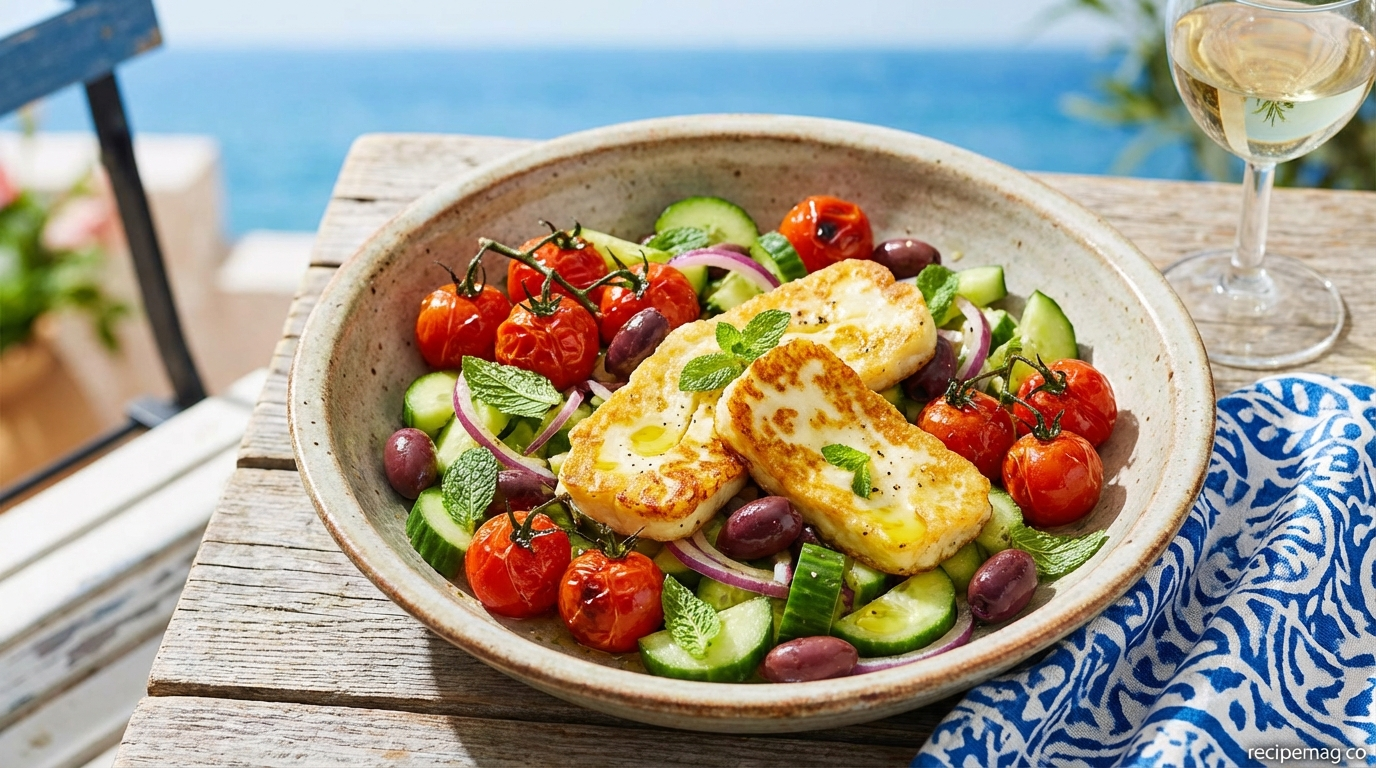
Imagine biting into a warm, golden-crusted slice of savory cheese paired perfectly with crisp greens and a zesty vinaigrette. That is the exact experience you get when you master the art of making a vibrant halloumi salad at home. This simple yet satisfying dish has taken the culinary world by storm, offering a hearty alternative to traditional, uninspiring bowls of lettuce.
Whether you are hosting a summer barbecue or looking for a satisfying desk lunch, this versatile dish delivers on all fronts. Because the cheese retains its shape when heated, it provides a uniquely satisfying, meaty texture that delights both vegetarians and dedicated meat-eaters alike. You will soon discover why this renowned Mediterranean staple deserves a permanent spot in your weekly recipe rotation.
In this comprehensive guide, we will explore everything from selecting the right regional ingredients to achieving that elusive, perfect pan-seared crust. You will learn expert cooking techniques, discover creative flavor variations, and unlock the fundamental secrets to building a balanced bowl. Get ready to elevate your culinary skills and transform your everyday greens into a restaurant-quality masterpiece.
Why This Grilled Cheese Star Elevates Any Meal
The Magic of Squeaky Cheese
Hailing originally from the beautiful island of Cyprus, this semi-hard, unripened cheese possesses a truly fascinating culinary secret. Its unique preparation involves heating the curds in their own whey, which fundamentally alters the protein structure of the dairy. This traditional process gives the cheese an exceptionally high melting point, allowing it to withstand direct heat without turning into a liquid puddle.
When subjected to the heat of a grill or a cast-iron skillet, the exterior develops a deeply savory, caramelized crust. Meanwhile, the interior softens just enough to become delightfully chewy, producing that signature “squeak” against your teeth. This contrasting texture is precisely what makes it the ultimate focal point for any fresh vegetable medley.
Nutritional Profile and Benefits
Beyond its incredible taste, this beloved Mediterranean dairy product offers a robust nutritional profile that supports a balanced lifestyle. A standard one-ounce serving delivers a substantial seven grams of high-quality protein, which is essential for muscle repair and prolonged satiety. It also serves as an excellent source of dietary calcium, promoting strong bones and healthy metabolic function.
However, it is important to note that the traditional brining process leaves it quite high in sodium. To maintain a healthy balance, nutrition experts recommend pairing the salty slices with hydrating, potassium-rich vegetables like cucumbers and fresh tomatoes. When incorporated thoughtfully, it is a brilliant addition to any holistic dietary approach.
Perfect for Meal Prep and Quick Lunches
Modern professionals are constantly seeking meals that bridge the gap between convenience, exceptional flavor, and nutritional value. Because the cheese can be seared in mere minutes, assembling a vibrant bowl requires very little active time in the kitchen. It seamlessly integrates into an overarching strategy of preparing quick weeknight dinners under 30 minutes.
For those who prefer to plan ahead, the vegetable base and vinaigrette can easily be prepared days in advance. You simply need to sear the dairy portions right before serving to enjoy the optimal contrast of warm and cold temperatures. This efficiency is why it remains a top choice for busy individuals striving to eat well during hectic workdays.
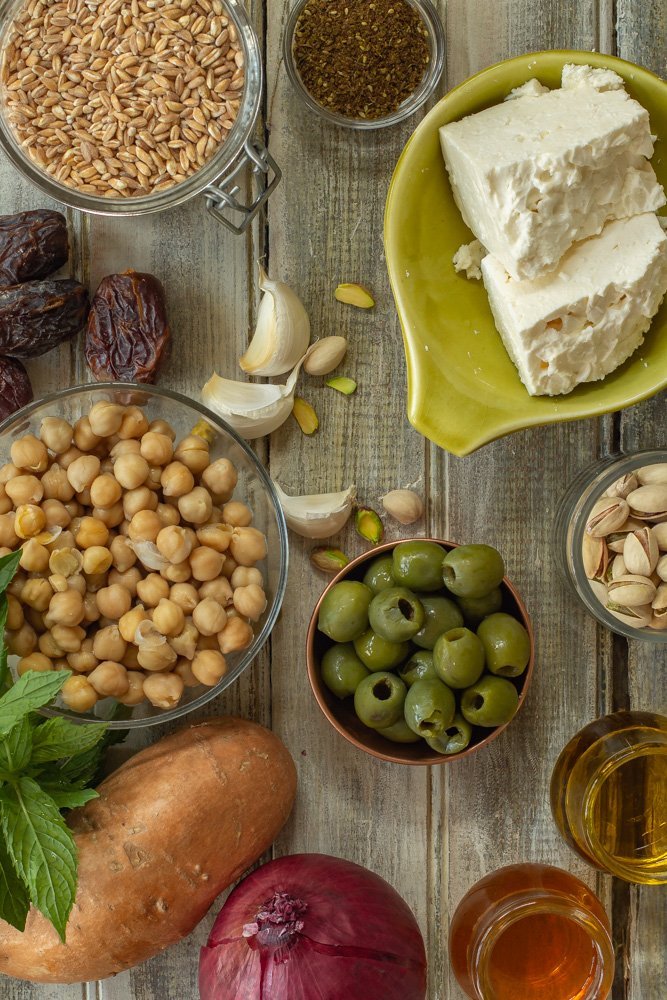
Essential Ingredients for the Perfect Plate
Source tenpoundcakecompany.com
Choosing the Best Cheese
The foundation of any exceptional halloumi salad naturally begins with selecting a premium block of cheese from your local grocer. Authentic Cypriot varieties are typically crafted from a traditional blend of sheep’s and goat’s milk, which yields a complex, tangy flavor profile. You can easily identify these higher-quality options by checking the packaging for the official European Union Protected Designation of Origin (PDO) stamp.
While cow’s milk versions are more widely available in commercial supermarkets, they often lack the authentic grassy notes of their traditional counterparts. Additionally, genuine varieties are usually folded into a distinctive semi-circle shape and frequently contain small flecks of dried mint. Taking the time to source an authentic product will dramatically enhance the final taste of your dish.
Fresh Greens and Crisp Vegetables
Creating a beautiful contrast to the warm, salty protein requires a thoughtful selection of fresh, crisp produce. A sturdy base of chopped romaine lettuce or peppery arugula works best, as these greens will not wilt immediately under the weight of the warm toppings. Adding chunks of English cucumber and juicy cherry tomatoes introduces essential hydration and a subtle, natural sweetness.
To further amplify the Mediterranean flavor profile, consider tossing in a handful of pitted Kalamata olives and thinly sliced red onions. These bold, acidic ingredients cut through the richness of the dairy, creating a perfectly balanced bite every single time. This precise combination of fresh flavors is a cornerstone of many 15-minute Mediterranean diet recipes.
The Ultimate Zesty Vinaigrette
A heavy, creamy dressing will easily overwhelm this dish, which is why a bright, acidic vinaigrette is absolutely mandatory. Start with a foundation of high-quality extra virgin olive oil, preferably one with robust, peppery notes to complement the savory elements. Whisk in freshly squeezed lemon juice, which provides the necessary acidic bite to cleanse the palate between rich bites.
To elevate your dressing from basic to extraordinary, incorporate a minced garlic clove, a teaspoon of Dijon mustard, and crushed dried oregano. The mustard acts as a crucial emulsifier, ensuring your oil and citrus juice remain perfectly blended over your greens. Always taste your vinaigrette before dressing the bowl, remembering that you will need very little added salt due to the brined cheese.
Step-by-Step Guide to Cooking the Cheese
Prepping Your Slices
Proper preparation is the vital first step to ensuring your slices develop an appealing, golden-brown crust rather than steaming in the pan. Begin by carefully removing the block from its brined packaging and thoroughly patting it dry with clean paper towels. Removing this excess surface moisture is absolutely critical for achieving a rapid, beautiful sear.
Next, use a sharp knife to cut the block into even slices, aiming for a thickness of about one-third to one-half inch. If the slices are cut too thin, they risk melting too quickly and turning into tough, brittle crisps in the hot skillet. If they are too thick, the outside will burn before the interior has a chance to soften into that desirable chewy texture.
Achieving the Perfect Golden Crust
Selecting the right cooking vessel is paramount; a well-seasoned cast-iron skillet or a heavy-bottomed non-stick pan will yield the most consistent results. Heat your chosen pan over medium-high heat until it is quite hot, then brush it lightly with a small amount of olive oil. Gently lay your prepared slices into the skillet, ensuring they lay perfectly flat against the heated surface.
Allow the slices to cook completely undisturbed for approximately two to three minutes per side. You will know it is time to flip when you see a deep, caramelized golden-brown crust forming along the bottom edges. Once both sides are beautifully seared, remove them immediately from the heat to prevent the dairy proteins from becoming rubbery.
Common Mistakes to Avoid
One of the most frequent errors home cooks make is overcrowding the skillet with too many slices at once. When you pack the pan tightly, the temperature drops rapidly, causing the cheese to release its moisture and steam rather than sear. Always cook in small, manageable batches if you are preparing a large portion for a gathering.
Another common misstep is adding excessive amounts of cooking oil to the pan before searing. Because the cheese naturally releases some of its own rich butterfat as it warms, a heavy pour of oil will result in a greasy, unappetizing final product. A light, strategic brushing of the skillet is truly all you need for culinary success.
Creative Variations and Delicious Add-Ins
Adding Roasted Vegetables
While raw vegetables provide an excellent crunch, incorporating roasted seasonal produce introduces a wonderful depth of flavor and a comforting warmth. Toss a handful of chopped zucchini, bell peppers, and red onions in olive oil, then roast them until their edges are sweet and caramelized. This simple addition transforms a light lunch into a deeply satisfying, hearty dinner option.
Springtime produce pairs exceptionally well with these salty, savory flavors, particularly when roasted to tender perfection. Taking inspiration from seasonal recipes with asparagus, try adding charred asparagus spears to your mixed greens. The earthy notes of the roasted green stalks perfectly complement the tangy, bright vinaigrette.
Incorporating Grains for Extra Protein
To stretch this dish into a more substantial, energy-sustaining meal, try folding in a portion of cooked whole grains. Fluffy quinoa is a phenomenal choice, as it soaks up the zesty lemon dressing while adding a complete, plant-based protein boost. Farro and pearl couscous are also excellent alternatives that lend a satisfying, chewy texture to the bowl.
This grain-forward approach is a brilliant strategy if you are managing a busy schedule and need meals with lasting staying power. It aligns perfectly with the principles found in a 7-day Greek healthy meal plan, emphasizing sustained energy through complex carbohydrates. Simply cook your preferred grains in vegetable broth ahead of time to make daily assembly a breeze.
Sweet and Savory Flavor Profiles
One of the most thrilling culinary discoveries is how beautifully this briny cheese pairs with fresh, vibrant fruits. During the hot summer months, try layering your seared slices with juicy wedges of fresh watermelon and whole mint leaves. The explosive contrast between the incredibly sweet, hydrating fruit and the warm, salty dairy is nothing short of spectacular.
For a slightly more sophisticated palate, grilled peaches or fresh fresh figs make extraordinary seasonal additions to your greens. You can even finish the entire dish with a very light drizzle of hot honey or balsamic glaze right before serving. These sweet and spicy accents elevate the complex flavors, making your halloumi salad taste like it came from a high-end bistro.
Halloumi vs. Other Salad Cheeses
When building your halloumi salad, you might wonder how the star ingredient stacks up against other popular dairy choices. Understanding the unique characteristics of various cheeses will help you make informed decisions when customizing your meals. The table below outlines the key differences between common salad cheeses.
| Cheese Type | Texture | Melting Point | Flavor Profile | Best Salad Application |
|---|---|---|---|---|
| Halloumi | Firm, dense, and chewy | Very High (can be grilled) | Salty, tangy, and savory | Served warm as a hearty protein substitute |
| Feta | Crumbly and soft | Low (melts into dressings) | Very briny, sharp, and acidic | Sprinkled cold over Greek-style vegetable mixes |
| Goat Cheese (Chèvre) | Creamy and spreadable | Low (melts easily) | Earthy, tart, and distinct | Paired with sweet fruits and candied nuts |
| Fresh Mozzarella | Soft, springy, and moist | Medium | Mild, milky, and delicate | Layered with tomatoes and basil (Caprese) |
Expert Tips for Building the Ultimate Bowl
Creating the ultimate halloumi salad requires more than simply tossing ingredients into a bowl; it requires a bit of culinary finesse. Follow these actionable, expert tips to ensure your homemade dish rivals those served at premium Mediterranean restaurants.
- Serve It Immediately: The seared cheese is at its absolute peak when served warm straight from the skillet. If allowed to cool completely, it will become dense and rubbery, losing that delightful squeaky texture.
- Master the Dry Pat: Never skip patting your dairy block completely dry with paper towels before slicing. Surface moisture creates steam in the pan, which acts as a barrier and entirely prevents the formation of a crispy crust.
- Tame the Saltiness: Because the cheese is cured in a heavy brine, refrain from salting your raw vegetables or vinaigrette prematurely. Taste the fully assembled dish first, then add a tiny pinch of flaky sea salt only if absolutely necessary.
- Refresh Your Greens: Revive slightly wilted lettuce or arugula by soaking the leaves in ice water for ten minutes before spinning them dry. This simple technique guarantees a spectacular, refreshing crunch that contrasts beautifully with the warm toppings.
- Pre-Mix Your Dressing: Combine your olive oil, lemon juice, and seasonings in a small glass jar with a tight-fitting lid. Shaking the jar vigorously is the fastest, most effective way to create a perfectly emulsified dressing that clings evenly to your greens.
- Mind Your Pan Heat: If your skillet begins to aggressively smoke, your heat is set too high and the exterior will turn bitter and black. Maintain a steady medium-high temperature to coax out an even, golden caramelization without burning the delicate milk solids.
Frequently Asked Questions about halloumi salad
Is halloumi salad healthy?
Yes, a halloumi salad can be an incredibly healthy meal choice when balanced properly with fresh vegetables. The cheese provides excellent amounts of calcium and protein to keep you satiated throughout the day. However, due to its high sodium content, it is best enjoyed in moderation alongside hydrating, potassium-rich produce.
Can I eat the cheese raw?
While you certainly can eat it raw directly from the package, doing so misses out on its best qualities. Eating it raw presents a very dense, salty, and somewhat rubbery texture that many find unappealing. Pan-searing or grilling it completely transforms the texture and brings out complex, caramelized flavors.
How long do leftovers last in the fridge?
Leftover salad components should ideally be stored separately in airtight containers in the refrigerator. The fresh vegetables and dressing will last up to three days when kept cold. However, the cooked cheese is truly best consumed on the same day, as reheating it often makes it tough.
What is the best way to reheat the cheese?
If you absolutely must reheat leftover slices, avoid using the microwave, which will instantly render them rubbery. Instead, return them to a dry skillet over medium-low heat for just a minute or two per side. You only want to warm them through until they soften slightly, taking care not to recook them entirely.
Is this dish suitable for a vegetarian diet?
Yes, it is a highly popular and satisfying option for vegetarians seeking a substantial main course. It provides a hearty, meaty texture that beautifully anchors a plant-based meal. Just ensure you check the cheese packaging, as some traditional varieties are made using animal rennet.
Can I bake the cheese instead of pan-frying?
Baking is an excellent, hands-off alternative to pan-frying that requires far less cooking oil. Simply arrange the slices on a parchment-lined baking sheet and bake at 400°F (200°C) for about 10-15 minutes. While you might not get the exact same dark crust as a skillet, the texture remains wonderfully soft and chewy.
Why does my cheese melt into a puddle?
If your slices melt completely, you likely purchased a grilling cheese imposter rather than authentic Cypriot halloumi. Some cheaper, commercial cow’s milk blends simply do not have the proper protein structure to withstand high heat. Always look for the PDO label or high-quality brands specifically designated for grilling.
What protein can I add if I want meat?
If you wish to add meat, grilled lemon-herb chicken breast pairs flawlessly with the Mediterranean flavor profile. Thinly sliced lamb cooked medium-rare is another culturally authentic and incredibly flavorful addition. Both options complement the briny, salty notes of the dairy without aggressively overpowering the dish.
Conclusion
Crafting a phenomenal halloumi salad is a straightforward yet incredibly rewarding culinary endeavor that brings the vibrant flavors of the Mediterranean straight to your kitchen. By selecting high-quality ingredients, mastering the simple pan-searing technique, and balancing your bowls with crisp vegetables and acidic dressings, you can elevate your daily meals from mundane to extraordinary. The sheer versatility of this dish allows you to adapt it to any season, whether you are incorporating fresh summer watermelon or warm, roasted autumn squash.
Now that you possess the expert knowledge needed to execute this recipe flawlessly, it is time to heat up your skillet and start cooking. Do not be afraid to experiment with different grain bases, seasonal produce combinations, and sweet-and-savory flavor profiles to discover your own perfect variation. Grab a block of this magnificent squeaky cheese on your next grocery run, and experience firsthand why this robust, flavorful salad continues to win hearts globally.
