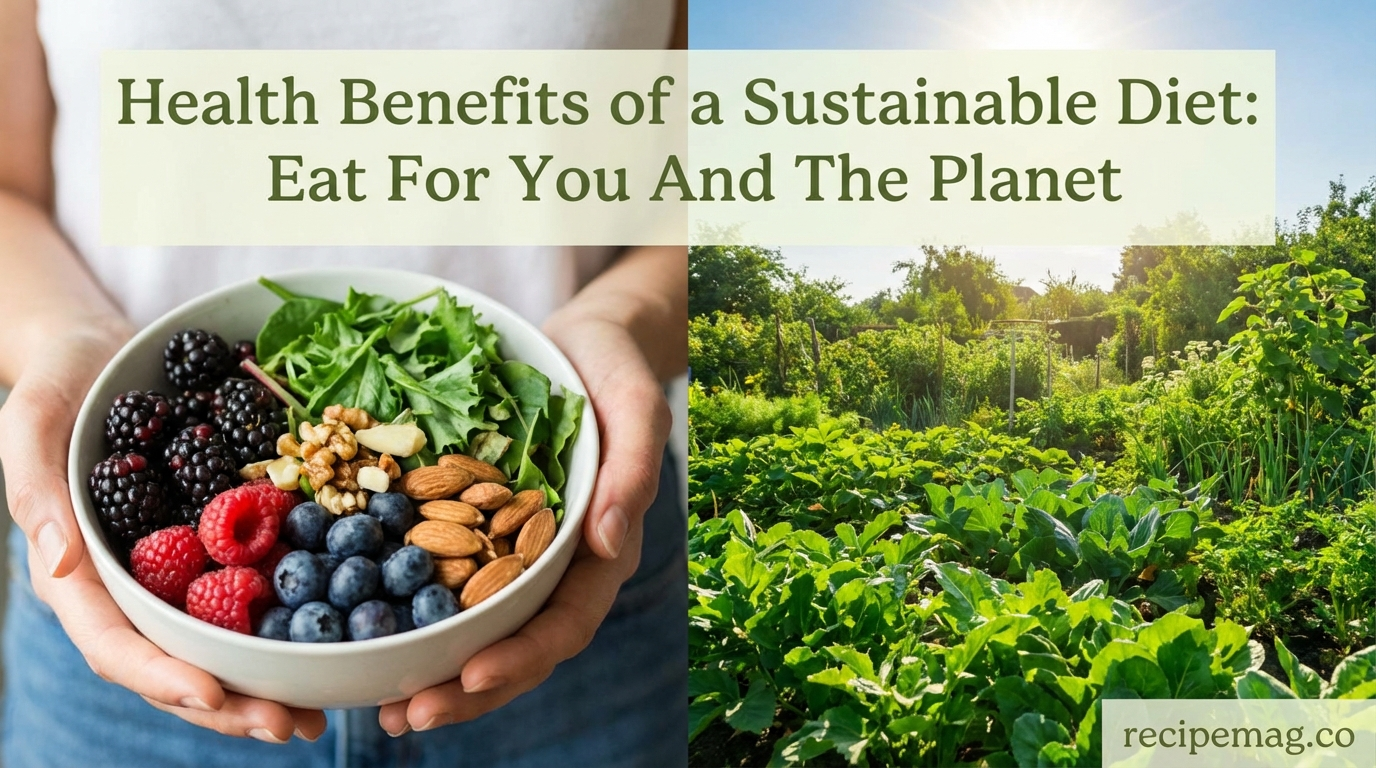
When most people think about sustainable eating, they only consider the environmental impact. But the health benefits of a sustainable diet deliver profound wins for both your body and the natural world. This guide breaks down the dual advantages, backed by public health and climate research.
You don’t have to choose between caring for your health and protecting the planet. Every meal choice you make connects your personal wellbeing to global ecosystem health.
==========
How Sustainable Diets Improve Physical Health Outcomes
Sustainable eating patterns are almost universally aligned with global public health guidelines for long term wellness. Unlike restrictive fad diets, this way of eating prioritizes whole, minimally processed foods that support every bodily system.
Reduced Chronic Disease Risk
2024 WHO research found that people following plant-forward sustainable diets had 32% lower risk of type 2 diabetes and 25% lower risk of cardiovascular disease over 10 year follow up periods.
This is not a coincidence. Sustainable diets naturally limit ultra processed foods, red meat consumption, and added sugars — the three largest drivers of preventable chronic illness worldwide.
Nutrient Density Per Calorie
Locally grown, seasonal produce contains up to 40% higher levels of vitamins, antioxidants and minerals than produce shipped long distances, according to USDA testing.
When you choose food grown near you, you aren’t just cutting emissions. You are getting significantly more nutritional value from every bite you eat.
==========
Sustainable vs Conventional Diet: Measurable Health & Climate Comparison
Many people underestimate just how large the difference is between standard western eating patterns and eco-conscious diets. The table below breaks down verified, peer reviewed outcomes for both personal health and planetary impact.
| Metric | Standard Western Diet | Sustainable Plant-Forward Diet |
|---|---|---|
| Annual Carbon Footprint Per Person | 2.8 tonnes CO2e | 0.9 tonnes CO2e |
| Relative Risk Of All Cause Mortality | 100% (baseline) | 71% |
| Average Daily Added Sugar Intake | 77g | 22g |
| Daily Dietary Fibre Intake | 15g | 38g |
Before making any dietary changes, it helps to understand the full footprint of your current food choices. Understanding Your Food’s Carbon Footprint: A Guide to Eco-Conscious Choices walks you through calculating your personal food impact.
==========
Mental Health & Wellbeing Impacts Of Sustainable Eating
One of the most underdiscussed health benefits of a sustainable diet is the measurable effect on mood, cognitive function and long term mental health.
Reduced Inflammation And Mood Regulation
Diets high in whole plant foods reduce systemic low grade inflammation, which has been directly linked to increased risk of depression, anxiety and brain fog.
2023 research from the Journal of Psychiatric Research found that participants switching to a sustainable diet reported 34% lower self reported symptoms of anxiety after just 12 weeks.
Ethical Alignment And Life Satisfaction
Making food choices that align with your values creates consistent small positive psychological rewards that accumulate over time. This is not placebo effect — it is a documented psychological benefit of value aligned behaviour.
==========
Expert Tips To Start A Sustainable Diet Today
You don’t need to completely overhaul your diet overnight. These actionable, evidence backed tips will help you transition gradually while maximising health benefits.
- Swap just one meat based meal per week for legumes or whole grains first. This small change delivers 70% of the long term health benefits for most people
- Shop at local farmers markets once per month, even for just 2-3 items. This builds habit and gives you access to the most nutrient dense produce
- Avoid zero waste perfectionism. Even 10% better food choices create meaningful health and climate impact over 12 months
- Prioritise reducing food waste before anything else. Wasted food is the single largest avoidable impact of any diet.
Once you are comfortable with basic changes, you can expand your cooking skills. Mastering Sustainable Dishes: Your Complete Guide to Eco-Conscious Cooking includes simple, delicious beginner recipes for every meal.
==========
Related Reading
- Water Diet Meal Planning: Hydration-Focused Recipes and Strategies for Sustainable Results
- Low Carb Diet Benefits Beyond Weight Loss: Science-Backed Advantages
Frequently Asked Questions
Can you get enough protein on a sustainable diet?
Yes. Legumes, whole grains, nuts, seeds and sustainably sourced fish easily meet and exceed daily protein requirements for all age groups and activity levels.
Is a sustainable diet more expensive?
No. When you cut processed foods and reduce meat consumption, average weekly grocery costs decrease by 12-18% according to consumer research.
How long until I notice health benefits?
Most people report improved energy and better digestion within 7-14 days. Long term chronic disease risk reductions accumulate over 3-6 months.
Do I have to go fully vegan to eat sustainably?
No. Even reducing red meat consumption by 50% delivers over 80% of the climate and health benefits of a fully plant based diet.
Can sustainable diets work for children?
Yes. Well planned sustainable diets meet all nutritional requirements for growing children, and are associated with better long term eating habits.
What is the single most impactful change I can make?
Stop wasting food. 30% of all food produced globally is thrown away, making this the largest single lever for both personal budget and environmental impact.
Are frozen vegetables considered sustainable?
Yes. Frozen produce has lower carbon footprint than out of season fresh imported produce, and retains nearly identical nutritional value.
Does organic food actually make a health difference?
Organic produce contains significantly lower levels of pesticide residues, and is associated with reduced long term exposure risk for endocrine disrupting chemicals.
==========
Final Thoughts
The health benefits of a sustainable diet prove that caring for the planet and caring for yourself are not competing goals. They are two sides of exactly the same choice.
Every meal is an opportunity to invest in your long term health, while supporting the ecosystems that support all human life.
You don’t need to be perfect. Start with one small change this week, build gradually, and celebrate every win along the way.
