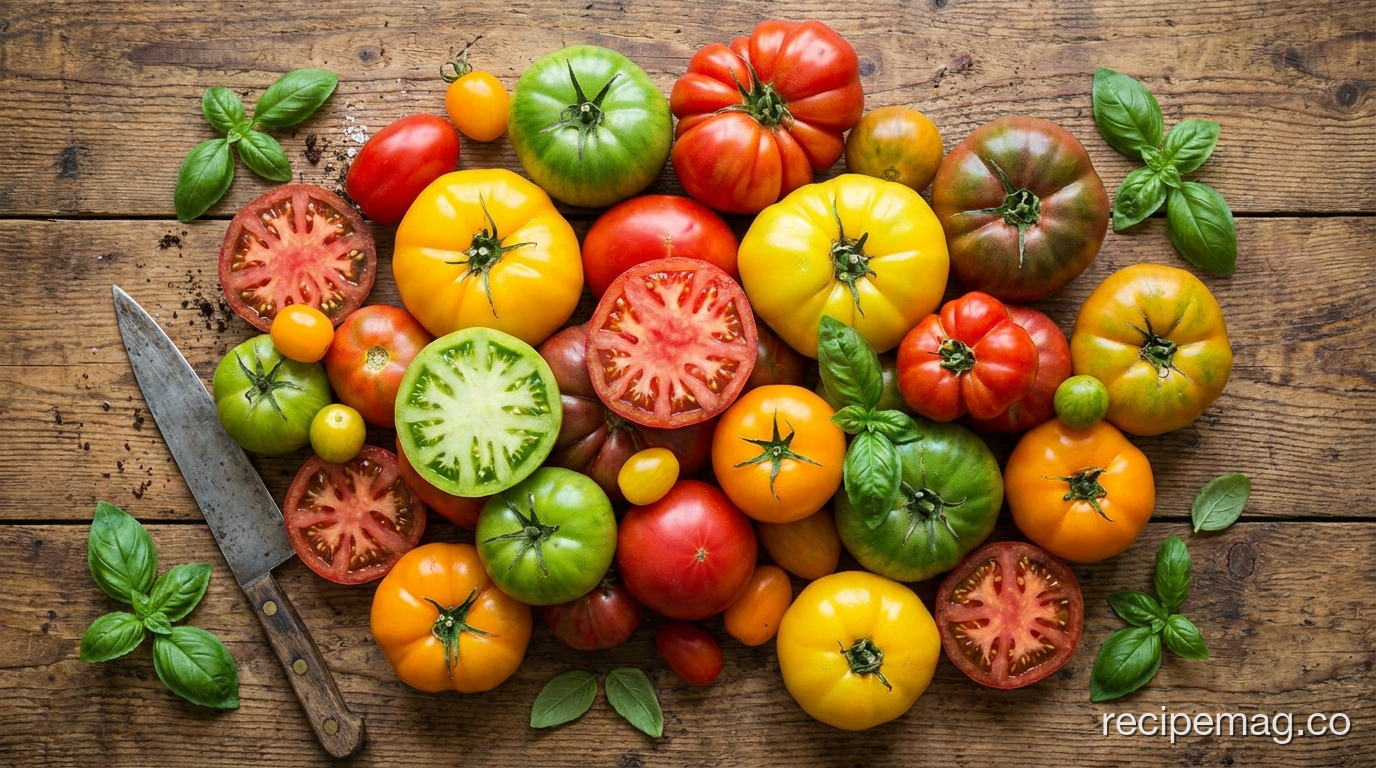
When July hits, a single healthy plant can drop more fruit than any household can eat, and tomatoes are the most planted crop in American home gardens, grown by roughly 86% of vegetable gardeners (National Gardening Association, 2021). That’s why so many of us end up staring at a full colander in mid-summer. The best summer tomato recipes solve the glut two ways: fast, fresh dishes that use ripe tomatoes today, and preserving methods that bank the surplus for winter. Below are eight practical ways to do both.
Key Takeaways
- Tomatoes are grown by about 86% of US home vegetable gardeners, so a July glut is almost inevitable. ([National Gardening Association](https://garden.org), 2021)
- Never refrigerate whole ripe tomatoes: cold below 55°F permanently mutes their flavor volatiles.
- Cooking tomatoes raises absorbable lycopene, so sauce and soup are more than just storage tricks.
- Roasting, slow-roasting, and freezing whole tomatoes all bank the surplus with almost no effort.
- Eight routes here cover same-day eating (salad, bruschetta, pasta) and long-term saving (sauce, roasted, frozen).
Why Do Garden Tomatoes Taste So Much Better Than Store-Bought?
A garden tomato tastes better mostly because it ripened on the vine and never got cold. Refrigeration is the culprit for supermarket flatness: a 2016 study in the Proceedings of the National Academy of Sciences found that chilling tomatoes below 55°F reduces the volatile compounds that create flavor, and the loss only partly recovers at room temperature (PNAS, 2016). Your just-picked fruit skips that damage entirely.
There’s a nutrition upside to the summer glut too, and it rewards cooking rather than just eating raw. Cornell researchers found that heating tomatoes raises the level of absorbable lycopene, the antioxidant linked to the fruit’s red color (Cornell University, 2002). So the sauce and soup below aren’t just about using up fruit. They actually make some of the good stuff more available to your body.
[UNIQUE INSIGHT] Here’s the reframe that changes how you handle a glut: stop treating cooking as a downgrade from “fresh.” A slightly bruised, overripe tomato that’s too soft to slice is the best possible sauce tomato, because it’s already broken down its own starches into sugar. Sort your haul by ripeness, eat the firm ones raw, and cook the soft ones. Nothing gets wasted.
1. Make a Big Batch of Fresh Tomato Sauce
Fresh tomato sauce is the single most efficient way to clear a countertop of ripe fruit. Americans eat far more processed tomato than fresh, about 70 pounds of processed versus 20 pounds fresh per person a year, with sauce leading the processed side (USDA Economic Research Service, 2022). A glut lets you flip that: two big bowls of soft tomatoes cook down to a quart of sauce in under an hour.
You don’t need to peel or seed for a rustic sauce. Core the tomatoes, quarter them, and simmer with olive oil, garlic, and salt until they collapse. Blend for smooth, or crush with a spoon for chunky. A splash of the raw tomato water at the end keeps it bright.
Freeze It Flat
Cool the sauce, ladle it into zip-top bags, press flat, and freeze stacked like books. Flat bags thaw in minutes and take almost no freezer space. Label with the date. Sauce keeps its quality for about three months frozen.
2. Slow-Roast Tomatoes for Deep, Jammy Flavor
Slow-roasting is the low-effort move that gives the biggest flavor return, and it rescues even watery, underwhelming tomatoes. Roasting at low heat drives off water and concentrates sugar, producing a jammy, almost sun-dried result. According to the University of California Cooperative Extension, slow oven-drying is one of the safest home methods for preserving surplus tomatoes without specialized equipment (UC Agriculture and Natural Resources, 2021). You set a timer and walk away.
Halve tomatoes, toss with olive oil, salt, and a little sugar if they’re tart, then roast cut-side up at 275°F for two to three hours. They shrink to intense little pockets of flavor. Pack them in a jar, cover with olive oil, and refrigerate for up to two weeks, or freeze for months.
[PERSONAL EXPERIENCE] We’ve found the oil left behind in the roasting pan is the real prize. It picks up the caramelized tomato sugars and roasted garlic, and it’s better than any store-bought infused oil for finishing pasta, brushing on bread, or whisking into a vinaigrette. Scrape every drop into the storage jar.
3. Blend a Cold Tomato Soup (Gazpacho)
Gazpacho is the answer when it’s too hot to turn on the oven and you still have a bowl of tomatoes going soft. This raw, blended Spanish soup uses tomatoes at their peak with zero cooking. Since ripe tomatoes are about 95% water by weight (USDA FoodData Central, 2023), they blend into a naturally light, hydrating soup that needs little more than good olive oil and salt to shine.
Blend ripe tomatoes with cucumber, a small piece of bell pepper, a garlic clove, a splash of sherry vinegar, and a slice of stale bread for body. Stream in olive oil while the blender runs to emulsify it silky. Chill for at least two hours: gazpacho tastes flat warm and vivid cold.
Garnish for Texture
A smooth soup needs crunch on top. Diced cucumber, croutons, a swirl of oil, and a few halved cherry tomatoes turn a simple blend into something worth serving to guests. Serve it in a chilled glass on the hottest days.
4. Build the Ultimate Tomato Salad
A great tomato salad is less a recipe than a rule: use the ripest fruit, salt it early, and add almost nothing else. When tomatoes are in peak season, restraint wins. Registered dietitians note that one medium tomato delivers about 28% of the daily value for vitamin C along with vitamin A and potassium (Healthline, 2023), so a plate of sliced summer tomatoes is as nourishing as it is simple.
Slice a mix of colors and sizes, arrange on a platter, and salt generously ten minutes before serving. The salt pulls out juice that mixes with olive oil into an instant dressing. Finish with flaky salt, cracked pepper, torn basil, and a drizzle of your best oil. Skip the vinegar if the tomatoes are truly ripe.
[UNIQUE INSIGHT] The timing of the salt is the whole game. Salting right before serving leaves the tomatoes firm but the plate dry. Salting ten to fifteen minutes ahead draws out a pool of tomato-flavored liquid that becomes the dressing. Any longer and they turn mushy. That short window is the difference between a good and a great tomato salad.
5. Pile Tomatoes on Toast (Bruschetta and Pan con Tomate)
Tomatoes on grilled bread is the fastest way to turn a handful of ripe fruit into a real snack or starter. Two classic versions exist, and both take five minutes. Bread is the ideal partner here because it soaks up the free-run juice that makes summer tomatoes so good, and toasting adds the crunch and browning that raw tomato lacks (Serious Eats, 2020).
Italian Bruschetta
Dice ripe tomatoes, toss with garlic, basil, olive oil, and salt, and let them sit ten minutes. Spoon over grilled bread rubbed with a raw garlic clove. Serve immediately so the toast stays crisp.
Spanish Pan con Tomate
Even simpler: halve a very ripe tomato and grate it on a box grater, discarding the skin. Spread the pulp on toasted, garlic-rubbed bread, then salt and drizzle with oil. This one lives or dies on tomato quality, so save it for your best fruit.
6. Toss Cherry Tomatoes into a Quick Pasta
Cherry tomatoes multiply fastest of all in a home garden, and a hot pan turns them into sauce in minutes. When you cook cherry tomatoes over high heat until they burst, they release their juice and collapse into a fresh, light sauce that clings to pasta. It’s the weeknight glut-buster, ready in the time it takes the water to boil and the pasta to cook.
Sizzle whole cherry tomatoes in olive oil with garlic until the skins split and the pan fills with juice. Crush a few with a spoon, add a splash of pasta water, and toss with cooked spaghetti. Finish with basil and parmesan. That’s the whole method, and it scales to whatever quantity spilled off the vine this week.
7. Preserve the Harvest: Freeze Tomatoes Whole
Freezing whole tomatoes is the laziest legitimate way to preserve a glut, and it works. The National Center for Home Food Preservation confirms you can freeze raw tomatoes whole with no blanching, and the skins slip right off under warm water afterward (NCHFP, University of Georgia, 2020). Wash them, dry them, and drop them into freezer bags. That’s it.
Frozen tomatoes turn mushy as they thaw, so they’re for cooking, not slicing. But that’s exactly what you want in January: a bag of summer tomatoes to drop straight into sauce, soup, chili, or braises. They carry far more flavor than a winter supermarket tomato ever could.
Canning for the Committed
If you want shelf-stable jars, water-bath canning is the traditional route, but tomatoes sit near the acidity borderline, so added lemon juice or citric acid is essential for safety. Follow a tested recipe from a reputable extension service rather than improvising, and check current USDA canning guidance before you start.
8. Make Tomato Confit for the Fridge
Tomato confit is slow-roasting’s richer cousin, and it earns a spot of its own because the result is so useful. You gently poach whole cherry or small tomatoes in a generous amount of olive oil with garlic and herbs until they’re meltingly soft. The low, oil-covered heat preserves them and infuses the oil at the same time, giving you two ingredients from one pan (America’s Test Kitchen, 2021).
Cover tomatoes with olive oil in a baking dish, add smashed garlic, thyme, and salt, and cook at 300°F for about an hour until they slump. Store submerged in the oil in the fridge for up to a week. Spoon it over ricotta toast, fold into pasta, or spread on sandwiches. The garlicky oil goes on everything.
Frequently Asked Questions About Summer Tomato Recipes
Should I ever refrigerate my garden tomatoes?
Keep whole, ripe tomatoes on the counter, not in the fridge. Cold below 55°F mutes flavor by breaking down the aroma compounds, and a 2016 PNAS study showed the damage only partly reverses at room temperature. The exceptions are cut tomatoes and very overripe fruit you can’t cook right away: those go in the fridge for food safety, ideally used within a day or two.
What’s the fastest way to use up a lot of tomatoes at once?
Sauce and roasting handle volume best. A big batch of fresh tomato sauce clears two full bowls of soft tomatoes in under an hour and freezes flat. Slow-roasting fills a sheet pan and needs no attention. Between the two methods you can process a whole day’s harvest with maybe twenty minutes of hands-on work, then bank the results in the freezer.
Do I need to peel tomatoes before cooking them?
Usually no. For rustic sauce, soup, and roasted tomatoes, the skins soften or blend in and add body. Peel only when you want a silky texture, like a smooth marinara or a refined soup. The easiest peeling trick: score an X on the bottom, dunk in boiling water for 30 seconds, then ice water, and the skins slip off. Frozen-then-thawed tomatoes peel with no boiling at all.
Are cooked tomatoes actually healthier than raw ones?
In one specific way, yes. Cooking raises the amount of absorbable lycopene, the antioxidant tied to tomatoes’ red color, as Cornell researchers documented in 2002. Raw tomatoes still win for vitamin C, which degrades with heat. The practical answer is to eat both: raw in salads and on toast for vitamin C, cooked in sauce and soup for lycopene. A summer glut lets you do exactly that.
How long do frozen tomatoes and sauce last?
Frozen whole tomatoes and homemade sauce hold good quality for about three months, and stay safe well beyond that if kept solidly frozen. Slow-roasted tomatoes and confit last a week or two refrigerated under oil, or several months frozen. Label everything with the date. For the best flavor, plan to work through your frozen summer stash before the next growing season starts.
Turn the Glut Into a Whole Winter of Flavor
A pile of ripe tomatoes in July looks like a problem, but it’s really a head start. Eat the firm ones raw this week in salads and on toast. Cook the soft ones down into sauce, soup, and confit. Freeze whatever’s left whole, and you’ll be pulling summer flavor out of the freezer long after the plants are gone.
Start with whichever route matches your day. Too hot to cook? Blend gazpacho or slice a salad. Overrun and short on time? Sheet-pan roast or bag-and-freeze. The goal isn’t a perfect kitchen project. It’s making sure not one of those hard-won tomatoes ends up in the compost.
Pick two methods this week, one for eating now and one for saving, and the glut stops being a chore. It becomes the best pantry you’ll have all year.
