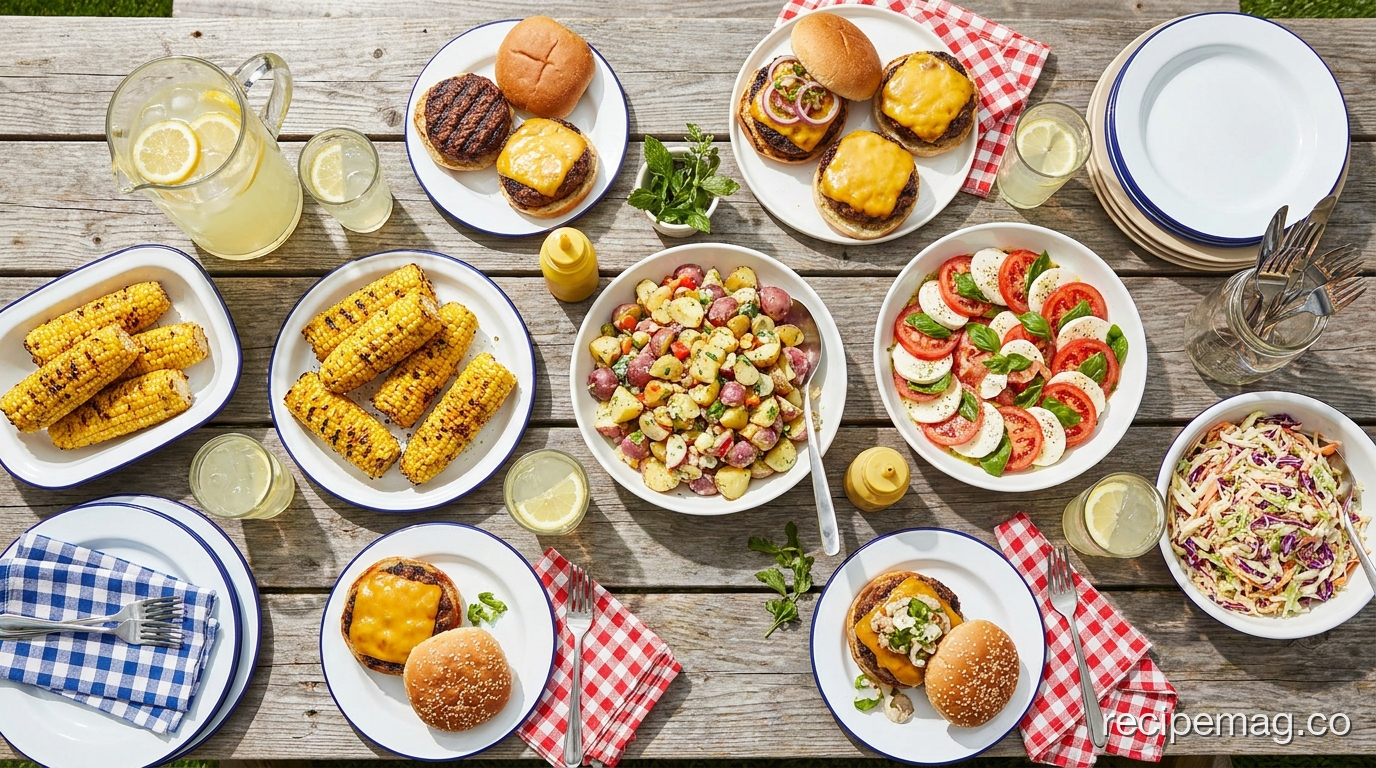
Planning a backyard BBQ party comes down to three things: how much food to buy, when to do each task, and what gear you actually need. The reliable rule is about half a pound of cooked protein per adult, scaled up for hungry crowds and long afternoons. Cookouts are wildly popular too. Roughly 87% of U.S. households own a grill or smoker, according to the Hearth, Patio & Barbecue Association (HPBA, 2023). This checklist gives you the quantities, the countdown, and the gear in one place.
Key Takeaways
- Budget about 1/2 pound of cooked protein per adult, then add 25% for a hungry or all-day crowd.
- Start a 2-week countdown: guest list and shopping first, prep and ice last.
- Plan 1 to 1.5 pounds of ice per person, more on hot days. ([USDA](https://www.fsis.usda.gov), 2023)
- Keep cold food below 40°F and grill to safe internal temps to avoid foodborne illness.
- A printable equipment checklist stops the mid-party scramble for tongs and lighter fluid.
How Much Food Do You Need Per Guest at a BBQ?
Plan about half a pound of cooked protein per adult, which usually means buying closer to two-thirds of a pound raw. Meat loses roughly 25% of its weight on the grill as fat renders and moisture evaporates, a figure consistent with USDA cooking-yield data (USDA FSIS, 2023). For a relaxed afternoon party where people graze for hours, bump that estimate up. Hungry guests and a long timeline both push portions higher.
The math gets easier when you break it down by item. Burgers, hot dogs, chicken, and ribs each have a clean per-person number you can multiply by your headcount. Kids eat roughly half what adults do, so count two children as one adult when you total everything up.
Protein Quantities by Type
- Burgers: 2 patties per adult. A pound of ground beef makes about 4 quarter-pound patties, so figure 1/2 pound of raw beef per person.
- Hot dogs and sausages: 2 per adult. Most standard packs hold 8, so one pack covers four guests.
- Chicken: 1/2 pound cooked per adult, or about 2 pieces (a thigh and a drumstick, or one large breast).
- Ribs: 3 to 4 ribs per adult, roughly 1 pound of raw rack weight per person since ribs are bony.
- Pulled pork or brisket: 1/3 pound cooked per adult on a sandwich, which means about 1/2 pound raw before the long cook shrinks it.
[UNIQUE INSIGHT] Most hosts over-buy one hero protein and under-buy variety. We’ve found that offering two proteins at smaller per-person amounts (say one burger and one piece of chicken each, rather than two burgers) leaves guests more satisfied and produces less waste. People eat with their eyes at a buffet, and a single mountain of one meat gets picked over while a balanced spread gets finished.
Sides, Buns, and Extras
- Buns: Match your burger and dog counts exactly, then add 2 to 3 spares. Buns are the thing you always run short on.
- Sides: Plan 3 to 4 ounces per person for each side dish. Offer 3 sides for a small party, 4 to 5 for a big one.
- Chips and snacks: About 1 ounce per person for pre-meal grazing, so a standard party-size bag covers roughly 15 guests.
- Condiments: One standard bottle of ketchup, mustard, and mayo each covers about 15 to 20 people.
- Dessert: 1 to 2 servings per person. A sheet cake or a big watermelon both scale easily for a crowd.
How Much Ice and Drinks Should You Plan For?
Plan 1 to 2 pounds of ice per guest and about two drinks per person for the first hour, then one drink per hour after that. Cold storage matters for safety as much as comfort: the USDA advises holding cold foods and drinks below 40°F to slow bacterial growth, which takes more ice than most hosts expect on a 90-degree afternoon (USDA, 2023). Ice is cheap. Run out and the party stalls.
Drink quantities depend on your crowd and the weather, but a simple framework keeps you from over- or under-buying. Split your total between water, soft drinks, and any alcohol, and remember that heat drives water consumption up fast.
Drink Math for a 3-Hour Party
- Total drinks: Budget about 4 drinks per adult for a 3-hour event (2 in the first hour, then 1 each after).
- Water: At least half your total beverages on a hot day. People underestimate this every time.
- Soft drinks: Roughly 2 cans or bottles per person across the party.
- Beer and wine: If serving alcohol, about 2 to 3 drinks per drinking adult; a standard wine bottle pours 5 glasses.
- Ice: 1 pound per person to chill drinks, plus another pound per person if you’re also icing down food coolers.
[PERSONAL EXPERIENCE] We always run two separate coolers: one for drinks that gets opened constantly, and one for backup food and extra ice that stays shut. Every time we’ve combined them, the food cooler warms up from people digging for a soda, and cold items drift into the danger zone faster than expected. Two coolers is the simplest food-safety upgrade you can make.
What Is the Best BBQ Party Planning Timeline?
Start two weeks out and work backward to the day itself. A countdown spreads the work so nothing piles onto party day. Hosting stress is real: a 2022 survey by the American Psychological Association noted that managing logistics and time pressure rank among the top sources of event-related stress (APA, 2022). A written timeline removes most of that pressure because every task already has a slot.
Two Weeks Before
- Set the date, finalize the guest list, and send invitations.
- Confirm your headcount so you can run the food and drink math above.
- Plan the menu and check that your grill and major equipment all work.
One Week Before
- Do the big non-perishable shop: charcoal or propane, drinks, condiments, paper goods.
- Confirm RSVPs and ask about allergies or dietary needs.
- Plan seating and shade, and order or buy any rentals like extra chairs or tables.
Two to Three Days Before
- Buy perishables: meat, buns, produce, and dairy.
- Make any marinades, dry rubs, and sauces that improve with time.
- Prep sides that hold well, like pasta salad, coleslaw base, or baked beans.
The Day Before
- Marinate proteins and finish make-ahead sides.
- Clean the grill grates and stock fuel within reach.
- Chill drinks overnight and clear fridge and cooler space for ice.
Party Day
- Morning: pick up ice, set up tables, drinks, and trash stations.
- Two hours out: pull meats from the fridge, light the grill 30 to 40 minutes before serving.
- Just before guests arrive: set out cold sides, refresh ice, and do a final headcount on buns.
What Equipment Do You Need for a Backyard BBQ?
You need a working grill, fuel, the right tools, and a safe way to keep food hot and cold. Grill safety is not optional: the National Fire Protection Association reports an average of roughly 11,400 home grill fires per year in the U.S., most caused by failure to clean the grill or leaks in the gas line (NFPA, 2023). A clean grill and a checked fuel line make the whole event safer. Run through the gear list below before guests arrive.
Grilling Essentials
- Grill (gas or charcoal), plus fuel: a full propane tank or enough charcoal and a chimney starter.
- Long-handled tongs, a spatula, and a basting brush.
- Instant-read meat thermometer to hit safe internal temperatures.
- Grill brush for cleaning grates, and heat-resistant gloves.
- Aluminum foil, a drip pan, and a spray bottle of water for flare-ups.
Serving and Storage
- Two coolers (one drinks, one food and backup ice) and plenty of ice.
- Serving platters, large bowls, and serving spoons and tongs.
- Plates, cups, napkins, and cutlery, with a 20% buffer over your headcount.
- Trash and recycling bags with a clearly marked station.
Comfort and Safety
- Shade: umbrellas, a canopy, or a shaded seating area.
- Bug spray, sunscreen, and a basic first-aid kit.
- Fire extinguisher or a bucket of sand near the grill.
- String lights or lanterns if the party runs into the evening.
How Do You Keep BBQ Food Safe Outdoors?
Keep cold food below 40°F, hot food above 140°F, and don’t let anything sit out longer than two hours. The USDA calls 40°F to 140°F the danger zone, and on a day above 90°F that safe window shrinks to just one hour (USDA FSIS, 2023). An instant-read thermometer is the only way to know your chicken hit 165°F or your burgers hit 160°F. Color is not a reliable guide.
Safe Internal Temperatures
- Poultry (chicken, turkey): 165°F.
- Ground beef and pork (burgers, sausages): 160°F.
- Beef, pork, lamb steaks and chops: 145°F, then a 3-minute rest.
- Fish: 145°F, or until it flakes easily.
Use separate plates and utensils for raw and cooked meat. The platter that carried raw burgers to the grill should never carry the cooked ones back, a classic cross-contamination trap. Keep a clean platter ready on the serving side, and have hand sanitizer or a wash station near the grill.
Frequently Asked Questions About Backyard BBQ Party Planning
How much meat do I need for a BBQ for 20 people?
For 20 adults, plan about 10 pounds of cooked protein, which means buying roughly 13 pounds raw to account for grilling shrinkage. If you offer two proteins, split that total: about 7 pounds of raw ground beef for burgers plus 6 pounds of chicken works well. Add 25% if your crowd skews hungry or the party runs all afternoon. Always buy a few extra buns.
How far in advance should I start planning a backyard BBQ?
Start two weeks out for a relaxed timeline. Use the first week for the guest list, menu, and invitations, the second week for shopping and prep. Buy perishables two to three days before, and save marinating, ice runs, and grill setup for the final 24 hours. A written countdown keeps party-day tasks light so you can actually enjoy hosting.
How much ice do I need for an outdoor party?
Plan 1 to 2 pounds of ice per guest. Use about 1 pound per person to chill drinks and another pound per person if you’re also icing down a food cooler. On a hot day above 85°F, lean toward the higher end, since ice melts fast and the USDA recommends keeping cold items below 40°F (USDA, 2023). Running out of ice is the most common cookout mistake.
What sides are best for a make-ahead BBQ?
Pasta salad, coleslaw, potato salad, and baked beans all hold up well and actually taste better after a day in the fridge. Make them two to three days ahead to free up party day. Plan 3 to 4 ounces per person per side, and offer three to five sides depending on crowd size. Dress leafy salads at the last minute so they stay crisp.
How do I keep food safe in hot weather?
Keep cold food below 40°F and hot food above 140°F, and discard anything left in between for over two hours, or one hour if it’s above 90°F (USDA FSIS, 2023). Use a dedicated food cooler, serve in smaller refilled batches rather than one big spread, and never reuse the platter that held raw meat for cooked food.
Get Your Checklist Ready and Fire Up the Grill
A great backyard BBQ isn’t about doing more, it’s about deciding the numbers ahead of time. Half a pound of protein per adult, a pound or two of ice per guest, and a two-week countdown cover the three things that actually go wrong: not enough food, warm drinks, and a frantic party day.
Print the equipment list, run your headcount through the per-guest math, and check the grill and fuel before anyone arrives. Do that, and the day takes care of itself. The hardest decision left is whether to grill burgers, chicken, or both.
Save this checklist for the next cookout on your calendar. Then go enjoy the part that matters: good food, cold drinks, and people you like in the backyard.
