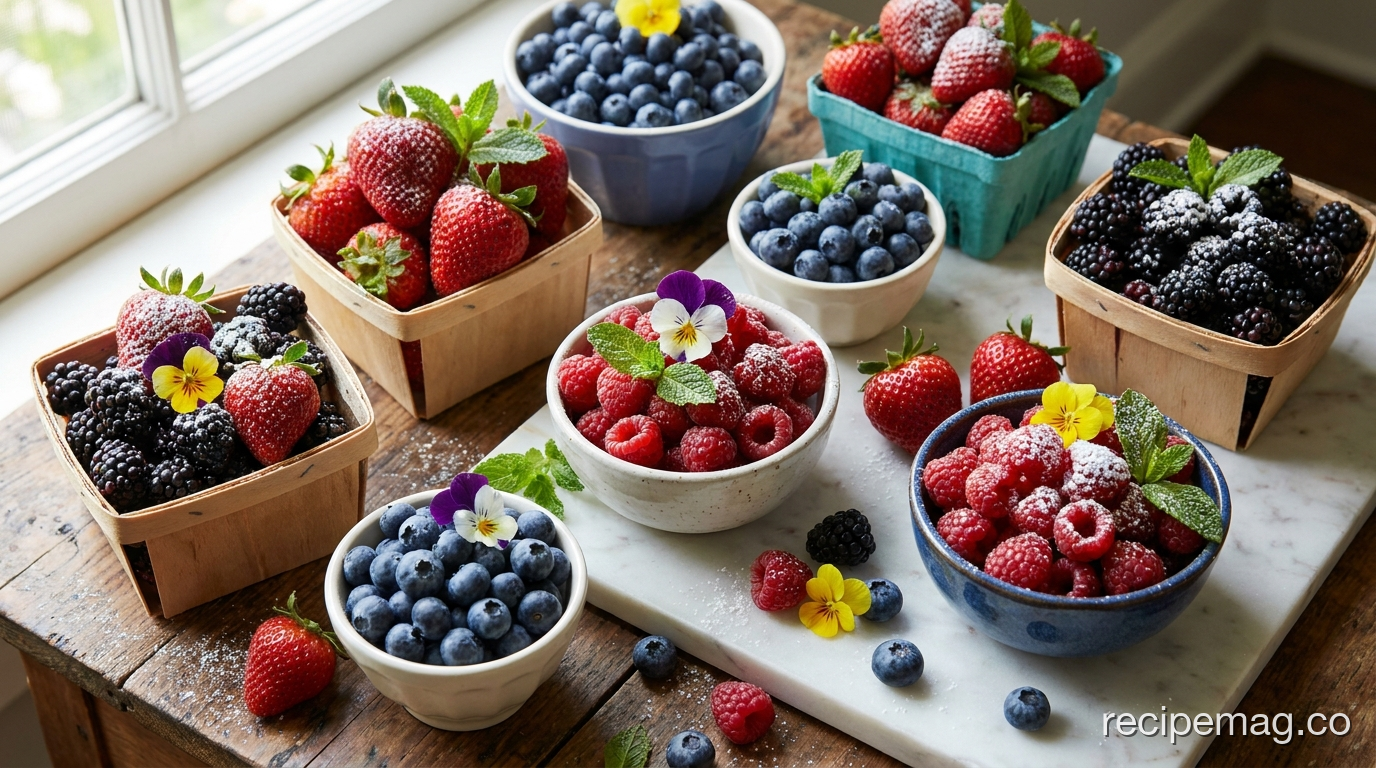
To store berries well, keep them dry, unwashed, and cold until you eat them. That single habit matters more than any gadget. It also matters more than most people think: roughly 40% of the food supply in the United States goes uneaten, and highly perishable produce like berries makes up a large share of that waste (USDA, 2023). Pick ripe berries at the market, dry them, and refrigerate them right, and a $5 clamshell can last a week instead of two days.
Key Takeaways
- Never wash berries until the moment you eat them. Surface moisture is the main cause of mold.
- Berries do not ripen after picking, so buy them at peak ripeness or not at all.
- A quick vinegar rinse followed by thorough drying can extend fridge life by several days.
- Store berries in a single layer on a paper towel, lid cracked, for airflow.
- Freezing berries in a single layer first keeps them from clumping into one solid block.
Why Do Berries Spoil So Fast?
Berries spoil fast because they are built to be fragile. They have thin skins, no protective rind, and a high water content that mold loves. The University of California, Davis reports that gray mold, Botrytis cinerea, is the single biggest cause of postharvest berry loss, and it spreads fastest in warm, damp conditions (UC Davis Postharvest Technology Center, 2022). One moldy berry in a clamshell can seed the whole batch within a day.
Here’s the part that surprises people. Berries are non-climacteric, which means they stop ripening the moment they leave the plant. A pale, underripe strawberry will never get sweeter on your counter. It just gets older. That’s different from peaches or bananas, which keep ripening after harvest.
So the game is really two things: buy them ripe, and slow down the clock once you get home. Cold slows mold. Dryness starves it. Airflow keeps condensation from pooling. Get those three right and you’ve solved most of the problem.
How Do You Pick the Best Berries at the Store?
Pick berries with your eyes and your nose, not the sell-by date. Because berries don’t ripen after picking, what you see at the store is what you get at home. USDA grading standards point to color, plumpness, and a fresh aroma as the clearest ripeness signals (USDA Agricultural Marketing Service, 2023). If a strawberry doesn’t smell like a strawberry through the plastic, it won’t taste like much either.
Always flip the clamshell over. The bottom tells the truth. Stains, juice, or a musty smell mean berries are already breaking down underneath, no matter how good the top layer looks.
Strawberries
Look for berries that are fully red from tip to the green cap, with no white or green shoulders near the stem. The caps should be fresh and perky, not dried or brown. Smaller local strawberries in summer usually beat the big year-round hothouse ones on flavor by a wide margin.
Blueberries
Good blueberries wear a dusty silver coating called bloom. That’s natural, and it’s a freshness sign, not dirt. Skip any that are reddish or green. Give the container a gentle shake: ripe berries roll freely, while stuck-together berries are starting to go.
Raspberries
Raspberries are the divas of the berry world. Choose plump, dry, evenly colored berries with no visible juice in the container. If you see red stains on the packaging, keep walking. They’re the most fragile berry you’ll buy and the fastest to mold.
Blackberries
Pick blackberries that are deep, uniform black with a slight shine. Reddish berries are underripe and stay tart forever. Avoid any that look dull, shrunken, or leaky. A ripe blackberry releases easily and feels heavy for its size.
How Should You Store Berries So They Last Longer?
Store berries unwashed, dry, and cold, in a single layer with a little airflow. The FDA recommends holding perishable produce below 40°F to slow microbial growth, and it warns that trapped surface moisture speeds spoilage in soft fruit (FDA, 2023). Water on the skin is what wakes up dormant mold spores, so the golden rule is simple: don’t rinse until you’re ready to eat.
[PERSONAL EXPERIENCE] The habit that changed everything for us is lining the container with a dry paper towel and storing the berries in a single layer with the lid cracked open. The towel wicks away condensation, and the airflow keeps the box from turning into a humid little greenhouse. We’ve watched this trick add three to four days to a clamshell of blueberries that would otherwise fuzz over by day two.
The Basic Method
- Sort first. Tip the berries out and pull any that are bruised, soft, or moldy. One bad berry infects its neighbors fast.
- Line a container. Use a wide, shallow container lined with a dry paper towel. A single layer is ideal; two layers max.
- Leave it unwashed. Do not rinse yet. Store dry.
- Crack the lid. Leave the container slightly vented so moisture escapes instead of collecting.
- Refrigerate the crisper. Keep berries in the main body of the fridge, around 34 to 38°F, not in the door where temps swing.
The Vinegar Rinse (Optional but Effective)
If you want maximum shelf life, try a diluted vinegar bath. Mix one part white vinegar with three parts cool water, dunk the berries for about 30 seconds, then drain. The mild acidity kills lingering mold spores on the skin. Cornell University Cooperative Extension notes that a vinegar solution can meaningfully reduce surface mold on soft fruit (Cornell Cooperative Extension, 2022).
The catch, and it’s a big one: you have to dry them completely afterward. Spin them gently in a salad spinner lined with a towel, or spread them out and pat them dry. Any leftover water undoes the whole point. Damp berries mold faster than untreated ones.
Store Berries by Type, Not Together
[UNIQUE INSIGHT] Most people dump every berry into one bowl, and that quietly shortens the life of the whole mix. Raspberries and blackberries are far more fragile and mold-prone than blueberries. When you store them together, the delicate berries break down first, then their moisture and spores spread to the sturdier ones. Keep each type in its own vented container and the blueberries can outlast the raspberries by nearly a week.
How Long Do Berries Last in the Fridge?
Shelf life depends heavily on which berry you’re storing. UC Davis postharvest data shows blueberries can hold quality for up to two weeks near freezing, while raspberries and blackberries often last just two to three days (UC Davis Postharvest Technology Center, 2022). Knowing the spread helps you plan: eat the fragile ones first and let the durable ones ride out the week.
- Strawberries: 3 to 7 days refrigerated, unwashed and dry.
- Blueberries: up to 10 to 14 days, the longest-lasting common berry.
- Raspberries: 2 to 3 days, the shortest of the group.
- Blackberries: 3 to 5 days with careful, dry storage.
These numbers assume a cold, steady fridge and no washing until serving. Leave berries at room temperature and you can roughly cut every figure in half. Warm summer kitchens are especially rough on raspberries.
How Do You Freeze Berries the Right Way?
Freeze berries in a single layer first, then bag them, so they don’t fuse into a brick. Freezing is also a genuinely good preservation method, not a compromise. A study in the Journal of Food Composition and Analysis found frozen produce often matched or beat fresh store-bought produce on key nutrients, because freezing locks them in close to harvest (Journal of Food Composition and Analysis, 2017). For smoothies, baking, and sauces, frozen berries are excellent.
Step-by-Step Freezing
- Wash and dry fully. Unlike fridge storage, you do want to wash before freezing. Then dry the berries completely, because surface water turns into icy clumps.
- Hull if needed. Remove strawberry caps and slice large berries so they freeze and thaw evenly.
- Flash freeze. Spread berries in a single layer on a parchment-lined sheet pan. Freeze for 2 to 3 hours until solid.
- Bag and label. Transfer the frozen berries to a zip-top freezer bag, press out the air, and label it with the date.
- Use within a year. Frozen berries keep their best quality for up to 12 months.
Don’t thaw frozen berries before baking. Fold them into muffin or pancake batter straight from the freezer to keep them from bleeding purple streaks through everything. For smoothies, frozen berries are perfect right out of the bag.
What Are the Best Ways to Use Berries Before They Go Bad?
When berries start to soften, cook them before you toss them. Texture fades before flavor does, so a slightly wrinkled berry still makes an excellent sauce. Cutting kitchen waste matters: the USDA estimates households throw out a large share of the fruit they buy, much of it still perfectly usable (USDA, 2023). A five-minute compote turns fading berries into breakfast for a week.
The fastest rescue is a quick compote. Simmer softening berries with a spoonful of sugar and a squeeze of lemon for five to seven minutes, until they collapse into a loose sauce. Spoon it over yogurt, oatmeal, pancakes, or ice cream. It keeps in the fridge for a week and freezes for months.
Overripe berries also blend beautifully. Purée them for smoothies, swirl them into muffin batter, or freeze the purée in ice cube trays for later. The one thing you shouldn’t do is wait. Once a berry molds, the whole batch has to go, so act at the first sign of softening rather than the last.
Frequently Asked Questions About How to Store Berries
Should you wash berries before storing them?
No. Washing berries before storage is the most common mistake people make. Surface moisture activates mold spores and speeds spoilage dramatically. Store berries unwashed and dry, then rinse them only in the minutes before you eat them. The one exception is freezing: wash and fully dry berries before they go into the freezer, since they’ll be cooked or blended later anyway.
Does the vinegar rinse make berries taste sour?
No, not when the solution is diluted correctly. A one-part-vinegar to three-parts-water ratio, followed by a plain water rinse and thorough drying, leaves no detectable vinegar taste. The mild acidity simply kills mold spores on the skin. The critical step is drying the berries completely afterward, because any leftover moisture cancels out the benefit and can actually speed spoilage.
Why do my raspberries mold so quickly?
Raspberries have the most fragile structure of any common berry, with a hollow center and thin, easily bruised walls. That makes them highly prone to gray mold. Store them in a single layer, unwashed, in a vented container, and eat them within two to three days. Keep them separate from other berries, since their fast decay can spread spores to sturdier fruit nearby.
Can you store berries at room temperature?
Only briefly. If you plan to eat berries within a few hours, a bowl on the counter is fine and even improves their flavor, since cold mutes sweetness. For anything longer, refrigerate them. Room-temperature storage roughly halves shelf life, and warm summer kitchens accelerate mold growth. Take berries out about 20 minutes before serving so they warm slightly and taste their best.
Are berries with a little mold still safe to eat?
Discard any visibly moldy berries and the ones directly touching them. Soft berries have high moisture content, which lets mold roots spread invisibly through nearby fruit. Unlike hard cheese or firm produce, you can’t simply cut the mold away. If only one or two berries are affected, the rest of a dry, firm batch is usually fine, but rinse them well and eat them promptly.
Buy Better Berries This Weekend
Great berries come down to two decisions: buying ripe and storing dry. Because berries never sweeten after picking, the market is where flavor is won or lost. Use your nose, flip the clamshell over, and skip anything with a stained or leaky bottom.
Once you’re home, resist the urge to rinse. Sort out the soft ones, line a vented container with a paper towel, and keep everything cold and dry until serving. Eat the raspberries first, let the blueberries coast through the week, and cook down whatever starts to soften before it’s lost.
Summer berries are cheap, abundant, and fleeting. A few small habits stretch every basket further and cut the waste that quietly eats your grocery budget. Buy well this weekend, store smart, and enjoy them at their peak.
